

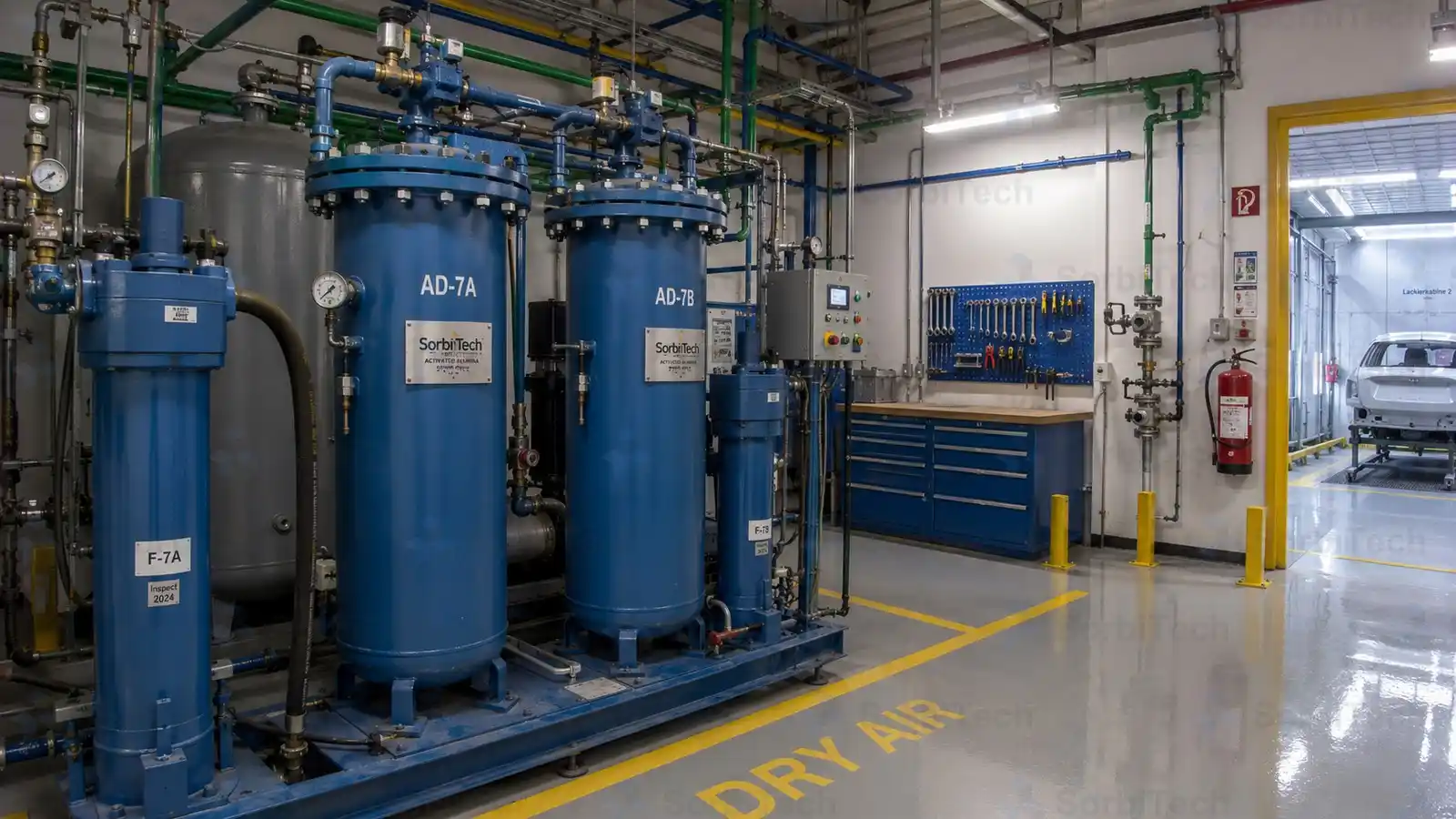
Air Drying and Purification
Compressed air drying and purification to ISO 8573 air quality standards using activated alumina or silica gel desiccant in heatless or heated dryer cycles.
Process problems and duties, each with candidate products and systems, clear selection guidance, and engineering references.
An application is a process duty you need to solve. Each one lists the adsorbent media and engineered systems that meet it, with selection guidance from our engineers.
Removing water, carbon dioxide, and sulphur compounds from gas streams. Covers molecular sieve drying, gas sweetening, PSA processes, and biogas upgrading to meet pipeline and process specifications.
Compressed air drying and purification to ISO 8573 air quality standards using activated alumina or silica gel desiccant in heatless or heated dryer cycles.
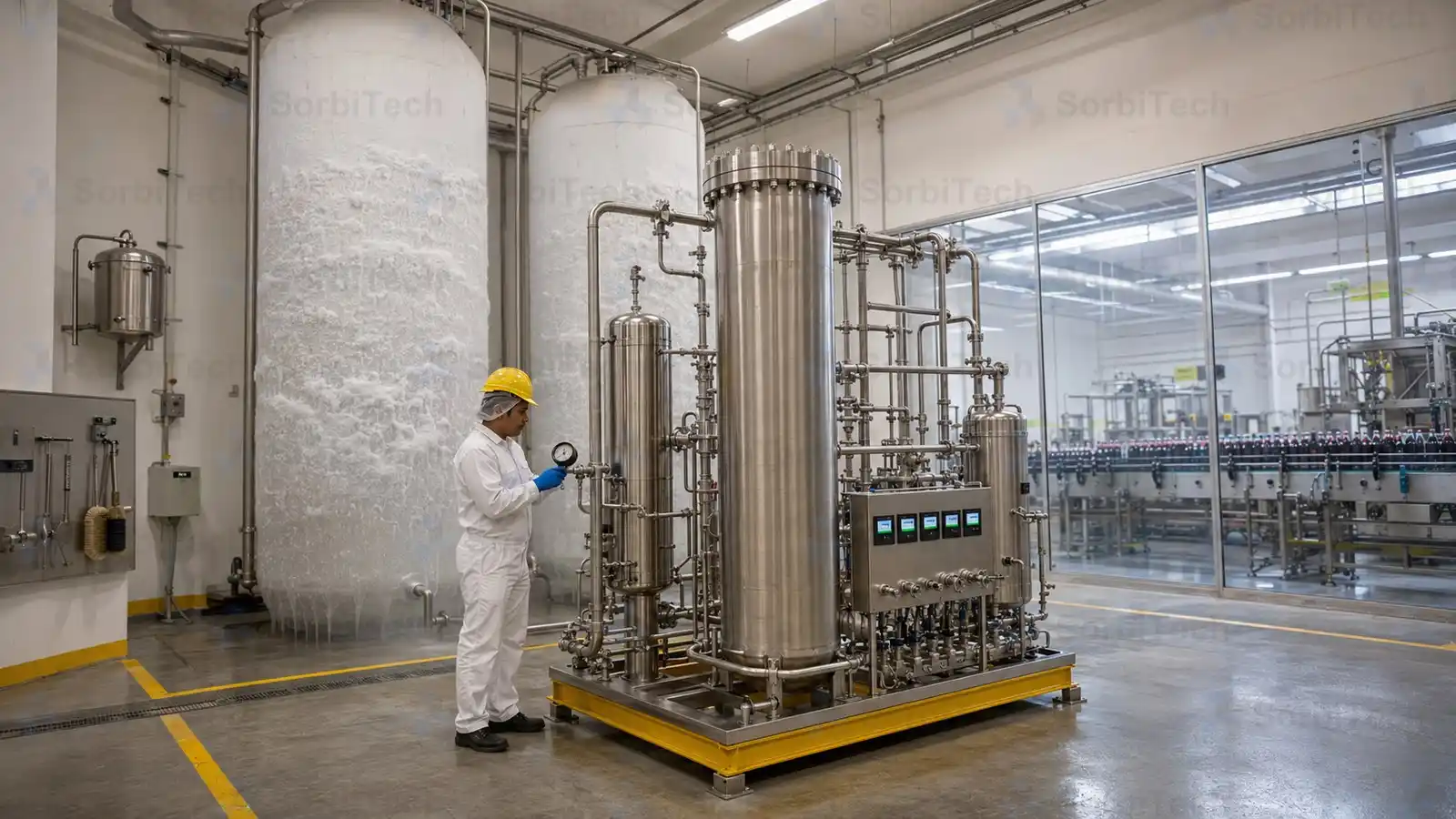
Pellet activated carbon guard bed for beverage grade carbon dioxide purification meeting ISBT (International Society of Beverage Technologists) specifications for carbonated soft drinks, beer, and sparkling water.
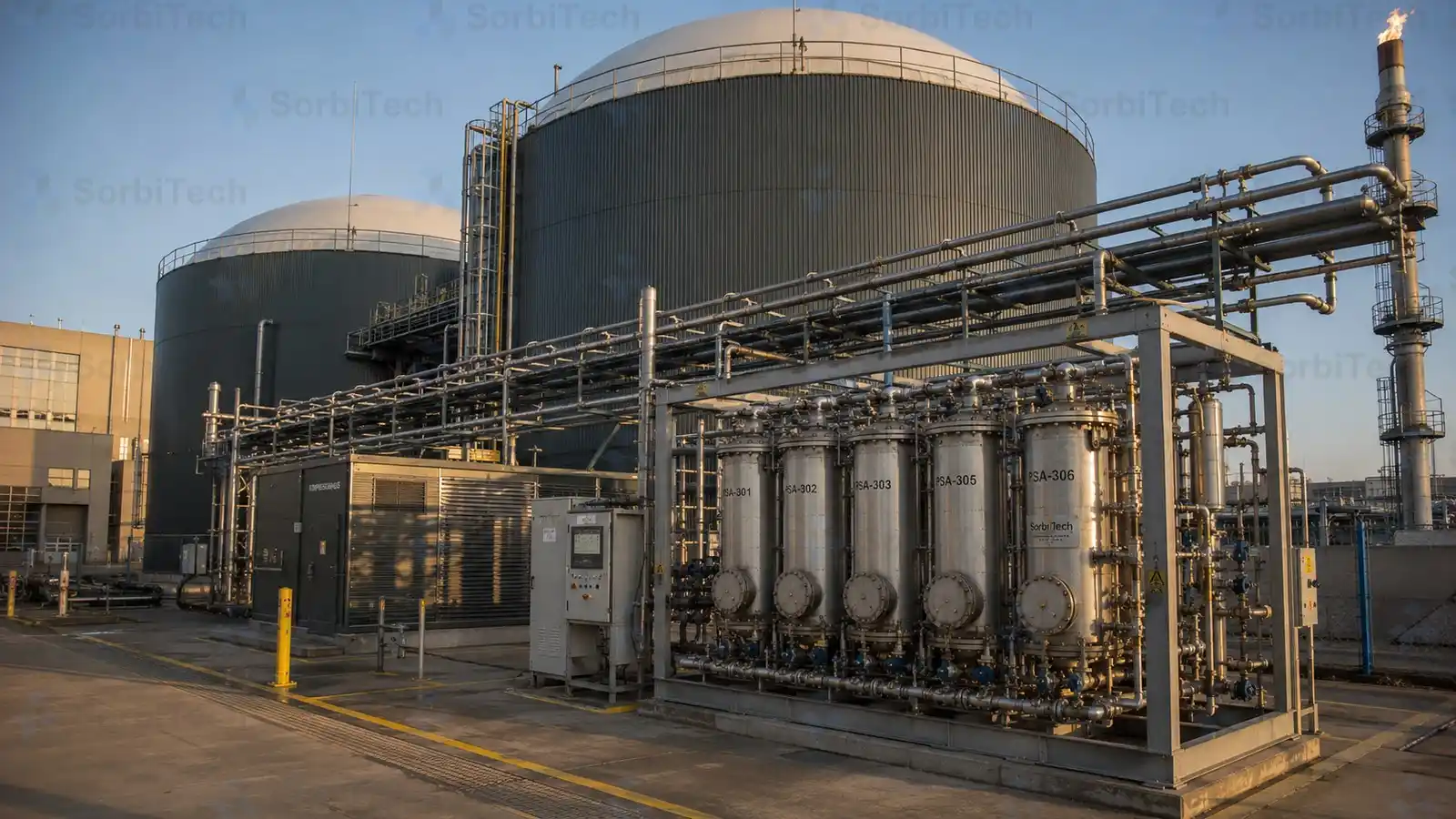
Carbon dioxide removal from anaerobic digester biogas and landfill gas using carbon molecular sieve PSA to deliver grid quality bio methane for pipeline injection or CNG vehicle fuel.
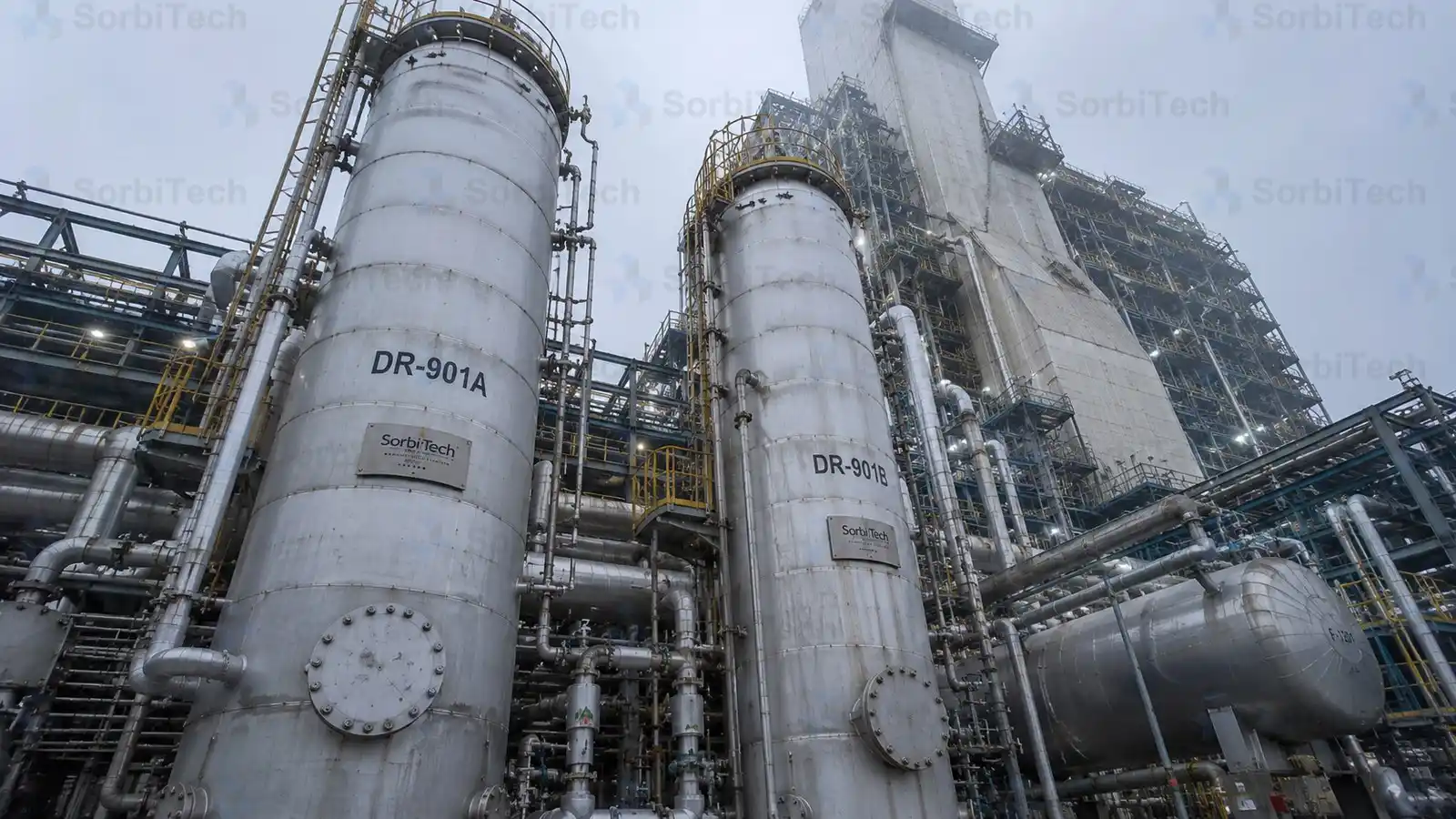
Drying ethylene cracked gas using 3A molecular sieve to protect downstream low temperature distillation and polymerisation catalysts from water poisoning and coke laydown.
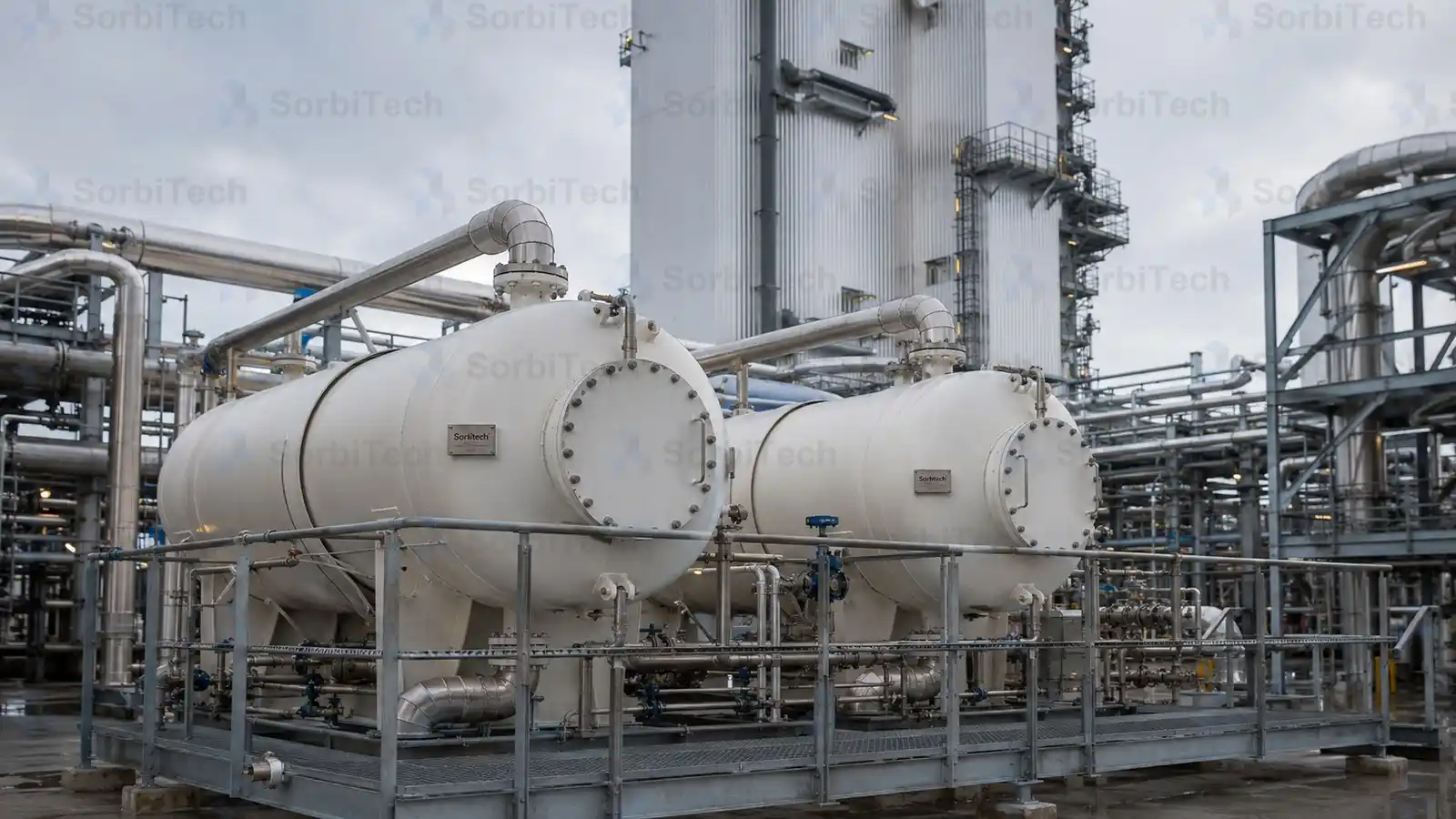
Pre purifying air feed to cryogenic air separation units by removing water, carbon dioxide, and trace hydrocarbons on a graded molecular sieve and activated alumina bed.
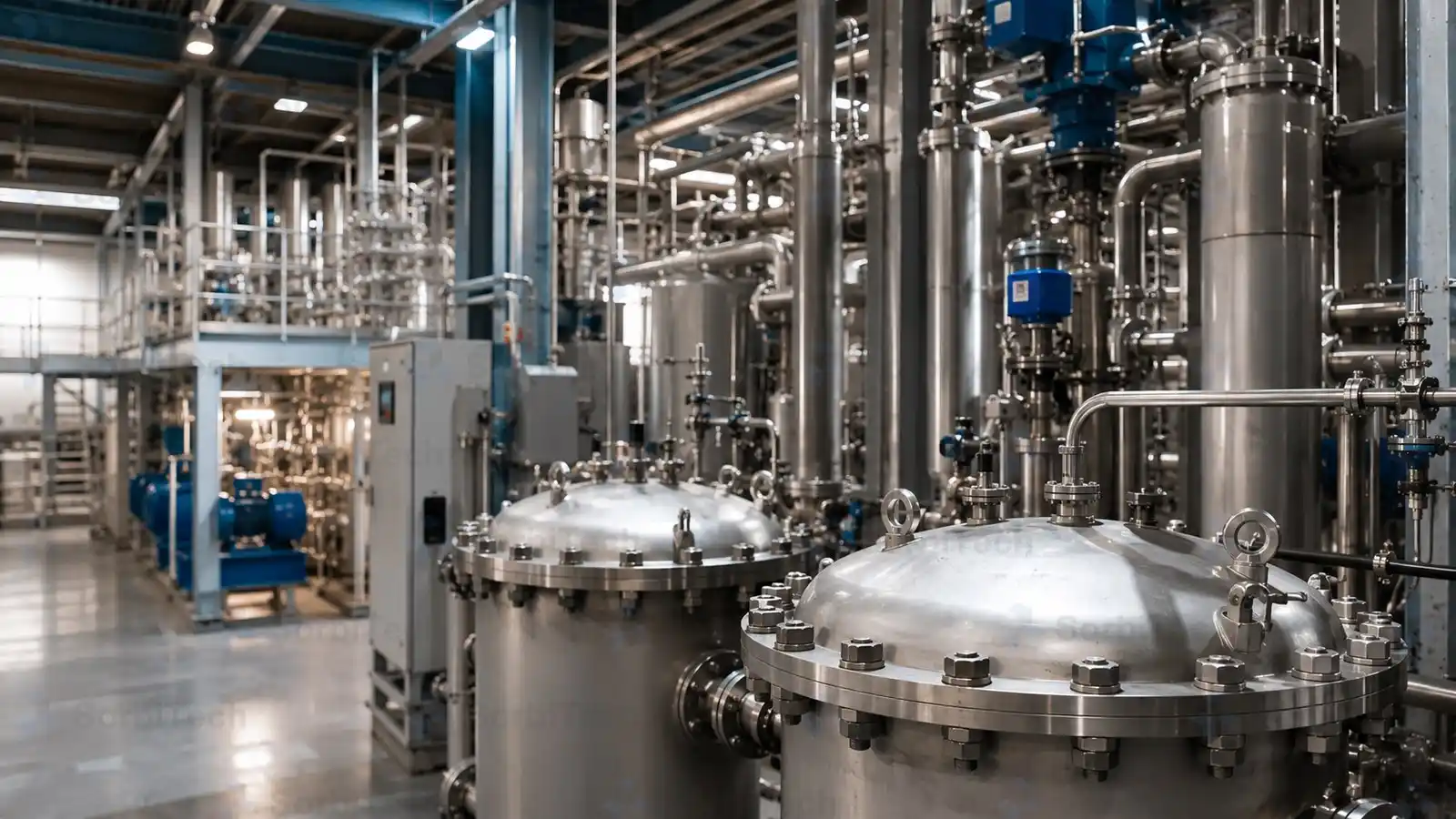
Breaking the ethanol water azeotrope using 3A molecular sieve to produce fuel grade anhydrous ethanol at 99.5 percent purity or higher for blending into gasoline.
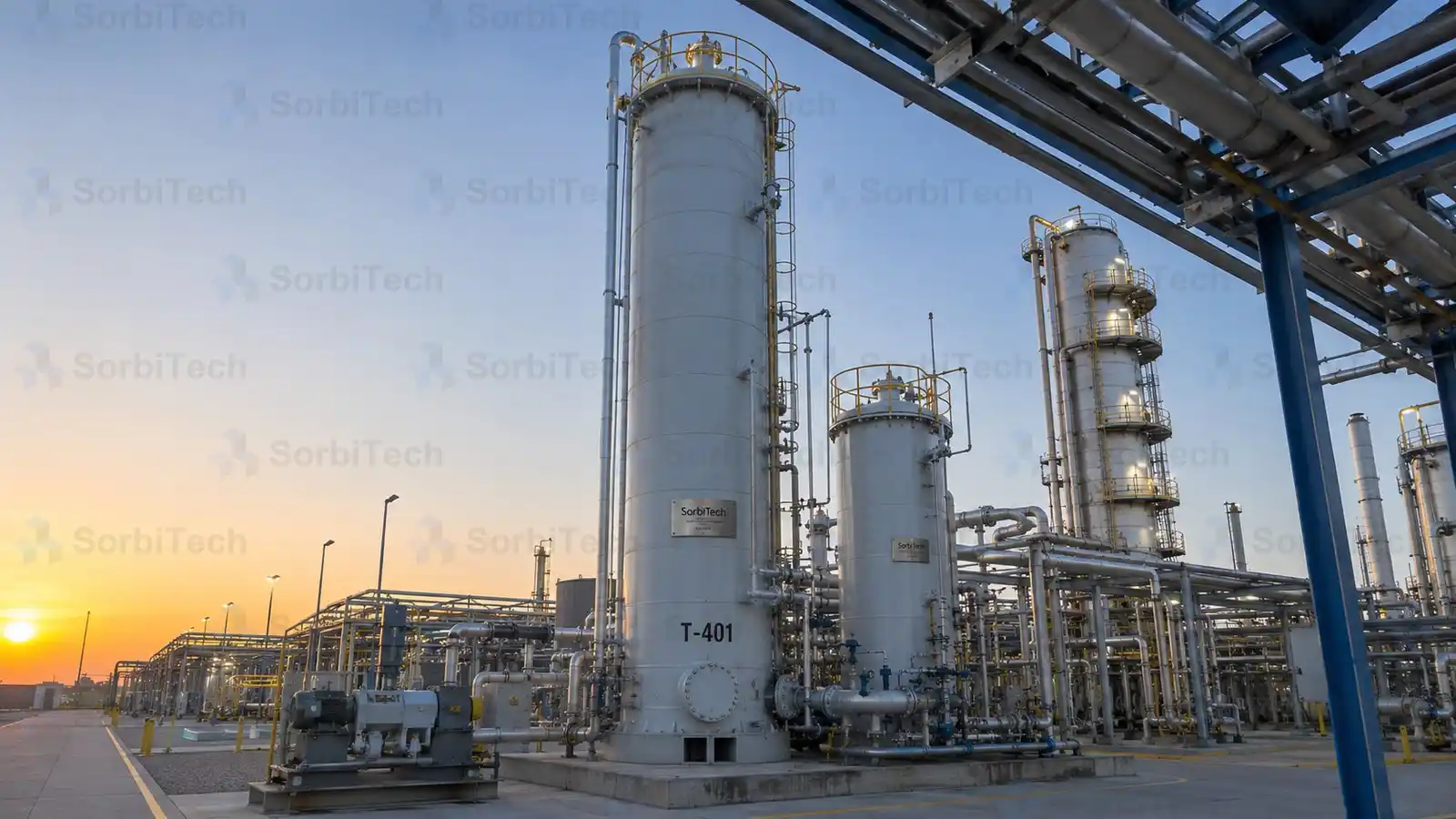
Removing hydrogen sulphide and carbon dioxide from natural gas and refinery streams using 13X molecular sieve TSA or impregnated activated carbon to meet pipeline and LNG specifications.
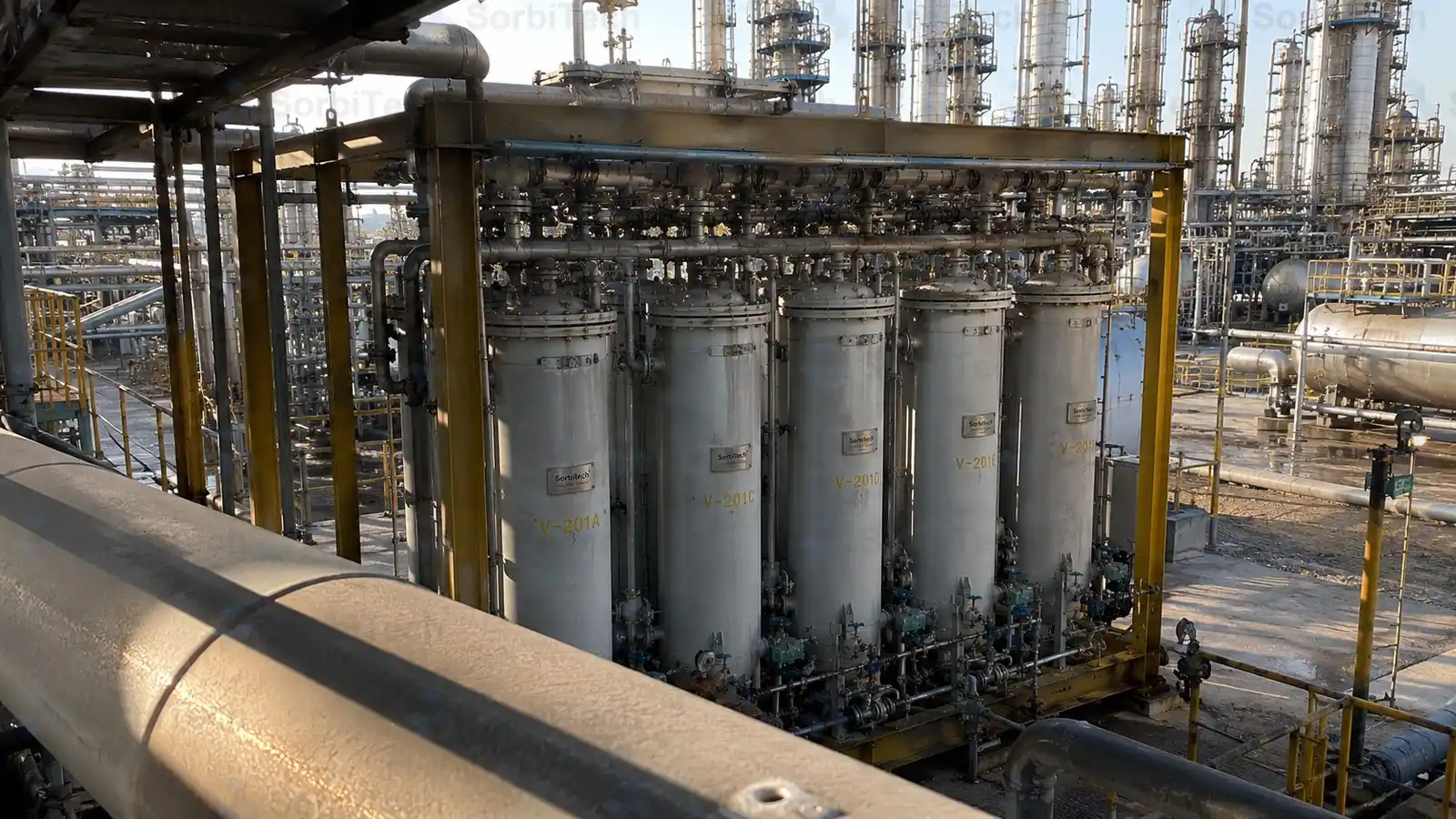
High purity hydrogen recovery from steam methane reformer off gas, chlor alkali by product gas, or electrolyser product using a layered adsorbent bed pressure swing adsorption cycle.
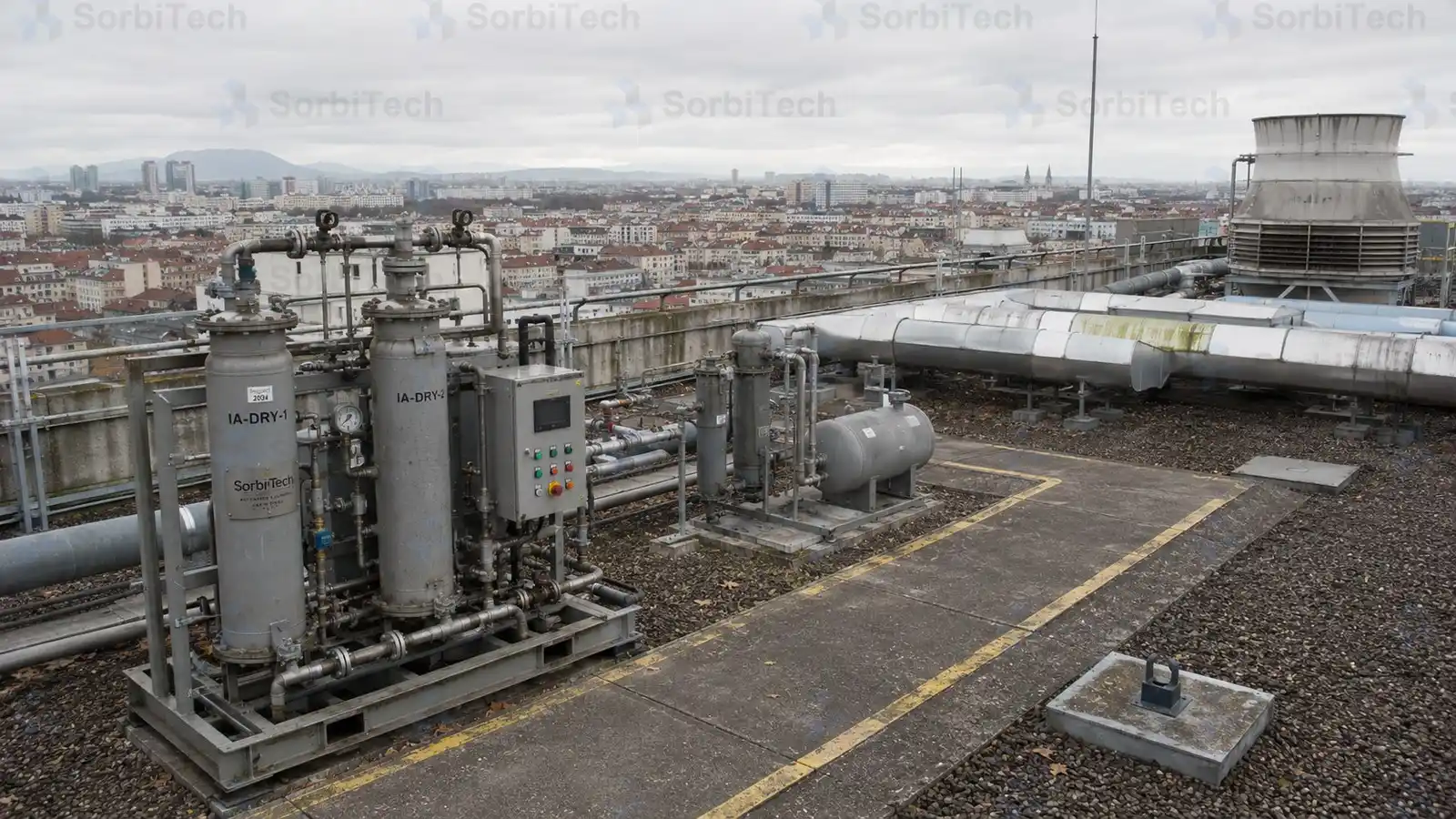
Heatless desiccant drying of compressed instrument air and plant air using activated alumina to deliver pressure dew points below minus 40 °C for DCS pneumatic systems.
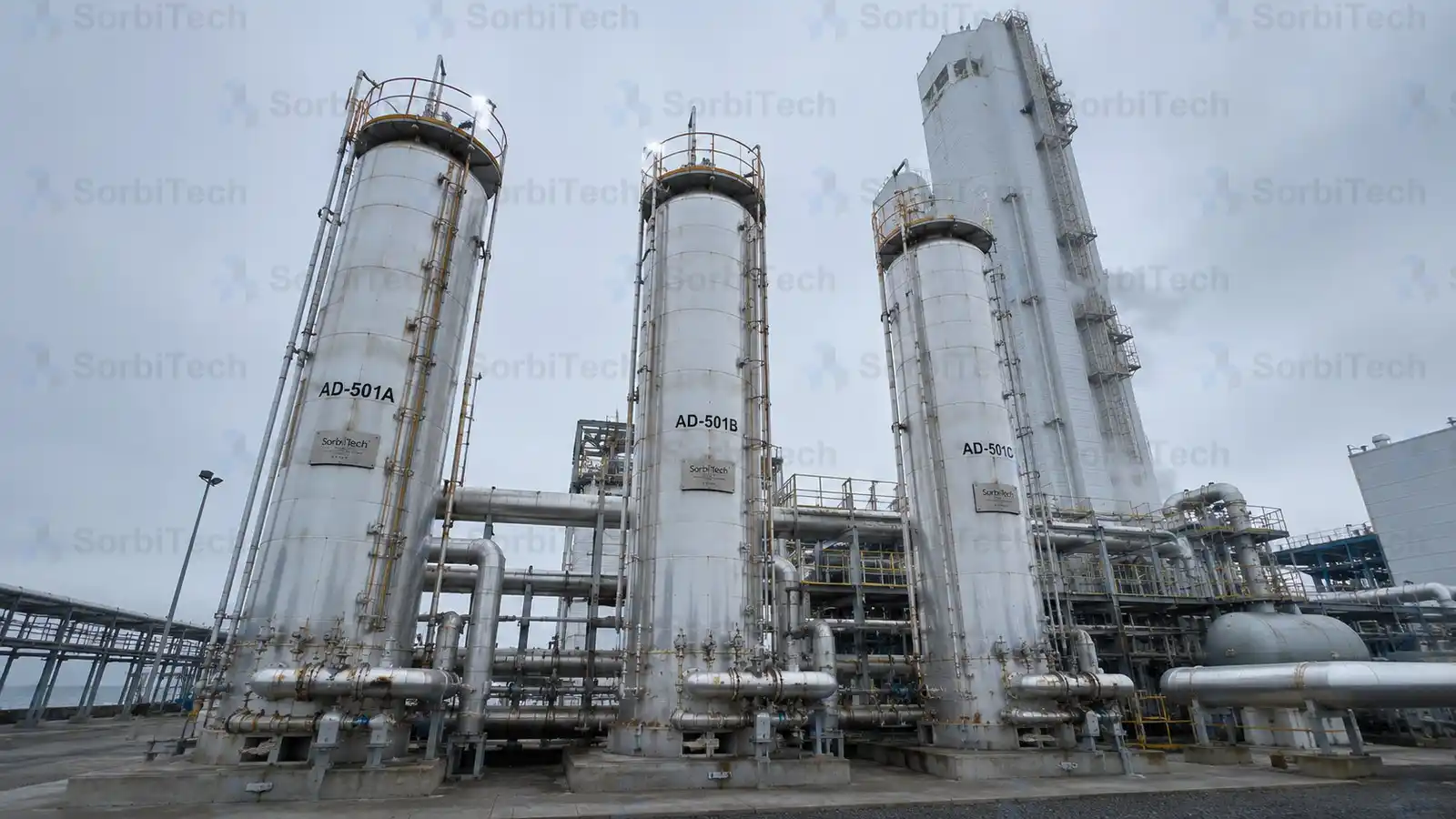
Removing water, carbon dioxide, mercury, and trace contaminants from natural gas feed to LNG liquefaction trains using 13X molecular sieve and impregnated guard beds.
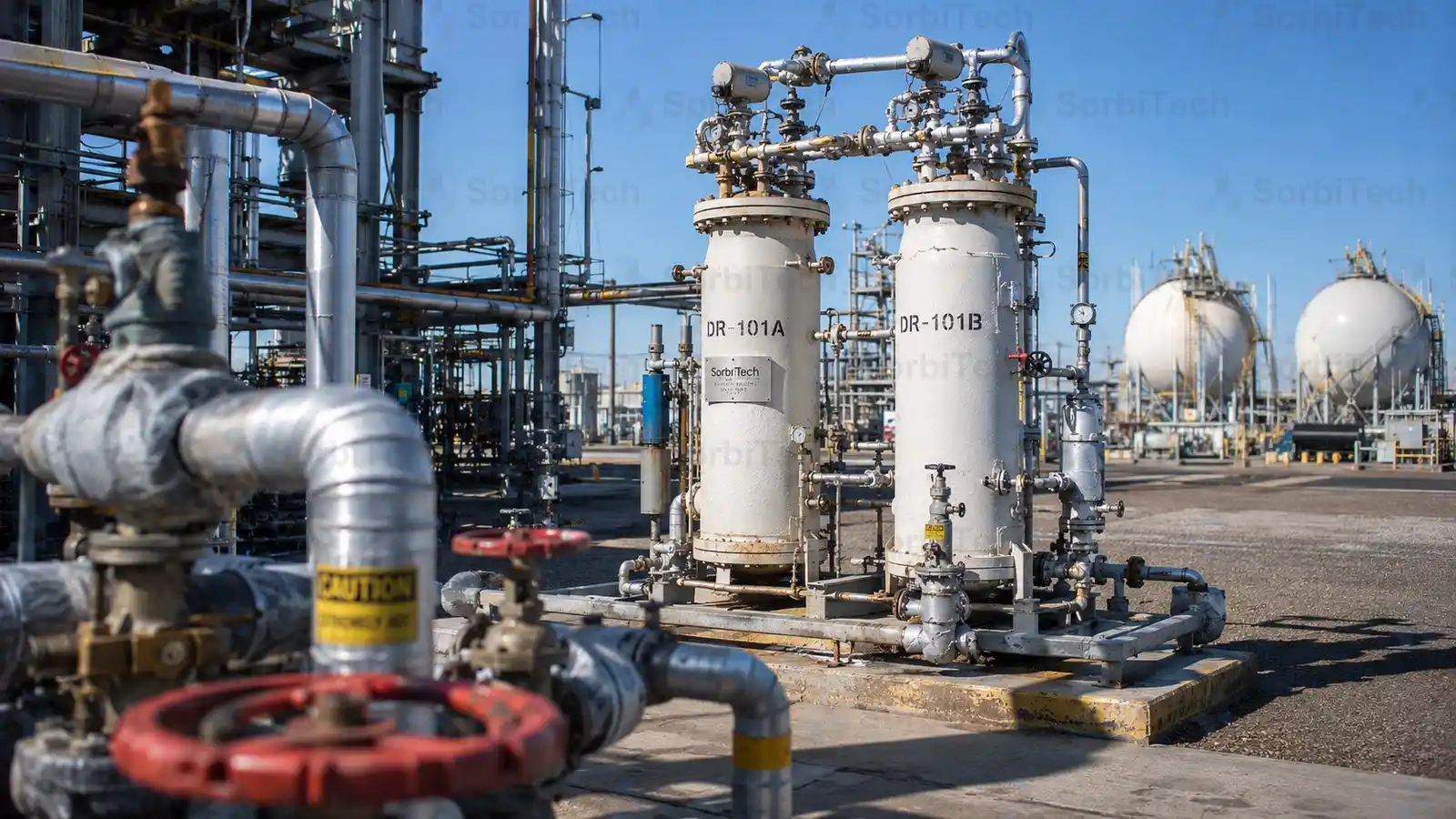
Drying and sulphur removal from liquefied petroleum gas (LPG), propane, and butane streams using 3A molecular sieve and impregnated activated carbon to meet pipeline and storage specifications.
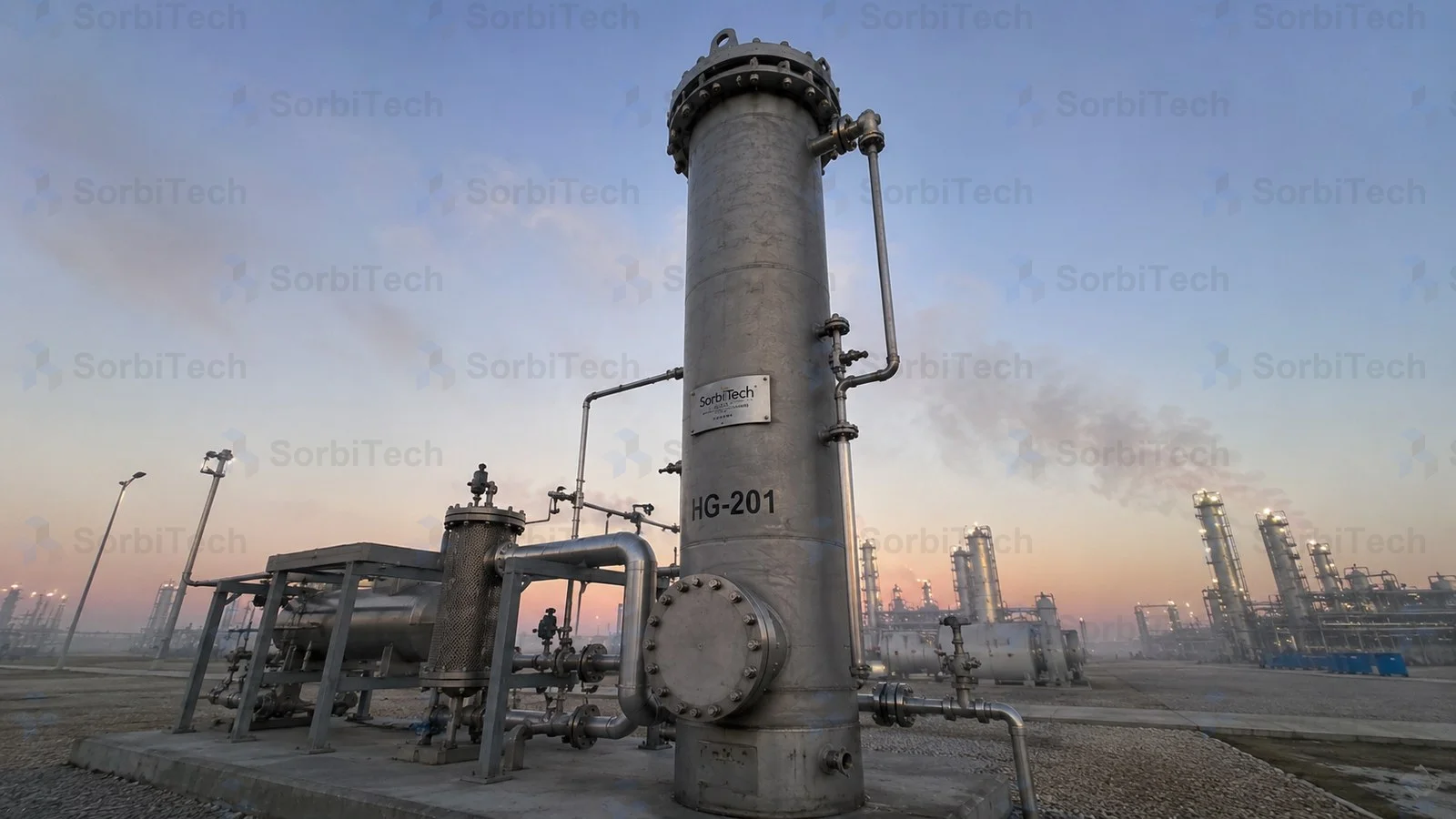
Sulphur impregnated activated carbon mercury removal from natural gas, condensate, and refinery streams to protect cryogenic and brazed aluminium equipment from mercury amalgam attack.
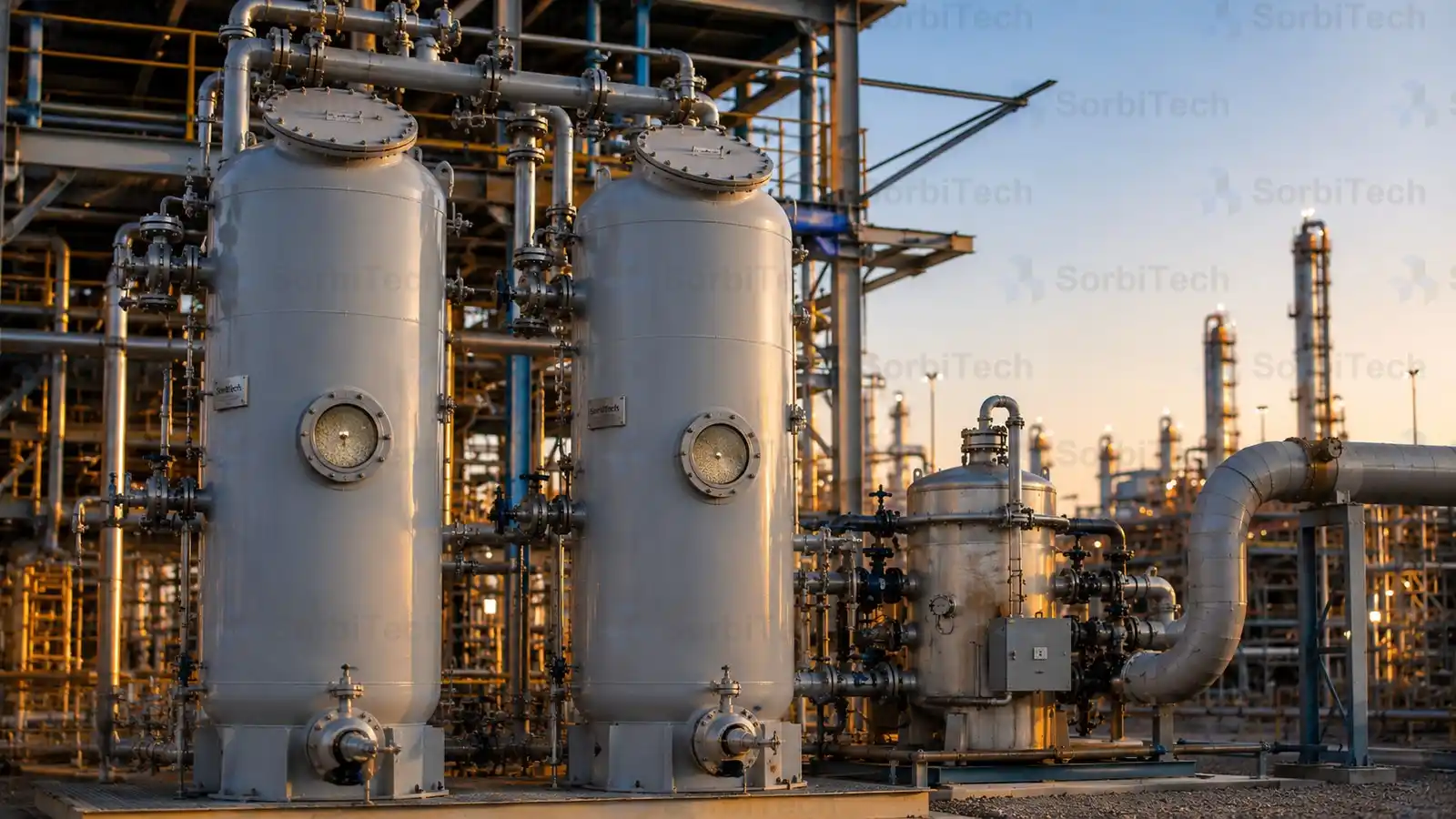
Removing water vapour from natural gas to prevent hydrates and corrosion and to meet pipeline dew point specification, using molecular sieve TSA adsorption.
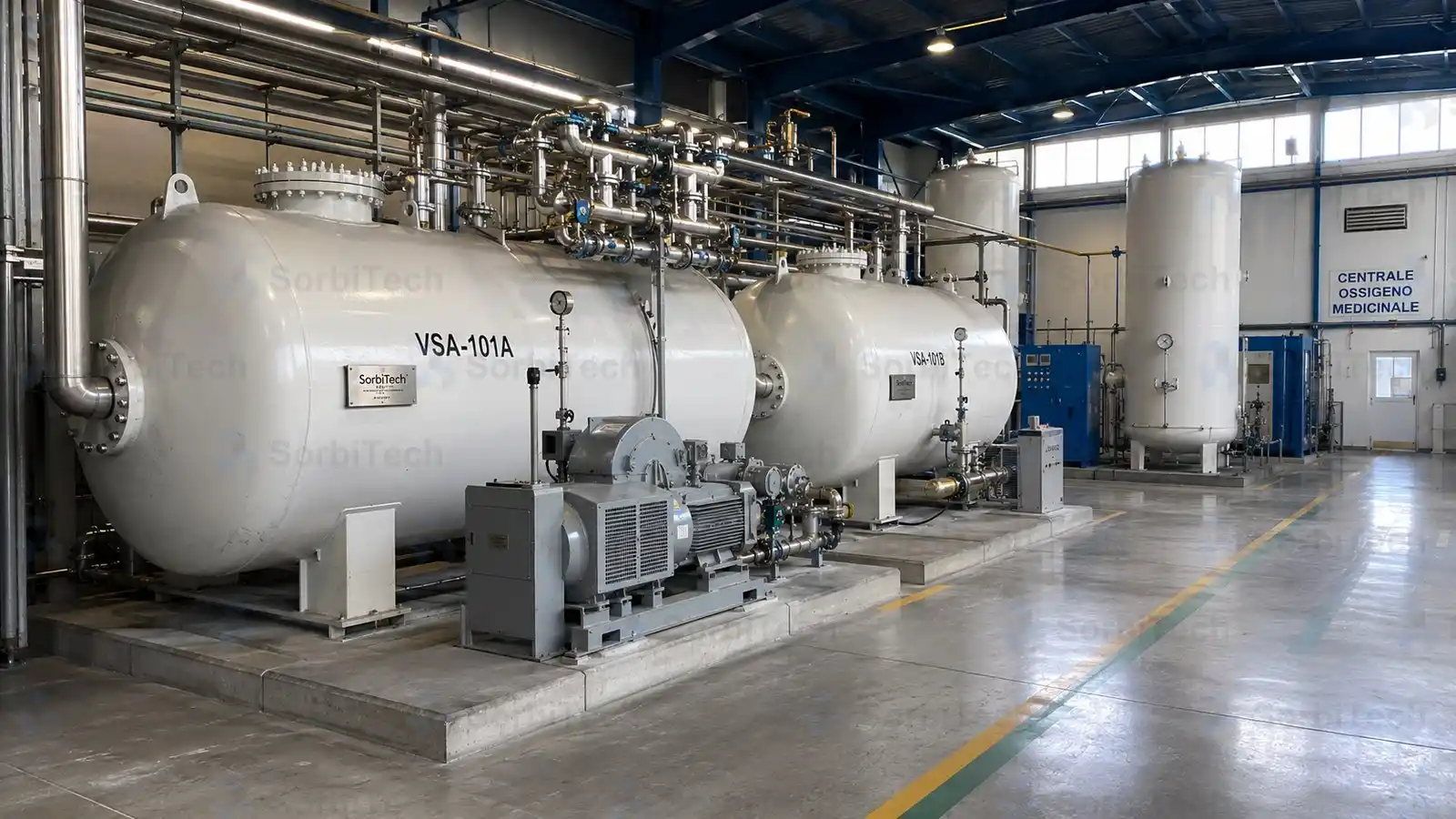
On site oxygen generation by pressure swing or vacuum pressure swing adsorption using lithium exchanged X zeolite for medical, aquaculture, ozone, and metals applications.
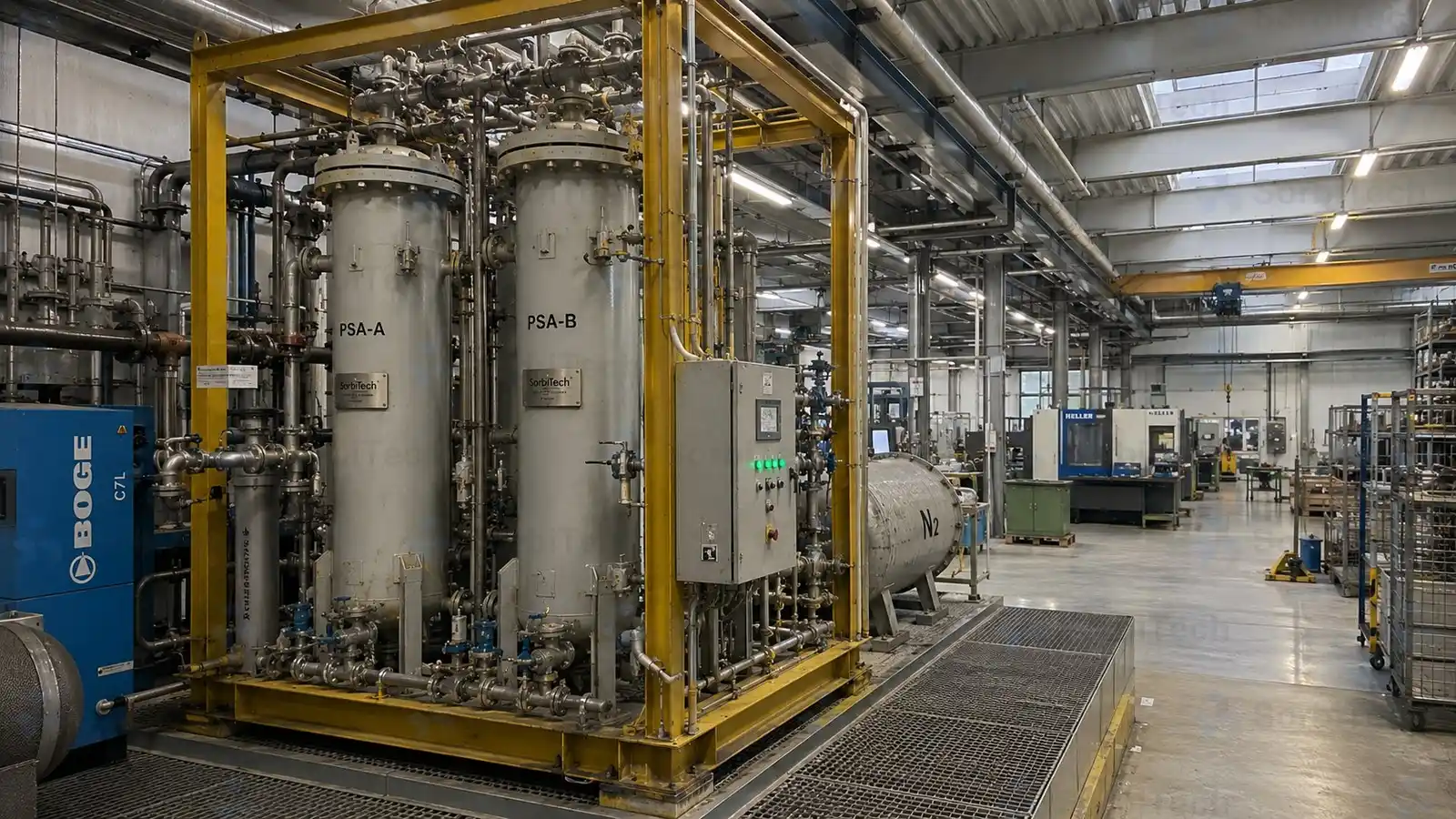
Generating high purity nitrogen on site from compressed air, using carbon molecular sieve in a pressure swing adsorption cycle, for blanketing, purging, and inerting.
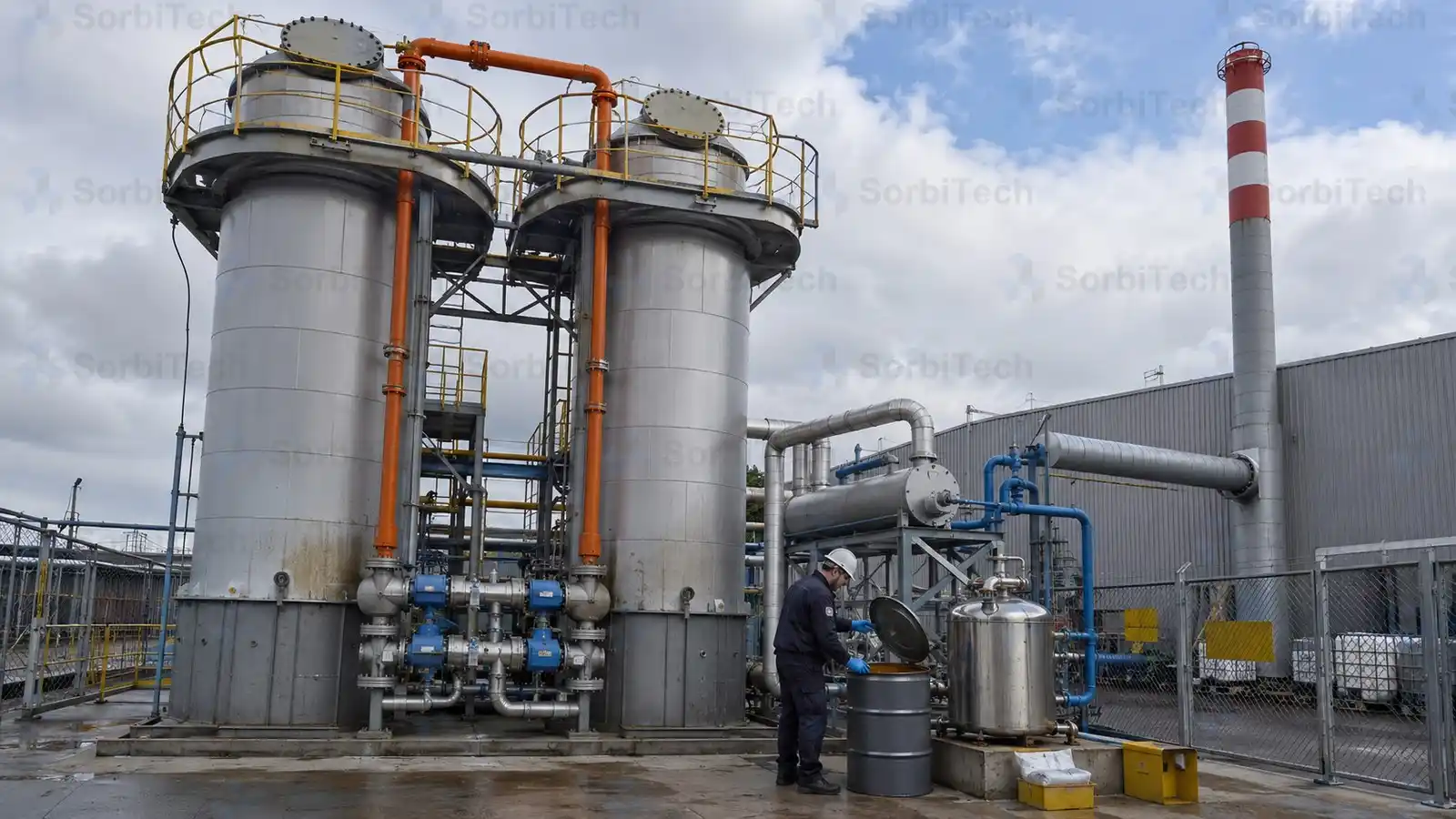
Solvent vapor recovery using twin tower pellet activated carbon adsorbers with steam or vacuum regeneration to capture and recover volatile organic solvents from process and printing vents.
Separating oil, water, and solids to meet reuse, reinjection, or discharge limits. Covers produced water treatment, refinery effluent, API and CPI separation, and vehicle wash water recycling.
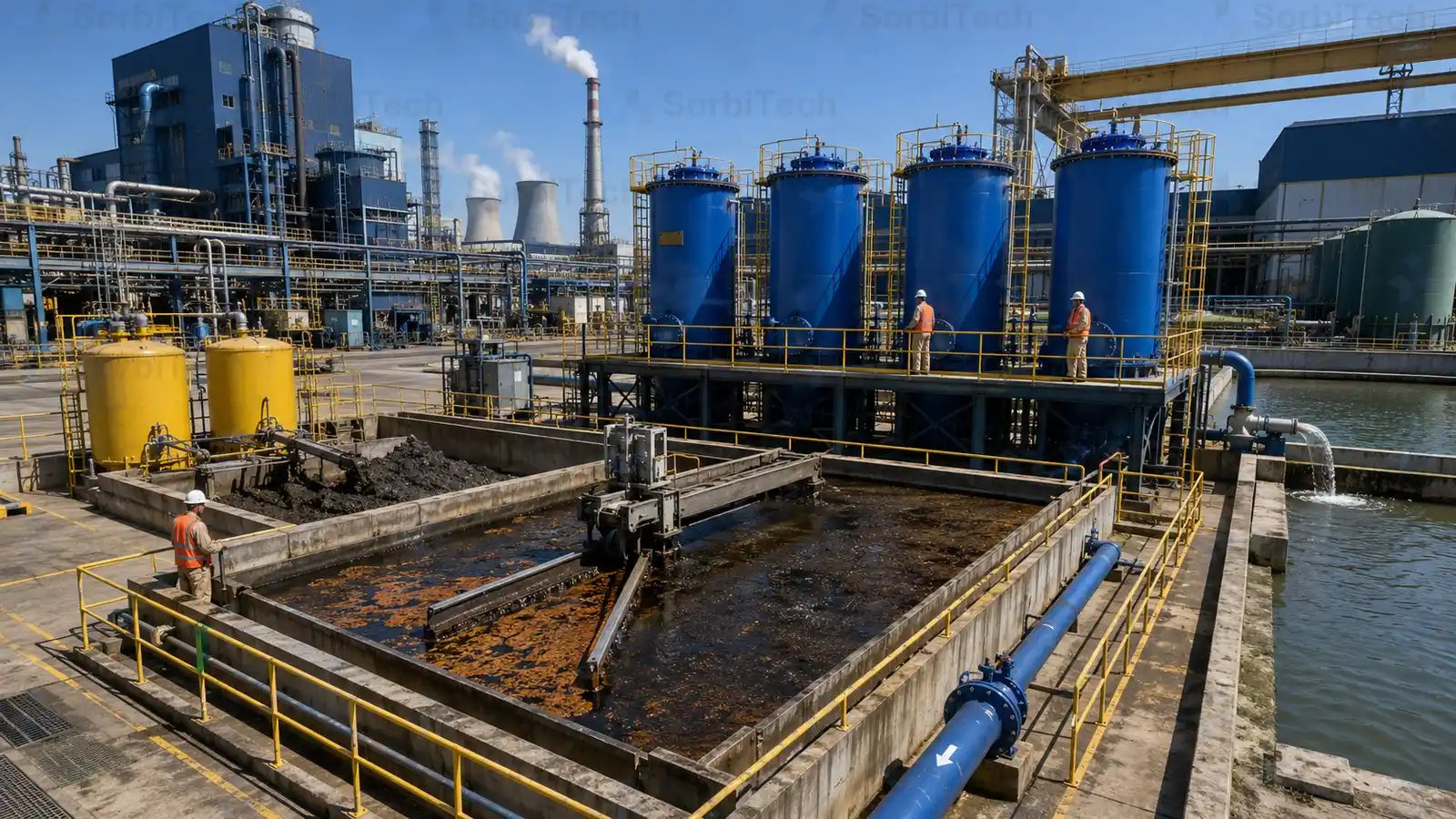
API standard oil water separator and municipal stormwater interceptor for refinery effluent, industrial site runoff, and urban stormwater carrying petroleum hydrocarbons.
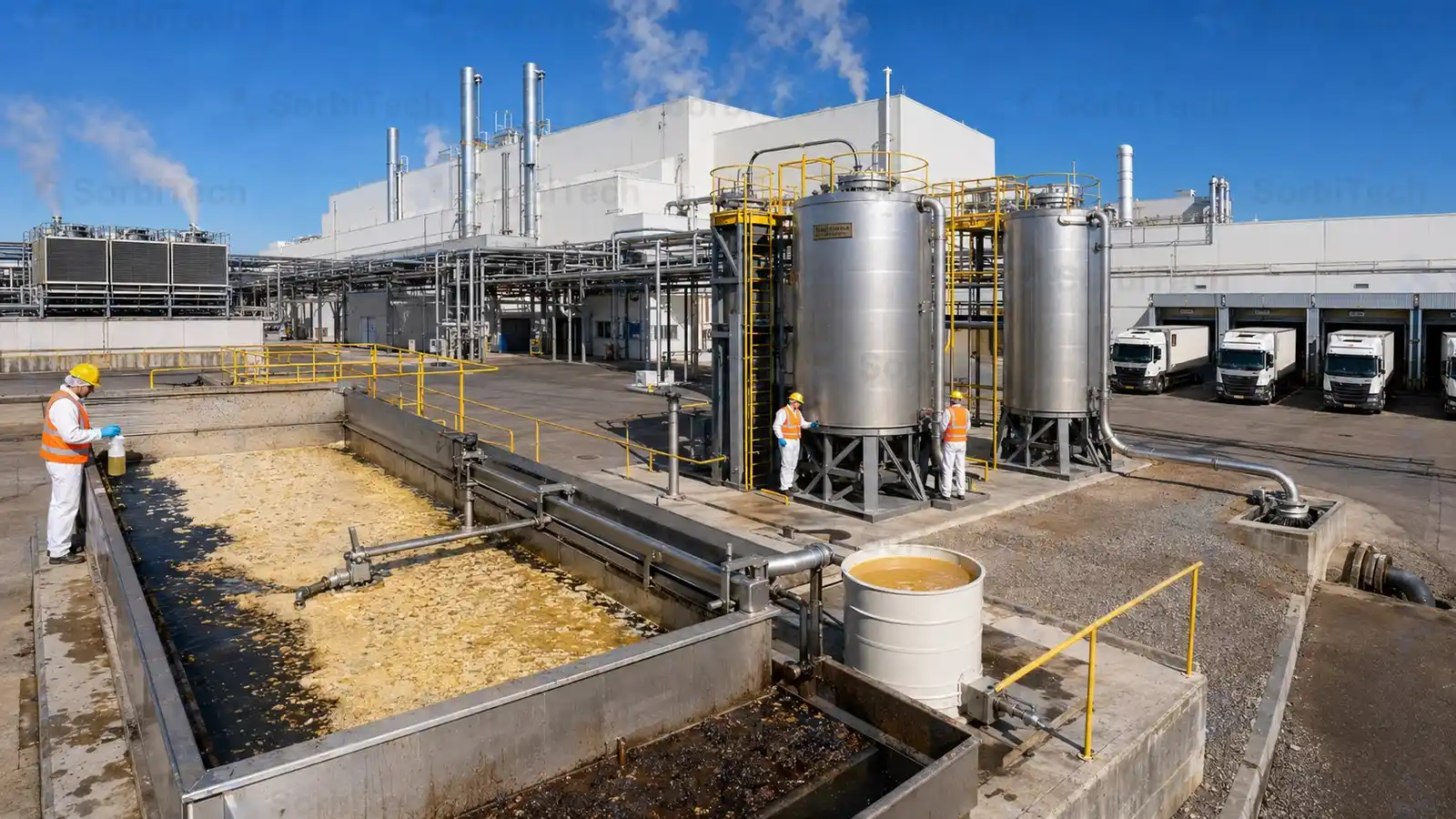
Grease interceptor for commercial kitchens, restaurants, food courts, and institutional catering to capture fat, oil, and grease before discharge to the municipal sewer.
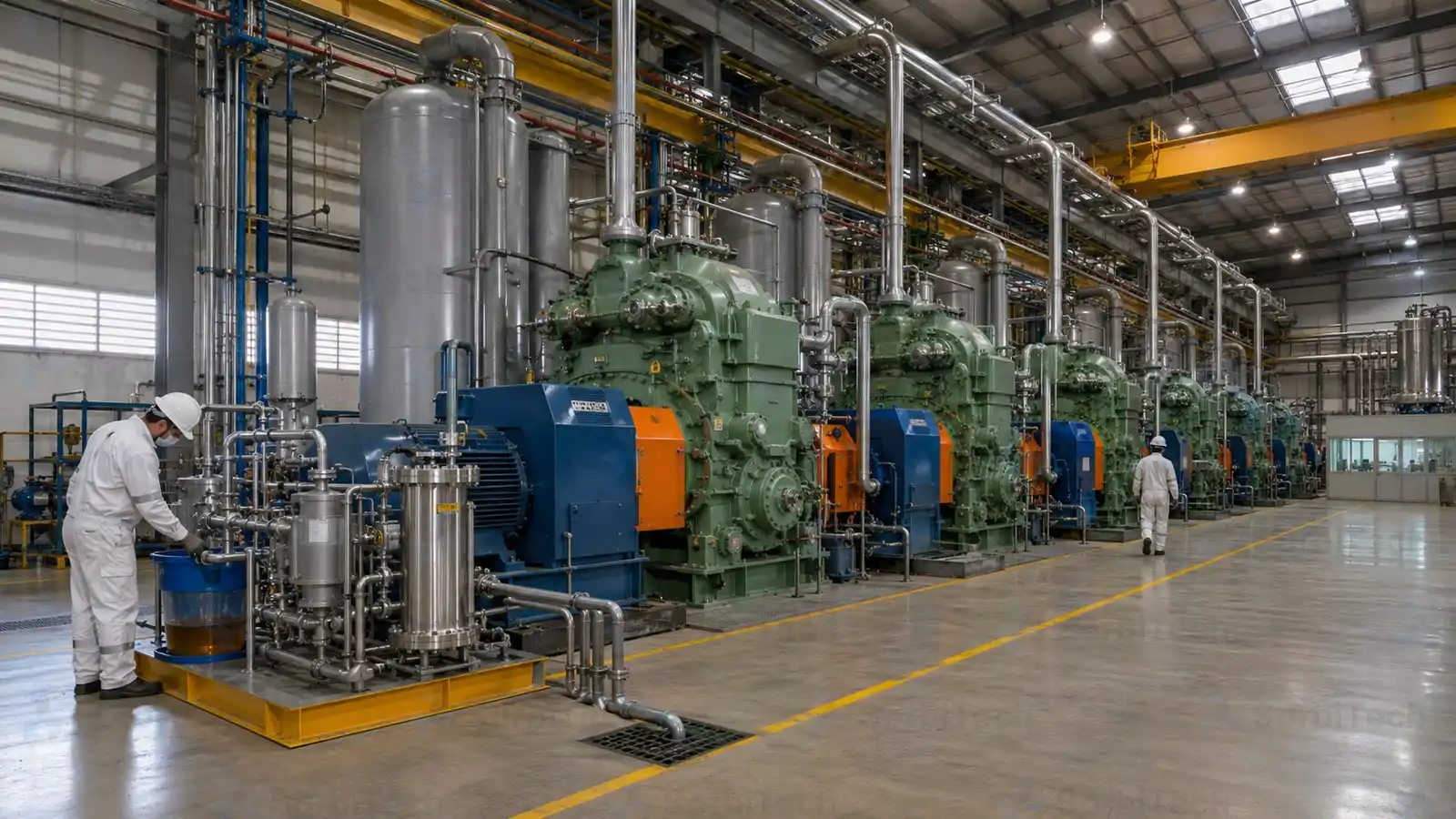
Treating oil contaminated condensate from compressed air systems using compact oil water separation and activated carbon polishing to meet municipal sewer discharge.
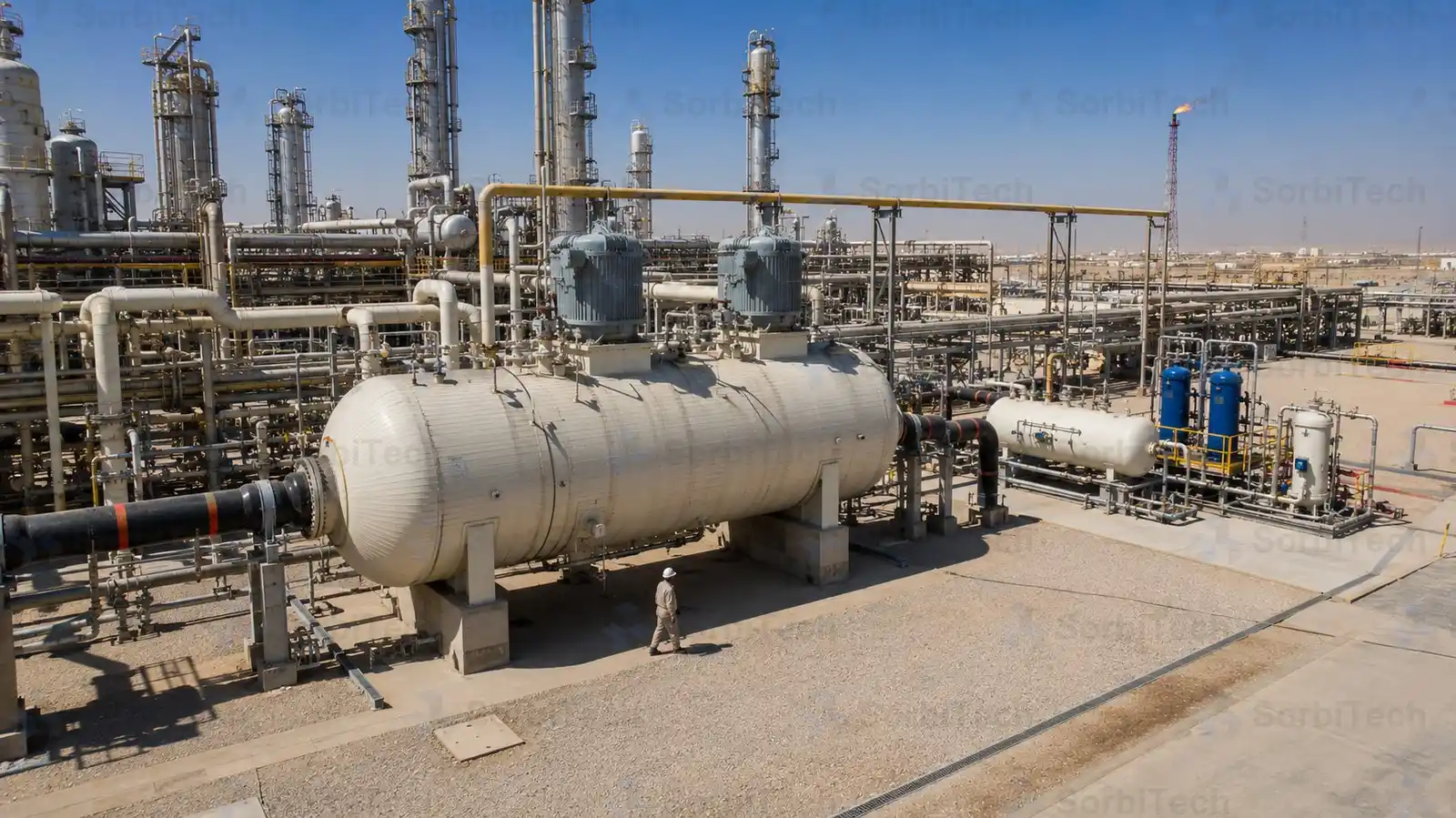
Removing salt, water, and solids from crude oil at the refinery inlet using electrostatic coalescing and downstream effluent treatment of the desalter brine.
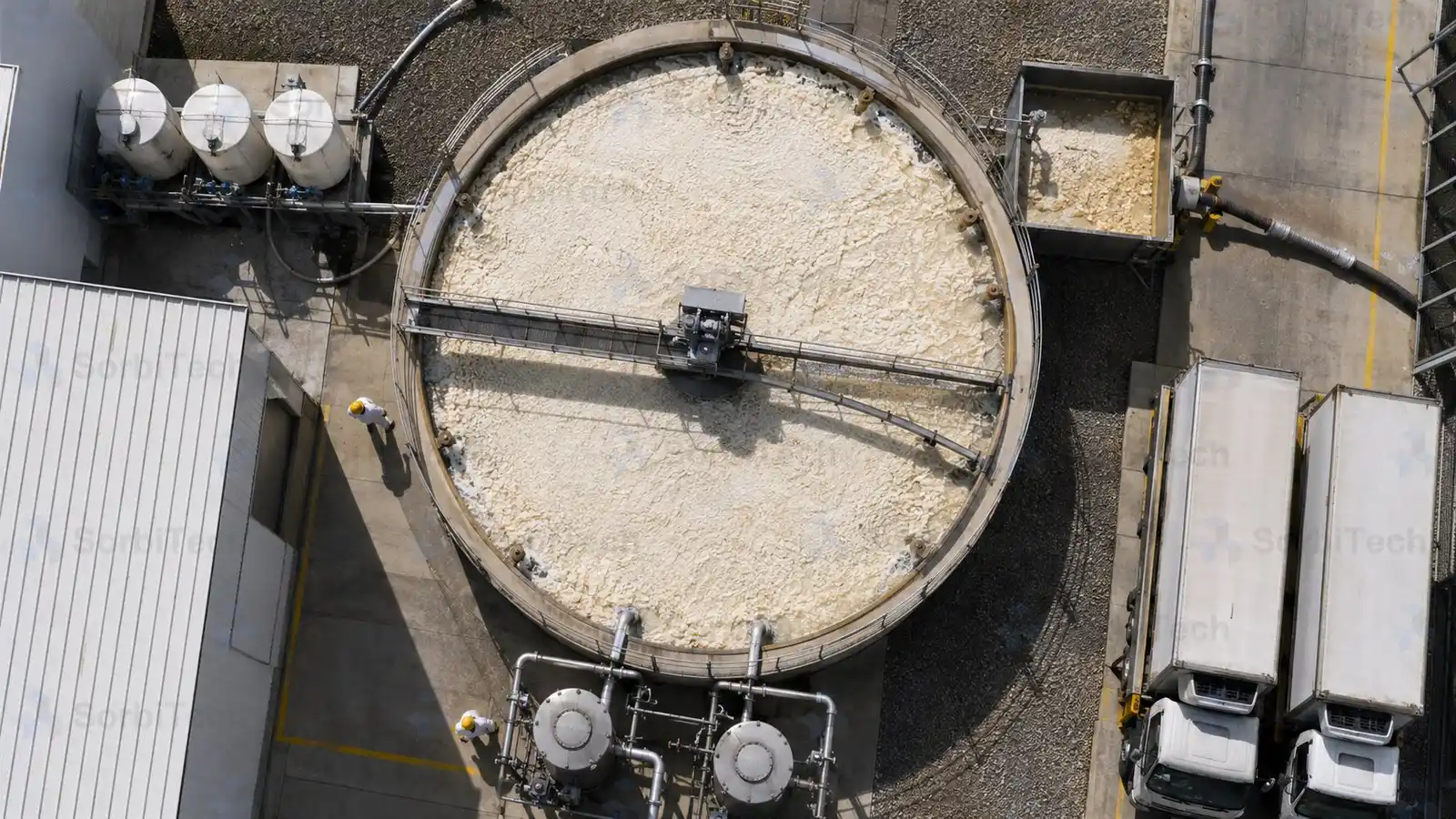
Treatment of food processing wash water from meat, poultry, dairy, and vegetable processing using DAF, grease interception, and activated carbon polishing to meet sewer discharge.
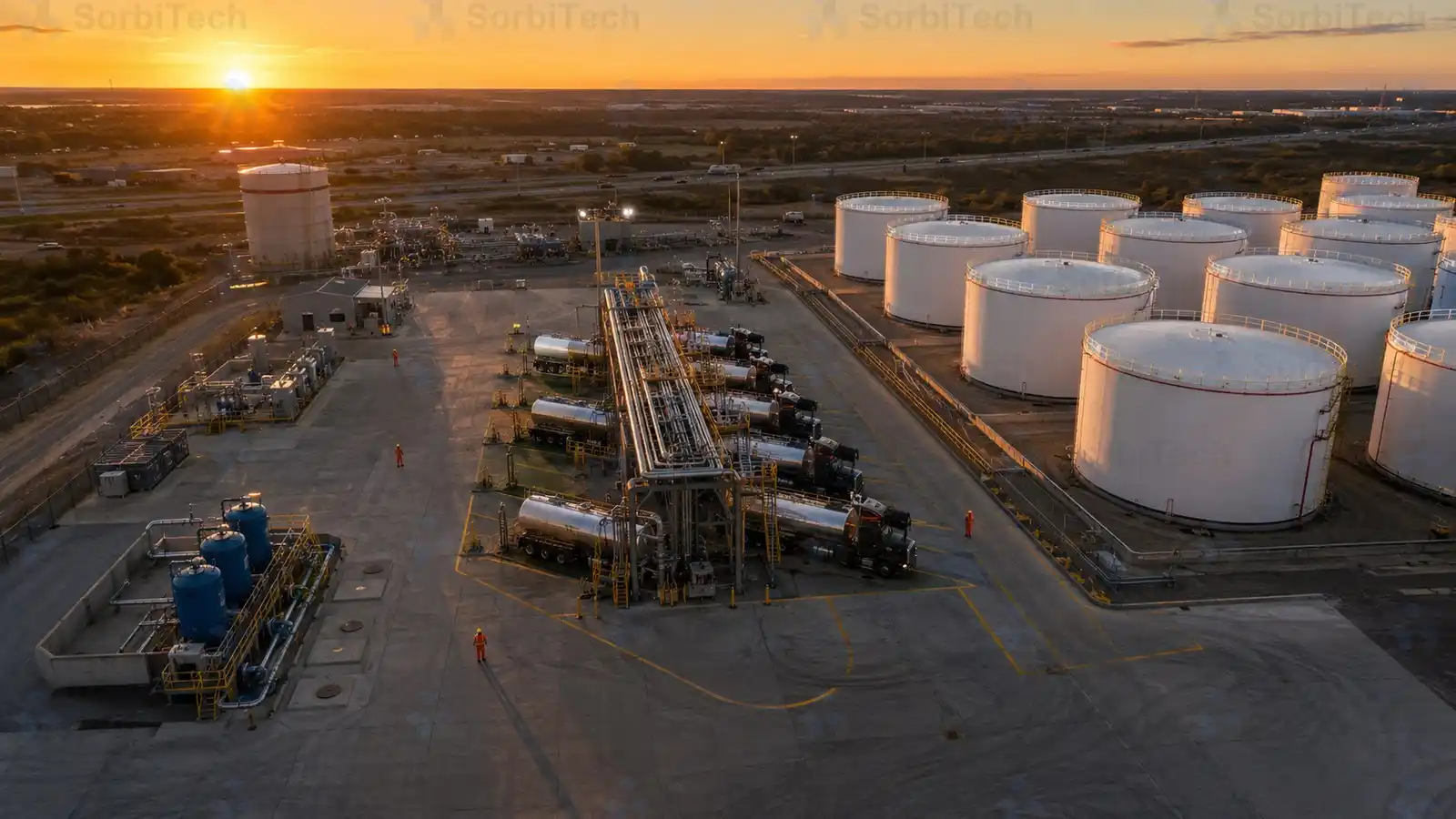
Buried CPI oil water interceptor for fuel forecourt runoff at gas stations, fuel terminals, and transport refuelling sites to meet municipal sewer discharge on petroleum hydrocarbons.
Removing oil, grease, and dispersed hydrocarbons from industrial wastewater using CPI separation and coalescing polishing to meet sewer discharge or reuse specifications.
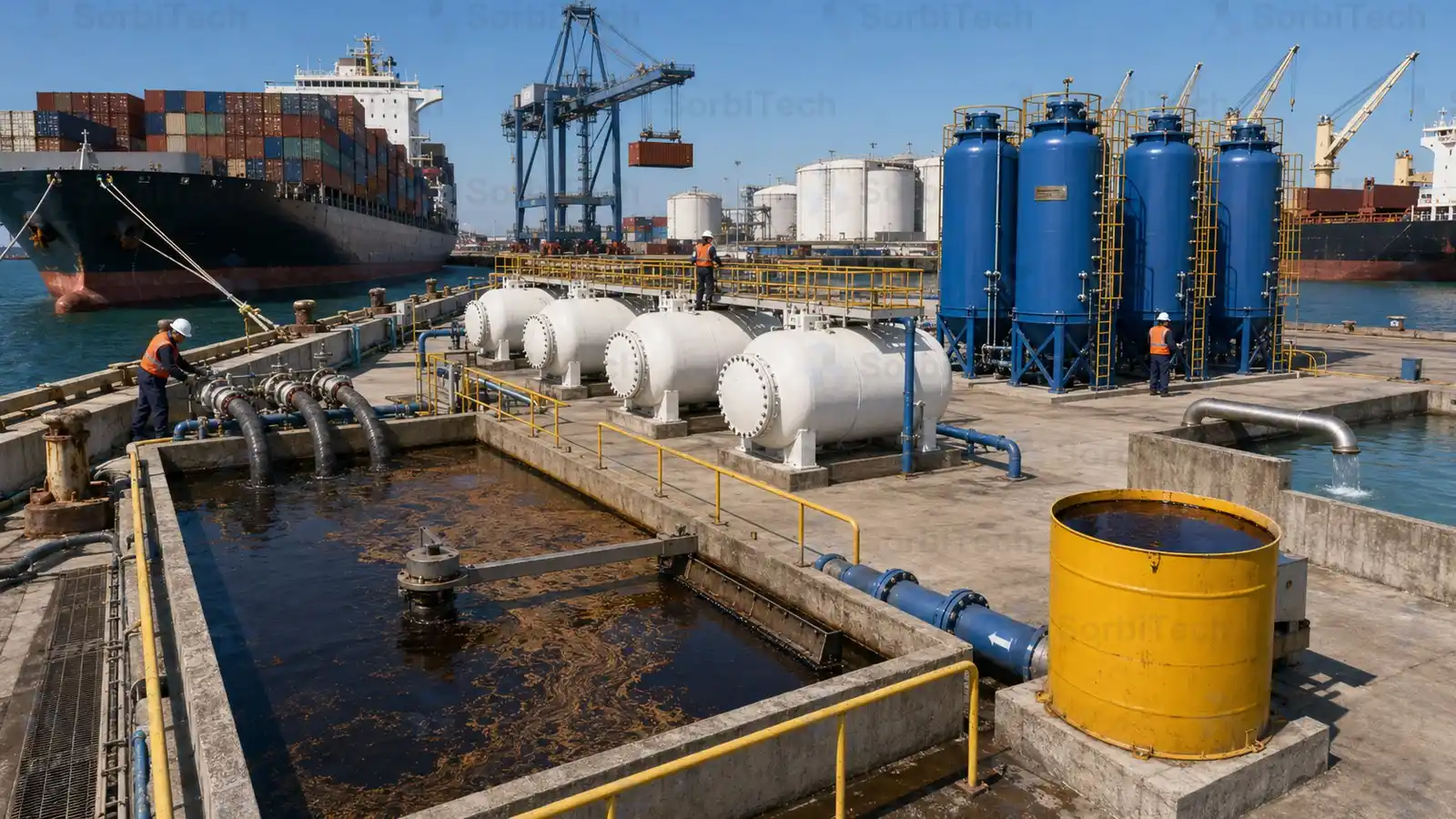
MEPC 107(49) compliant marine bilge water treatment using coalescing separation and activated carbon polishing to meet the IMO 15 ppm oil in water discharge limit.
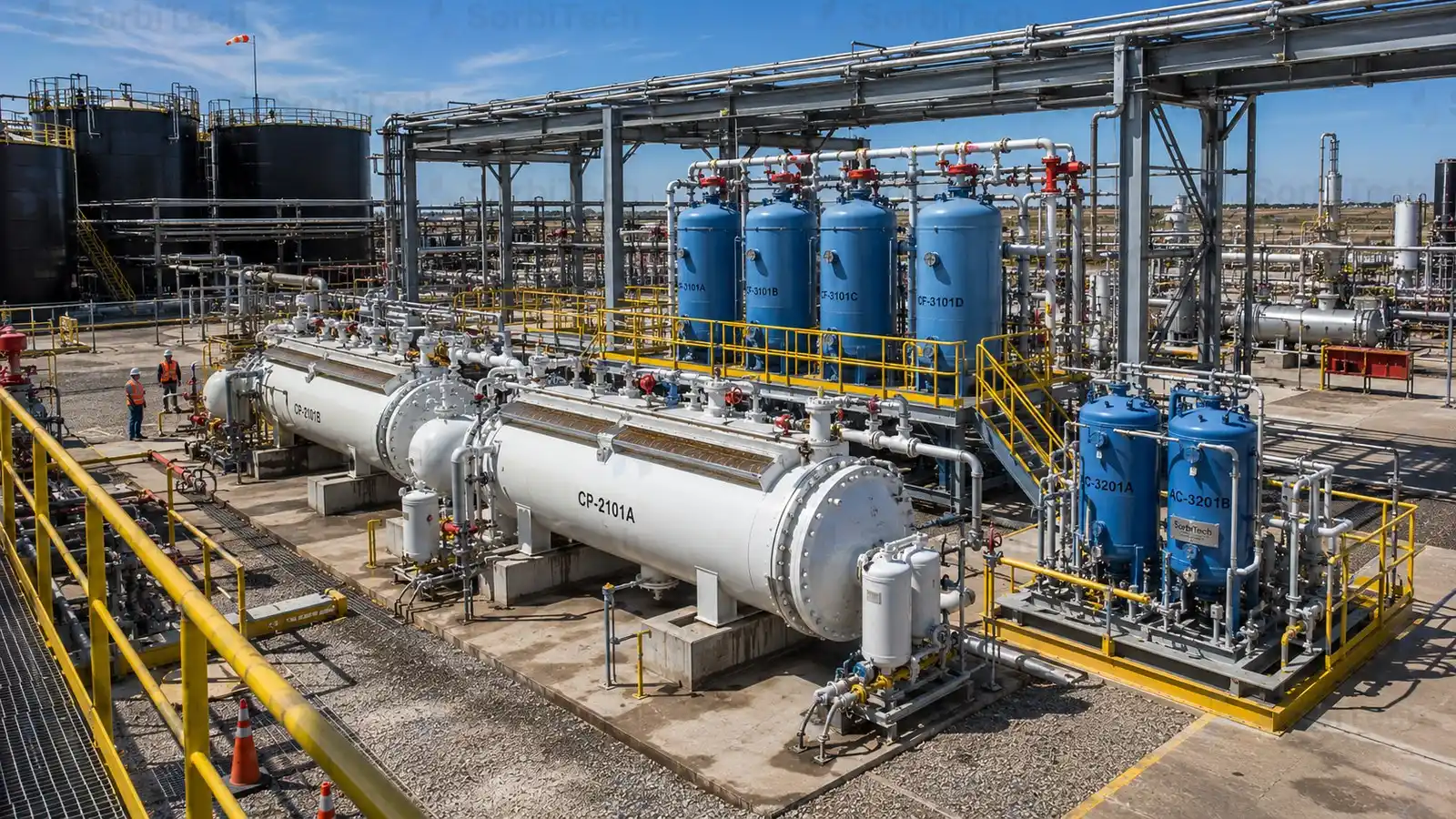
Removing oil and solids from oilfield produced water to meet reinjection or discharge limits, using staged gravity separation, coalescing, and polishing.
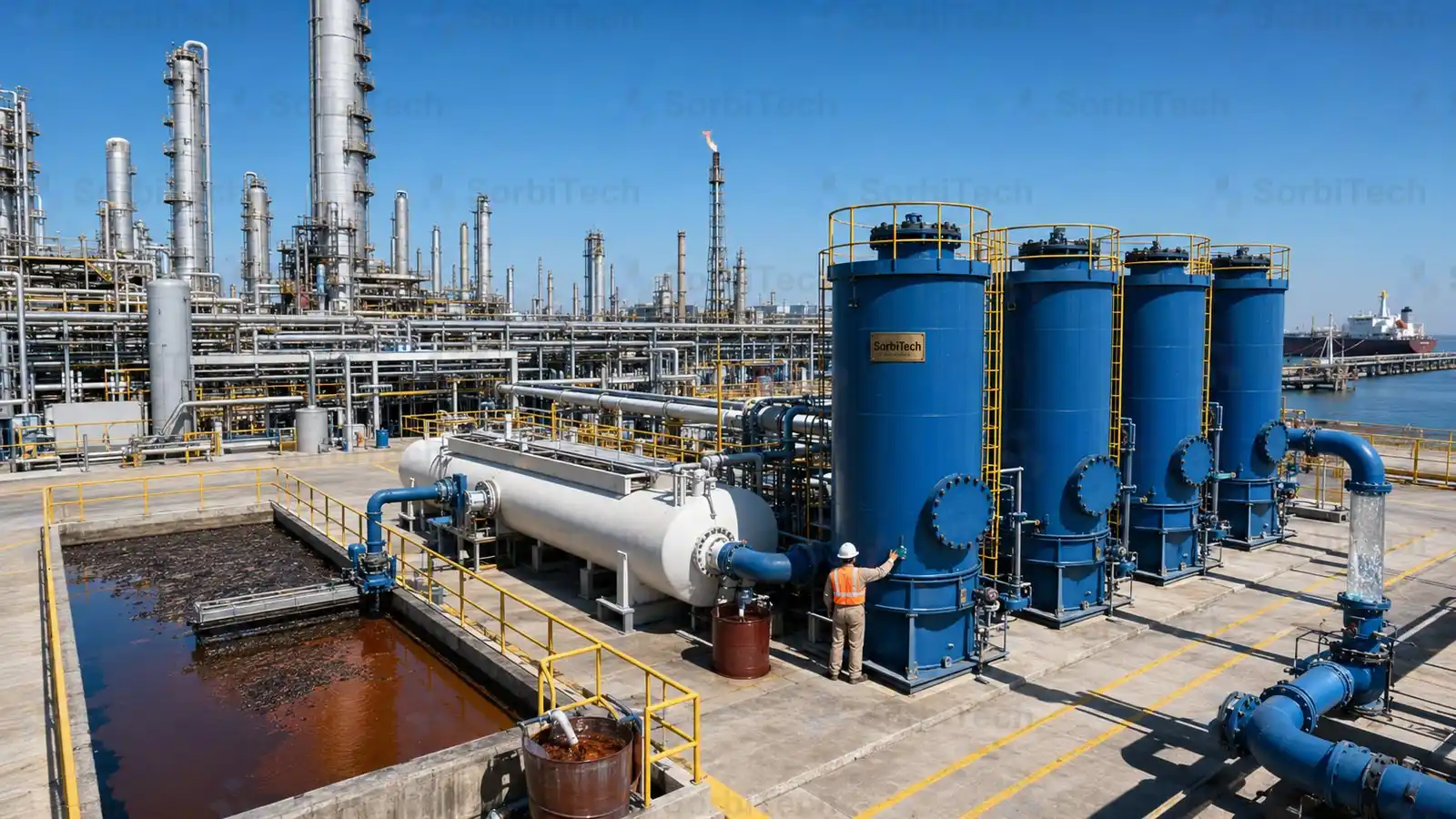
Multi stage treatment of refinery effluent combining CPI gravity separation, coalescing polishing, and activated carbon adsorption to meet discharge consent on petroleum hydrocarbons.
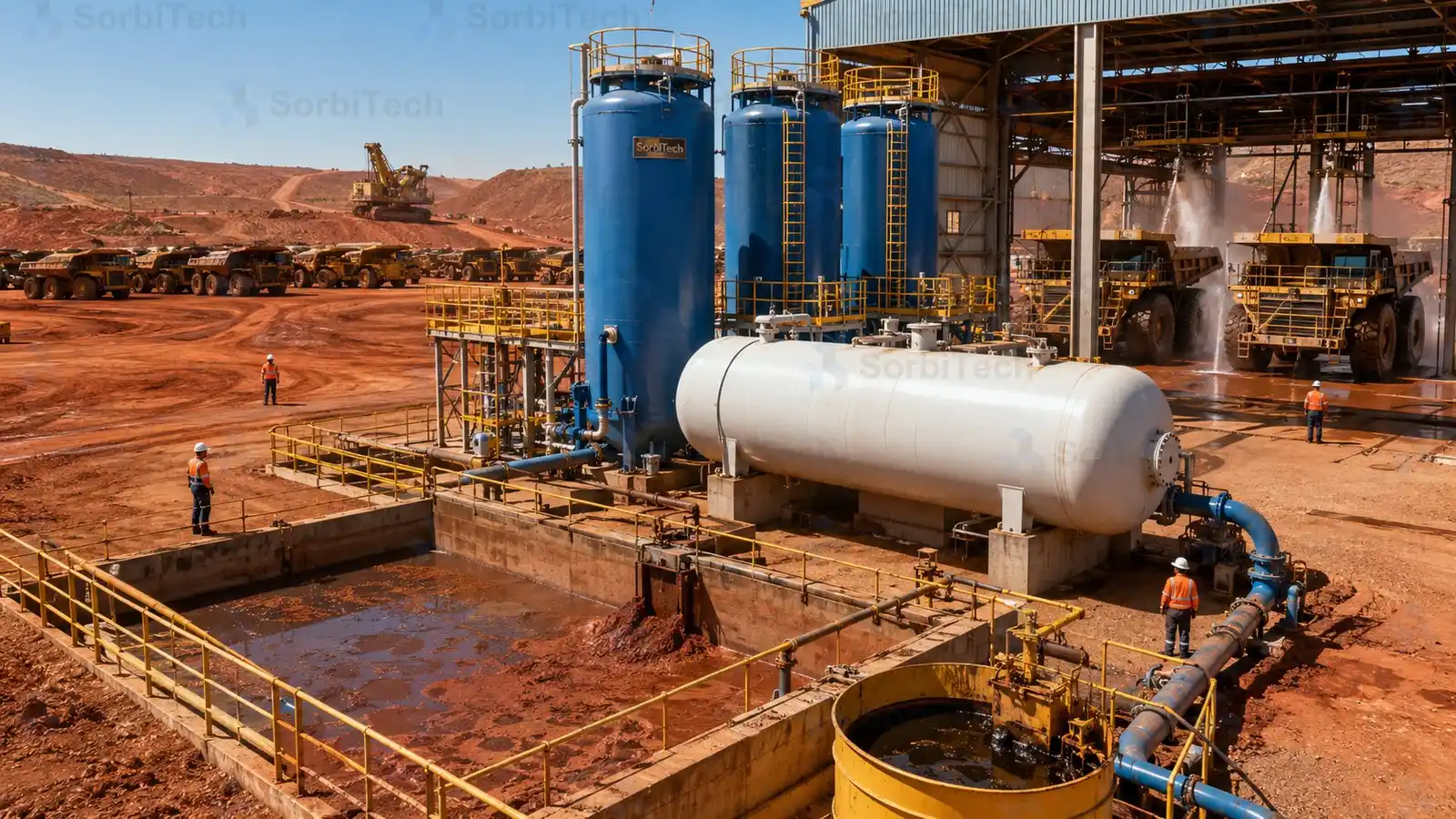
Wash water recycling for truck, bus, and heavy equipment wash bays handling the higher hydrocarbon and solids load from commercial vehicles and construction equipment.
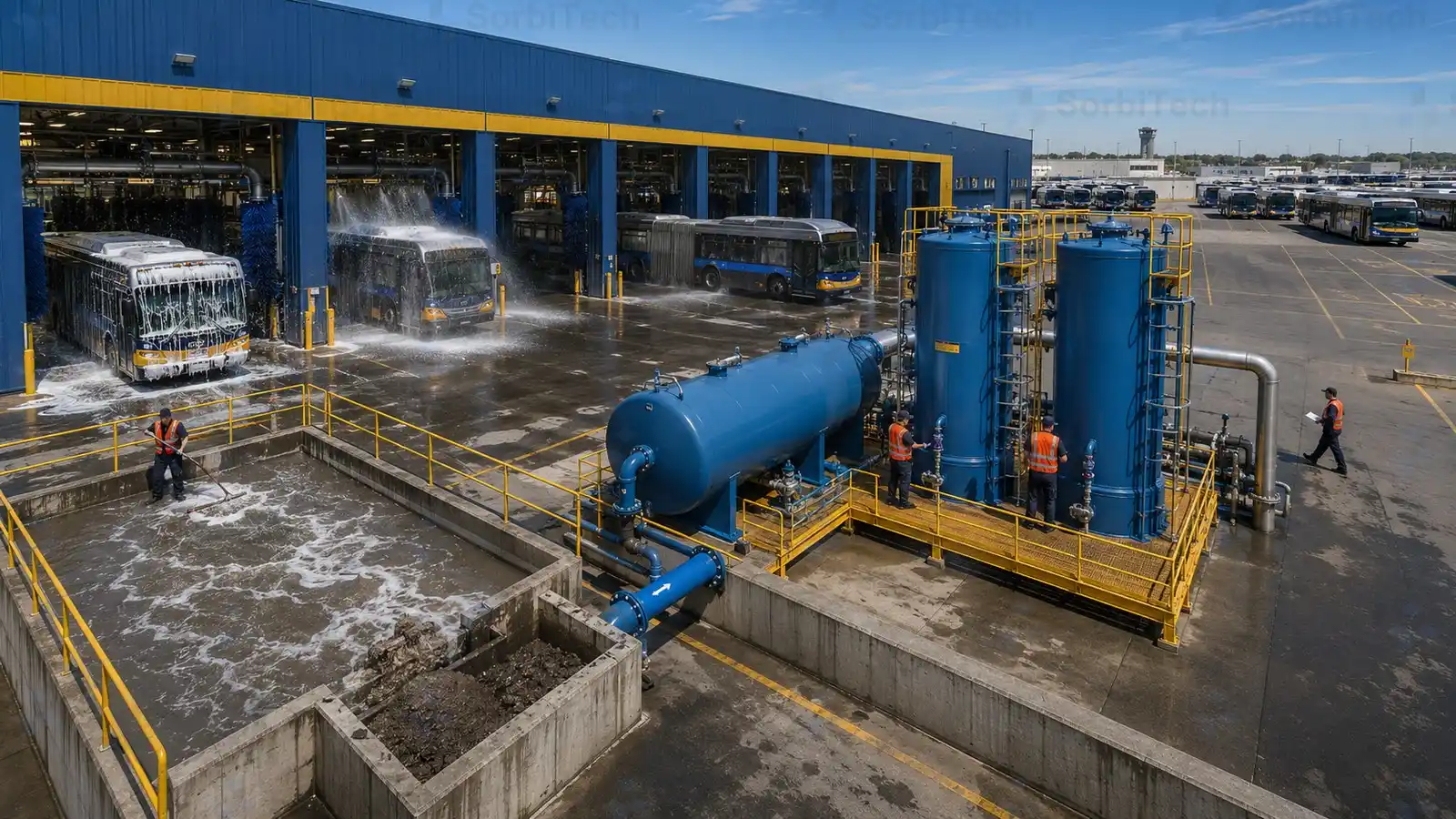
Recycling car wash and light vehicle wash water using staged CPI separation, coalescing polishing, and activated carbon polishing to cut fresh water purchase and sewer discharge by 50 to 70 percent.
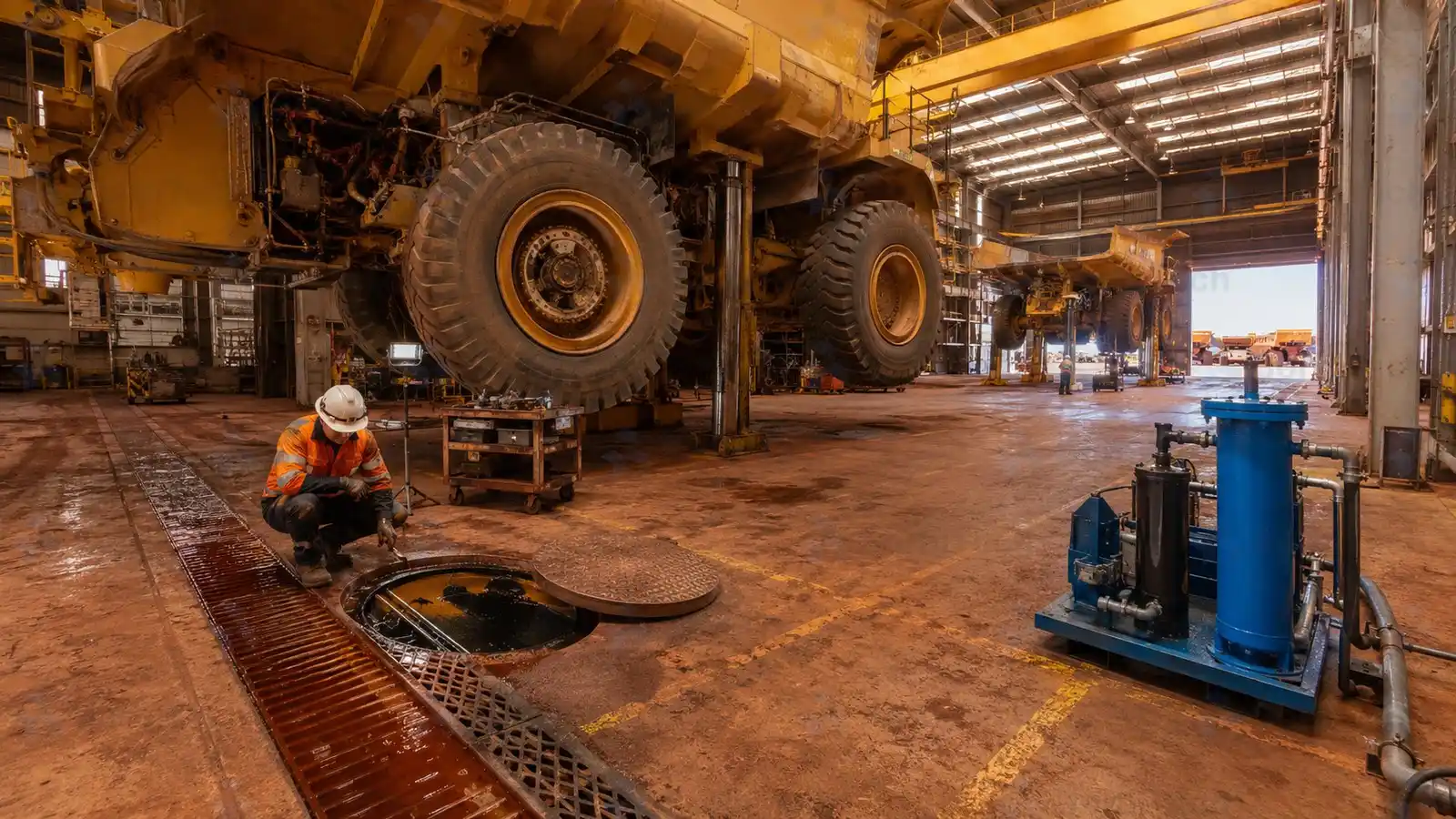
Compact oil water separator for workshop floor drains in vehicle service bays, mechanical workshops, and equipment maintenance facilities to meet municipal sewer discharge limits.
Recovering value and removing colour and contaminants from process streams. Covers decolorization, solvent recovery, gold recovery, pharmaceutical purification, and odour control.
Pellet activated carbon guard bed for beverage grade carbon dioxide purification meeting ISBT (International Society of Beverage Technologists) specifications for carbonated soft drinks, beer, and sparkling water.
Carbon dioxide removal from anaerobic digester biogas and landfill gas using carbon molecular sieve PSA to deliver grid quality bio methane for pipeline injection or CNG vehicle fuel.
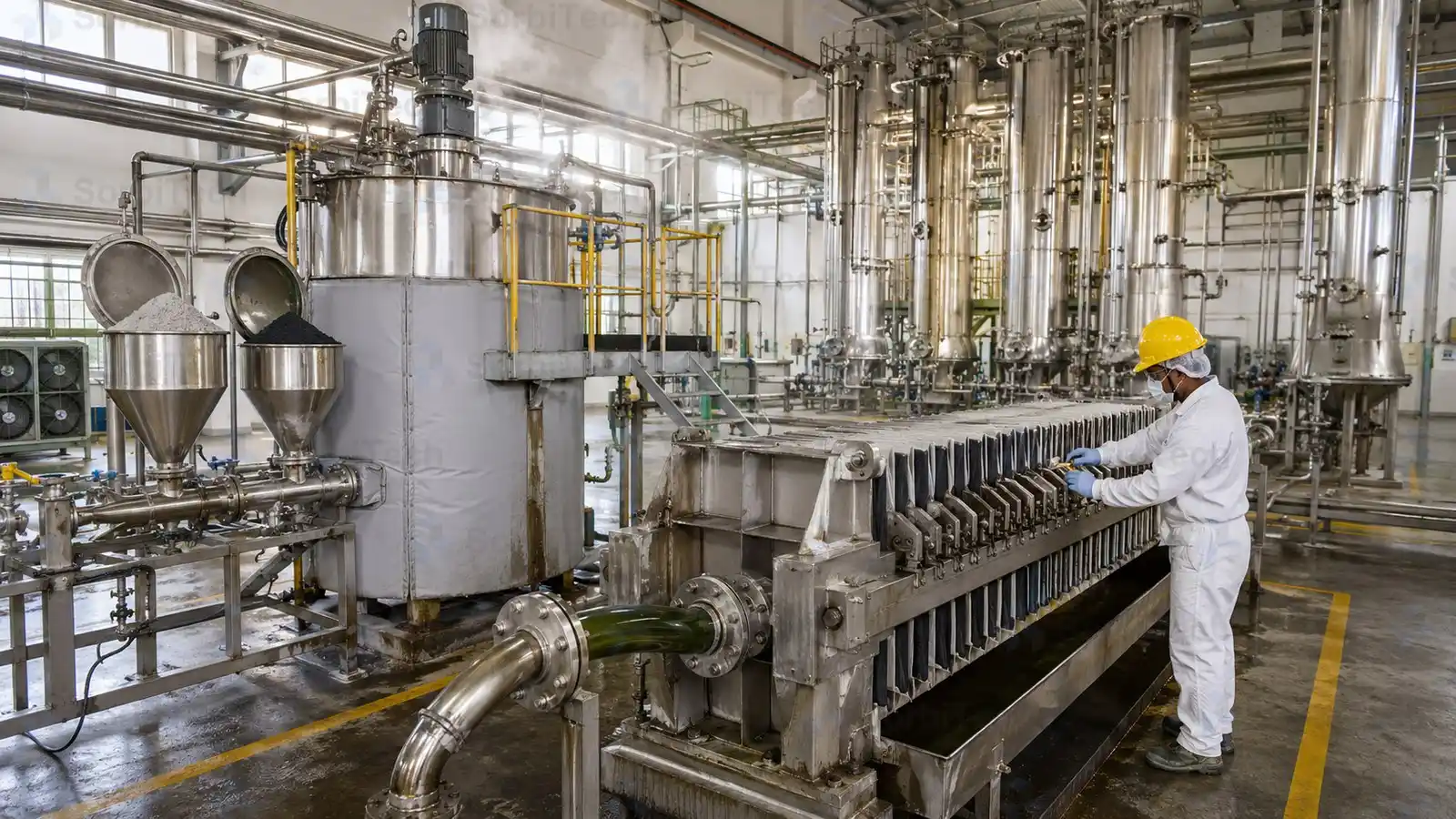
Powdered activated carbon and bleaching earth combination for edible oil bleaching to remove chlorophyll, carotenoids, and oxidation products from palm, sunflower, soybean, and canola oils.
Breaking the ethanol water azeotrope using 3A molecular sieve to produce fuel grade anhydrous ethanol at 99.5 percent purity or higher for blending into gasoline.
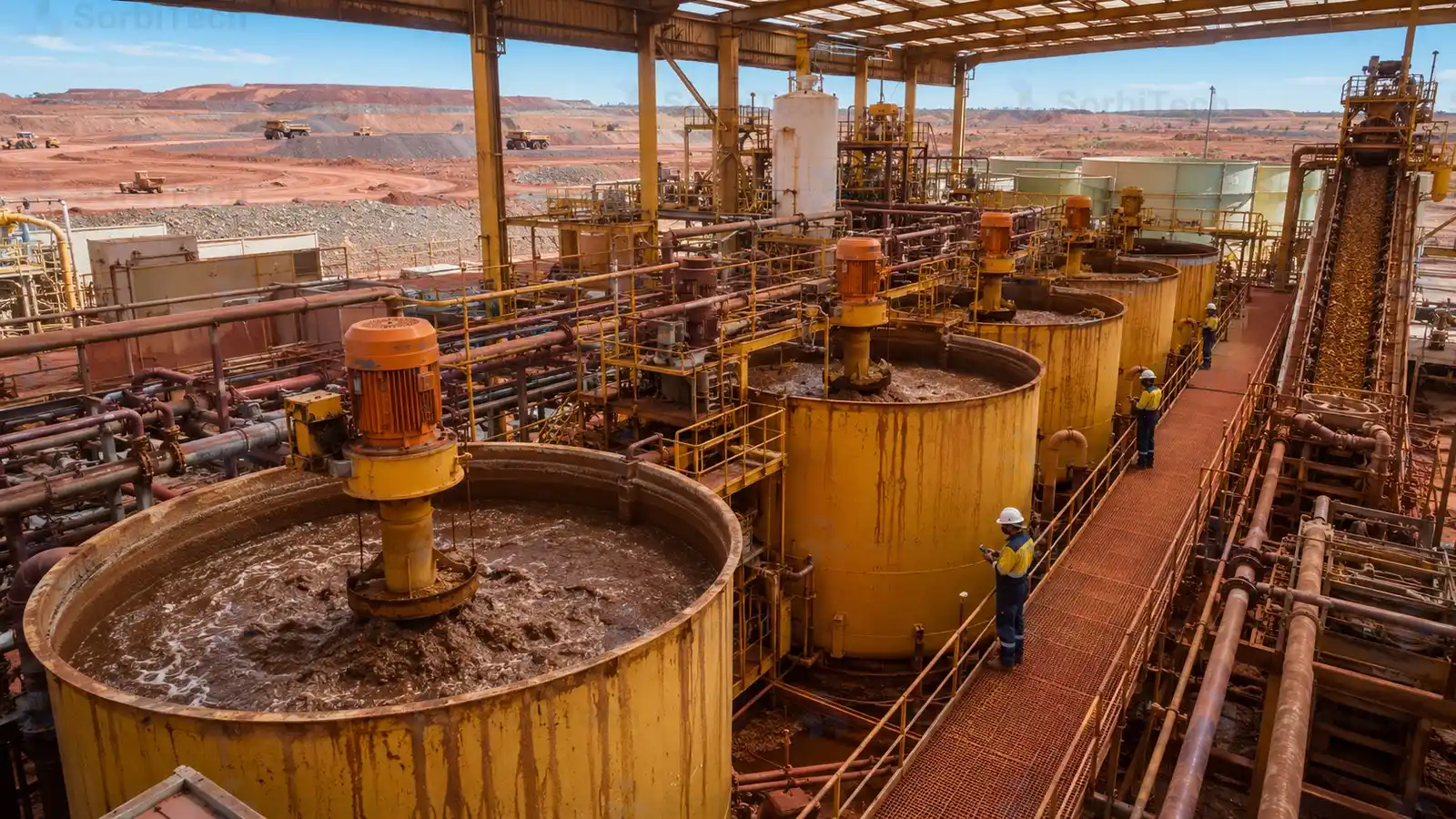
Carbon in pulp (CIP) and carbon in leach (CIL) gold recovery using high activity coconut shell granular activated carbon to adsorb dissolved gold cyanide from cyanide leach slurry.
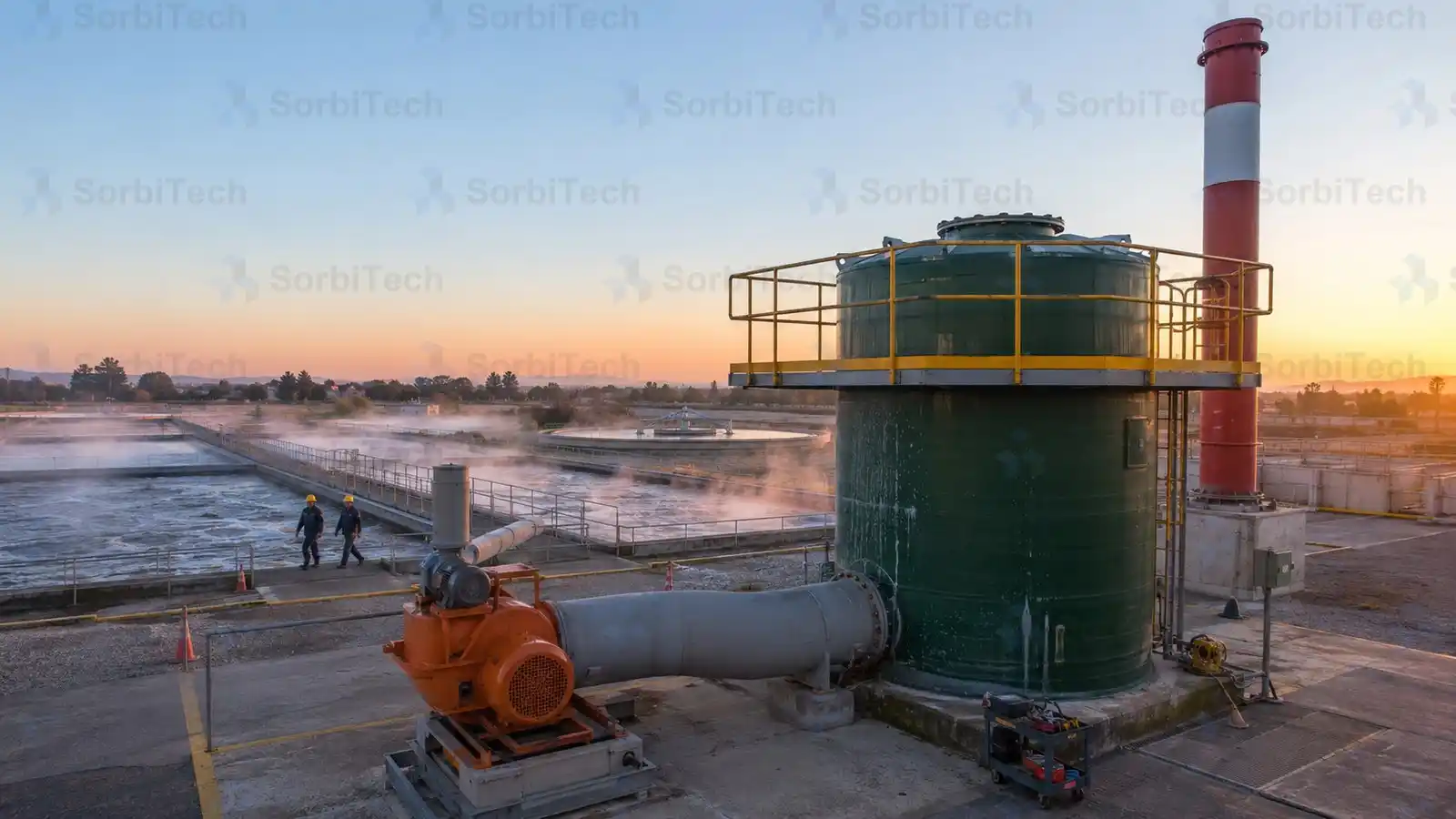
Pellet and impregnated activated carbon filters for industrial odor control on wastewater treatment plant vents, sewage pumping stations, food processing exhausts, and manufacturing odor abatement.
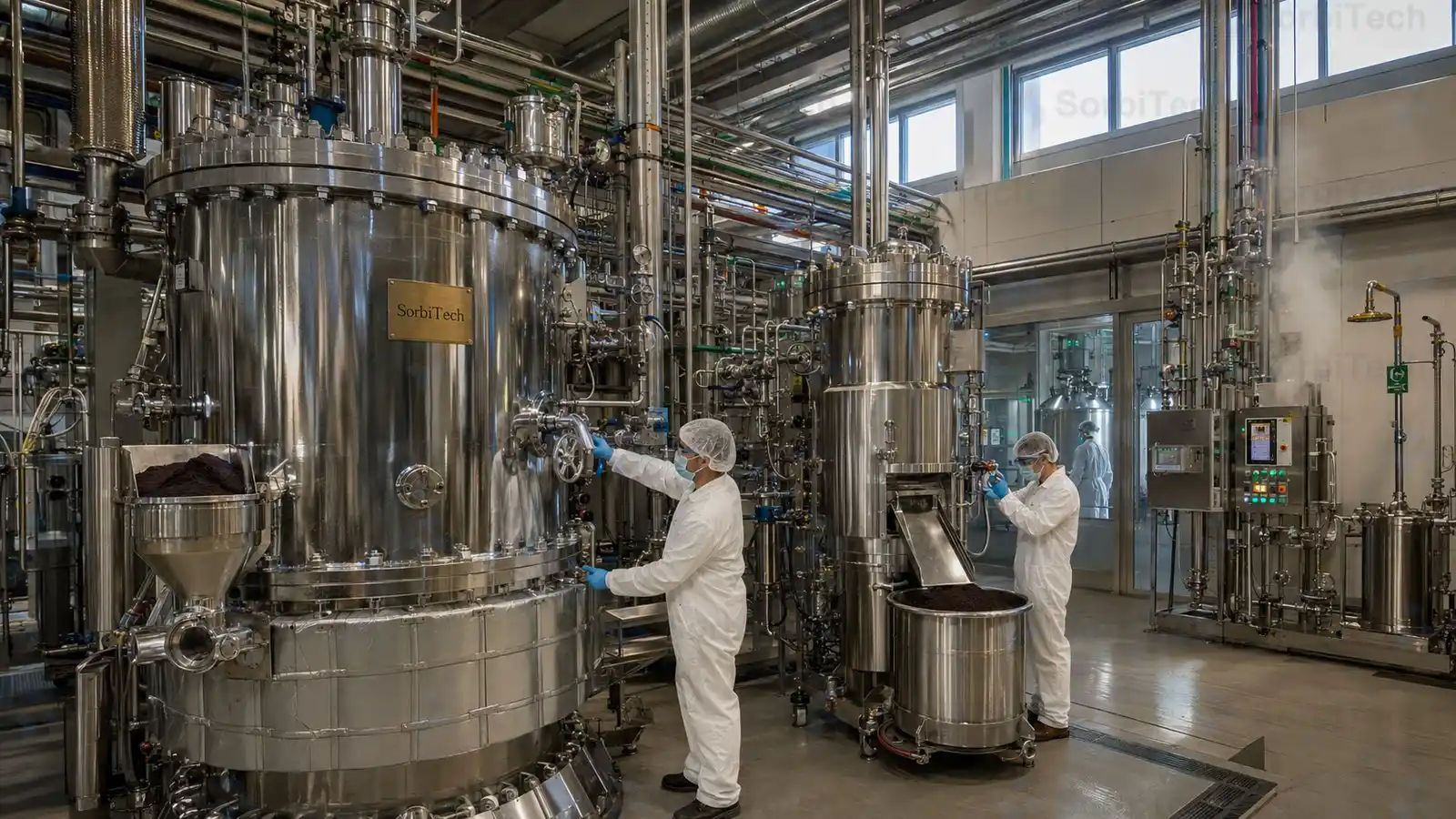
USP and EP grade powdered activated carbon for active pharmaceutical ingredient (API) purification by slurry contact, removing colour bodies, residual catalysts, and trace impurities ahead of final crystallisation.
Solvent vapor recovery using twin tower pellet activated carbon adsorbers with steam or vacuum regeneration to capture and recover volatile organic solvents from process and printing vents.
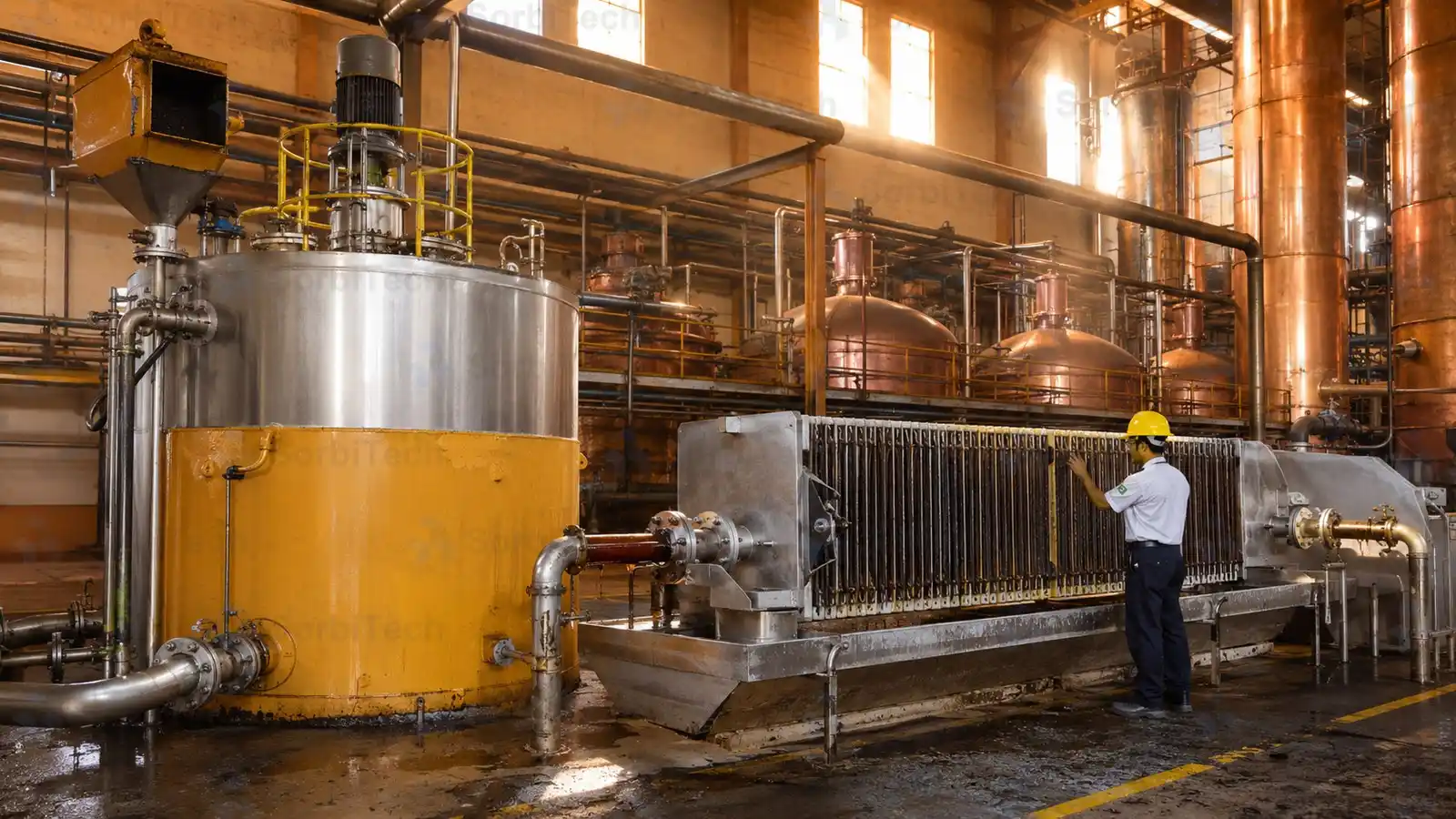
Powdered activated carbon decolorization of cane and beet sugar syrups, glucose syrups, and high fructose corn syrups to meet contracted ICUMSA colour grade for refined product.
Specialist adsorption and bed support duties for process plants. Covers catalyst bed support, custom desiccant systems, and OEM media supply matched to equipment requirements.
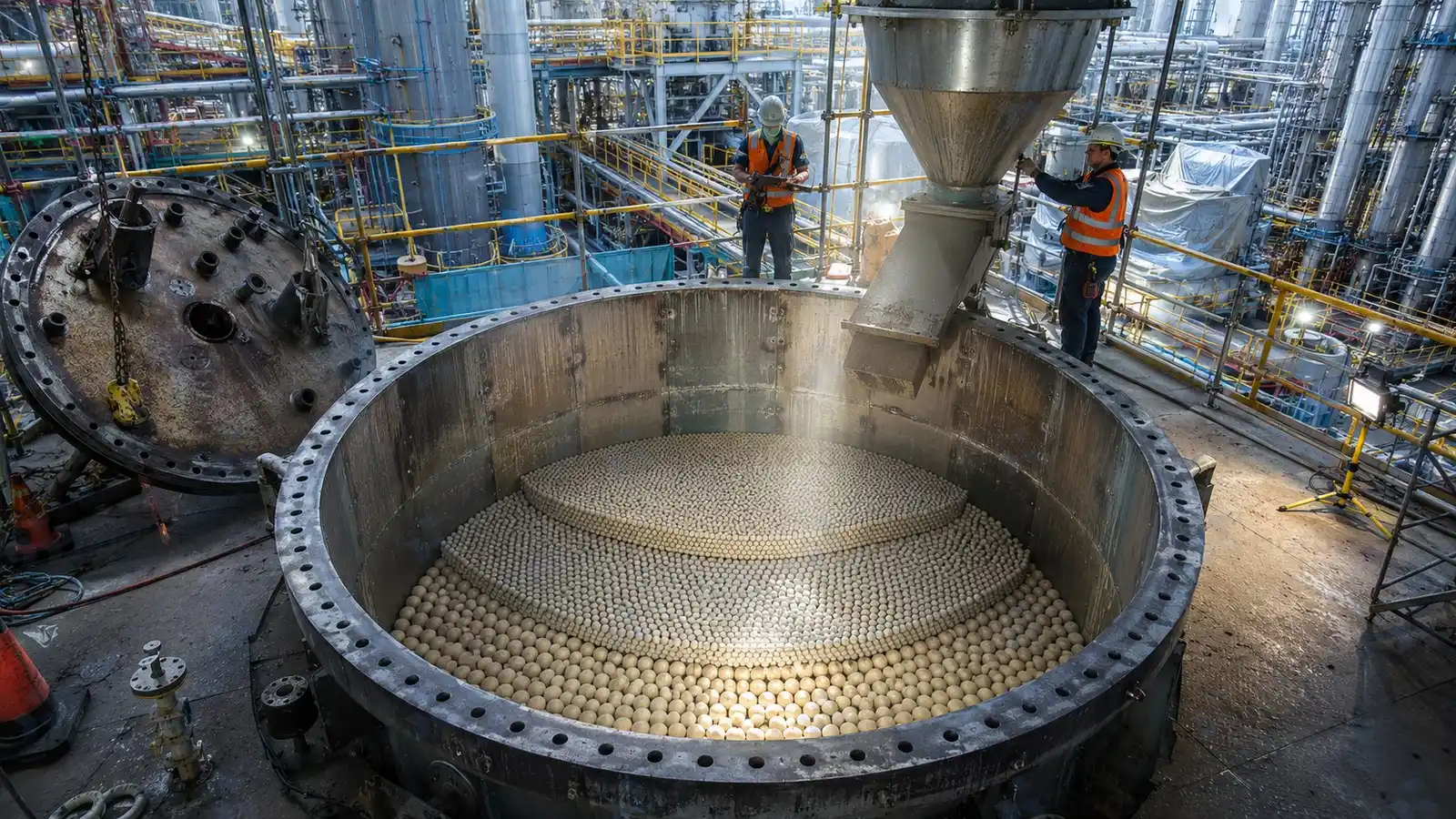
Inert ceramic and high purity alumina support balls in graded sets for catalyst and adsorbent bed support, flow distribution, and thermal mass in refinery, petrochemical, and gas treatment reactors.
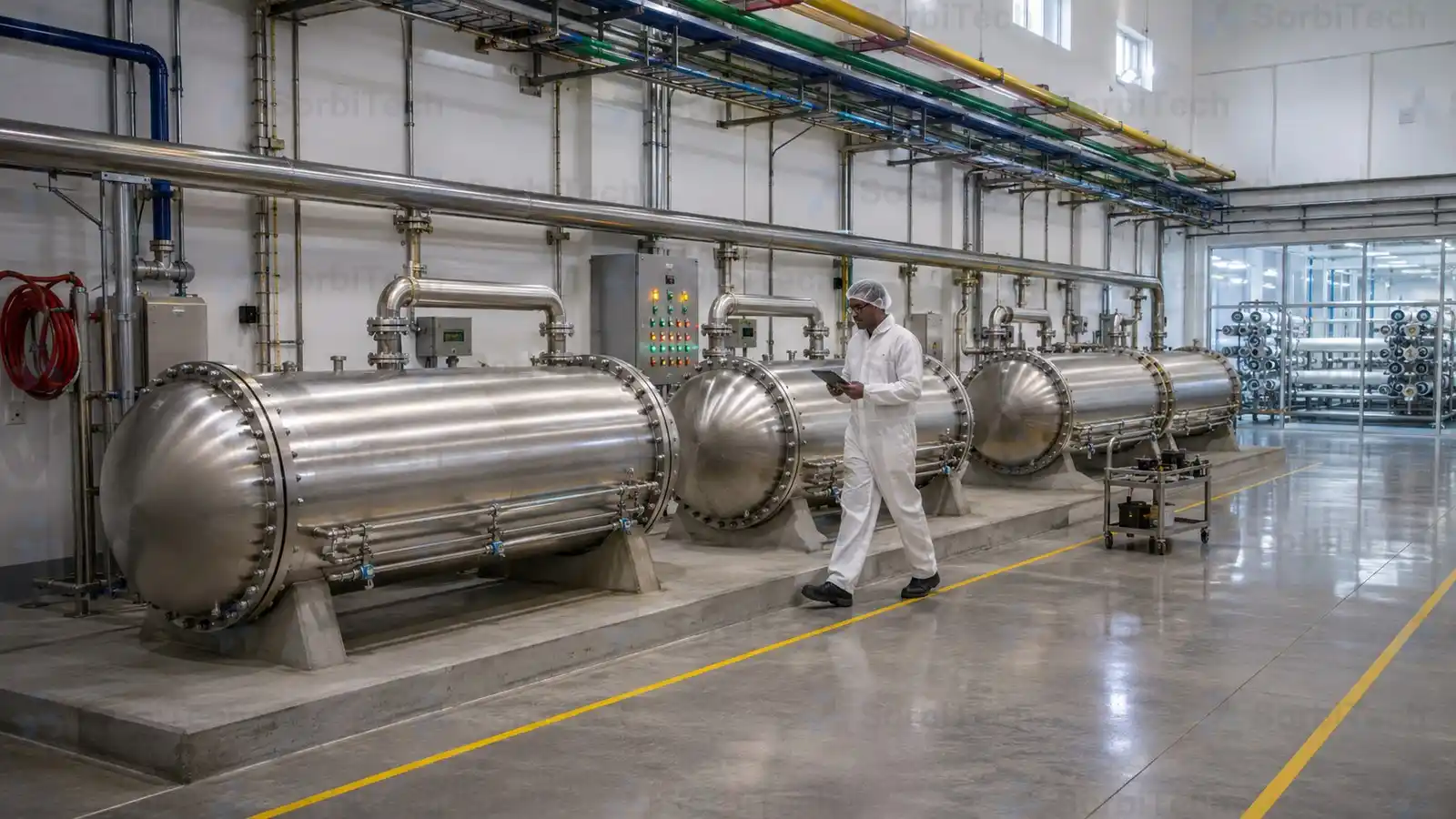
Granular activated carbon dechlorination of municipal supply water ahead of reverse osmosis, ion exchange, or chemical processing to protect downstream equipment from oxidative damage.
On site oxygen generation by pressure swing or vacuum pressure swing adsorption using lithium exchanged X zeolite for medical, aquaculture, ozone, and metals applications.
Purifying drinking water and industrial effluent to regulated limits. Covers fluoride and arsenic removal, taste and odour control, groundwater remediation, and process water polishing.
Activated alumina and specialty iron oxide media for arsenic removal from drinking water supplies in geological belts where natural arsenic exceeds the WHO guideline of 10 micrograms per litre.
Granular activated carbon dechlorination of municipal supply water ahead of reverse osmosis, ion exchange, or chemical processing to protect downstream equipment from oxidative damage.
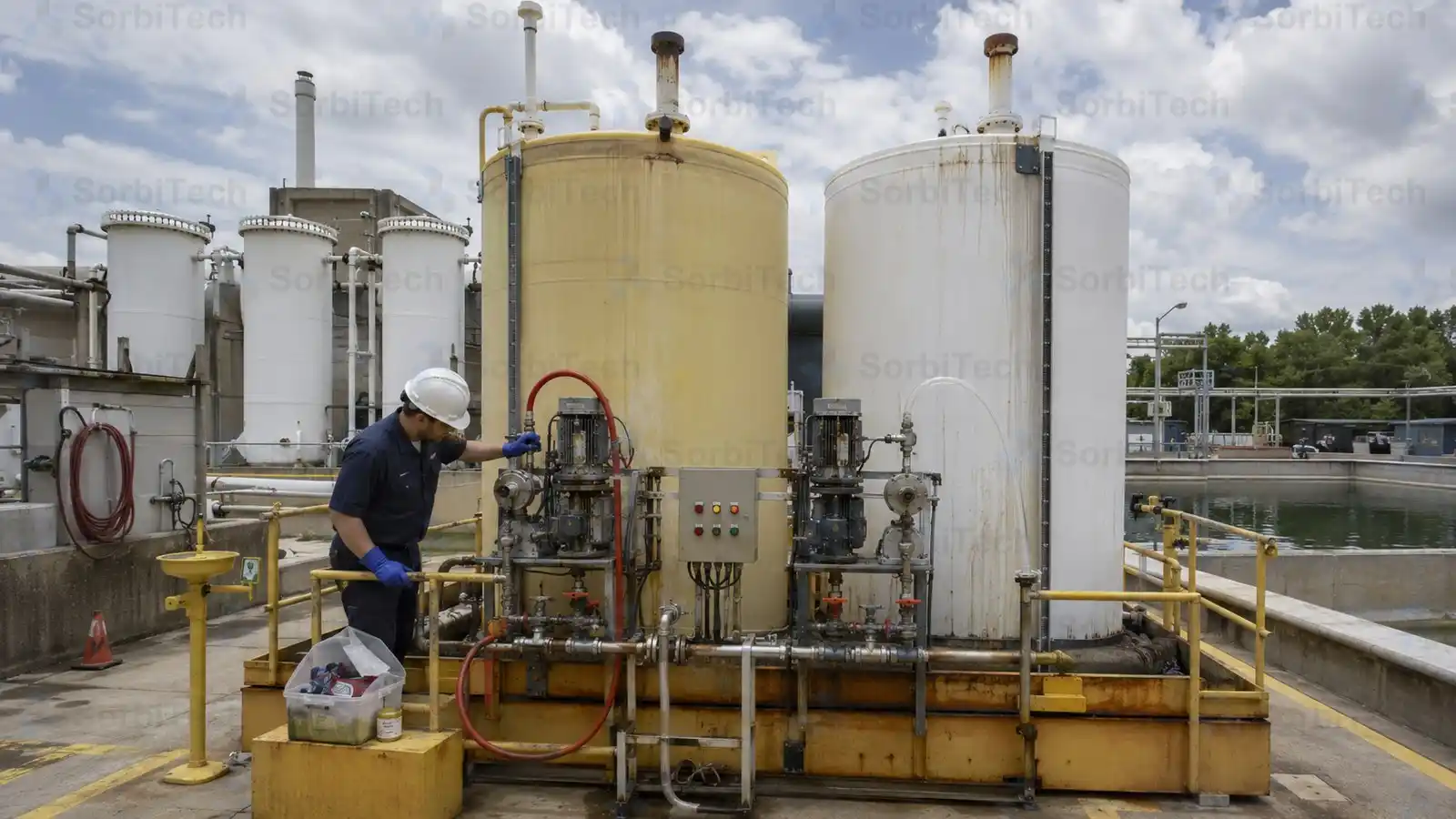
Reducing fluoride in drinking water to WHO limits using activated alumina adsorption, for municipal and community water supply in affected regions.
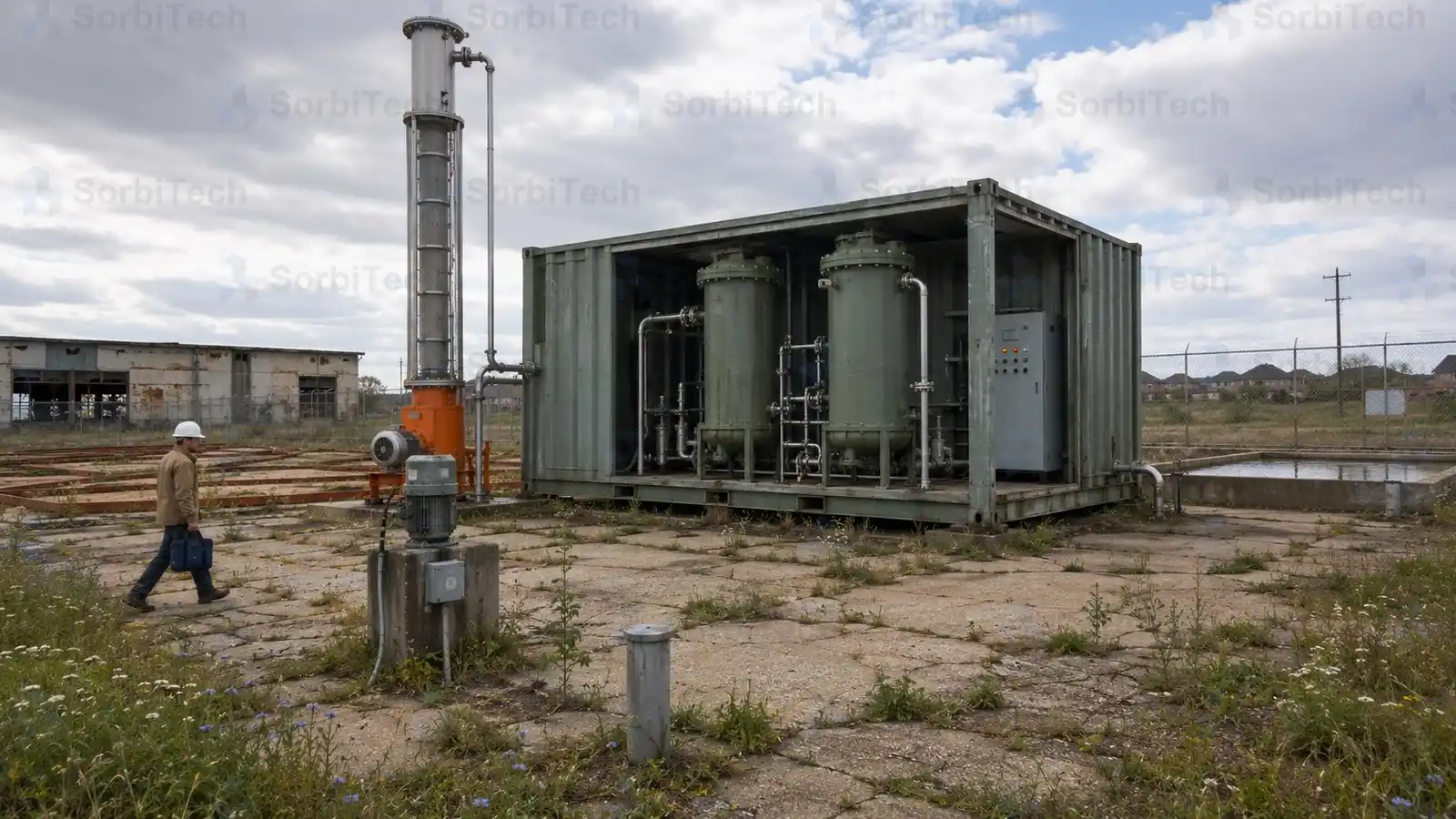
Granular activated carbon groundwater remediation for legacy industrial sites contaminated with petroleum hydrocarbons, chlorinated solvents, or BTEX, with relocatable skid systems for plume migration.
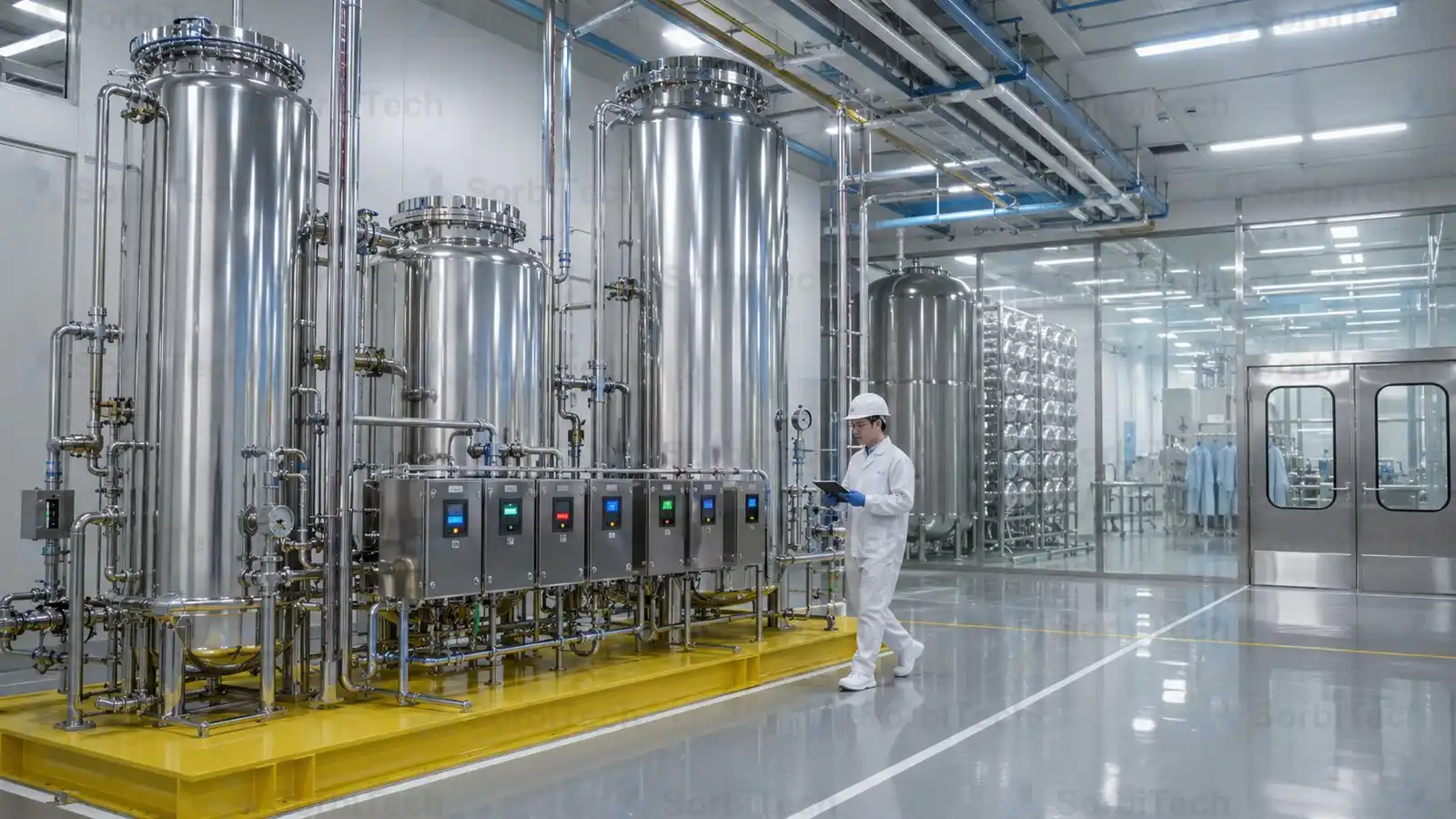
Process water polishing for industrial manufacturing using activated carbon and activated alumina to remove dissolved contaminants ahead of reverse osmosis, demineralisation, or direct process use.
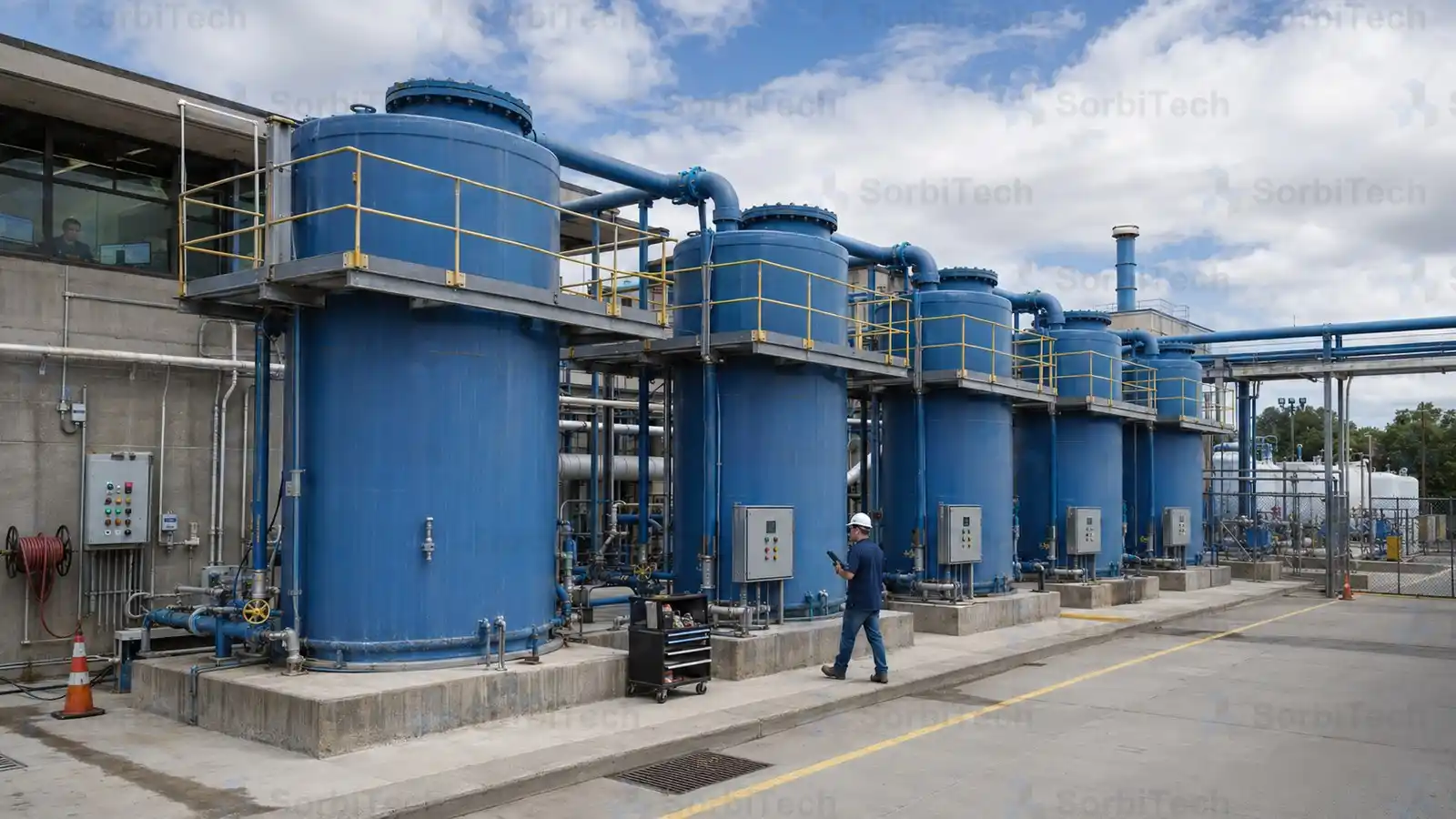
Granular activated carbon polishing for municipal drinking water treatment plants targeting taste, odour, disinfection byproducts, dissolved organic carbon, and emerging contaminants.
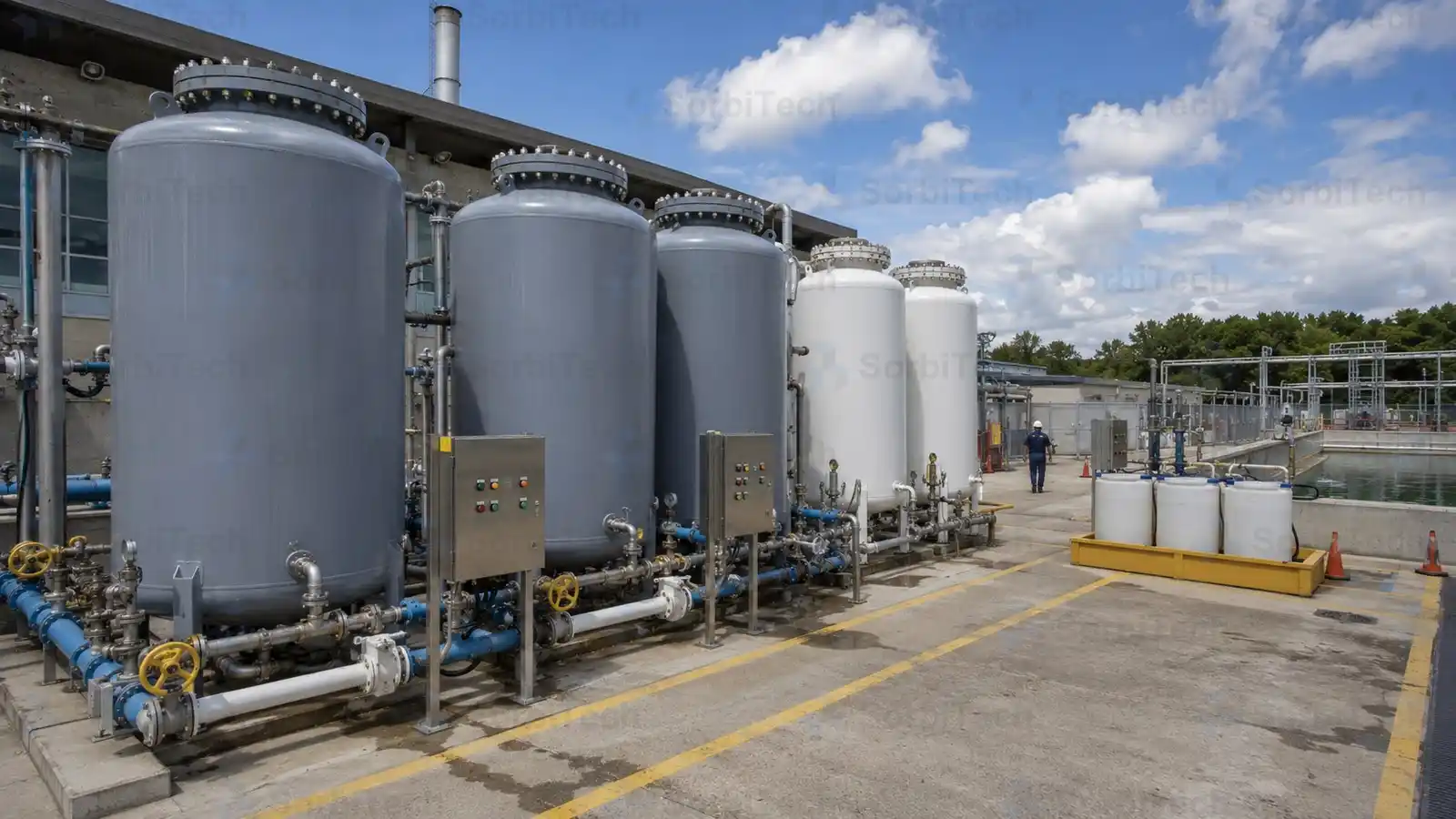
Granular activated carbon and specialty media for per and polyfluoroalkyl substance (PFAS) removal from drinking water, industrial process water, and remediation projects to meet emerging regulatory limits.
Multi stage treatment of refinery effluent combining CPI gravity separation, coalescing polishing, and activated carbon adsorption to meet discharge consent on petroleum hydrocarbons.
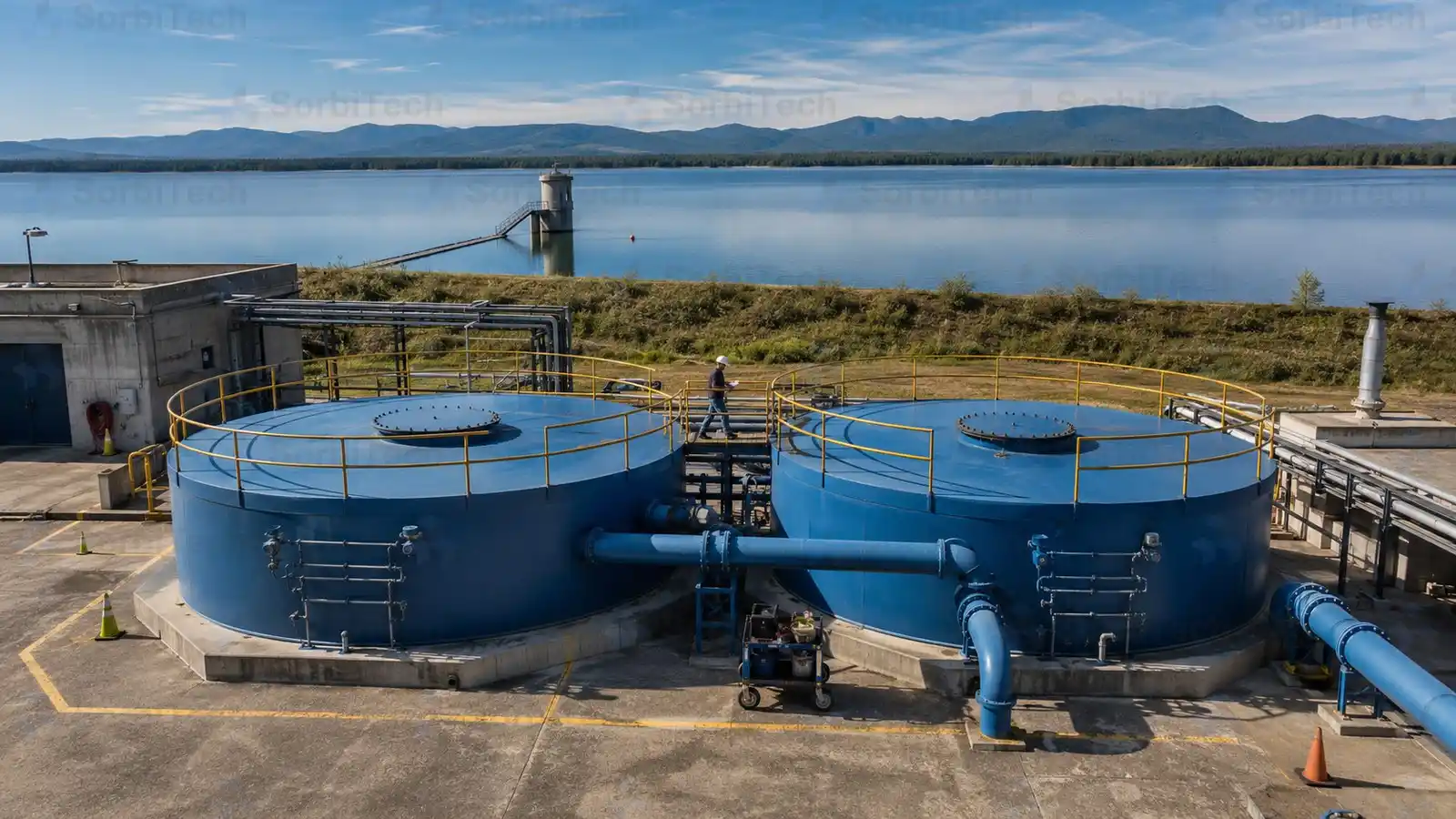
Granular activated carbon removal of taste and odour compounds (geosmin, 2 methylisoborneol, algal toxins) from drinking water supplies affected by seasonal algal blooms and natural sources.
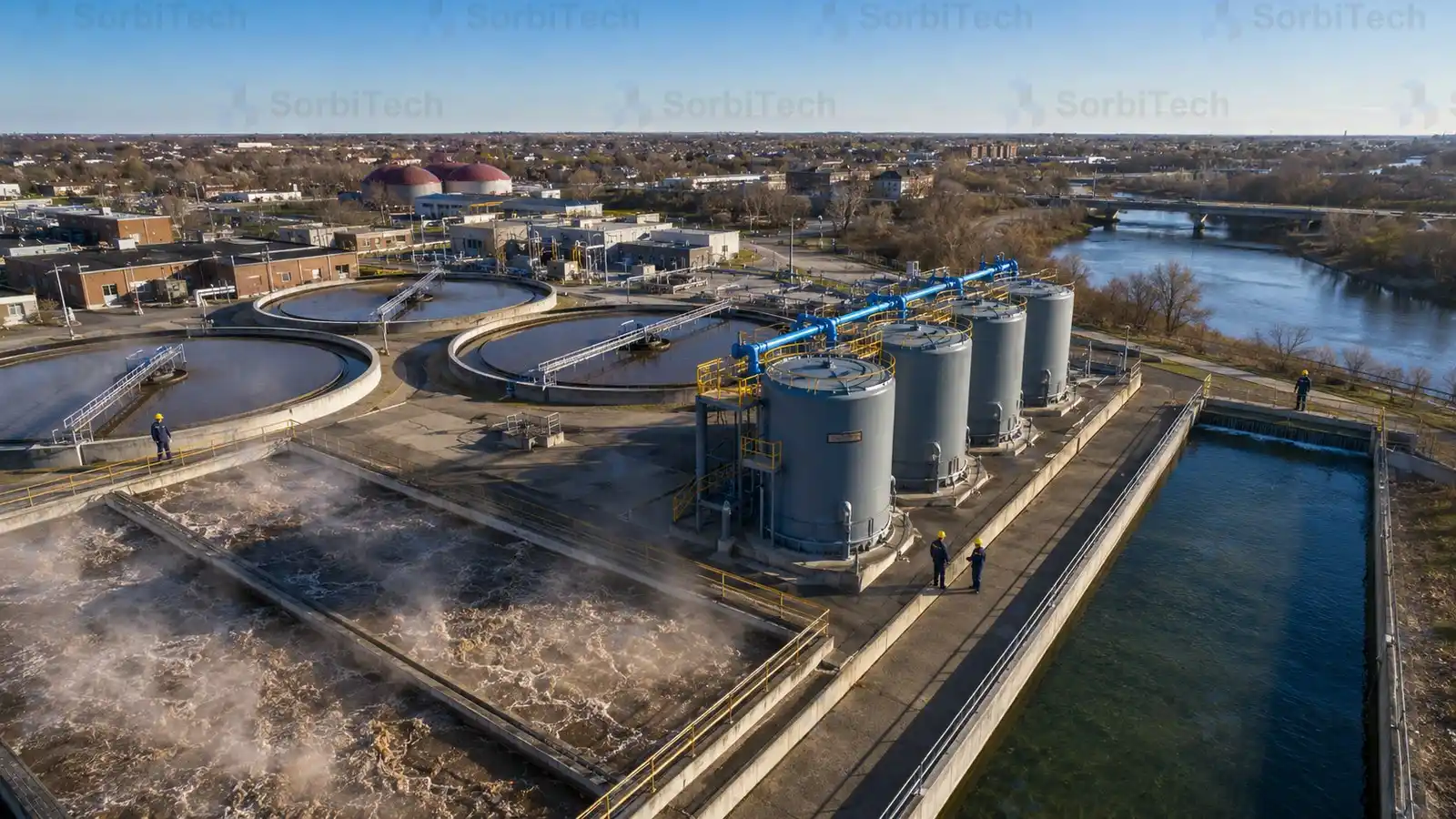
Tertiary polishing of biologically treated wastewater using granular activated carbon to remove micropollutants, dissolved organic carbon, and trace contaminants before discharge or reuse.
Our 112-application database covers most industrial duties. Contact us to find the right solution.
Tell us briefly what you need. Our technical team responds within one business day.
Request the TDS / datasheet. We send it on email after a brief review.


