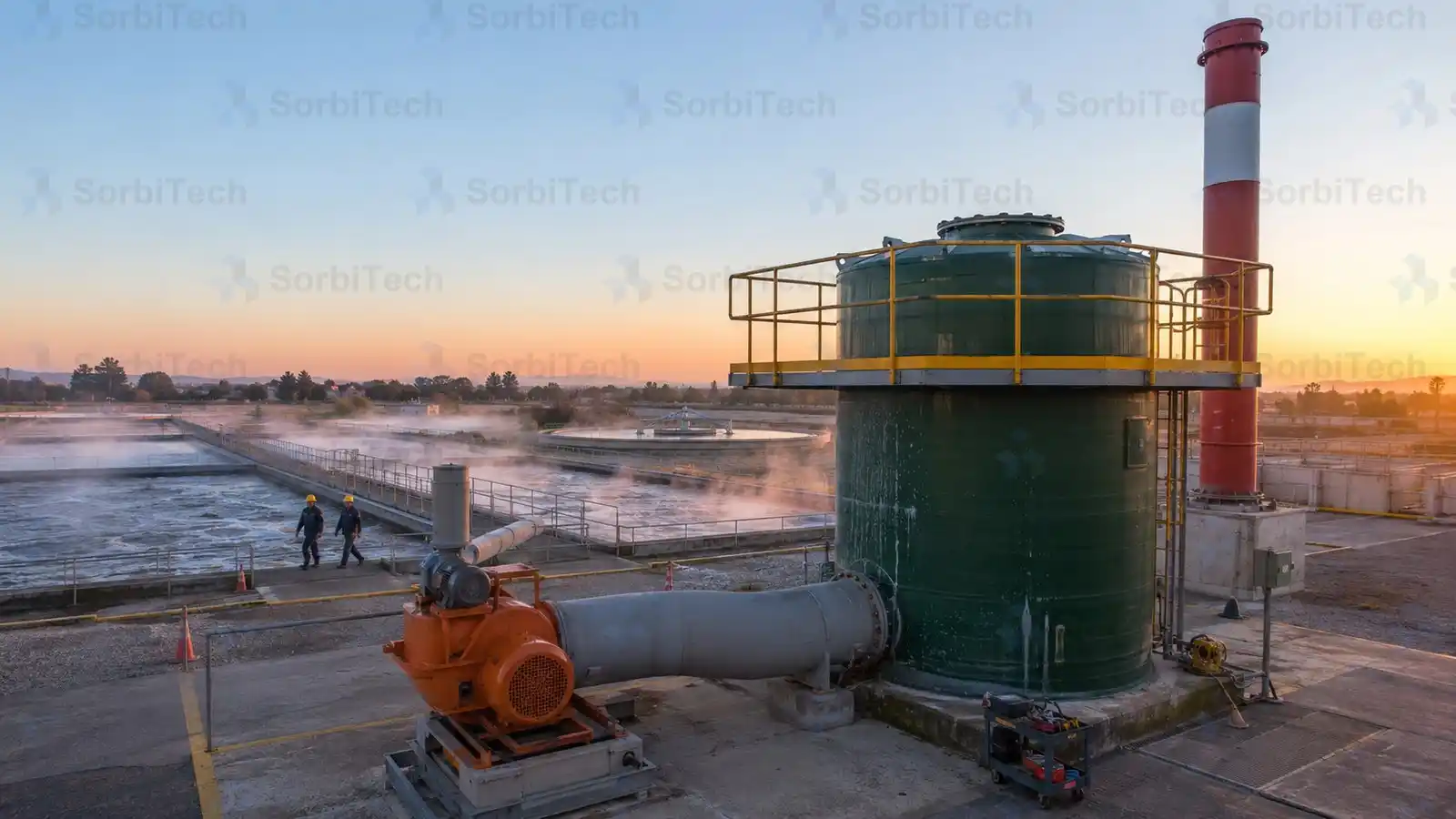
Industrial Odor and Air Stream Carbon Filtration
Pellet and impregnated activated carbon filters for industrial odor control on wastewater treatment plant vents, sewage pumping stations, food processing exhausts, and manufacturing odor abatement.

Process purification and recovery covers the duties where adsorption removes colour, captures a high value compound, or eliminates a trace contaminant from a process stream. The seven applications in this theme span sugar and syrup decolorisation, pharmaceutical API purification, solvent vapour recovery, beverage CO₂ purification, gold recovery, edible oil bleaching, and industrial odour control.
The dominant technology is activated carbon. The precursor selection and the pore distribution drive the choice: coconut shell for gold cyanide adsorption and small molecule capture, coal based for broad pore distribution on solvent recovery and gas phase service, lignite for high mesopore volume on decolorisation duty.
SorbiTech delivers each duty under a documented qualification. USP and GMP grades for pharmaceutical service, ISBT specification for beverage carbon dioxide, NSF/ANSI 61 eligible grades for food contact. The lifecycle service contract handles reactivation logistics and the regulatory documentation required by the auditor.
Activated carbon precursor selection drives the duty. Coconut shell for micropore dominant. Coal for broad pore. Lignite for mesopore. The pore distribution is matched to the contaminant size.
Coconut shell carbon has the highest micropore volume of the standard precursors. Iodine numbers above 1000 mg per gram are routinely achieved. The micropore dominant structure suits gold cyanide adsorption in CIP and CIL circuits, drinking water polishing, and small molecule guard duty. Coconut shell is the reference grade for the duty.
Coal based carbon has a broad pore distribution and high mechanical strength. It is the workhorse for gas phase service, solvent recovery, and heavy hydrocarbon adsorption where the duty cycles between adsorption and steam regeneration. Lignite based carbon has the highest macropore volume and the highest decolorisation capacity, making it the grade for sugar and syrup decolorisation and edible oil bleaching.

SorbiTech qualifies each carbon grade for the duty against the regulatory standard the buyer needs to meet. USP and GMP compliant grades for pharmaceutical purification with the supporting documentation for the regulator submission. ISBT certified grades for beverage CO₂ guard beds with food grade certification of analysis and Halal and Kosher eligibility on request.
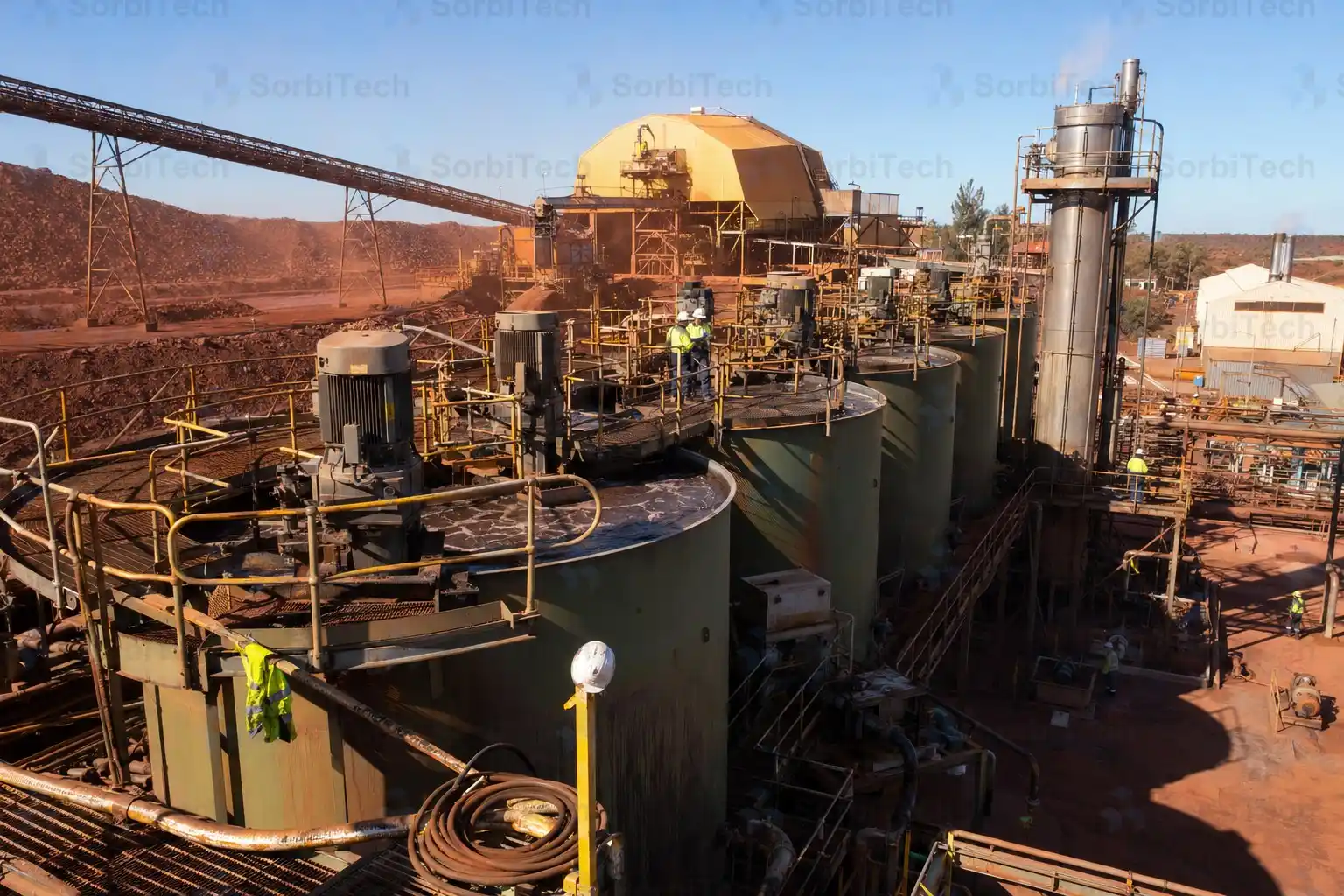
For gold recovery the duty is engineered as a complete CIP/CIL gold carbon plant or as a media supply contract for an existing operator with their own circuit. The reactivation programme returns the loaded carbon through the licensed reactivation facility, recovers the gold via elution and electrowinning, and restores the carbon to 85 to 95 percent of virgin activity for return to the leach tank.
Each duty page carries the inlet specification, the recommended media or system, the cycle parameters, and the engineering selection guidance.
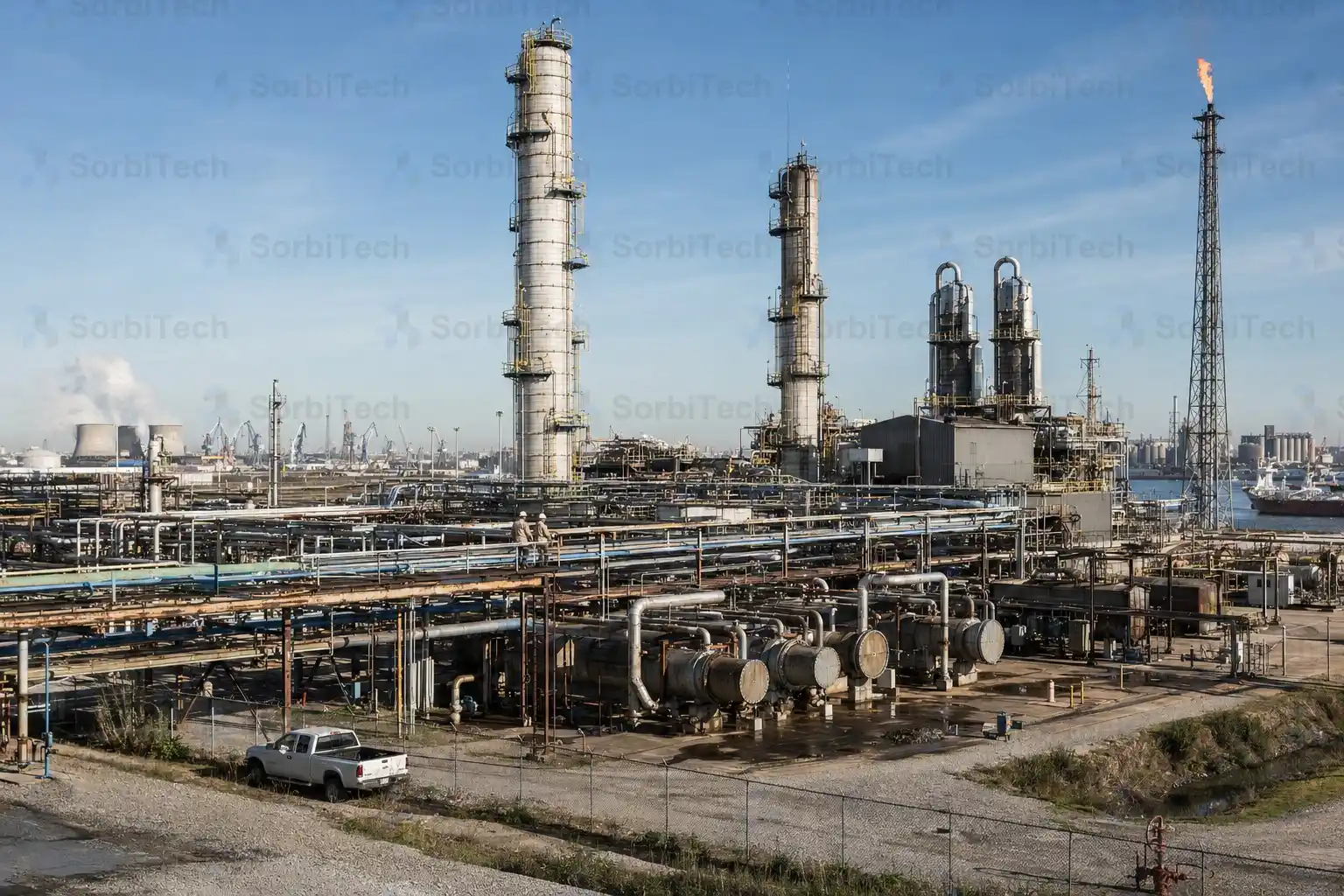
Pellet and impregnated activated carbon filters for industrial odor control on wastewater treatment plant vents, sewage pumping stations, food processing exhausts, and manufacturing odor abatement.
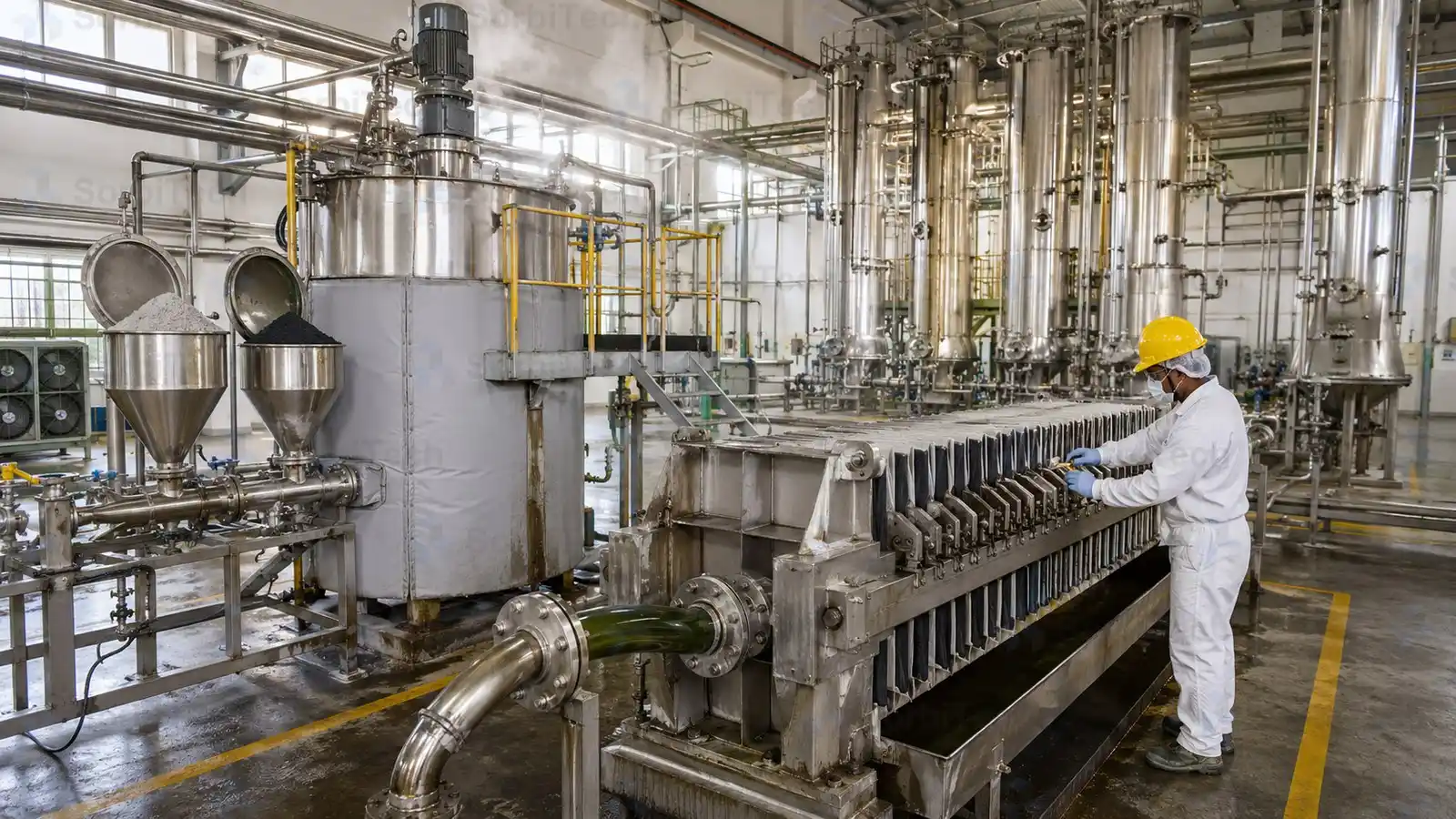
Powdered activated carbon and bleaching earth combination for edible oil bleaching to remove chlorophyll, carotenoids, and oxidation products from palm, sunflower, soybean, and canola oils.
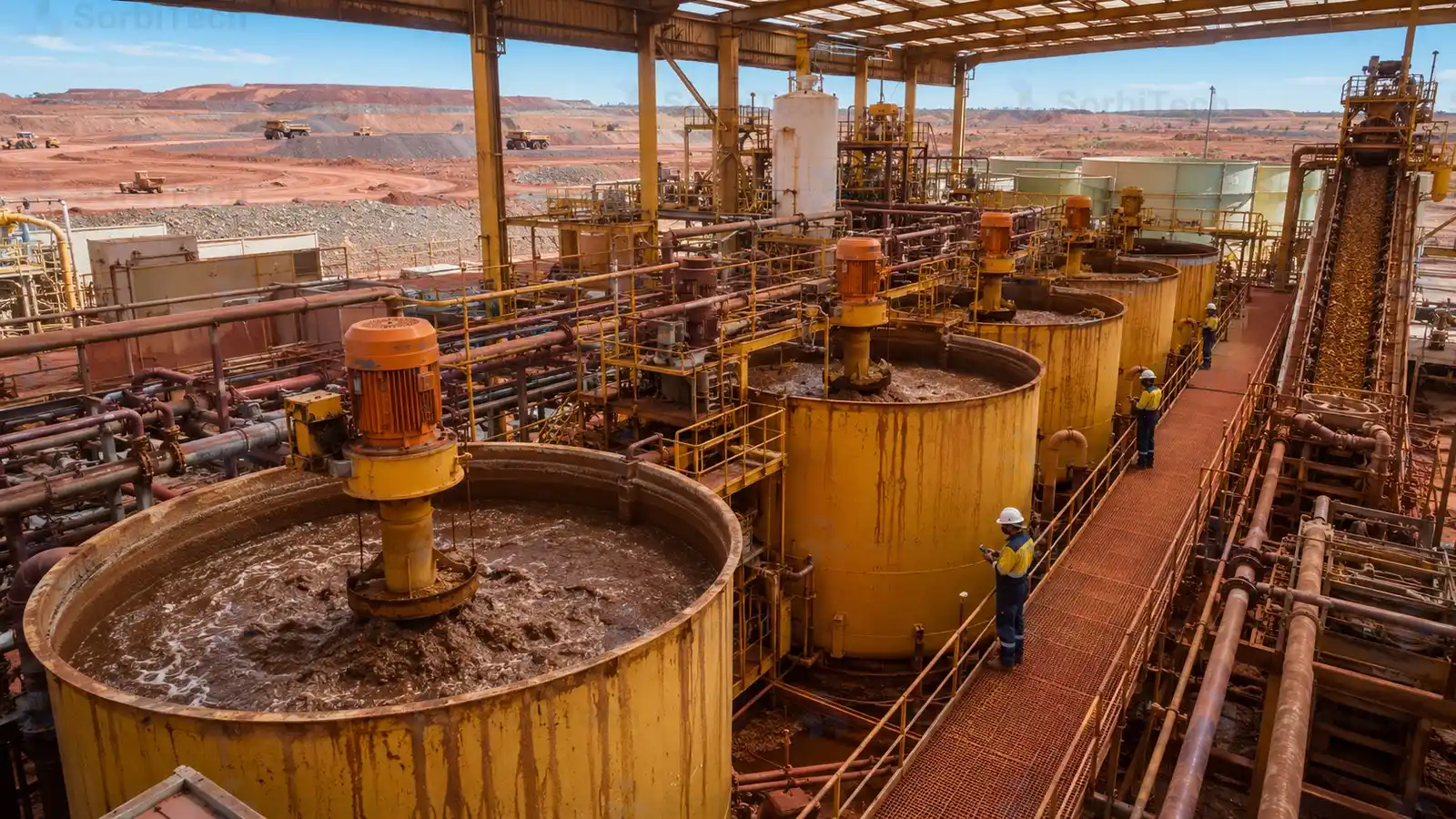
Carbon in pulp (CIP) and carbon in leach (CIL) gold recovery using high activity coconut shell granular activated carbon to adsorb dissolved gold cyanide from cyanide leach slurry.
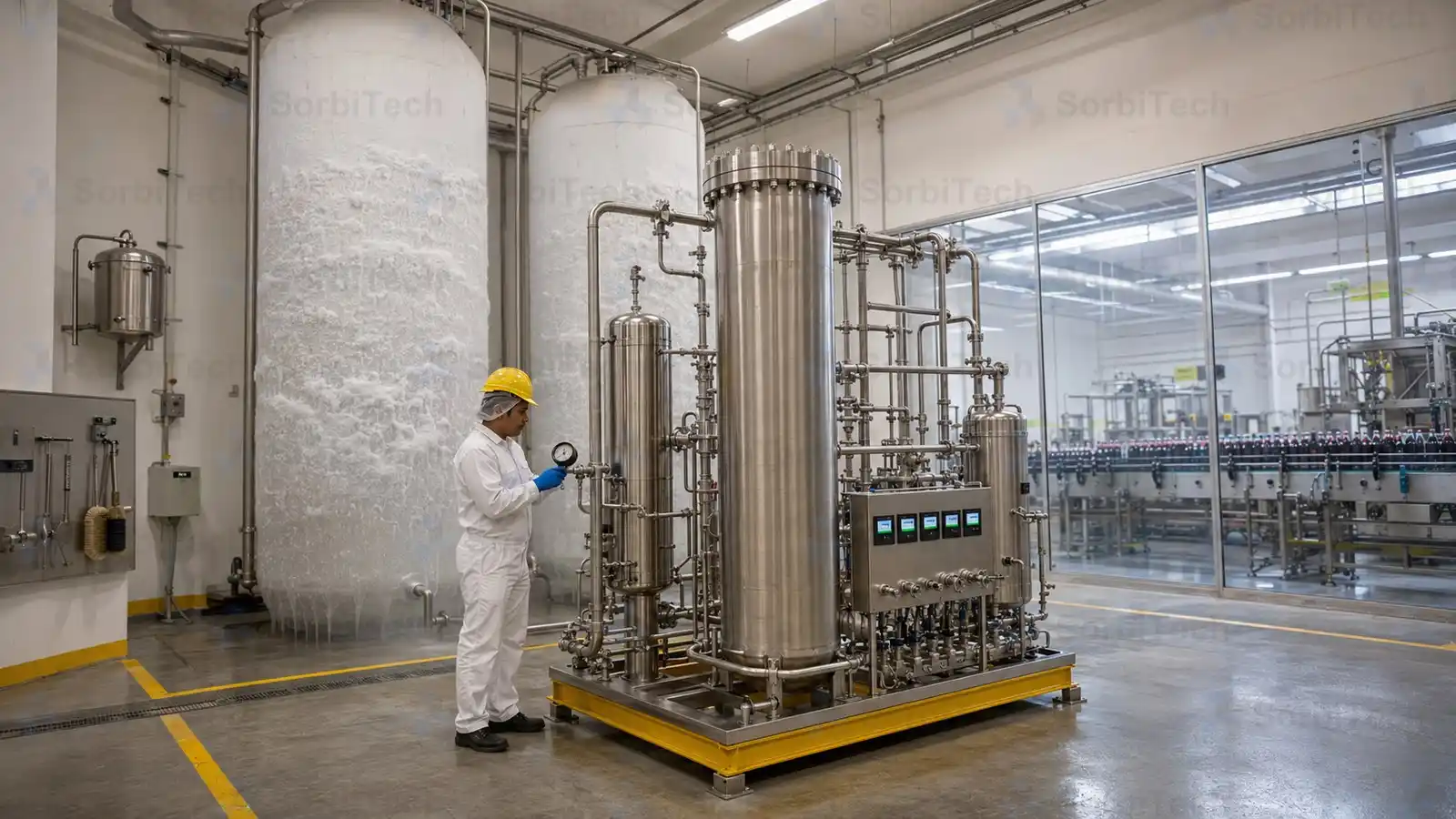
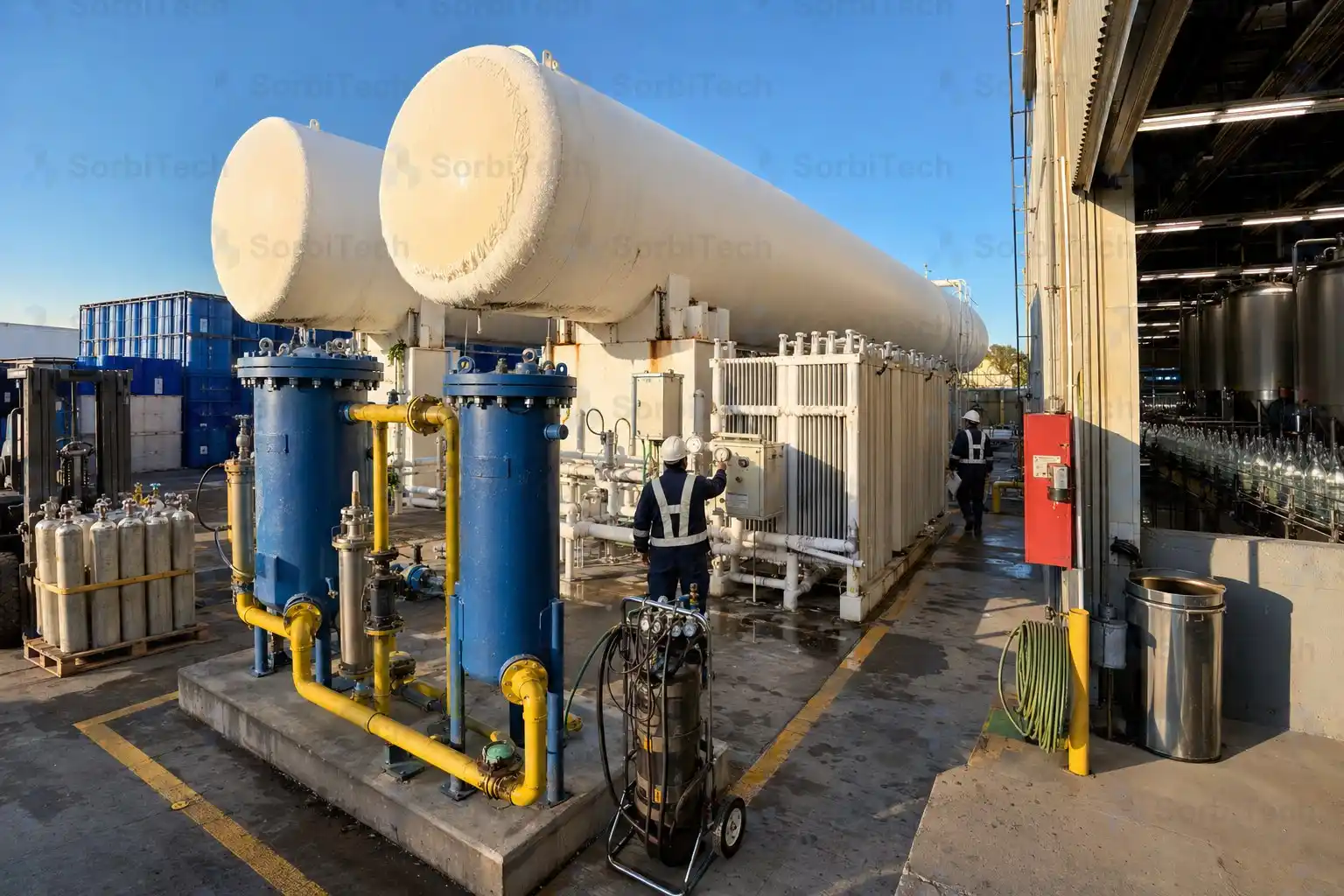
Pellet activated carbon guard bed for beverage grade carbon dioxide purification meeting ISBT (International Society of Beverage Technologists) specifications for carbonated soft drinks, beer, and sparkling water.
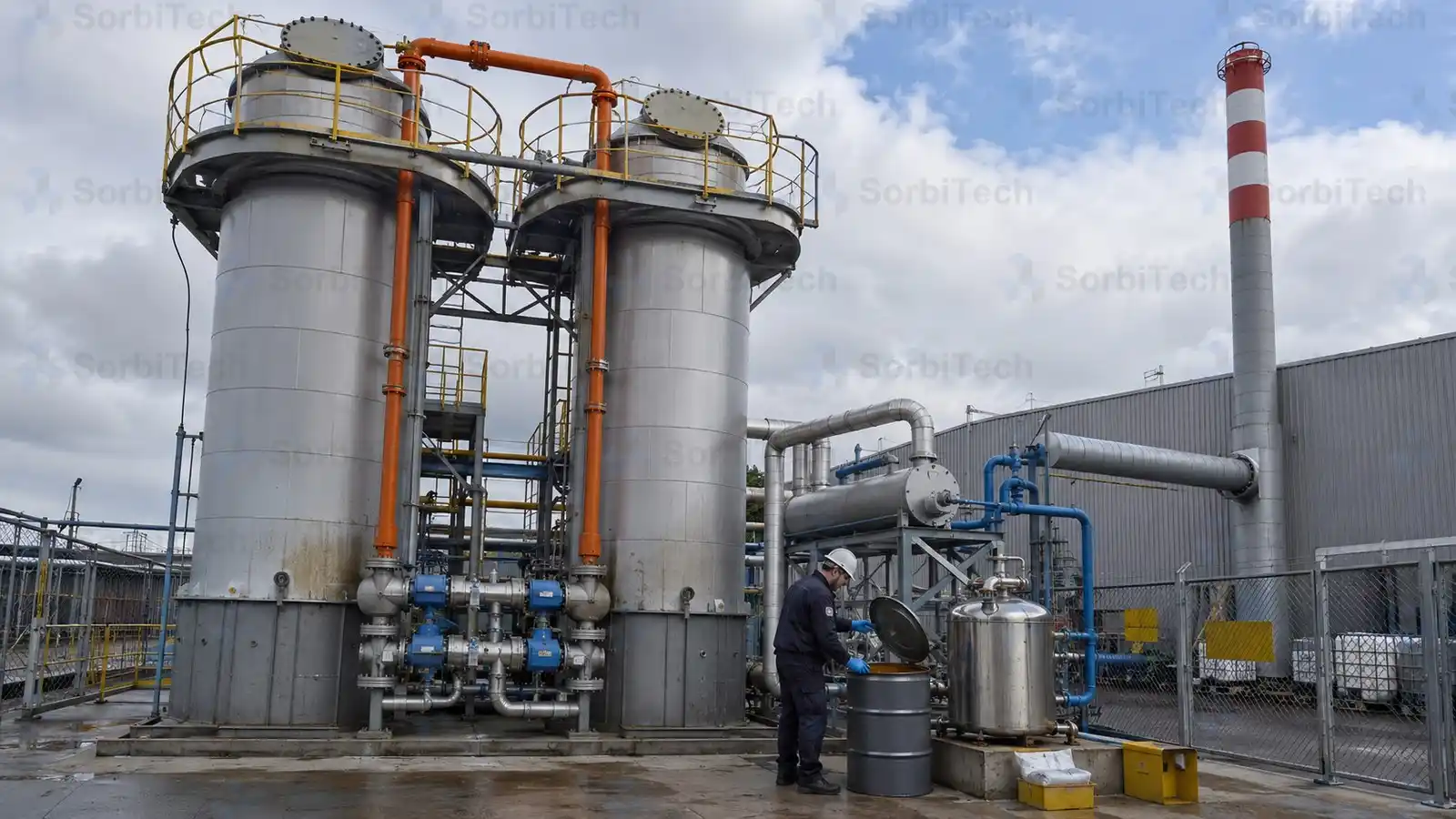
Solvent vapor recovery using twin tower pellet activated carbon adsorbers with steam or vacuum regeneration to capture and recover volatile organic solvents from process and printing vents.
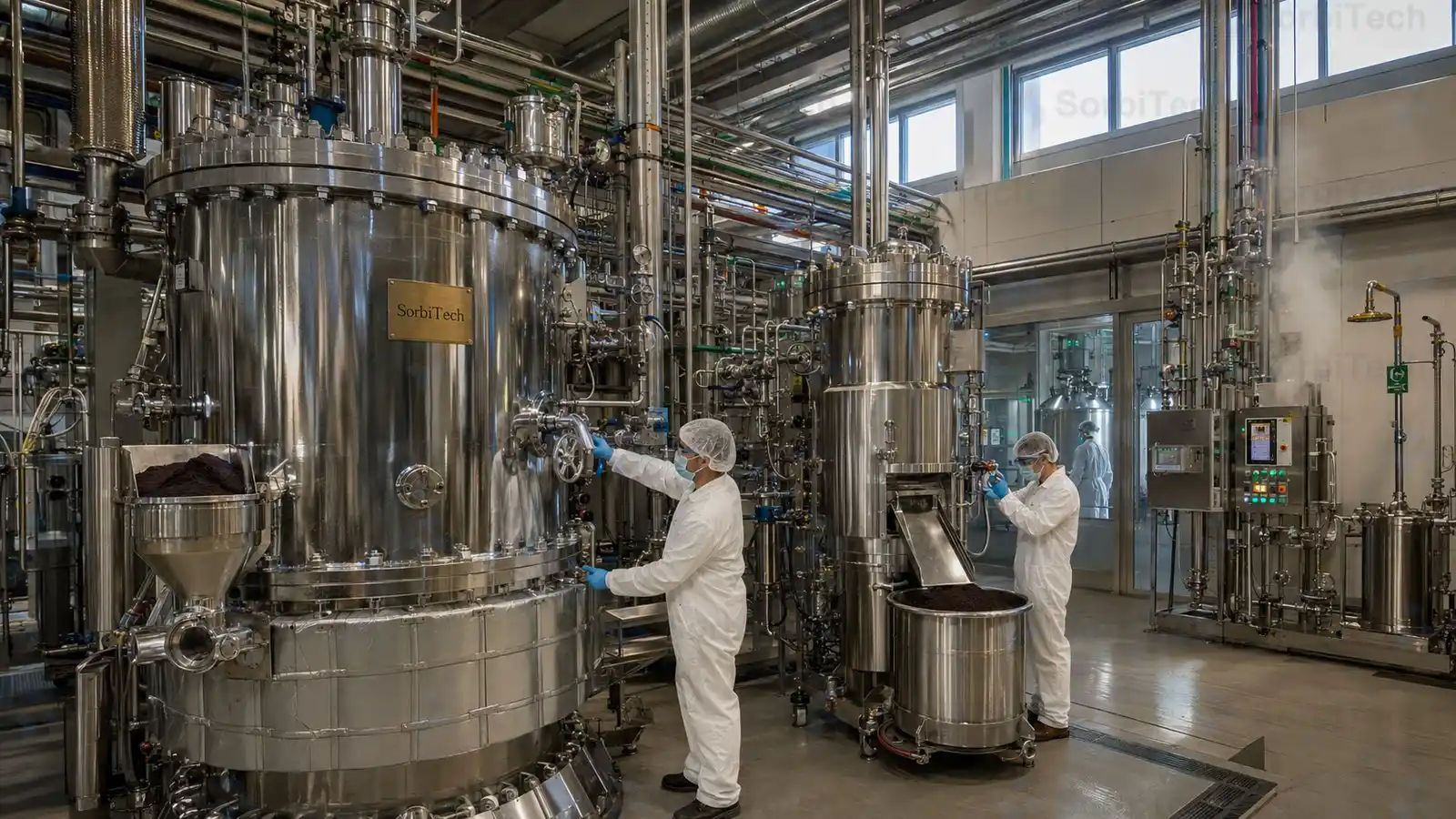
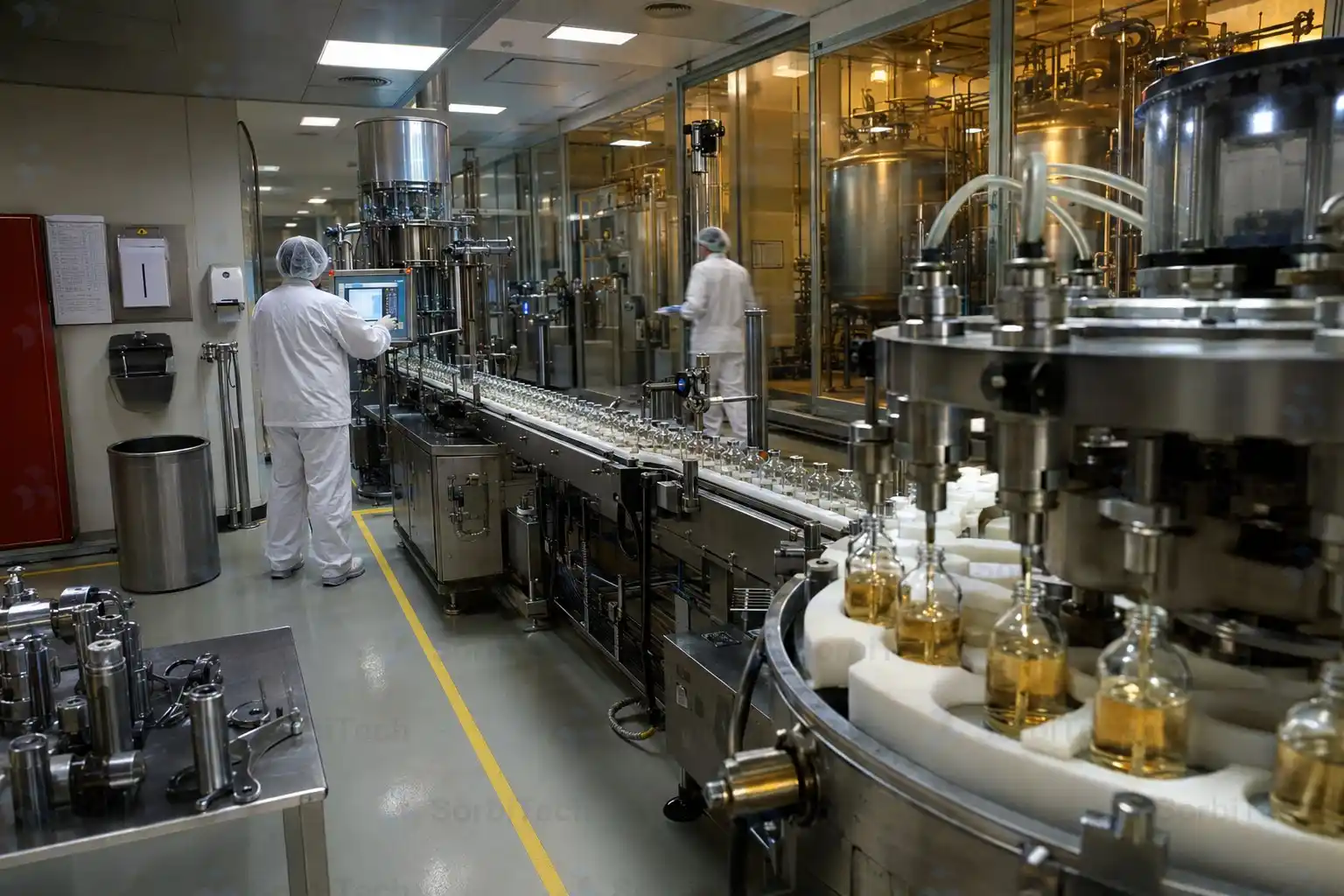
USP and EP grade powdered activated carbon for active pharmaceutical ingredient (API) purification by slurry contact, removing colour bodies, residual catalysts, and trace impurities ahead of final crystallisation.
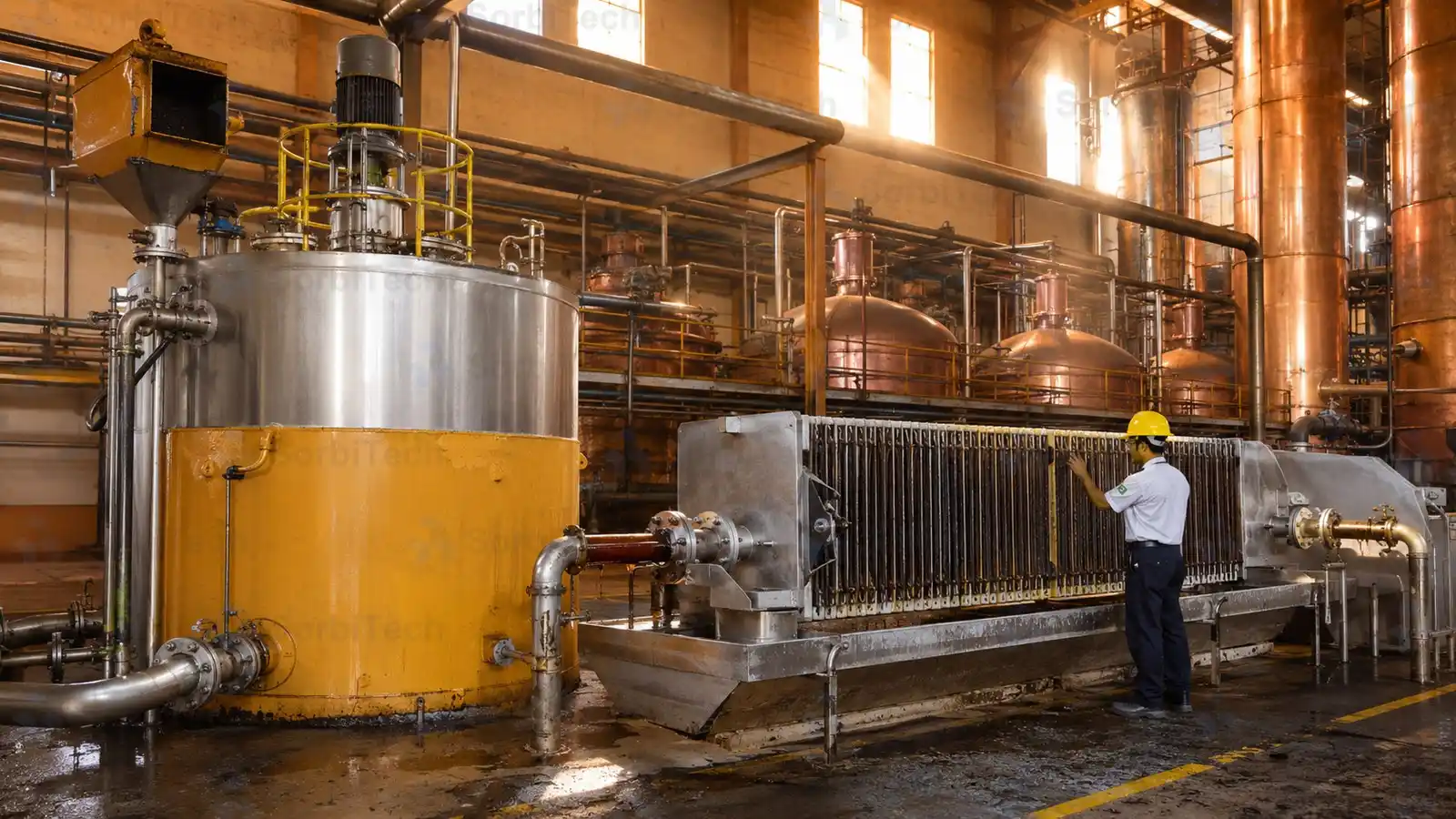
Powdered activated carbon decolorization of cane and beet sugar syrups, glucose syrups, and high fructose corn syrups to meet contracted ICUMSA colour grade for refined product.
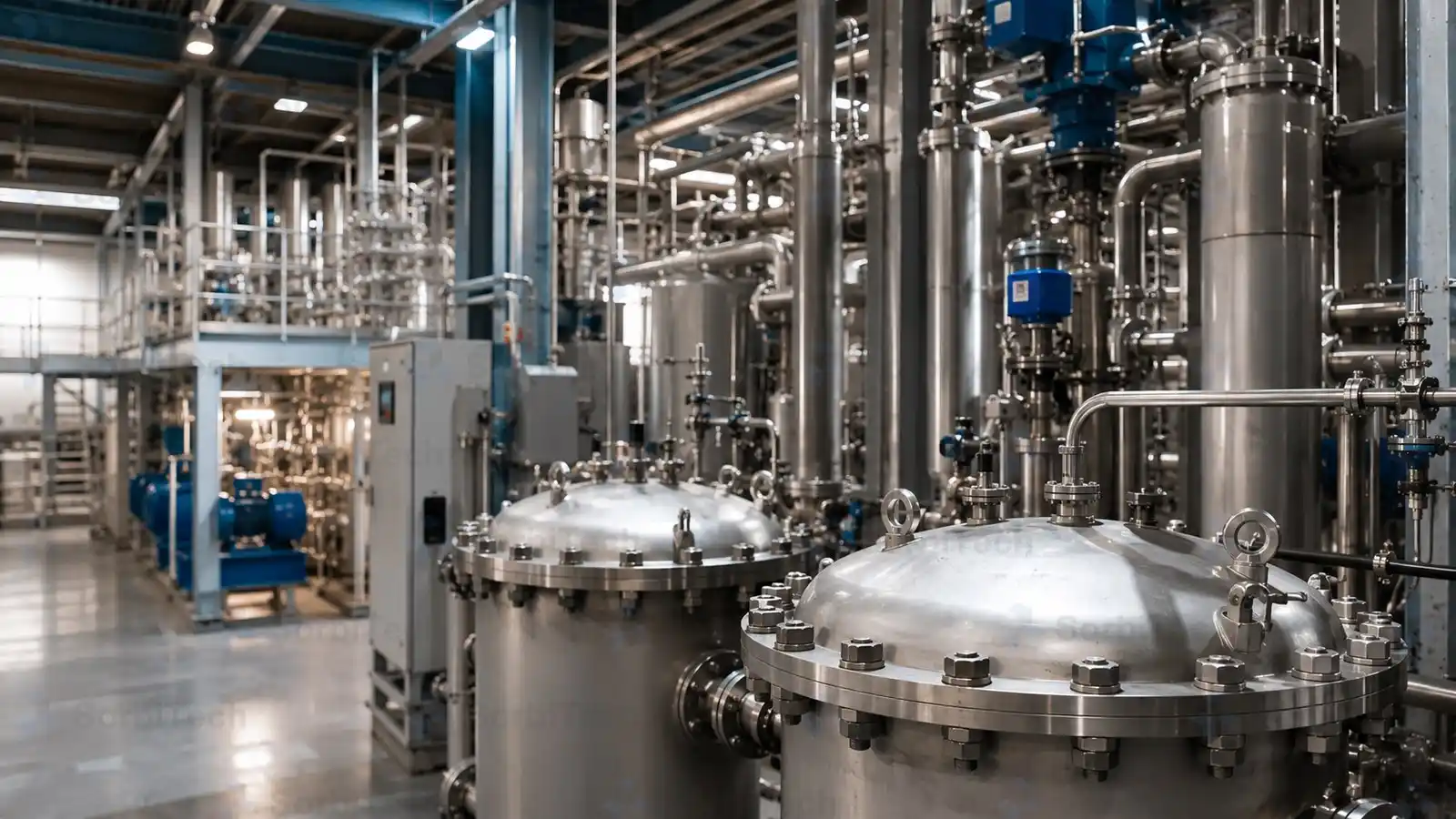
Breaking the ethanol water azeotrope using 3A molecular sieve to produce fuel grade anhydrous ethanol at 99.5 percent purity or higher for blending into gasoline.
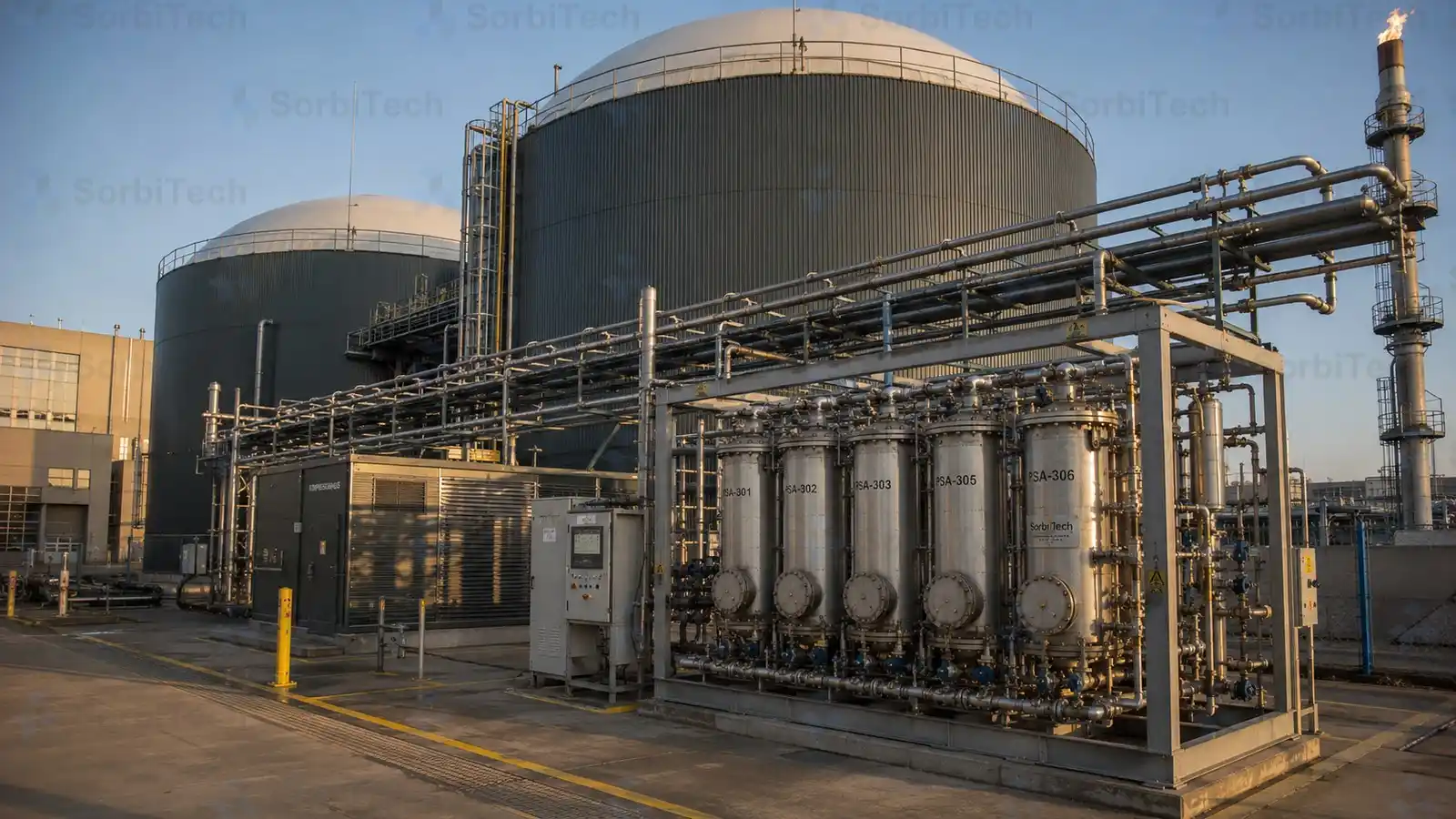
Carbon dioxide removal from anaerobic digester biogas and landfill gas using carbon molecular sieve PSA to deliver grid quality bio methane for pipeline injection or CNG vehicle fuel.
Four representative industries where SorbiTech delivers installations under this application theme, with the engineering record behind each.
Adsorption duties touch the media specification, the vessel design, and the project execution at the same time. SorbiTech engineers all three from the same record, with one performance guarantee against the contracted outlet condition.
The grade shipped is the grade engineered into the vessel design. SorbiTech designs the unit, sizes the bed, and supplies the media as one decision.
Every shipment carries a certificate of analysis covering iodine, water capacity, crush strength, attrition loss, and bulk density measured against the lot.
The bed is supported through its service life. Field sampling, performance audit, reactivation logistics, and end of life return under one agreement.
Process engineers, mechanical designers, and lifecycle specialists work the same project. The recommendation closes against duty data, not a catalogue page.
Starting point for the engineering conversation. The final specification closes out after SorbiTech receives the inlet composition, the operating window, and the target outlet condition.
Coconut shell. The micropore dominant structure adsorbs the gold cyanide complex efficiently, and the high hardness handles the abrasive slurry service in CIP and CIL leach tanks. Iodine numbers above 1000 mg per gram are standard for the duty.
By a laboratory dose response test on the actual stream. The standard method loads a sequence of carbon doses, contacts each dose for a defined time, measures the residual colour, and identifies the dose that meets the target outlet. The test is run on the buyer source material, not on a synthetic standard.
USP monograph compliance, certificate of analysis for iodine, methylene blue, decolorization, moisture, and ash, plus heavy metals analysis and microbial testing. The GMP grade carries traceability to the manufacturing batch and the documentation required for the buyer regulatory submission.
Loaded carbon from CIP and CIL is eluted in a heated caustic cyanide solution that strips the gold for downstream electrowinning. The barren carbon is then thermally reactivated at 850 to 900 °C in a rotary kiln, restoring 85 to 95 percent of virgin activity. The reactivated carbon returns to the leach tank under the SorbiTech contract.
Yes. A carbon bed captures the solvent from the process vent at 95 percent recovery or better, steam regeneration desorbs the solvent for condensation and return to the process, and the regenerated carbon returns to service. Closed loop operation depends on the solvent specification and the regeneration utility availability.
Our 112-application database covers most industrial duties. Contact us to find the right solution.
Tell us briefly what you need. Our technical team responds within one business day.
Request the TDS / datasheet. We send it on email after a brief review.