
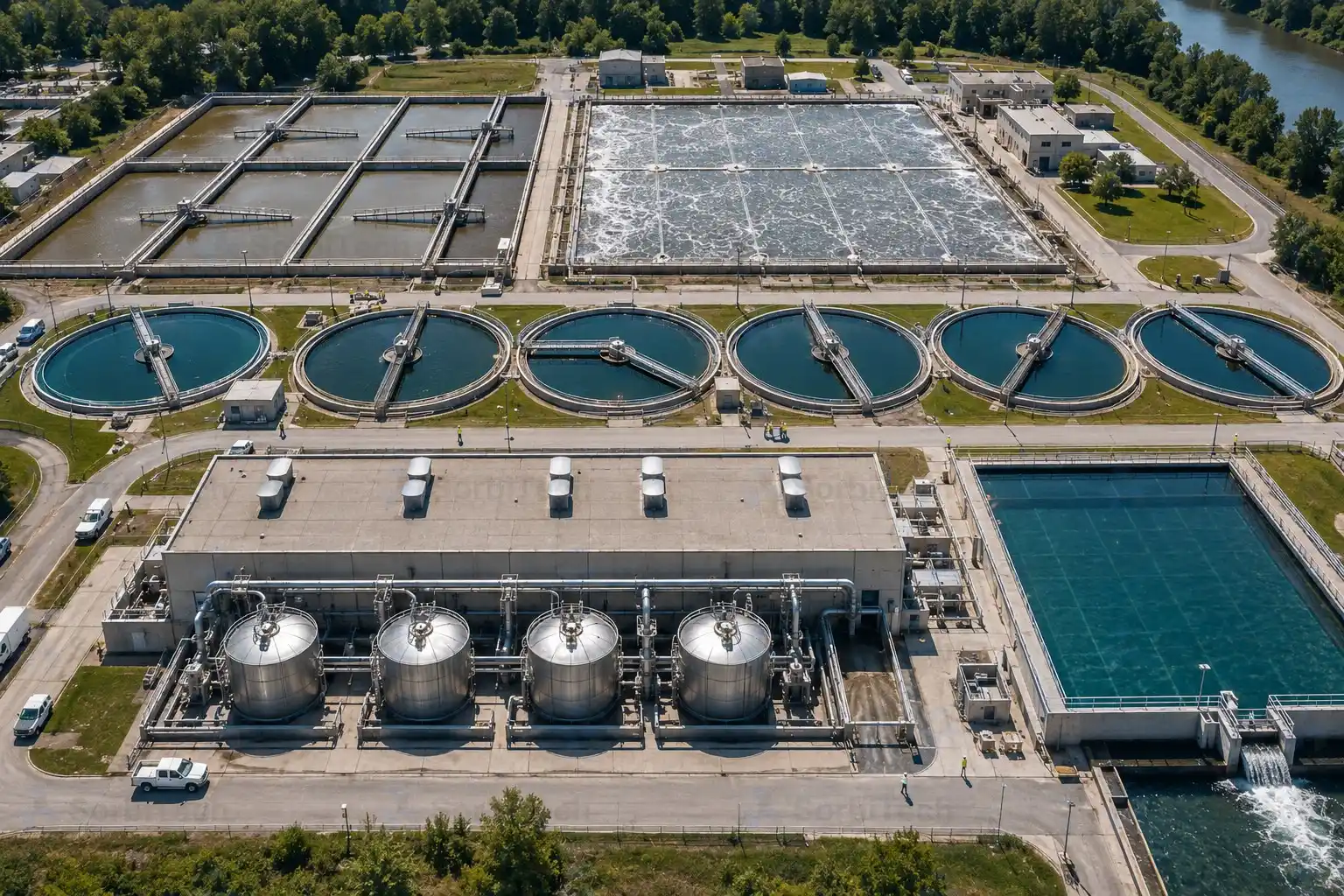
Municipal Water Treatment
Activated carbon and activated alumina for taste and odour, dechlorination, and fluoride removal in drinking water treatment. NSF eligible media and complete treatment units.
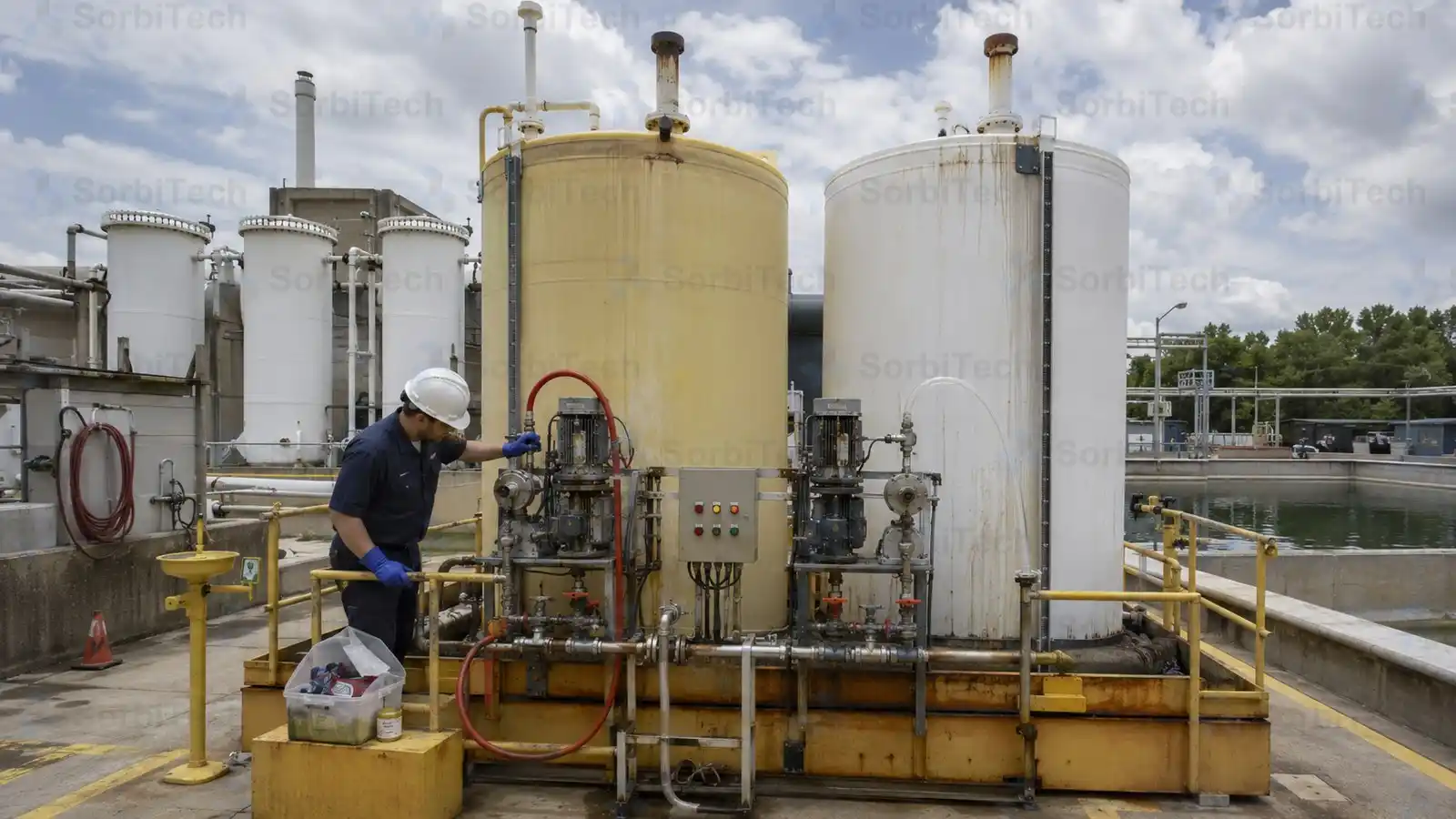
For municipal water treatment, SorbiTech supplies NSF eligible activated carbon for taste, odour, and dechlorination, and activated alumina for fluoride removal, together with the adsorption units to deploy them, improving drinking water quality for utilities and communities.
Utilities must meet drinking water standards for taste, odour, disinfection byproducts, fluoride, and emerging contaminants, often with limited budget and operator resource. SorbiTech addresses these with proven adsorption media and simple, robust treatment units.
Meeting Drinking Water Standards
Drinking water utilities have to meet a tightening set of standards, often with a constrained capital budget and a small operator team. The regulated parameters cover free chlorine and chloramine, taste and odour compounds, disinfection byproducts, fluoride, arsenic, and an emerging list of trace organics and per and polyfluoroalkyl substances.
SorbiTech delivers adsorption on activated carbon and activated alumina, which handles the central contaminants in that list with a low energy footprint and with operator routines that fit the staffing pattern of a typical municipal plant.
Taste, Odour, and Disinfection Byproducts
Granular activated carbon polishes the finished water from a conventional clarification and filtration plant. The duty covers chlorine residual control, chloramine reduction ahead of a reverse osmosis stage, removal of taste and odour compounds (notably geosmin and 2 methyl isoborneol from seasonal algal blooms), and reduction of trihalomethane and haloacetic acid precursors before chlorination.
The recommended grade is SorbiTech GAC 1240, supplied with empty bed contact time matched to the target. The bed is reactivated thermally rather than discarded, which lowers the lifecycle cost relative to single use.
Fluoride and Inorganic Contaminants
Activated alumina removes fluoride down to the WHO guideline of 1.5 mg per litre on a fixed bed adsorption cycle. The same adsorbent removes arsenic in the As(V) oxidation state. The duty is described under fluoride removal from drinking water and uses SorbiTech AA-201 in defluoridation grade.
For municipal plants the bed is regenerated on site with caustic and acid; for community plants the SorbiTech media is replaced on a cartridge schedule. Both routes meet the same outlet specification.
Dissolved Organics and Emerging Contaminants
Dissolved organic carbon, pharmaceutical residue, pesticide residue, and PFAS are increasingly covered by national drinking water consents. Granular activated carbon is the established treatment for the first three categories and is one of the two proven technologies for short and medium chain PFAS, in series with or downstream of ion exchange where the limit is tight. SorbiTech sizes the bed against the local raw water analysis and the contracted outlet.
Regulatory Framework: WHO, EU, US EPA, and Local Standards
A utility planning a new adsorption stage must satisfy two or three layered requirements: the global WHO baseline, the national or supranational regulation (EU Drinking Water Directive 2020/2184 or US EPA NPDWR), and the local public health authority guidance. SorbiTech tracks the regulatory developments in each jurisdiction and provides the design report and the certification documentation that the local regulator accepts.
Certified Media and Lifecycle Cost
Media supplied to municipal duty are eligible for NSF/ANSI 61 contact with drinking water and are released against a certificate of analysis per lot. Spent granular carbon is reactivated rather than discarded, which lowers the lifecycle cost by 40 to 60 percent and shrinks the disposal volume to almost nothing. A SorbiTech reactivation and top up contract holds bed activity within design limits over the contract period.
Pilot Testing and Raw Water Characterisation
A municipal water source rarely behaves exactly as the published average suggests. Seasonal turnover changes the dissolved organic carbon profile, agricultural run off shifts the pesticide load, and an upstream industrial discharge can change the contaminant mix without warning. A four to eight week pilot column on the actual raw water gives the design team the empty bed contact time, the projected service life, and the breakthrough behaviour that the regulator wants to see in the design report.
SorbiTech provides the pilot equipment, runs the analytical schedule against accredited laboratories, and delivers the design report with the recommended bed configuration. The same data informs the long term reactivation interval and the change out budget that the utility takes into its multi year capital plan.
Capital and Operating Cost for Mid Size Utilities
A typical mid size utility serving 50,000 to 250,000 population needs 4,000 to 20,000 m³/day of treatment capacity. The capital range for a granular activated carbon contactor scaled to that flow runs from EUR 800,000 to EUR 4 million, and the annual operating cost falls between EUR 0.02 and EUR 0.06 per cubic metre treated.
The largest single line on the operating cost is the carbon reactivation fee. A SorbiTech reactivation contract replaces the spent SorbiTech carbon at a 7 to 12 percent makeup loss and returns the regenerated mass to the plant within four to six weeks, which lets the utility schedule the change out around its seasonal demand curve.
Public Health Outcomes and Programme Reporting
Adsorption based treatment delivers measurable public health outcomes that the utility can report to its board and to the public health authority. Dental fluorosis incidence drops by 60 to 80 percent within five years of bringing a community defluoridation plant online. Taste and odour complaints fall by 90 percent or more after a granular activated carbon stage is added to a surface water plant during the seasonal algal bloom. Disinfection byproduct concentrations fall below the regulated limit, which removes the chronic exposure risk that the regulator weights heavily.
Each outcome is documented in a programme report that links the treatment investment to the health metric. SorbiTech provides the technical assistance for the report and the supporting performance data over the contract life.
Plant or Community Scale, Operator Training and Support
The same SorbiTech media and the same SorbiTech units serve a large central treatment plant and a decentralised community supply. SorbiTech delivers media alone, a containerised treatment unit, or a complete plant via SorbiTech EPC, and provides operator training, breakthrough monitoring protocols, and remote technical support throughout the service life. SorbiTech supplies GAC 1240 and AA-201 with SorbiTech contactor units for fluoride removal and other adsorption duties across this sector.
Products & Systems for Municipal Water Treatment
Adsorbents & Media
-
01
 Adsorbent
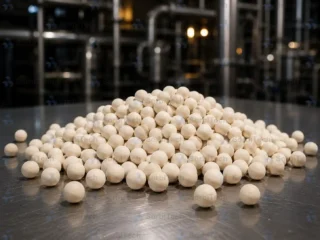
Activated Alumina AA-201
Smooth sphere activated alumina for compressed air and gas drying, fluoride removal, and guard bed duty.
Water Cap.
≥ 18 %
Adsorbent
Activated Alumina AA-201
Smooth sphere activated alumina for compressed air and gas drying, fluoride removal, and guard bed duty.
Water Cap.
≥ 18 %
-
02
 Adsorbent
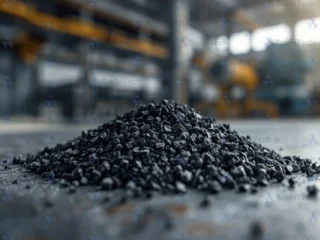
Activated Carbon GAC 1240
Coal based granular activated carbon for dechlorination, taste and odour, and dissolved organics in water.
Form
12 × 40 US mesh (0.42–1.70 mm)
Adsorbent
Activated Carbon GAC 1240
Coal based granular activated carbon for dechlorination, taste and odour, and dissolved organics in water.
Form
12 × 40 US mesh (0.42–1.70 mm)
-
03
 Adsorbent
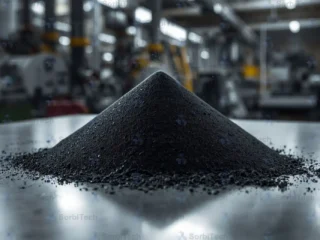
Powdered Activated Carbon
Fine powder carbon for slurry dosing in water treatment, sugar decolorization, pharmaceutical purification, and emergency contamination response.
Form
200×325 mesh (45–75 µm)
Adsorbent
Powdered Activated Carbon
Fine powder carbon for slurry dosing in water treatment, sugar decolorization, pharmaceutical purification, and emergency contamination response.
Form
200×325 mesh (45–75 µm)
Engineered Systems
-
01
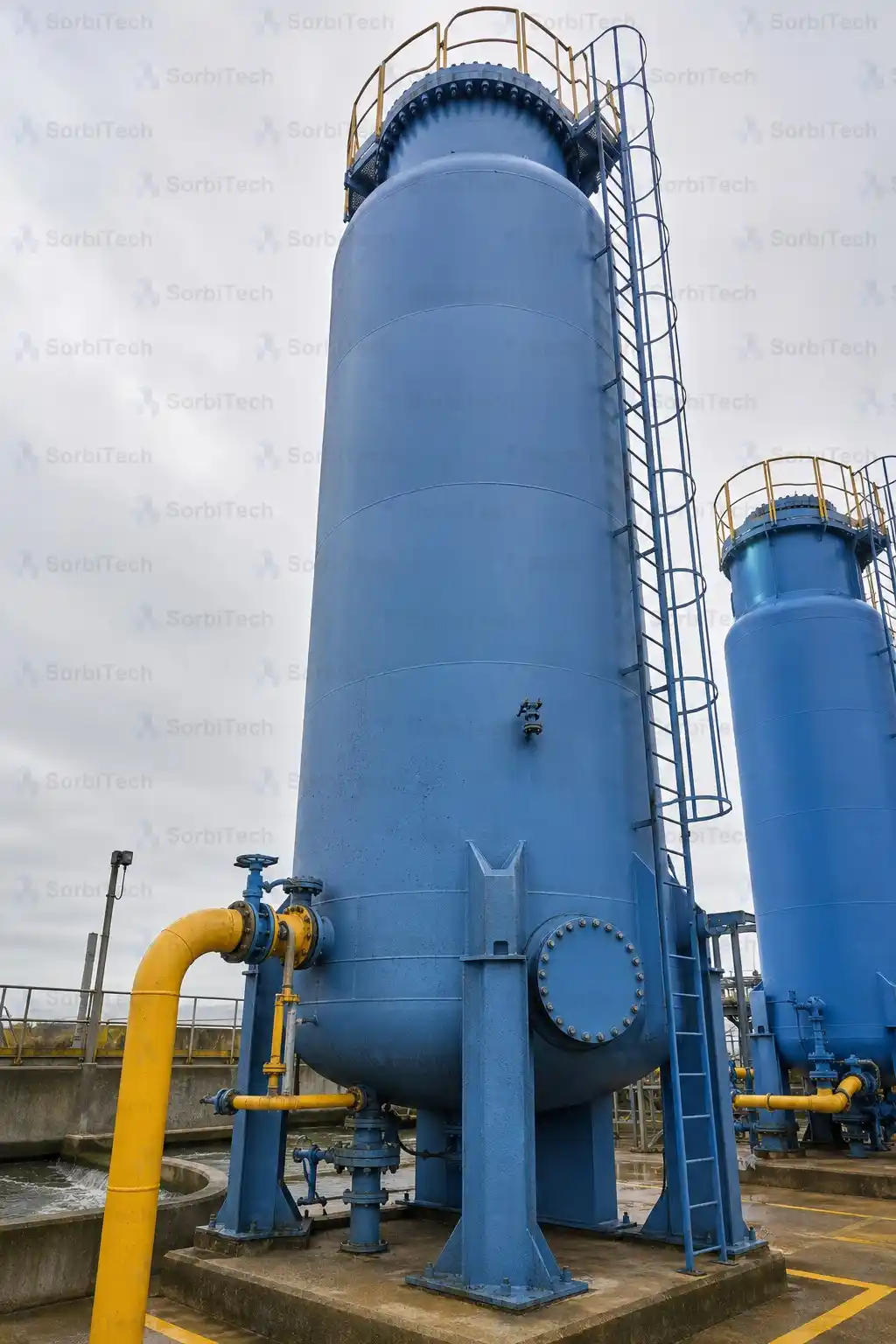 Equipment
Activated Carbon Water Contactor
Granular activated carbon fixed bed water contactor for dechlorination, taste and odour, dissolved organic carbon, and emerging contaminant polishing in drinking water and process…
Capacity
5–2,000 m³/h
Equipment
Activated Carbon Water Contactor
Granular activated carbon fixed bed water contactor for dechlorination, taste and odour, dissolved organic carbon, and emerging contaminant polishing in drinking water and process…
Capacity
5–2,000 m³/h
-
02
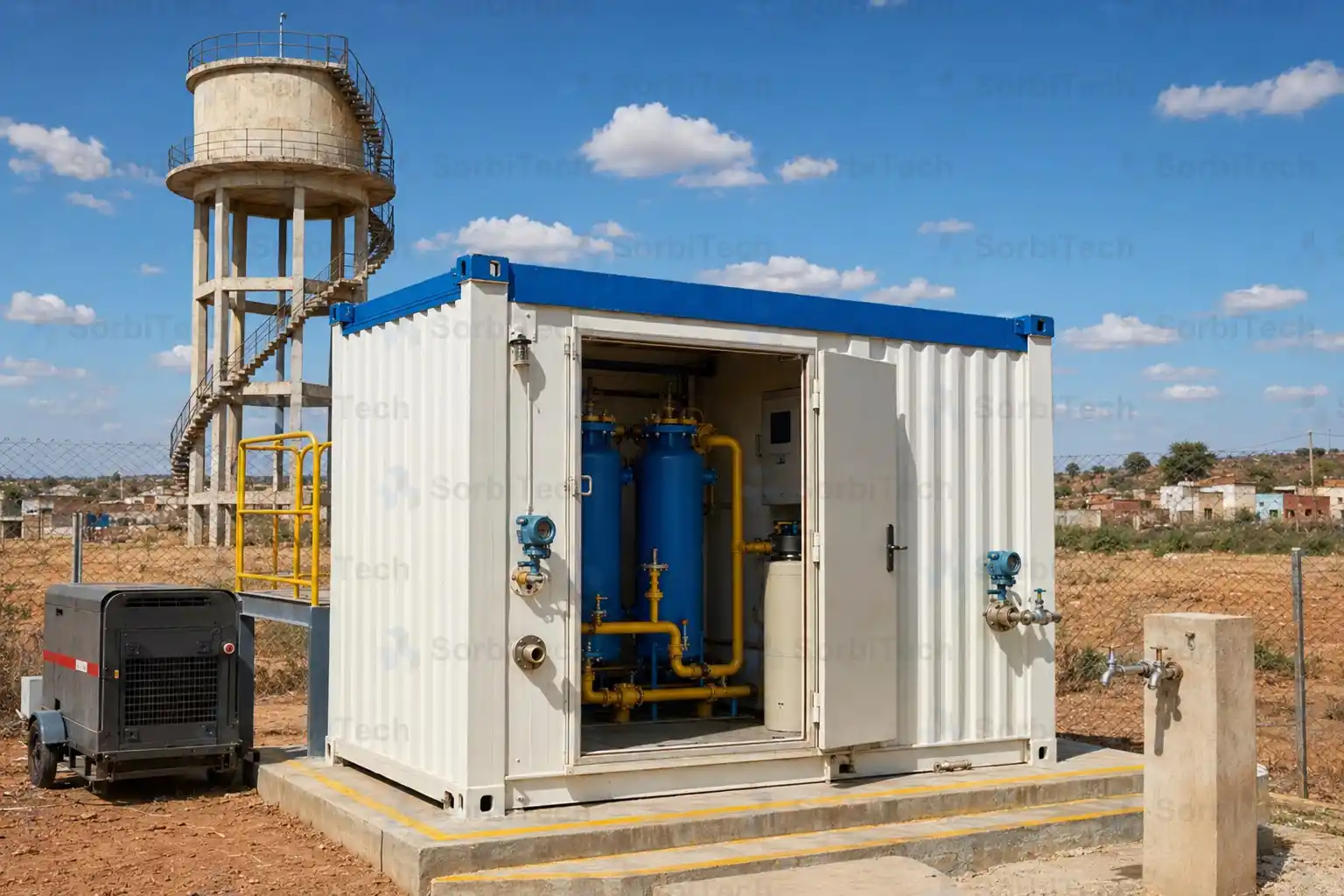 Equipment
Community Defluoridation Treatment Unit
Containerised activated alumina defluoridation unit for community and decentralised drinking water supply to the WHO guideline of 1.5 mg per litre.
Capacity
0.5–50 m³/h
Equipment
Community Defluoridation Treatment Unit
Containerised activated alumina defluoridation unit for community and decentralised drinking water supply to the WHO guideline of 1.5 mg per litre.
Capacity
0.5–50 m³/h
-
03
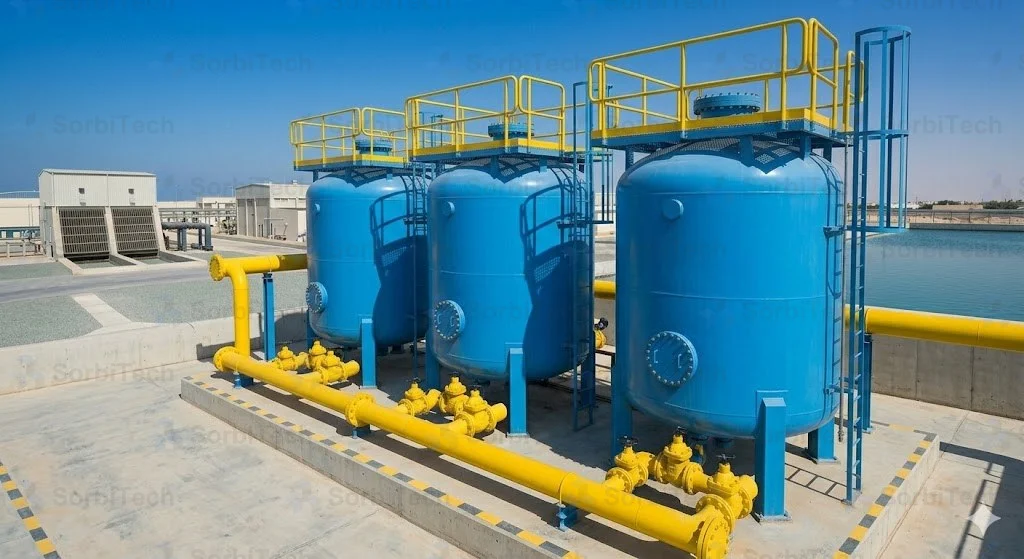 Equipment
Multi Media Filter
Multi media filter for suspended solids and turbidity removal upstream of activated carbon polishing, reverse osmosis, or process reuse in water treatment trains.
Capacity
5–500 m³/h
Equipment
Multi Media Filter
Multi media filter for suspended solids and turbidity removal upstream of activated carbon polishing, reverse osmosis, or process reuse in water treatment trains.
Capacity
5–500 m³/h
Key Applications in This Sector
-
01
 Process Duty
Arsenic Removal from Water
Activated alumina and specialty iron oxide media for arsenic removal from drinking water supplies in geological belts where natural arsenic exceeds the WHO guideline…
Process Duty
Arsenic Removal from Water
Activated alumina and specialty iron oxide media for arsenic removal from drinking water supplies in geological belts where natural arsenic exceeds the WHO guideline…
-
02
 Process Duty
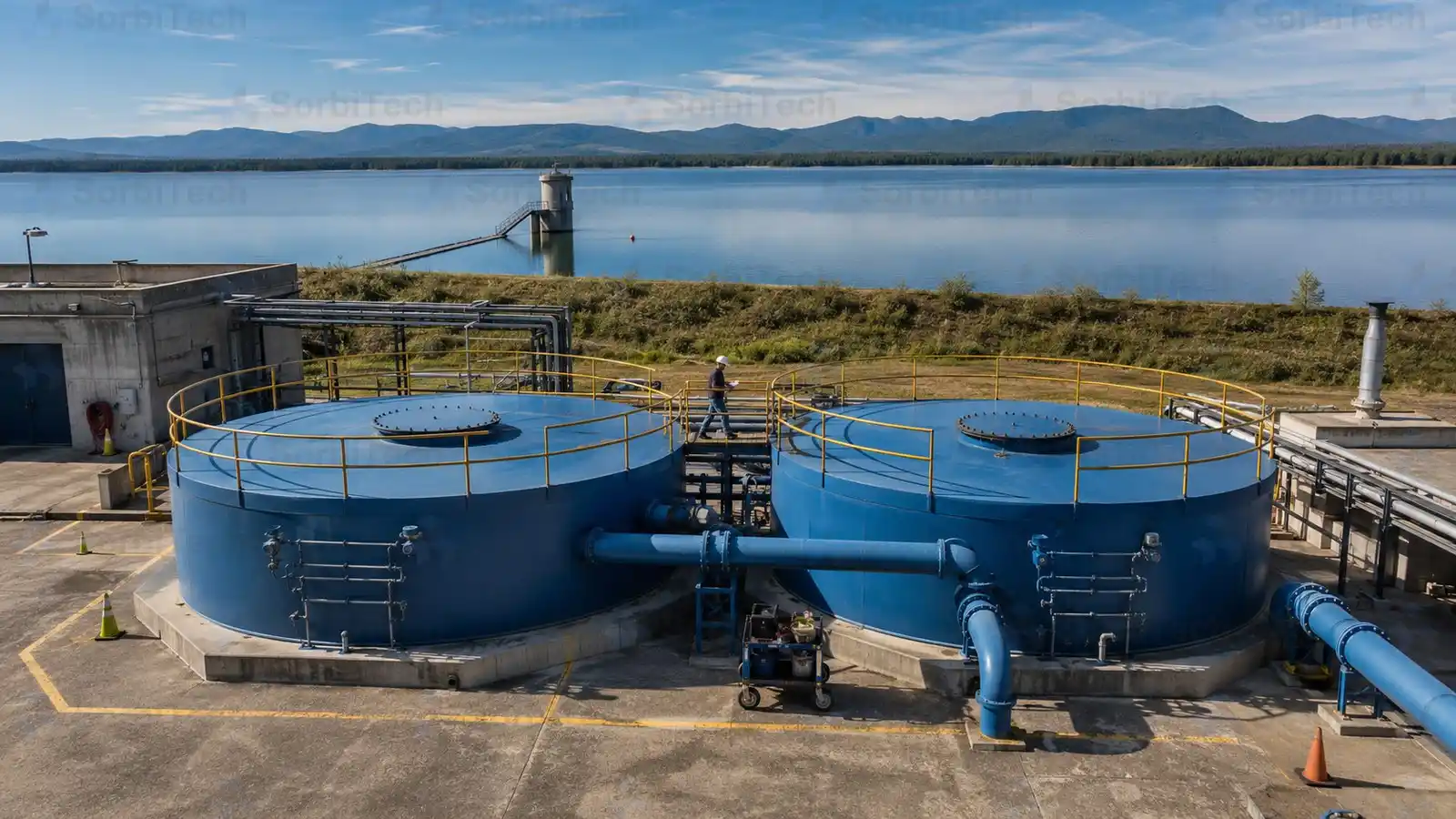
Taste and Odor Removal from Drinking Water
Granular activated carbon removal of taste and odour compounds (geosmin, 2 methylisoborneol, algal toxins) from drinking water supplies affected by seasonal algal blooms and…
Process Duty
Taste and Odor Removal from Drinking Water
Granular activated carbon removal of taste and odour compounds (geosmin, 2 methylisoborneol, algal toxins) from drinking water supplies affected by seasonal algal blooms and…
-
03
 Process Duty
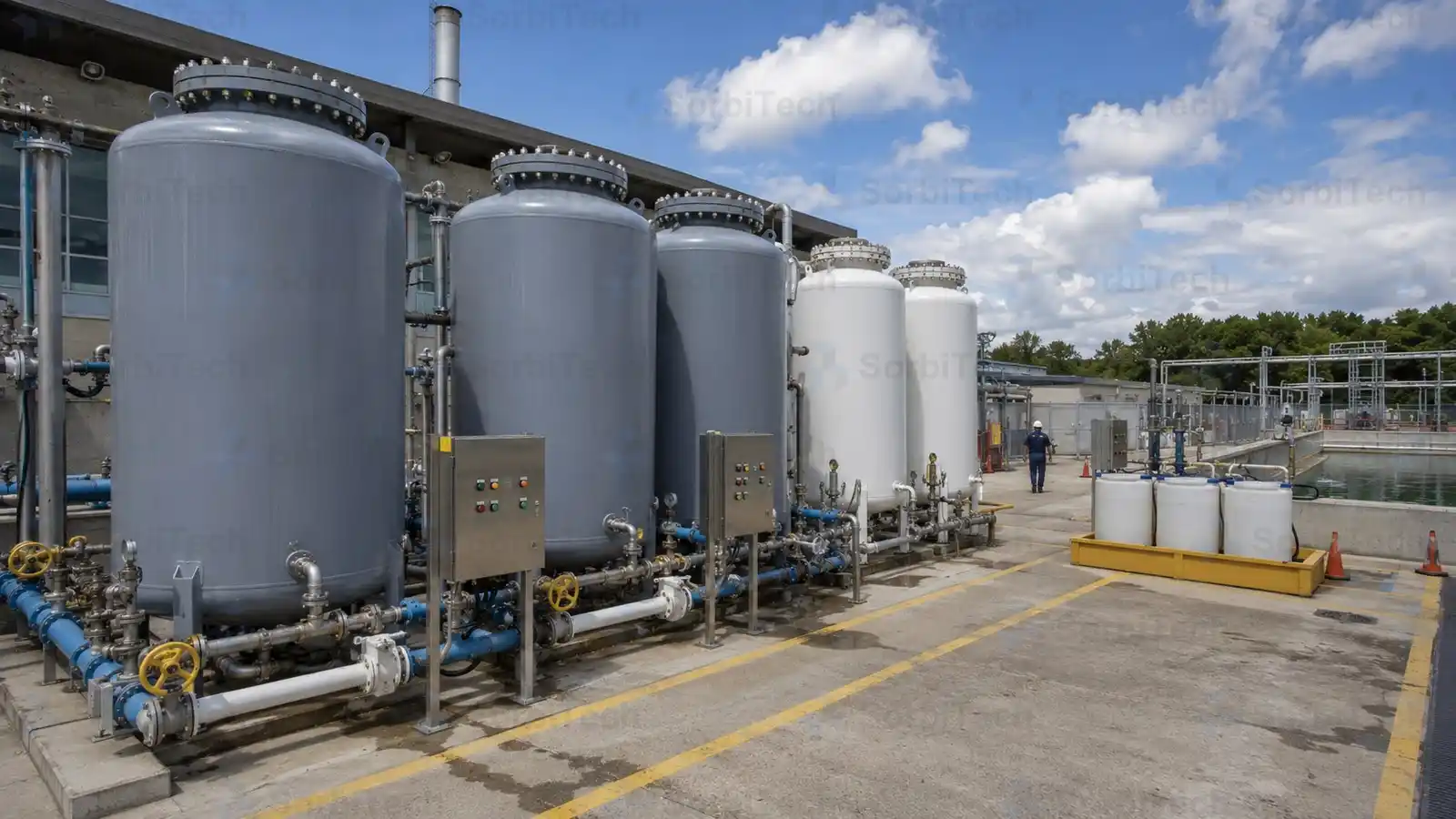
PFAS Removal from Water
Granular activated carbon and specialty media for per and polyfluoroalkyl substance (PFAS) removal from drinking water, industrial process water, and remediation projects to meet…
Process Duty
PFAS Removal from Water
Granular activated carbon and specialty media for per and polyfluoroalkyl substance (PFAS) removal from drinking water, industrial process water, and remediation projects to meet…
-
04
 Process Duty
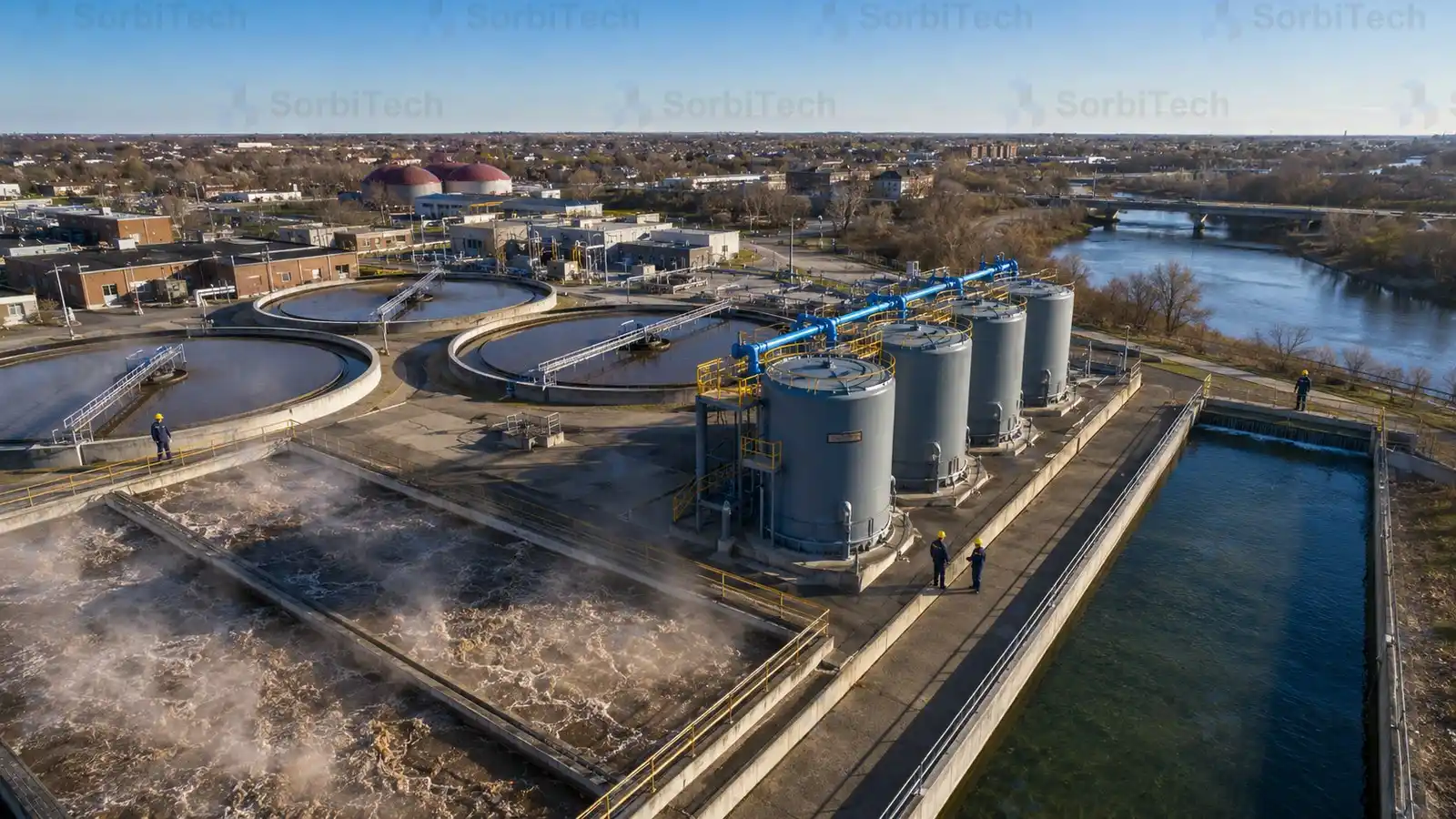
Wastewater Tertiary Polishing
Tertiary polishing of biologically treated wastewater using granular activated carbon to remove micropollutants, dissolved organic carbon, and trace contaminants before discharge or reuse.
Process Duty
Wastewater Tertiary Polishing
Tertiary polishing of biologically treated wastewater using granular activated carbon to remove micropollutants, dissolved organic carbon, and trace contaminants before discharge or reuse.
-
05
 Process Duty
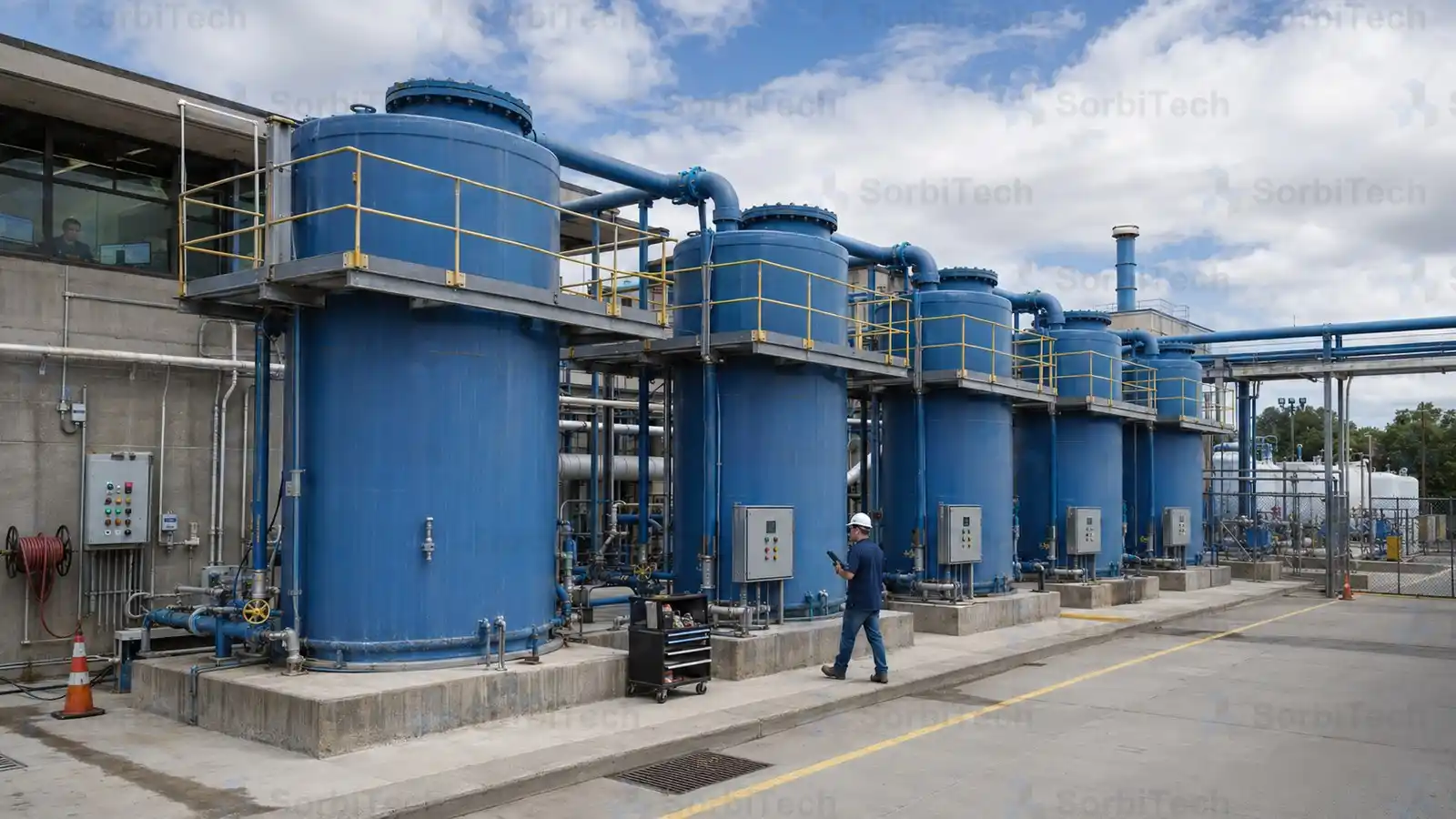
Municipal Drinking Water Treatment
Granular activated carbon polishing for municipal drinking water treatment plants targeting taste, odour, disinfection byproducts, dissolved organic carbon, and emerging contaminants.
Process Duty
Municipal Drinking Water Treatment
Granular activated carbon polishing for municipal drinking water treatment plants targeting taste, odour, disinfection byproducts, dissolved organic carbon, and emerging contaminants.
-
06
 Process Duty
Fluoride Removal from Drinking Water
Reducing fluoride in drinking water to WHO limits using activated alumina adsorption, for municipal and community water supply in affected regions.
Process Duty
Fluoride Removal from Drinking Water
Reducing fluoride in drinking water to WHO limits using activated alumina adsorption, for municipal and community water supply in affected regions.
Discuss Your Municipal Water Treatment Requirements
Our team has direct experience in this sector. We review your duty conditions and recommend a complete solution.