
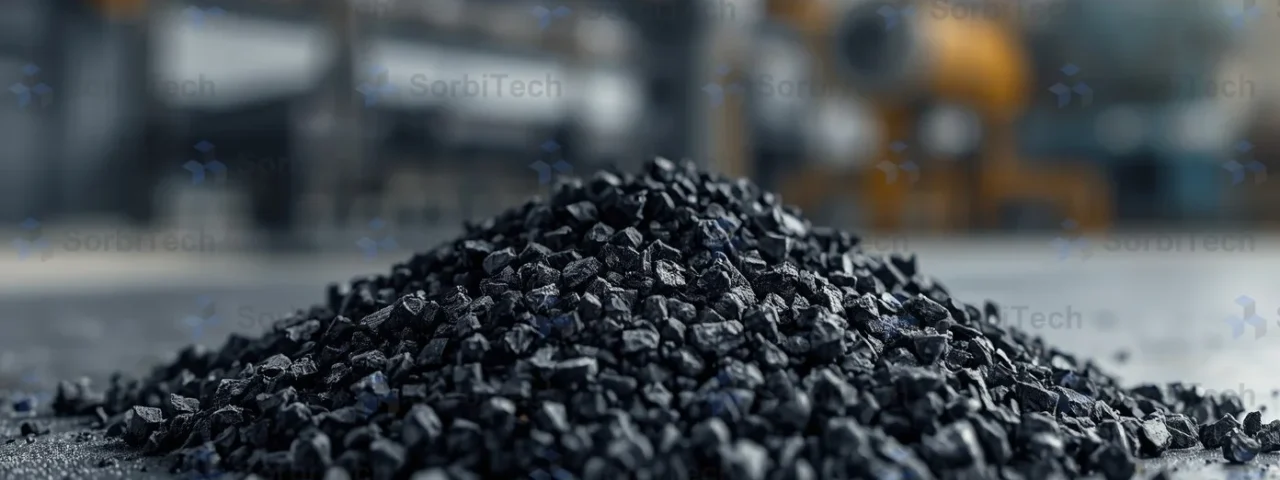
Activated Carbon GAC 1240
Coal based granular activated carbon for dechlorination, taste and odour, and dissolved organics in water.
Activated Carbon GAC 1240 is a coal based granular activated carbon, 12 by 40 mesh, with an iodine number of 1000 mg per gram or more. It removes chlorine, taste, odour, colour, and dissolved organic compounds from water by physical adsorption, and is used in municipal drinking water filters and in industrial process water polishing.
NSF/ANSI 61 eligible · ISO 9001:2015
ASTM D4607 (iodine), ASTM D3802 (hardness)
SorbiTech, Middle East
COA per lot · activity and hardness verified

A Coal Based Liquid Phase Carbon
GAC 1240 is the SorbiTech granular activated carbon for liquid phase duties. SorbiTech manufactures the grade from selected bituminous coal by carbonisation followed by steam activation. The 12 by 40 US mesh size (0.42 to 1.70 mm) places it in the liquid phase grade range: large enough to give a low pressure drop in a deep water filter, small enough to give the surface area and the mass transfer kinetics required for dechlorination, taste and odour, and dissolved organic carbon removal.
The iodine number of 1000 mg per gram or more confirms a developed micro pore network, and the hardness number above 90 percent confirms mechanical strength sufficient for backwashing in service.
Pore Architecture and Adsorption
A liquid phase carbon needs three pore size classes working together. Macro pores, above 50 nm, are the transport network that carries the contaminant from the bulk water into the granule. Meso pores, 2 to 50 nm, branch off the macro pores and connect them to the active surface. Micro pores, below 2 nm, hold the adsorbed contaminant on a surface area of around 1000 m²/g.
For taste and odour molecules such as geosmin and 2 methyl isoborneol, and for dissolved organic carbon, this three tier architecture gives a fast approach to equilibrium without the kinetic limitations of a finer powdered carbon. The granule is also large enough to be retained by a normal underdrain, which is why SorbiTech specifies GAC 1240 for fixed bed contactors rather than a pulsed bed or a slurry.
Sizing by Empty Bed Contact Time
A carbon bed is sized by empty bed contact time, not by a fixed dose. The EBCT is the bed volume divided by the volumetric flow.
- Dechlorination: 2 to 6 minutes
- Taste and odour, including geosmin and MIB: 8 to 15 minutes
- Dissolved organic carbon and trihalomethane precursor removal: 15 to 25 minutes
- Filtration velocity: 8 to 15 m/h, with backwash at 25 to 40 m/h
The bed depth follows from the velocity and the contact time. A deeper bed at the same EBCT gives a longer service life because the mass transfer zone occupies a smaller fraction of the bed volume.
Reactivation and Lifecycle Economics
When the carbon is spent, the granules are thermally reactivated in a rotary or multiple hearth furnace at 850 to 950 °C in a controlled steam atmosphere. The adsorbed organic load is driven off and the pore network is restored. Reactivated carbon is returned to service at 85 to 95 percent of virgin activity, and the same lot is reused for several cycles before makeup is required.
A SorbiTech reactivation contract is the deciding economic feature of granular over powdered carbon. The avoided cost of new media and the avoided disposal of spent media together lower the lifecycle cost of a water filter by 40 to 60 percent compared with single use operation.
Backwash and Bed Maintenance
A fixed bed carbon filter is backwashed once every 7 to 30 days to lift fines and surface debris and to restratify the granules after attrition. Backwash flow is 25 to 40 m/h, three to four times the service velocity, and the bed expands by 20 to 30 percent before the wash water passes to the waste channel.
Air scour ahead of the water backwash dislodges biological growth and is recommended for raw waters with elevated dissolved organic carbon. The maintenance cycle does not consume carbon mass, so the regulated bed depth is restored as long as the operator records lost fines and tops up at intervals set by the SorbiTech service contract.
NSF Eligibility and Supply
Manufactured to ISO 9001:2015 to grades eligible for NSF/ANSI 61 contact with drinking water, with each lot released against a certificate of analysis covering iodine number, hardness, moisture, and ash. Supplied in 25 kg bags or 500 kg big bags. Available as media alone, inside a complete water contactor unit built by SorbiTech, or with a reactivation and top up programme that holds carbon activity within design limits over the contract period. SorbiTech delivers the GAC 1240 grade in water treatment trains and across the municipal water sector, with the parent activated carbon family and matching polishing skids.
Supplied in 25 kg bags or big bags, with reactivation programmes available.
Process Applications
-
01
 Process Duty
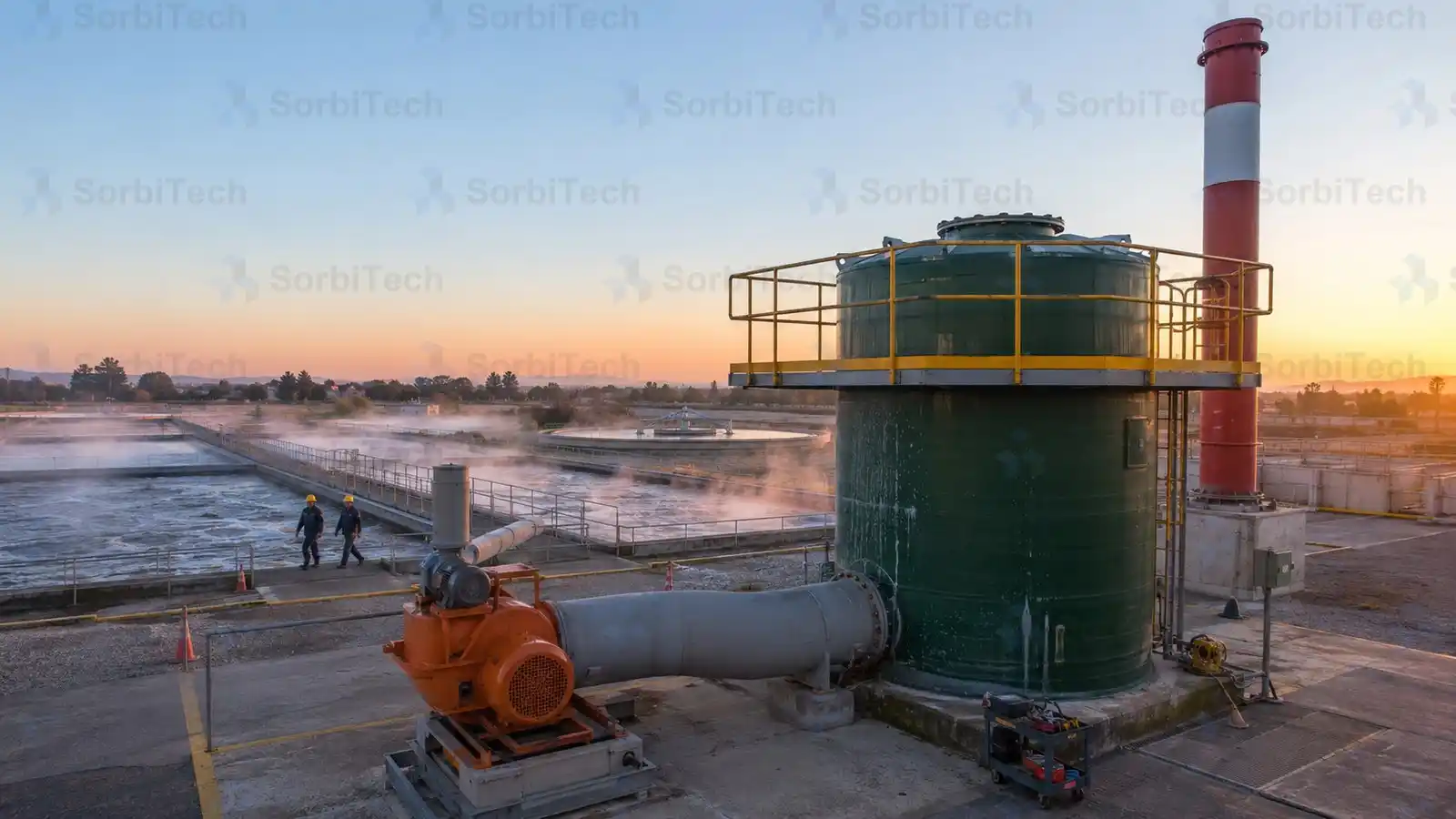
Industrial Odor and Air Stream Carbon Filtration
Pellet and impregnated activated carbon filters for industrial odor control on wastewater treatment plant vents, sewage pumping stations, food processing exhausts, and manufacturing odor…
Process Duty
Industrial Odor and Air Stream Carbon Filtration
Pellet and impregnated activated carbon filters for industrial odor control on wastewater treatment plant vents, sewage pumping stations, food processing exhausts, and manufacturing odor…
-
02
 Process Duty
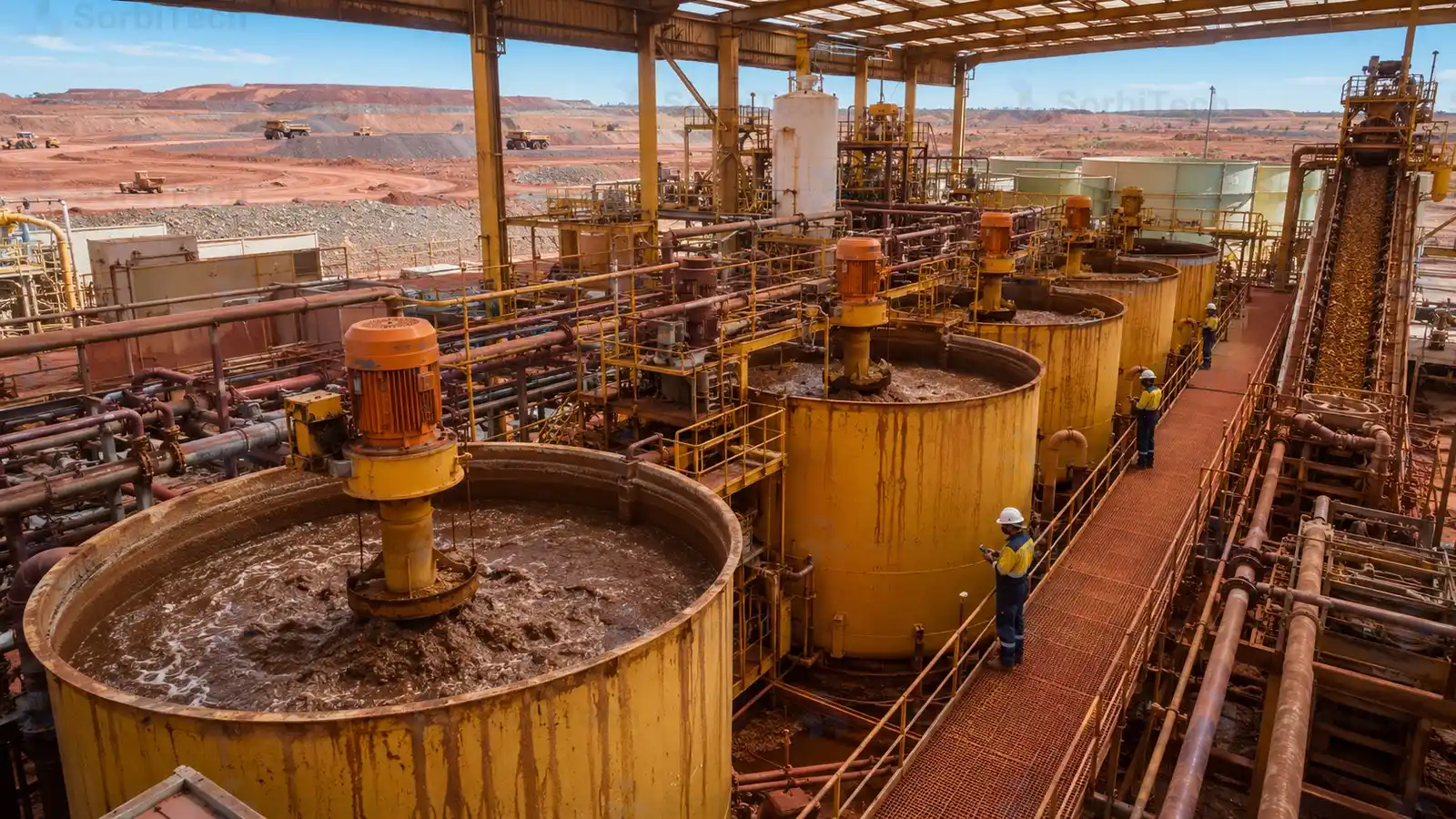
Gold Recovery (CIP / CIL)
Carbon in pulp (CIP) and carbon in leach (CIL) gold recovery using high activity coconut shell granular activated carbon to adsorb dissolved gold cyanide…
Process Duty
Gold Recovery (CIP / CIL)
Carbon in pulp (CIP) and carbon in leach (CIL) gold recovery using high activity coconut shell granular activated carbon to adsorb dissolved gold cyanide…
-
03
 Process Duty
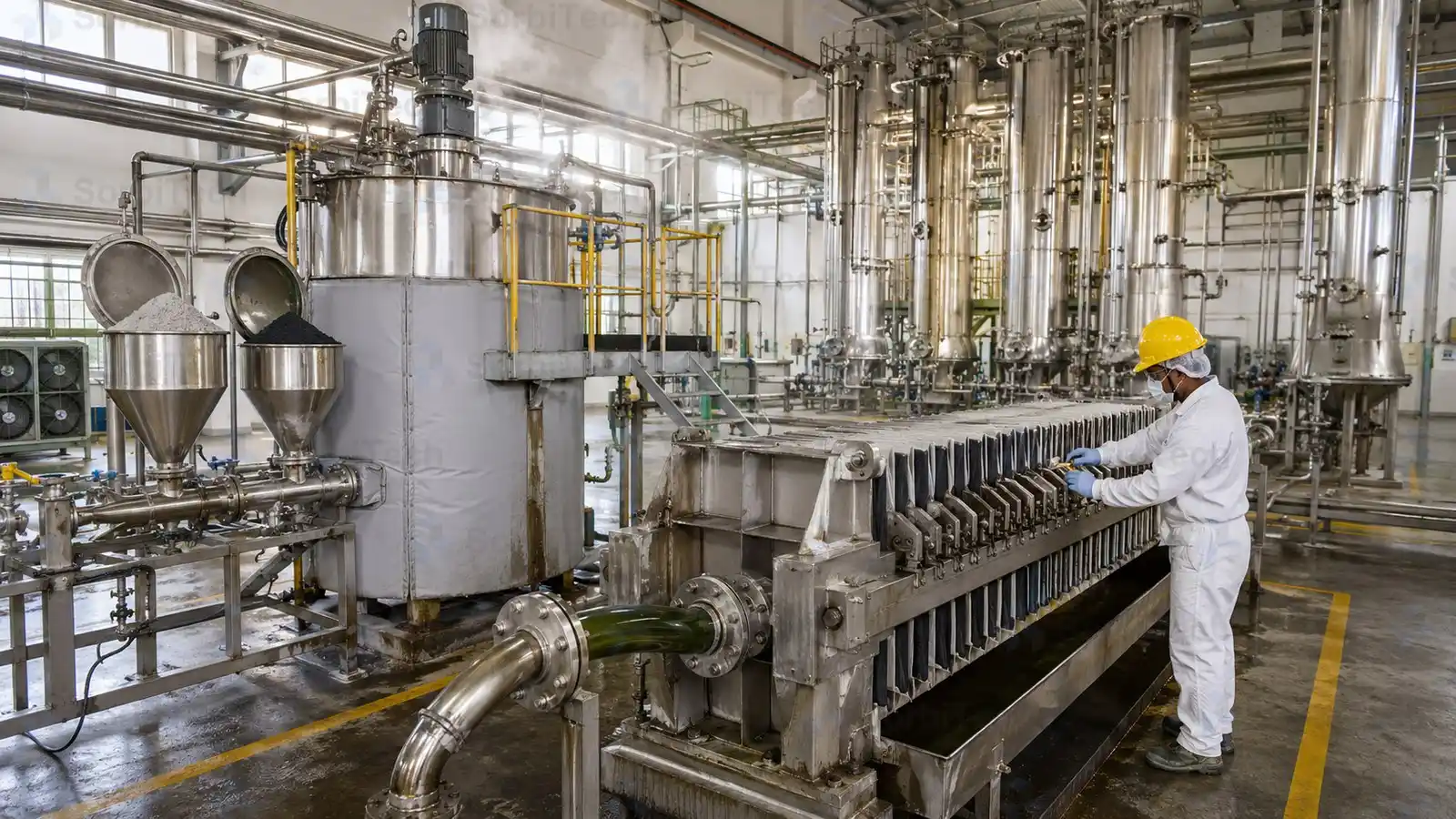
Edible Oil Bleaching
Powdered activated carbon and bleaching earth combination for edible oil bleaching to remove chlorophyll, carotenoids, and oxidation products from palm, sunflower, soybean, and canola…
Process Duty
Edible Oil Bleaching
Powdered activated carbon and bleaching earth combination for edible oil bleaching to remove chlorophyll, carotenoids, and oxidation products from palm, sunflower, soybean, and canola…
-
04
 Process Duty
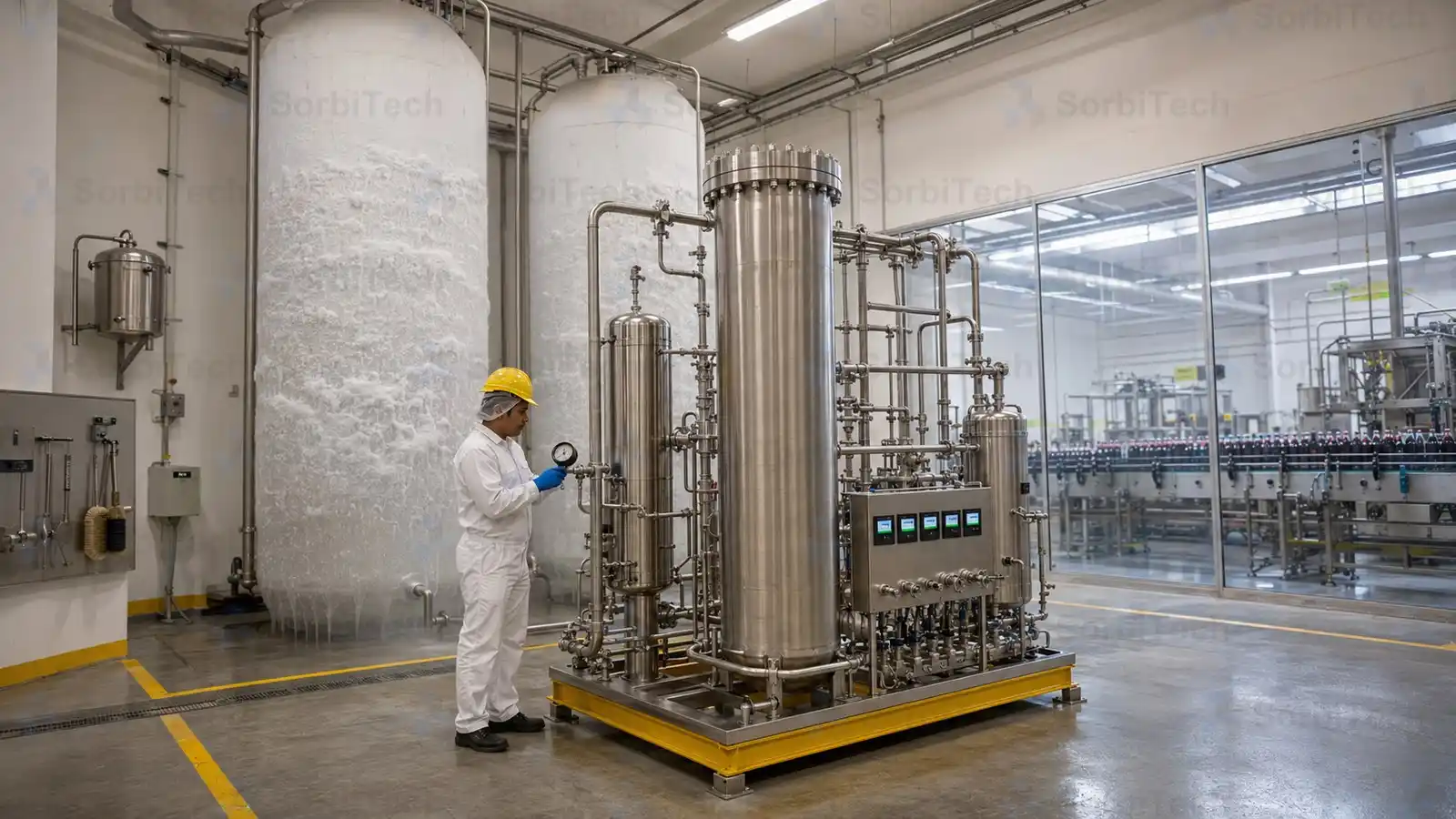
Beverage Carbon Dioxide Purification
Pellet activated carbon guard bed for beverage grade carbon dioxide purification meeting ISBT (International Society of Beverage Technologists) specifications for carbonated soft drinks, beer,…
Process Duty
Beverage Carbon Dioxide Purification
Pellet activated carbon guard bed for beverage grade carbon dioxide purification meeting ISBT (International Society of Beverage Technologists) specifications for carbonated soft drinks, beer,…
-
05
 Process Duty
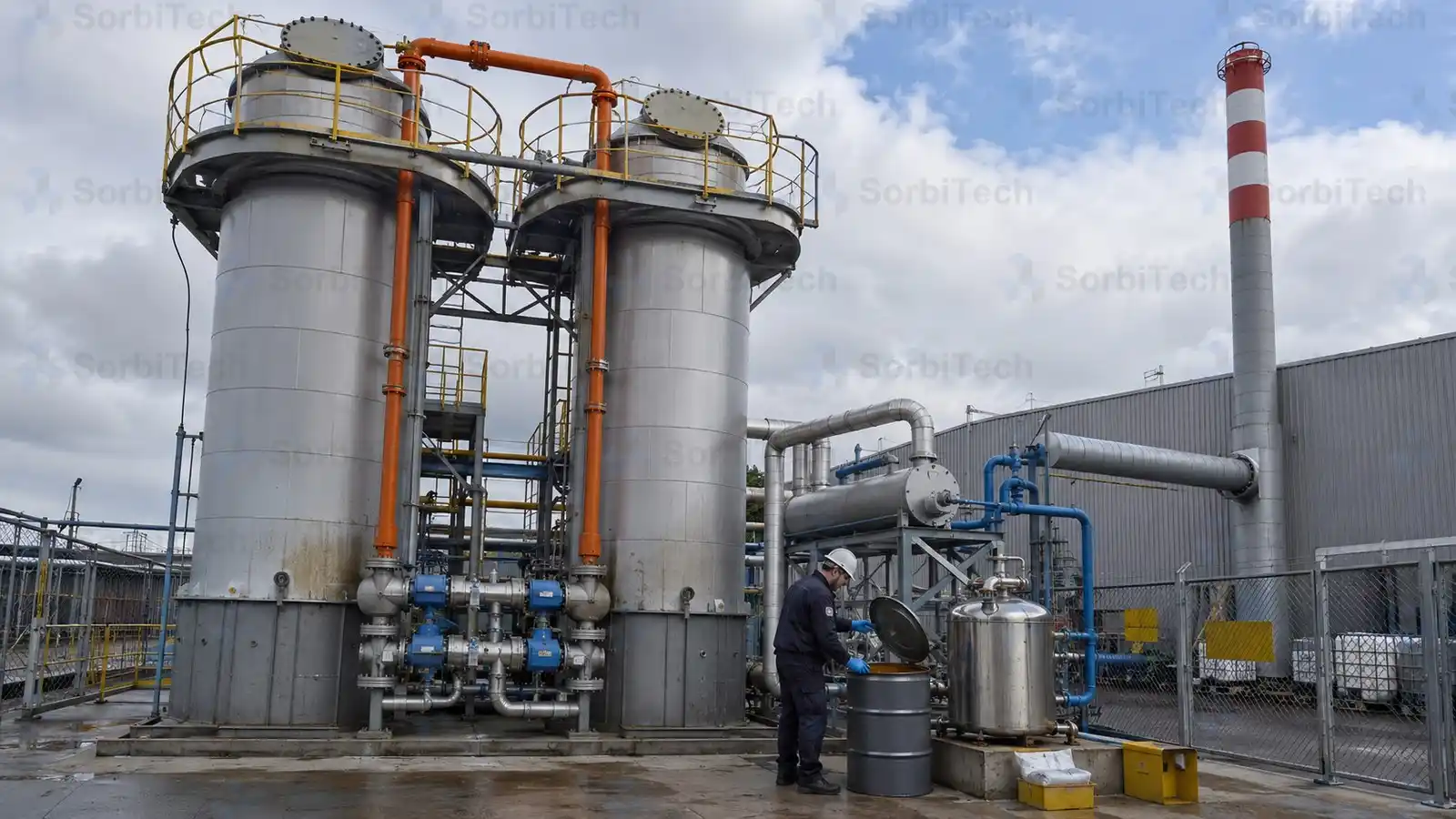
Solvent Vapor Recovery
Solvent vapor recovery using twin tower pellet activated carbon adsorbers with steam or vacuum regeneration to capture and recover volatile organic solvents from process…
Process Duty
Solvent Vapor Recovery
Solvent vapor recovery using twin tower pellet activated carbon adsorbers with steam or vacuum regeneration to capture and recover volatile organic solvents from process…
-
06
 Process Duty
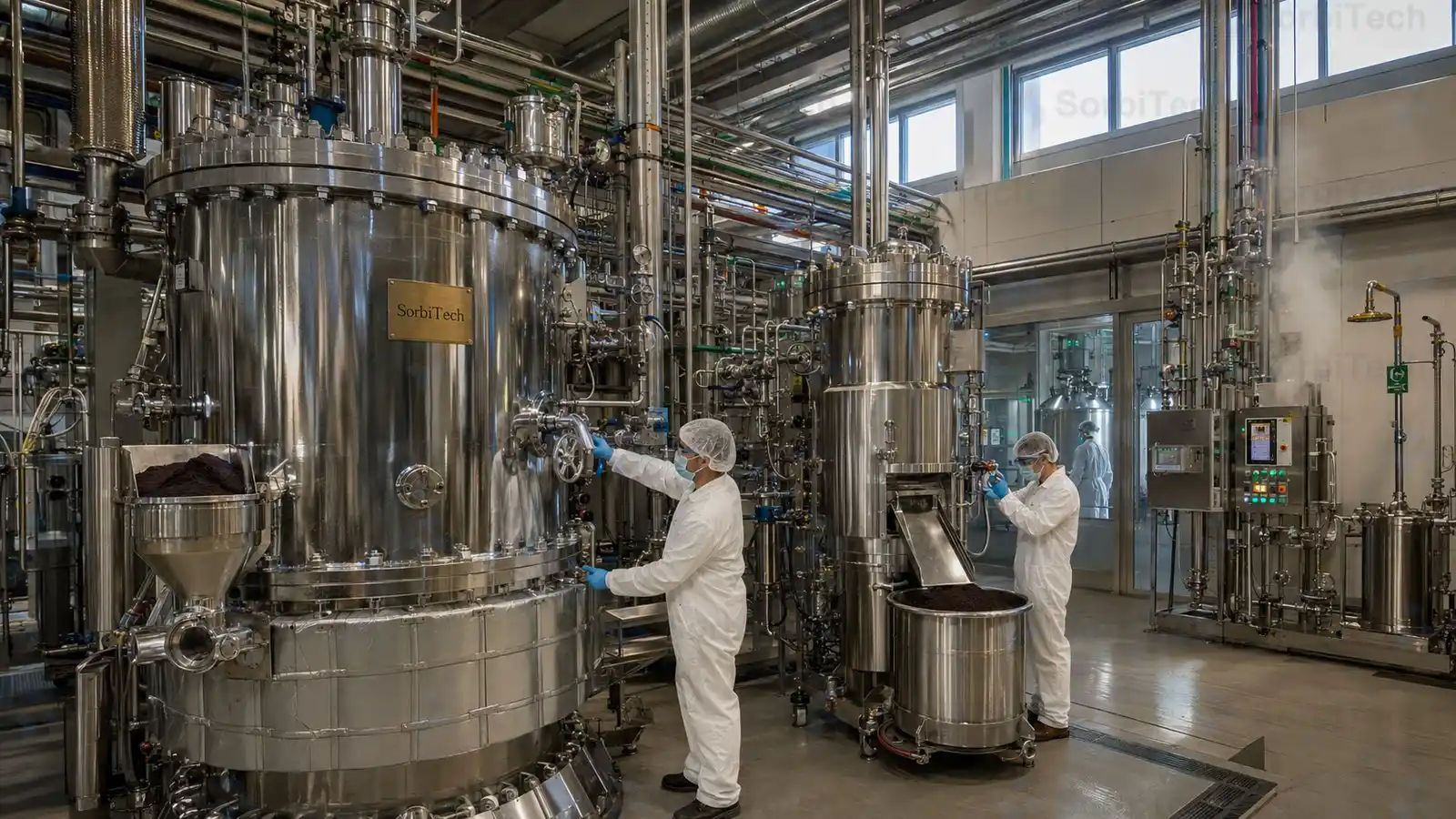
Pharmaceutical API Purification
USP and EP grade powdered activated carbon for active pharmaceutical ingredient (API) purification by slurry contact, removing colour bodies, residual catalysts, and trace impurities…
Process Duty
Pharmaceutical API Purification
USP and EP grade powdered activated carbon for active pharmaceutical ingredient (API) purification by slurry contact, removing colour bodies, residual catalysts, and trace impurities…
Compatible Systems
-
01
 Equipment
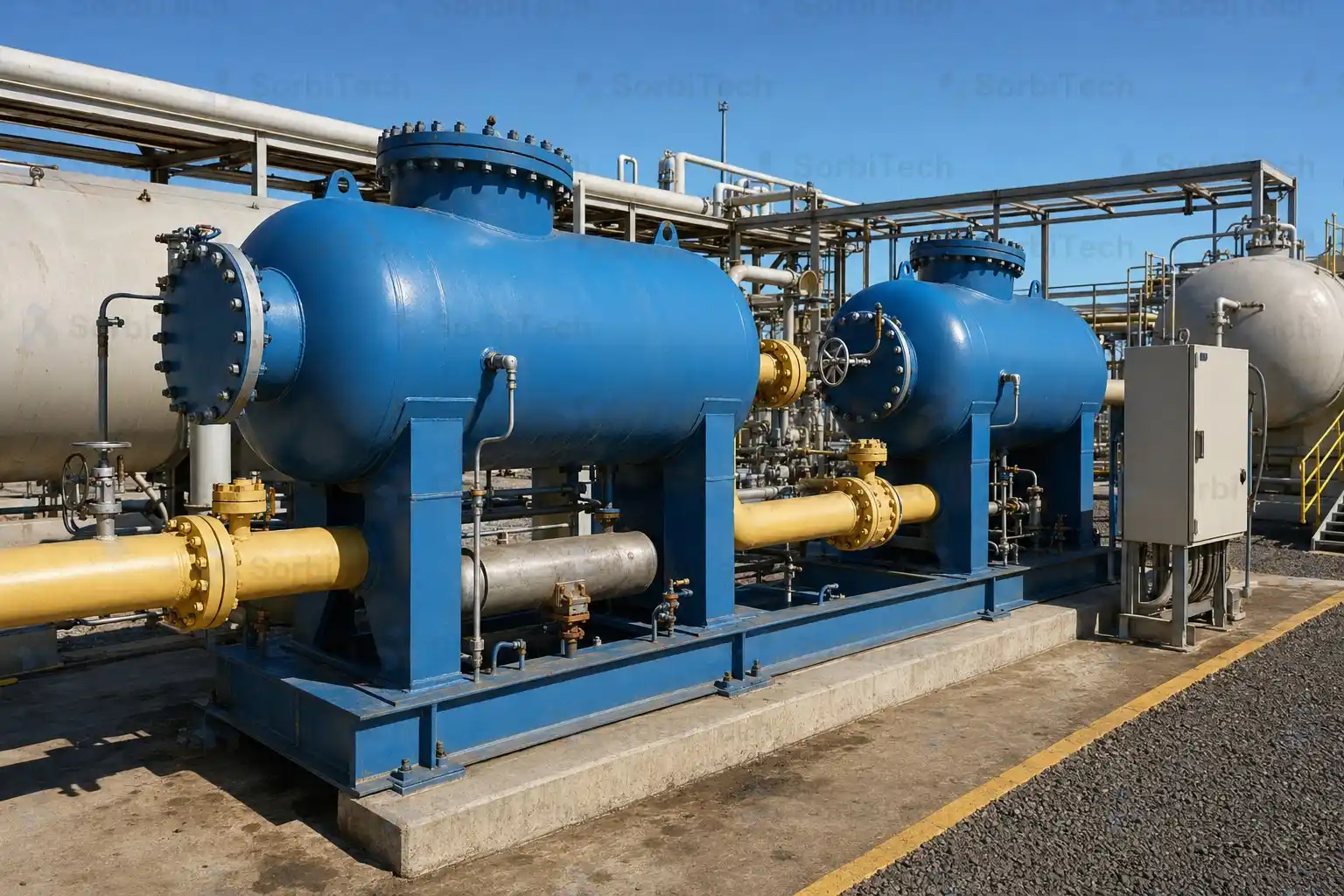
Coalescing Filtration Skid
Two stage coalescer and separator skid that removes fine dispersed hydrocarbons and solids from water down to single digit ppm. It is the polishing…
Capacity
2–200 m³/h
Equipment
Coalescing Filtration Skid
Two stage coalescer and separator skid that removes fine dispersed hydrocarbons and solids from water down to single digit ppm. It is the polishing…
Capacity
2–200 m³/h
-
02
 Equipment
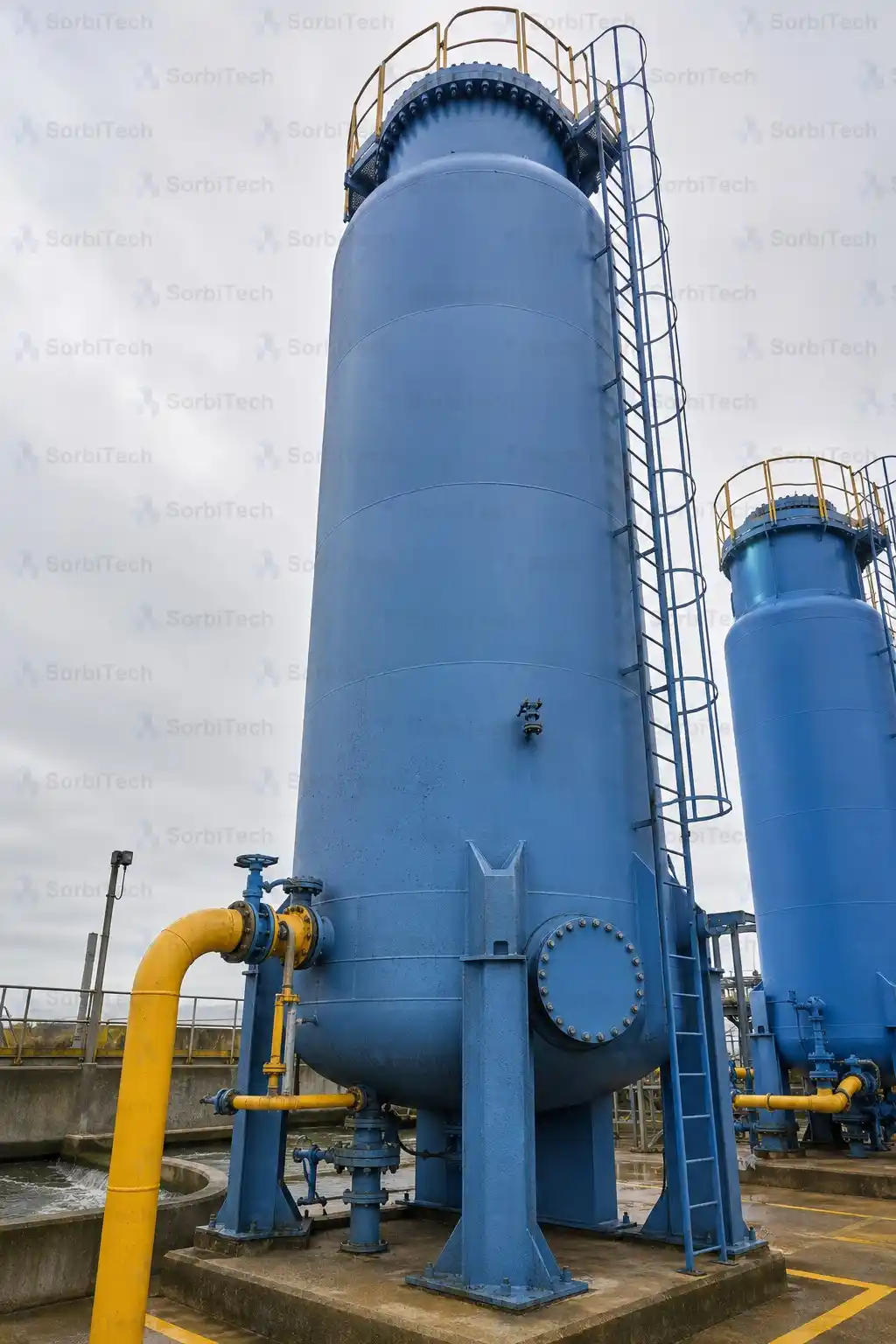
Activated Carbon Water Contactor
Granular activated carbon fixed bed water contactor for dechlorination, taste and odour, dissolved organic carbon, and emerging contaminant polishing in drinking water and process…
Capacity
5–2,000 m³/h
Equipment
Activated Carbon Water Contactor
Granular activated carbon fixed bed water contactor for dechlorination, taste and odour, dissolved organic carbon, and emerging contaminant polishing in drinking water and process…
Capacity
5–2,000 m³/h
-
03
 Equipment
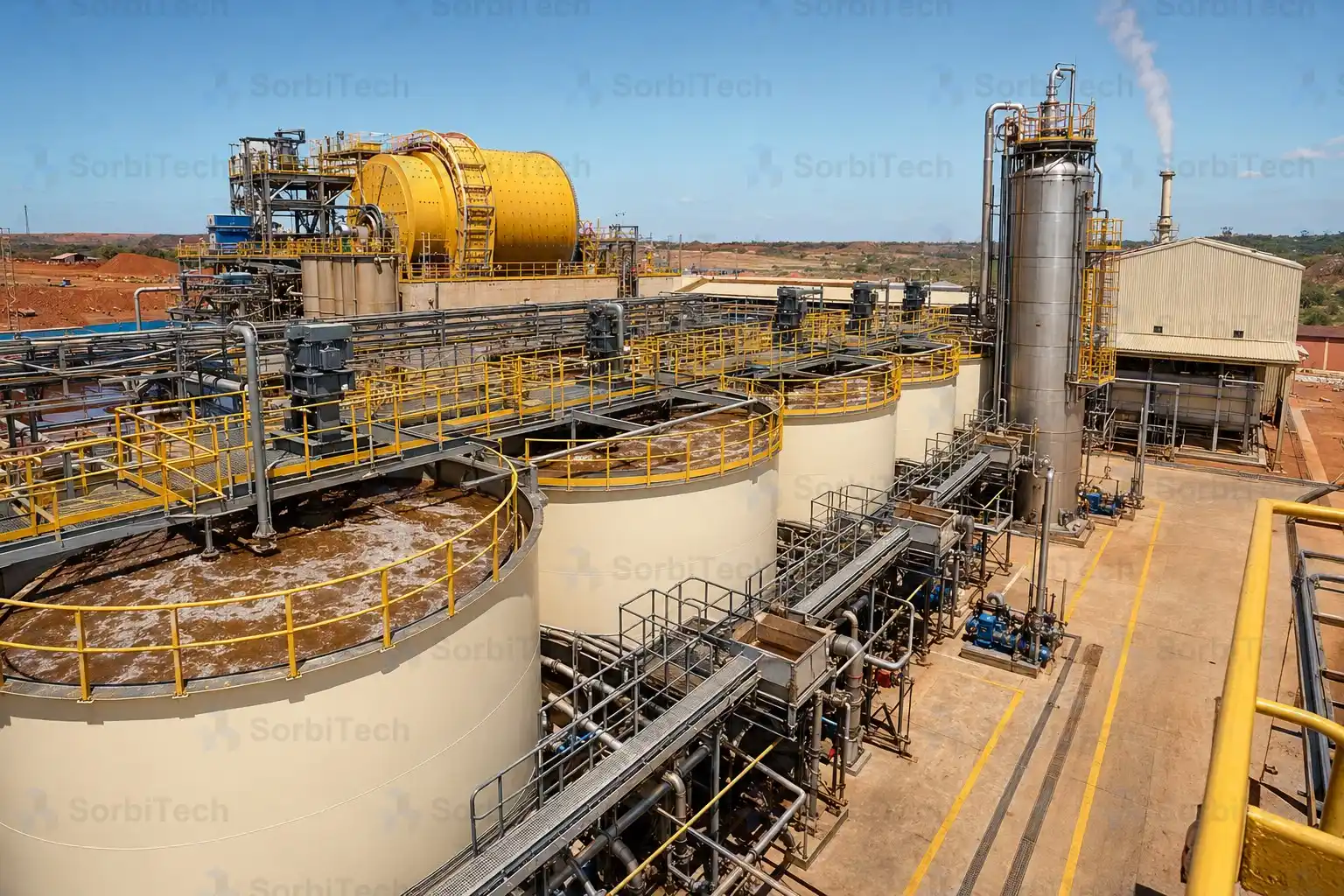
CIP CIL Gold Carbon Plant
Carbon in pulp (CIP) and carbon in leach (CIL) gold recovery plant using high activity coconut shell granular activated carbon to recover gold cyanide…
Capacity
10–200 t/h ore throughput
Equipment
CIP CIL Gold Carbon Plant
Carbon in pulp (CIP) and carbon in leach (CIL) gold recovery plant using high activity coconut shell granular activated carbon to recover gold cyanide…
Capacity
10–200 t/h ore throughput
-
04
 Equipment
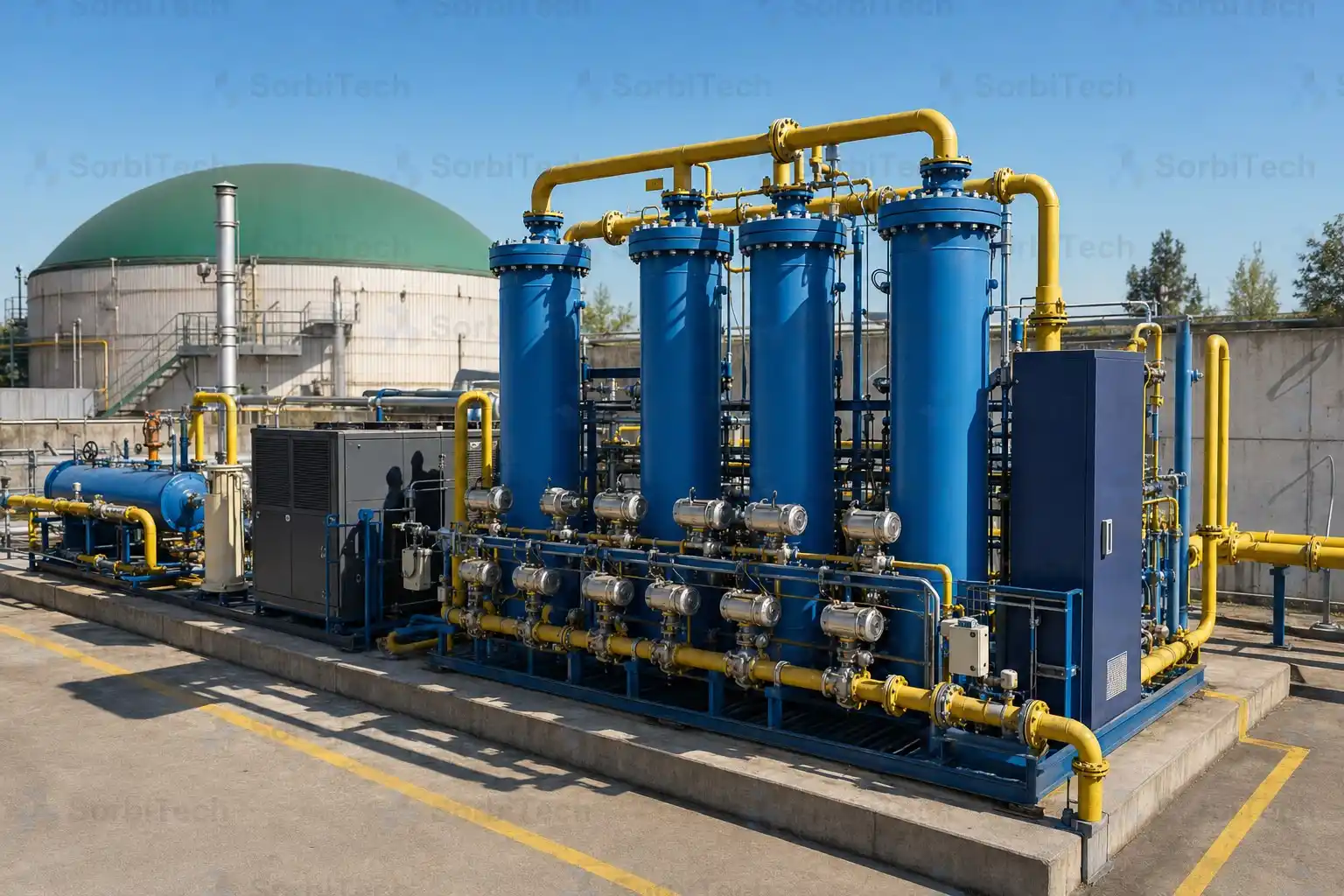
Biogas Upgrading Unit
PSA biogas upgrading unit using carbon molecular sieve to separate carbon dioxide from methane and deliver grid quality bio methane from anaerobic digester biogas…
Capacity
50–2,000 Nm³/h raw biogas
Equipment
Biogas Upgrading Unit
PSA biogas upgrading unit using carbon molecular sieve to separate carbon dioxide from methane and deliver grid quality bio methane from anaerobic digester biogas…
Capacity
50–2,000 Nm³/h raw biogas
-
05
 Equipment
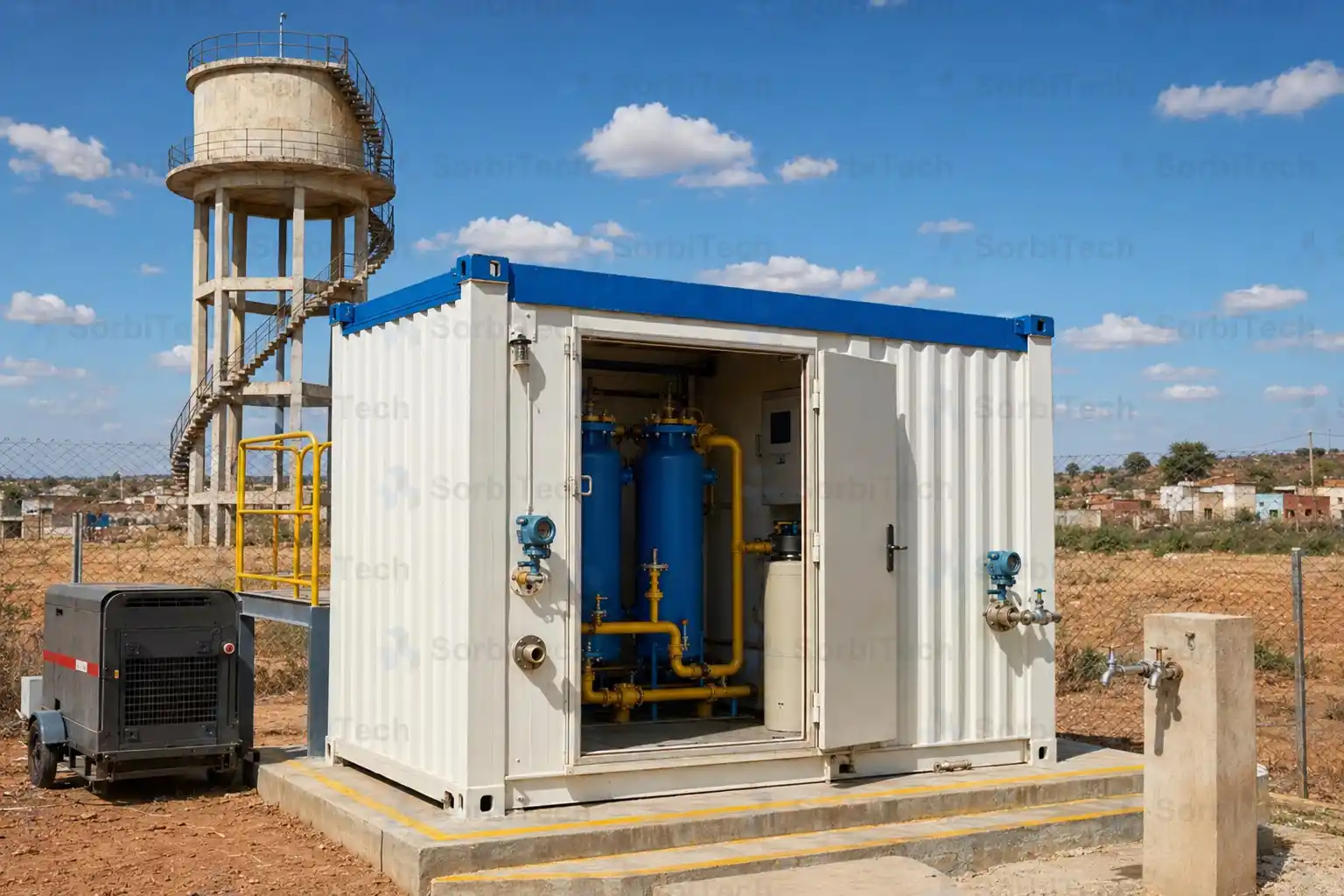
Community Defluoridation Treatment Unit
Containerised activated alumina defluoridation unit for community and decentralised drinking water supply to the WHO guideline of 1.5 mg per litre.
Capacity
0.5–50 m³/h
Equipment
Community Defluoridation Treatment Unit
Containerised activated alumina defluoridation unit for community and decentralised drinking water supply to the WHO guideline of 1.5 mg per litre.
Capacity
0.5–50 m³/h
-
06
 Equipment
Multi Media Filter
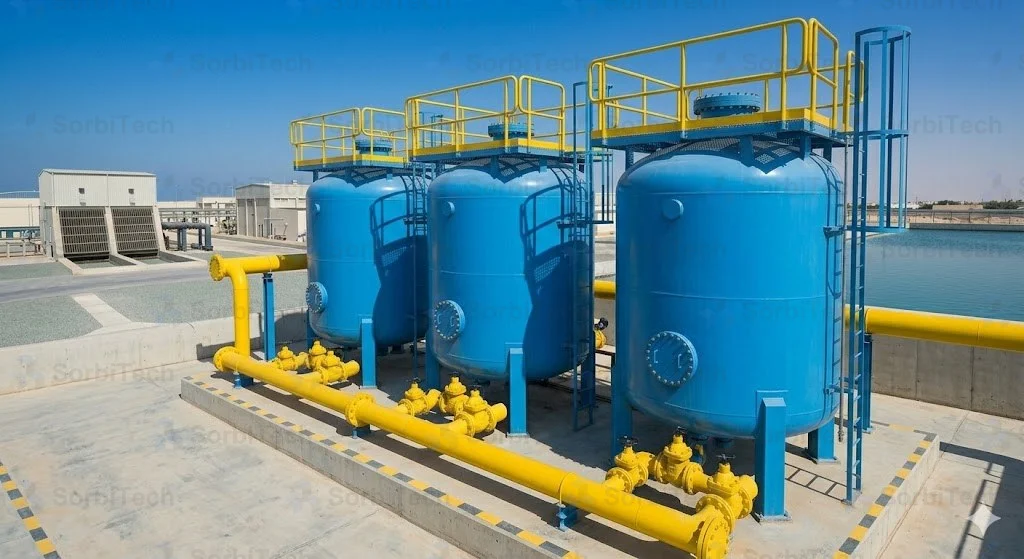
Multi media filter for suspended solids and turbidity removal upstream of activated carbon polishing, reverse osmosis, or process reuse in water treatment trains.
Capacity
5–500 m³/h
Equipment
Multi Media Filter
Multi media filter for suspended solids and turbidity removal upstream of activated carbon polishing, reverse osmosis, or process reuse in water treatment trains.
Capacity
5–500 m³/h
Request a Quote or Technical Consultation
Our technical team responds within one business day.