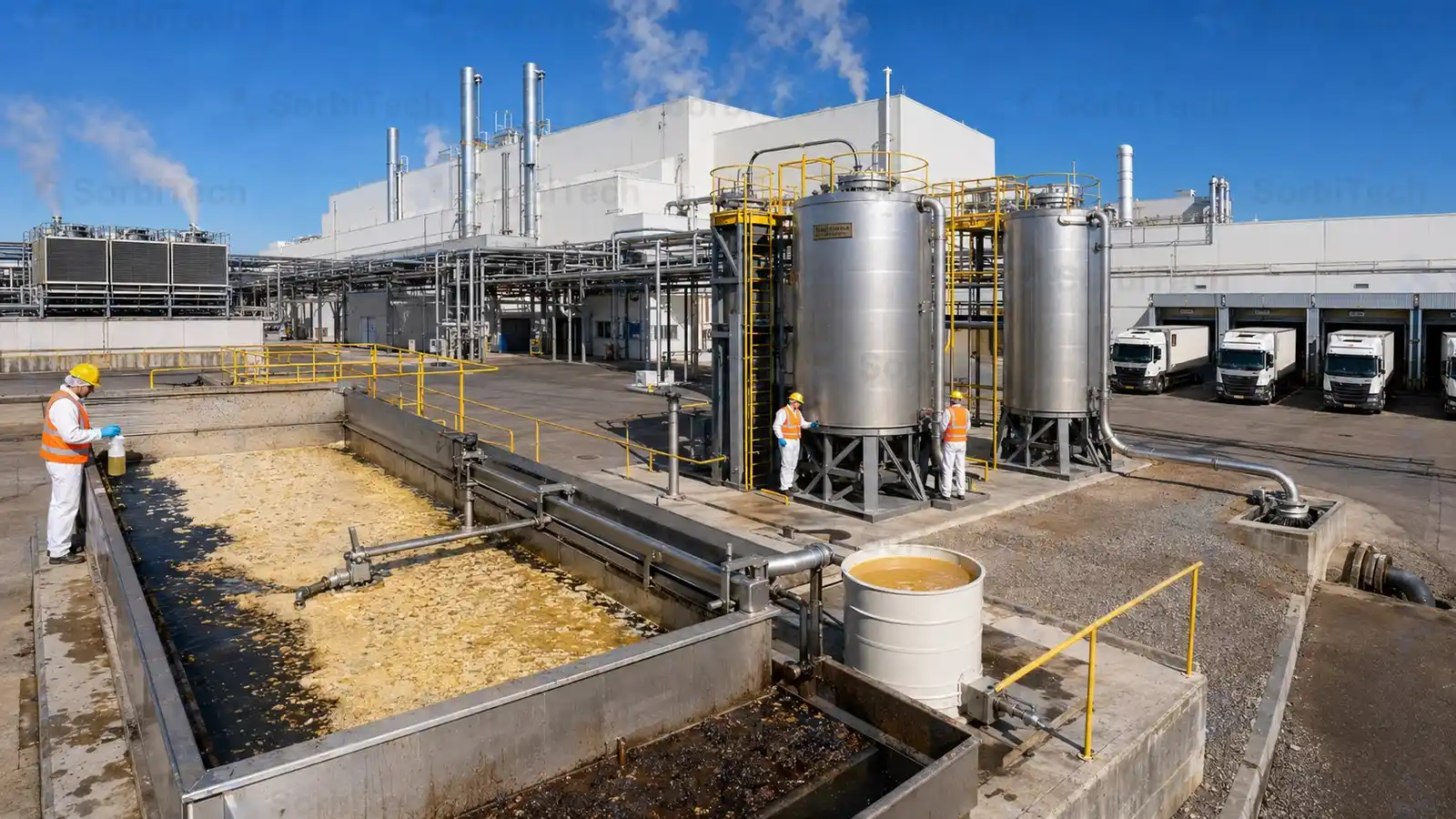
Commercial Kitchen Grease Interceptor
Grease interceptor for commercial kitchens, restaurants, food courts, and institutional catering to capture fat, oil, and grease before discharge to the municipal sewer.

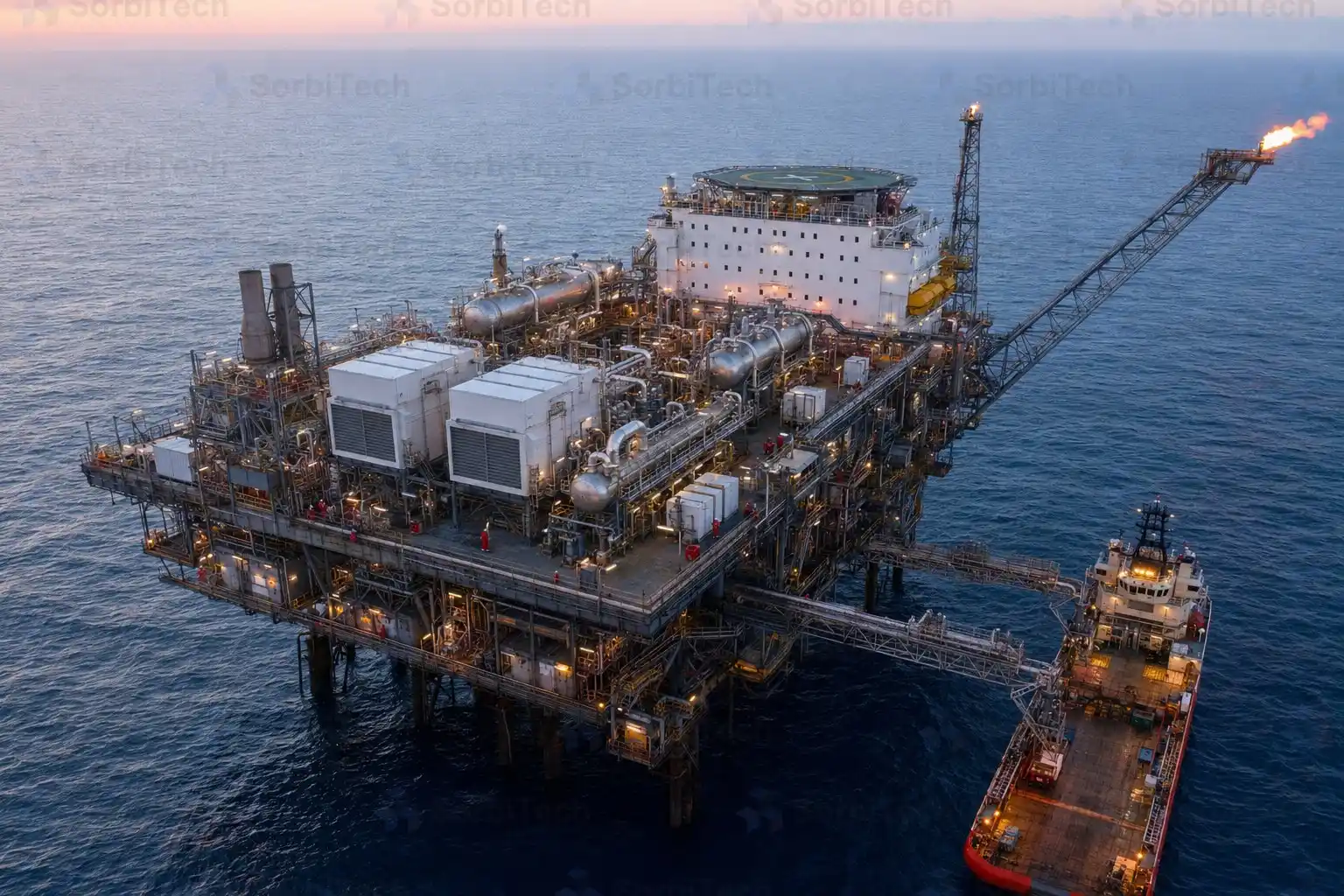
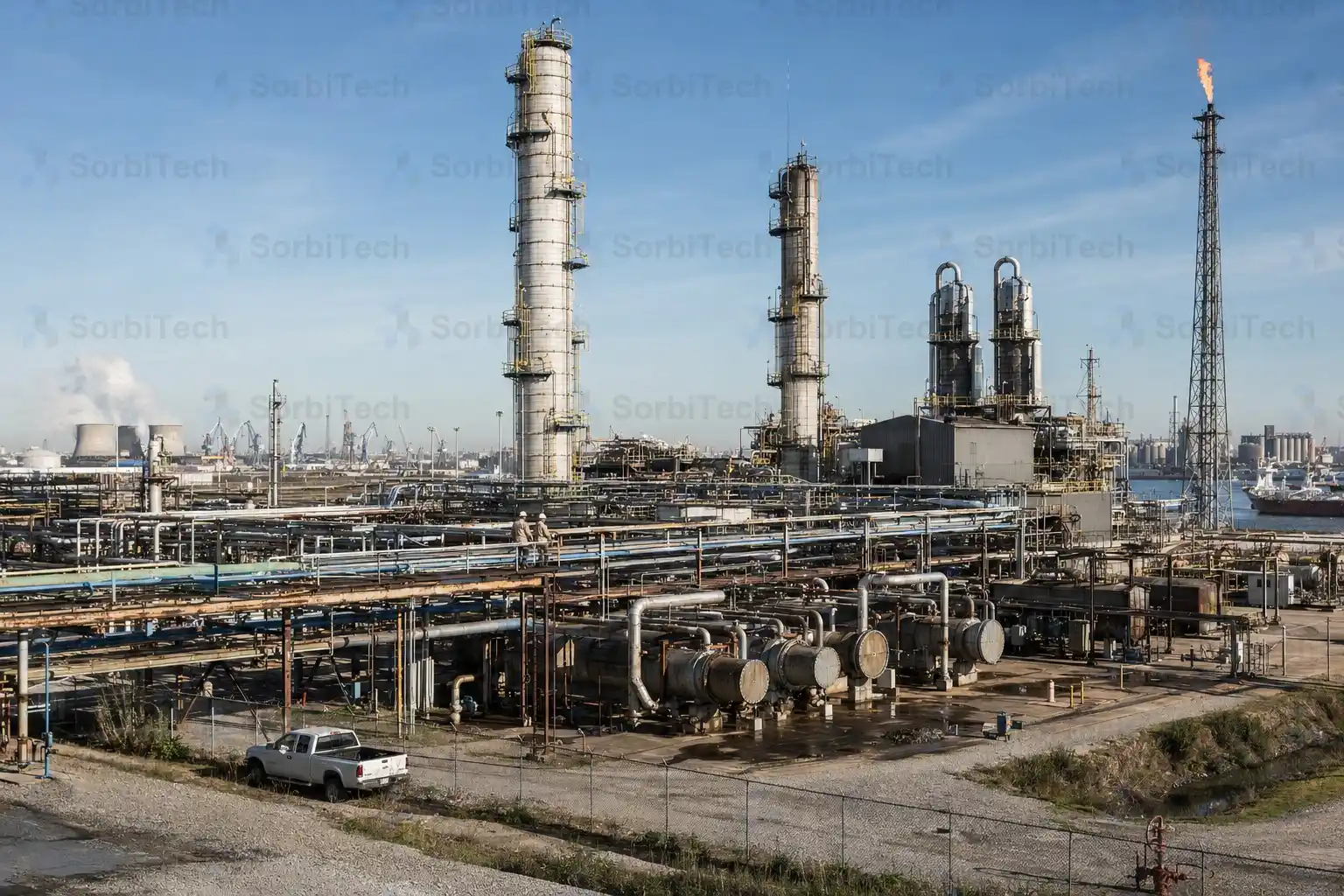
Phase separation covers the full chain from gravity assisted oil water separation to coalescing polish and dissolved organics removal. The thirteen applications in this theme span produced water treatment in upstream operations, refinery effluent before final discharge, vehicle and equipment wash water recycling, marine bilge water treatment, and commercial kitchen grease interception.
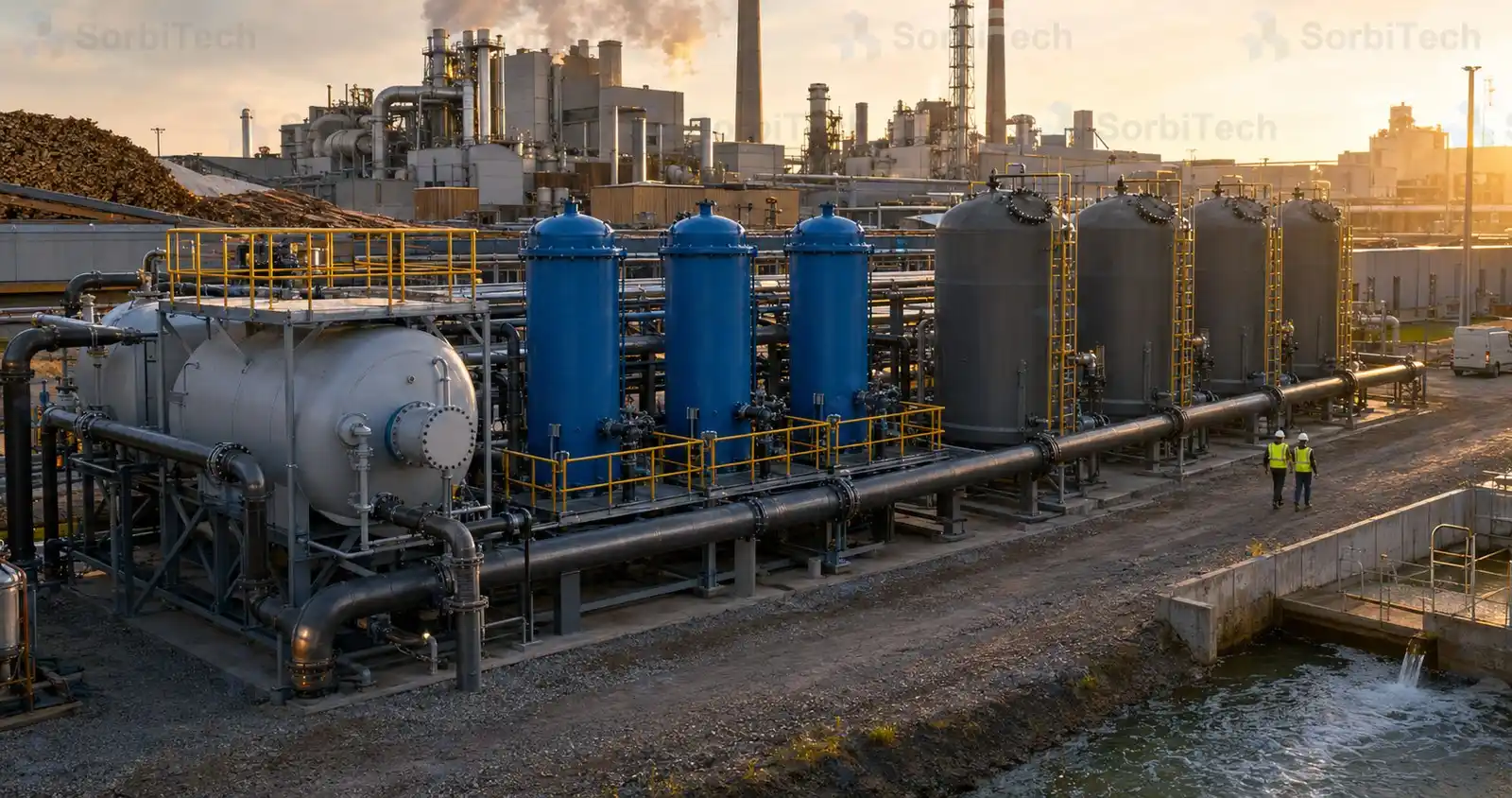
The dominant technology is mechanical: a corrugated plate interceptor or API separator removes free oil and settleable solids at the inlet, a coalescing skid handles dispersed oil between 10 and 100 ppm, and an activated carbon polishing bed removes dissolved organics down to single digit ppm where the discharge consent or reuse target requires it.
SorbiTech delivers the complete train under one engineering record. The vessel design, the internals geometry, the carbon grade, and the lifecycle service programme close out together. One performance guarantee covers the outlet specification from the inlet flange of the CPI to the carbon outlet sample point.
Gravity separation removes free oil. Coalescing polishes the dispersed phase. Carbon adsorption captures the dissolved residual. Each stage targets a band of the contaminant distribution.
A corrugated plate interceptor uses the difference in density between oil and water across an inclined plate stack to enlarge the droplets and accelerate the rise rate. The interceptor takes the inlet emulsion down to roughly 10 ppm free oil at the outlet. Sludge collects at the bottom for periodic pump out.
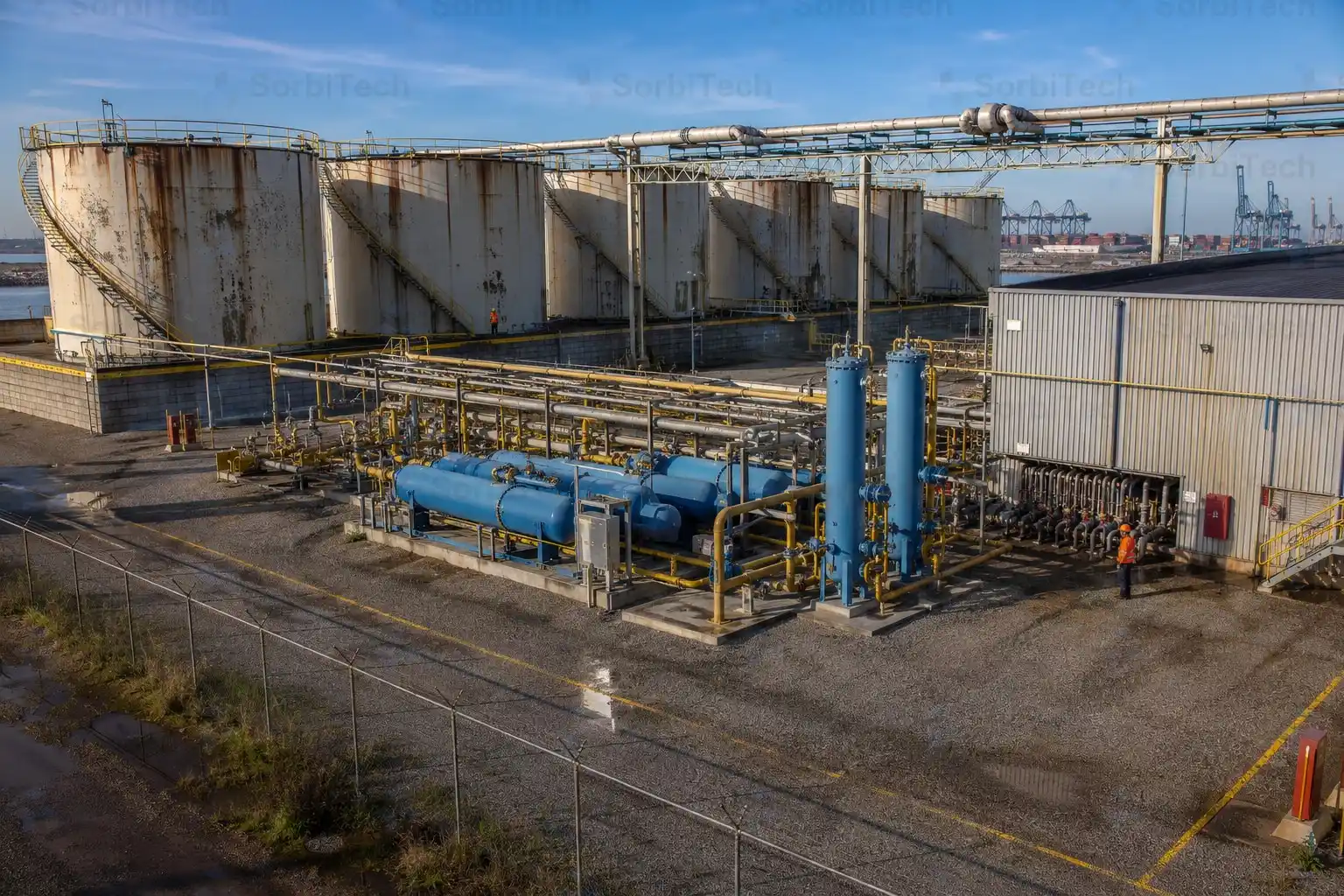
A coalescing skid downstream uses a high surface area media bed to merge the dispersed droplets and let them rise to the surface skim. The outlet from the coalescing skid sits between 5 and 10 ppm. For a tighter discharge consent or for protection of a downstream membrane, an activated carbon polishing bed removes the dissolved hydrocarbon residual.

SorbiTech ships phase separation duties as ready to run skids for the common rated flows, as modules sized to the project hydraulic profile, or as turnkey EPC where the project scope covers civil, mechanical, and electrical execution. Rental skids are held at the regional service centre for turnarounds and emergency response.
The vessel material follows the inlet chemistry. Carbon steel for sweet produced water, lined carbon steel for moderately corrosive duty, duplex stainless for sour service to NACE MR0175 with hardness controlled welds and a nitrogen blanket on the gas space. The factory acceptance test verifies the rated separation efficiency on simulated oily water before shipment.
Each duty page carries the inlet specification, the recommended media or system, the cycle parameters, and the engineering selection guidance.
Grease interceptor for commercial kitchens, restaurants, food courts, and institutional catering to capture fat, oil, and grease before discharge to the municipal sewer.
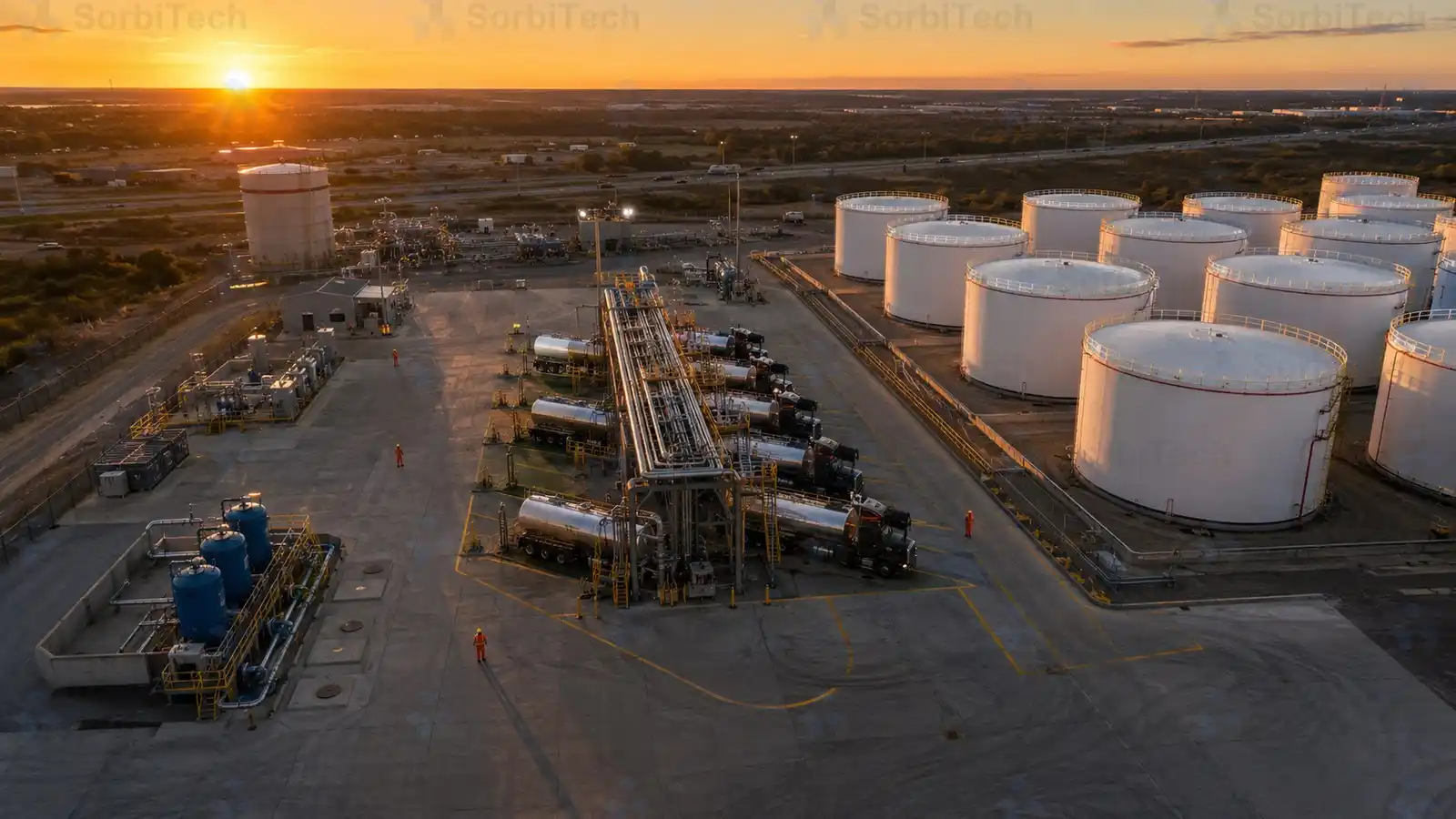
Buried CPI oil water interceptor for fuel forecourt runoff at gas stations, fuel terminals, and transport refuelling sites to meet municipal sewer discharge on petroleum hydrocarbons.
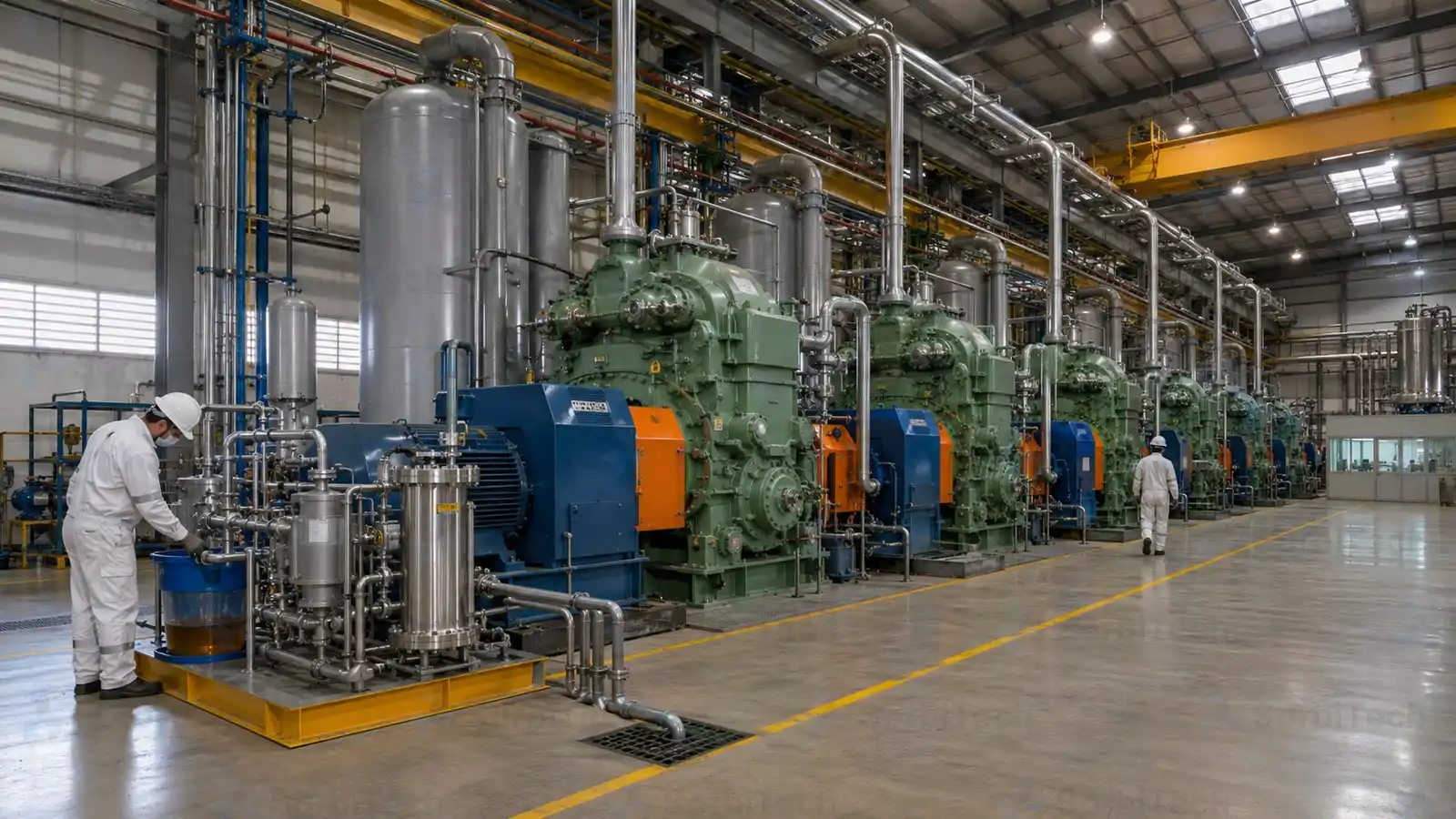
Treating oil contaminated condensate from compressed air systems using compact oil water separation and activated carbon polishing to meet municipal sewer discharge.
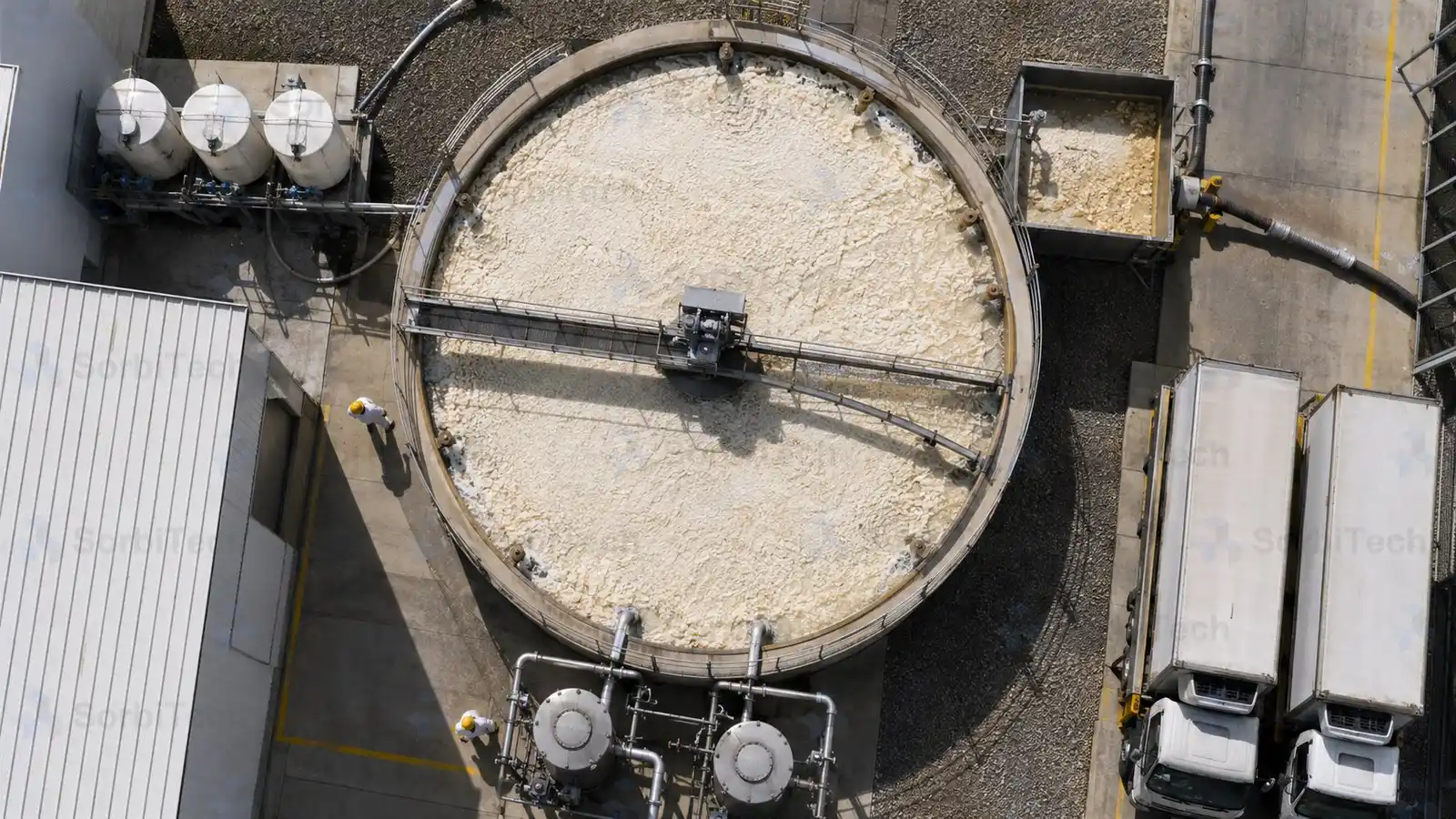
Treatment of food processing wash water from meat, poultry, dairy, and vegetable processing using DAF, grease interception, and activated carbon polishing to meet sewer discharge.
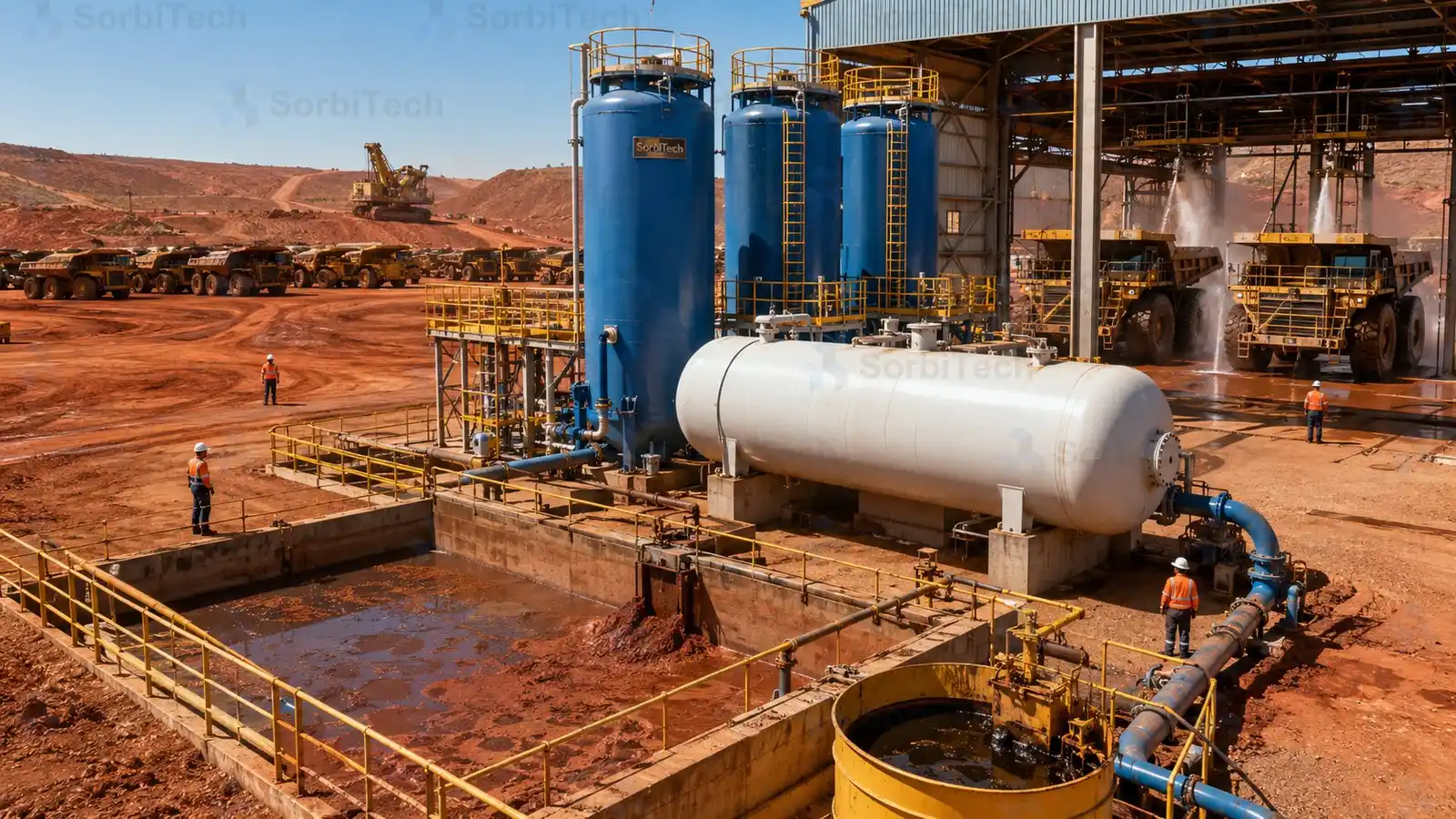
Wash water recycling for truck, bus, and heavy equipment wash bays handling the higher hydrocarbon and solids load from commercial vehicles and construction equipment.
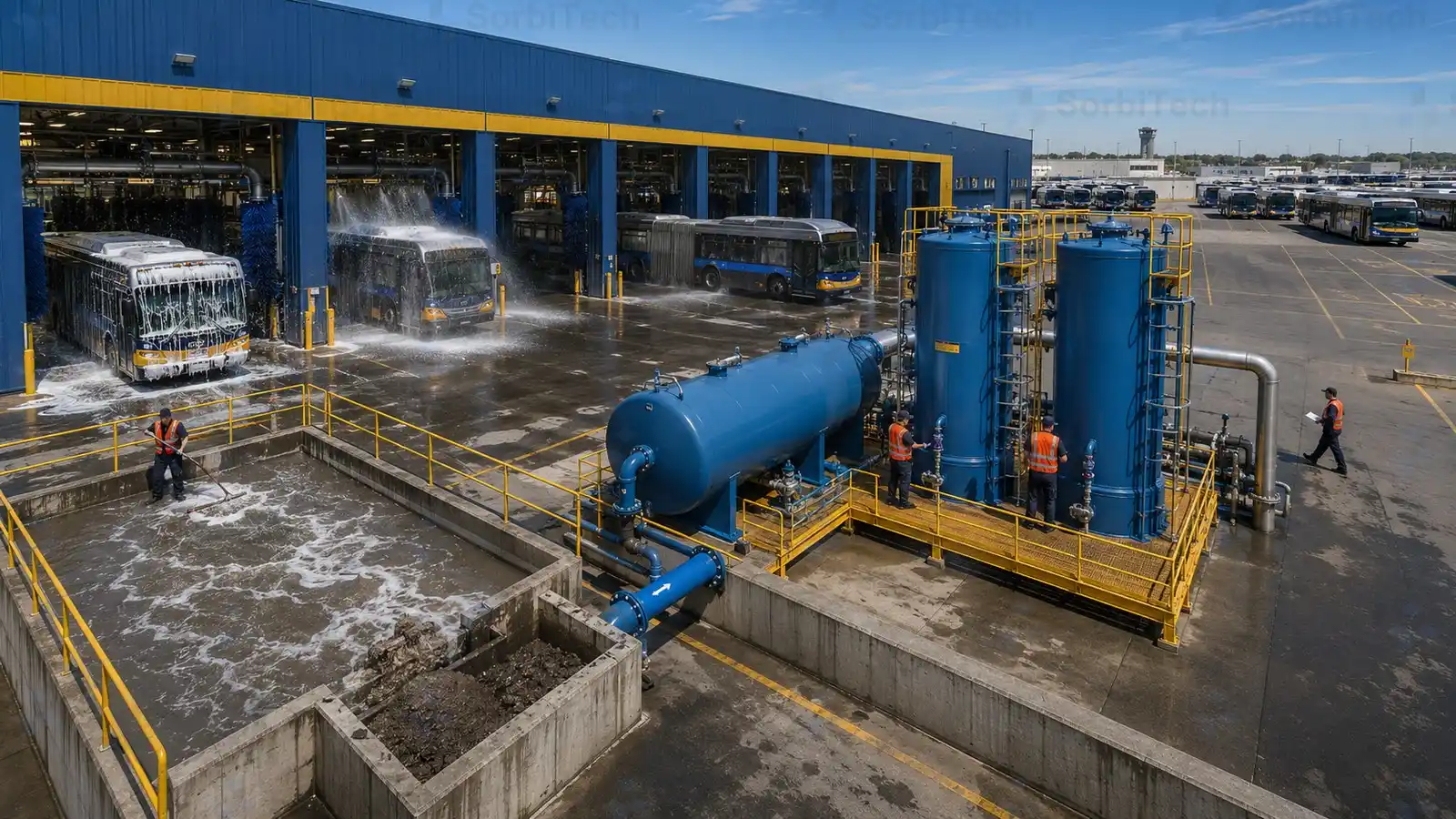
Recycling car wash and light vehicle wash water using staged CPI separation, coalescing polishing, and activated carbon polishing to cut fresh water purchase and sewer discharge by 50 to 70 percent.
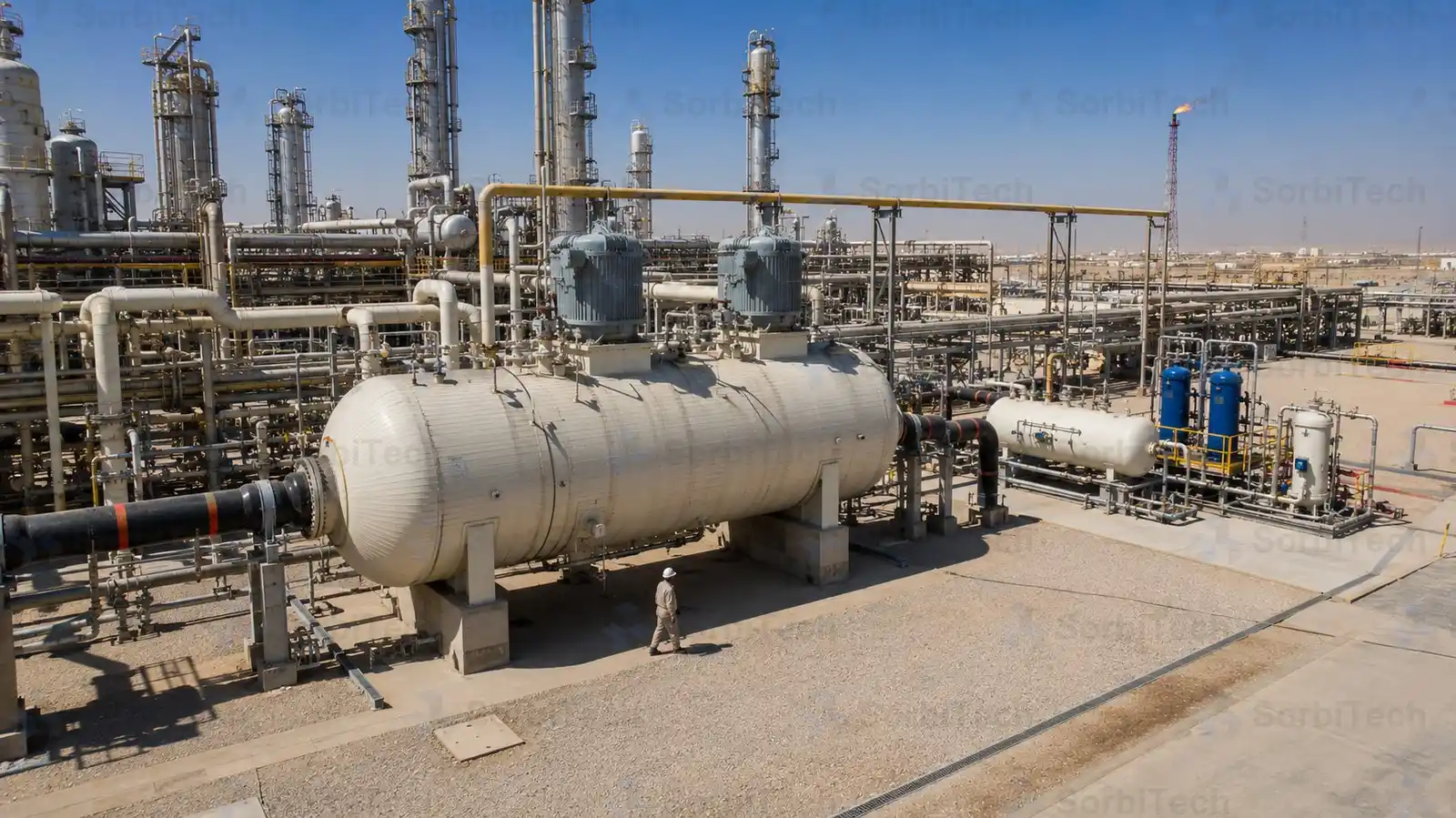
Removing salt, water, and solids from crude oil at the refinery inlet using electrostatic coalescing and downstream effluent treatment of the desalter brine.
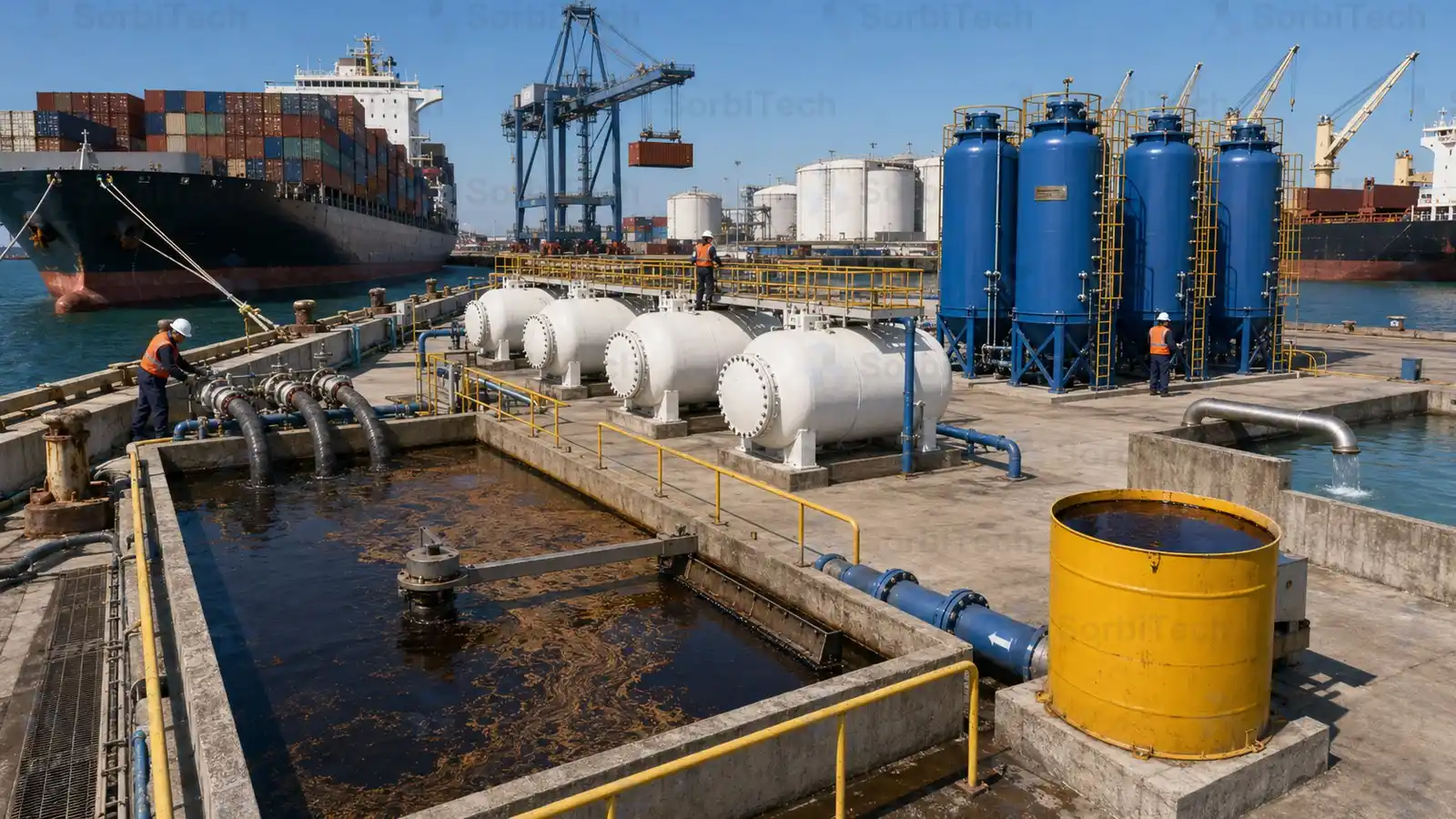
MEPC 107(49) compliant marine bilge water treatment using coalescing separation and activated carbon polishing to meet the IMO 15 ppm oil in water discharge limit.
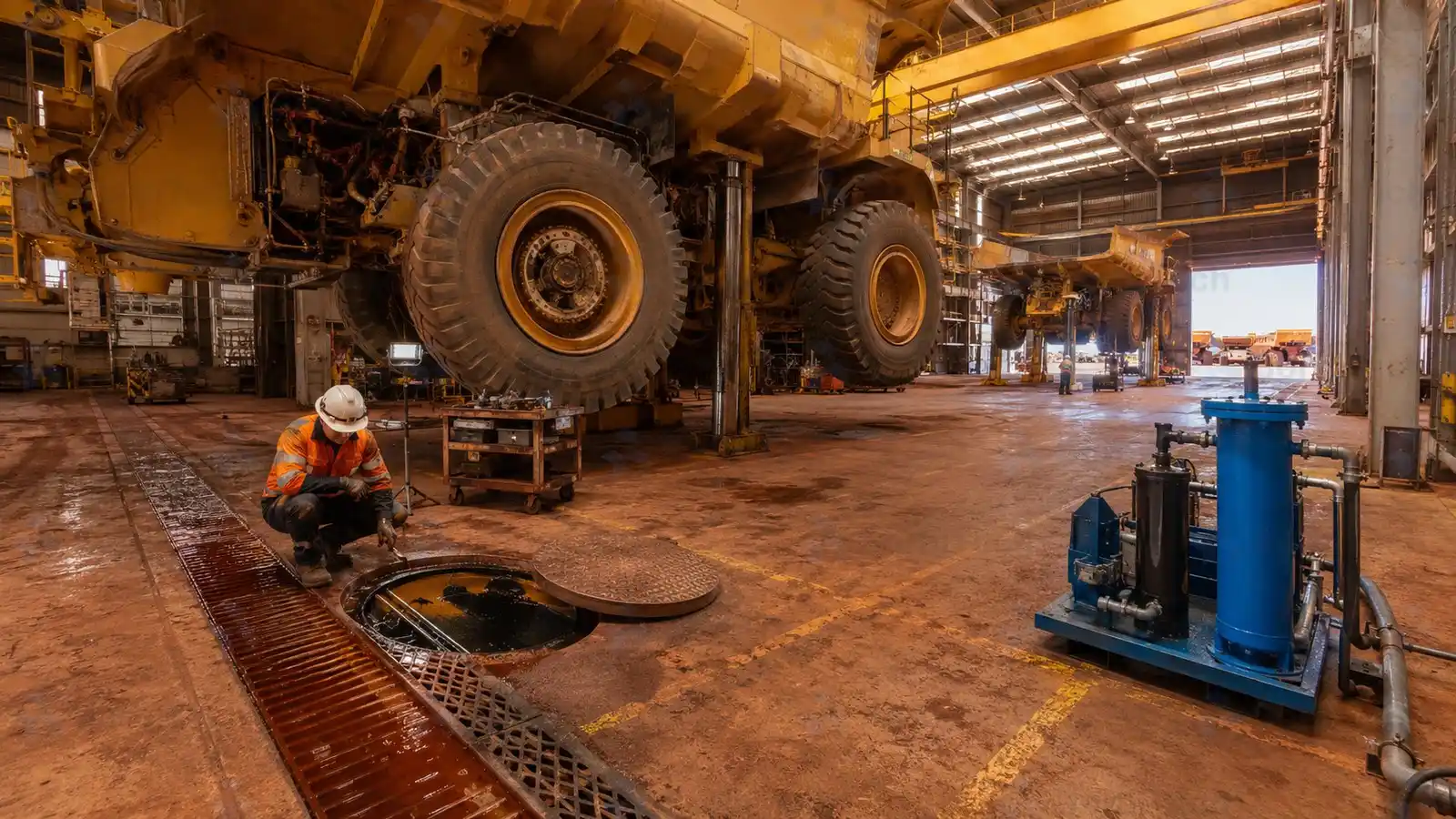
Compact oil water separator for workshop floor drains in vehicle service bays, mechanical workshops, and equipment maintenance facilities to meet municipal sewer discharge limits.
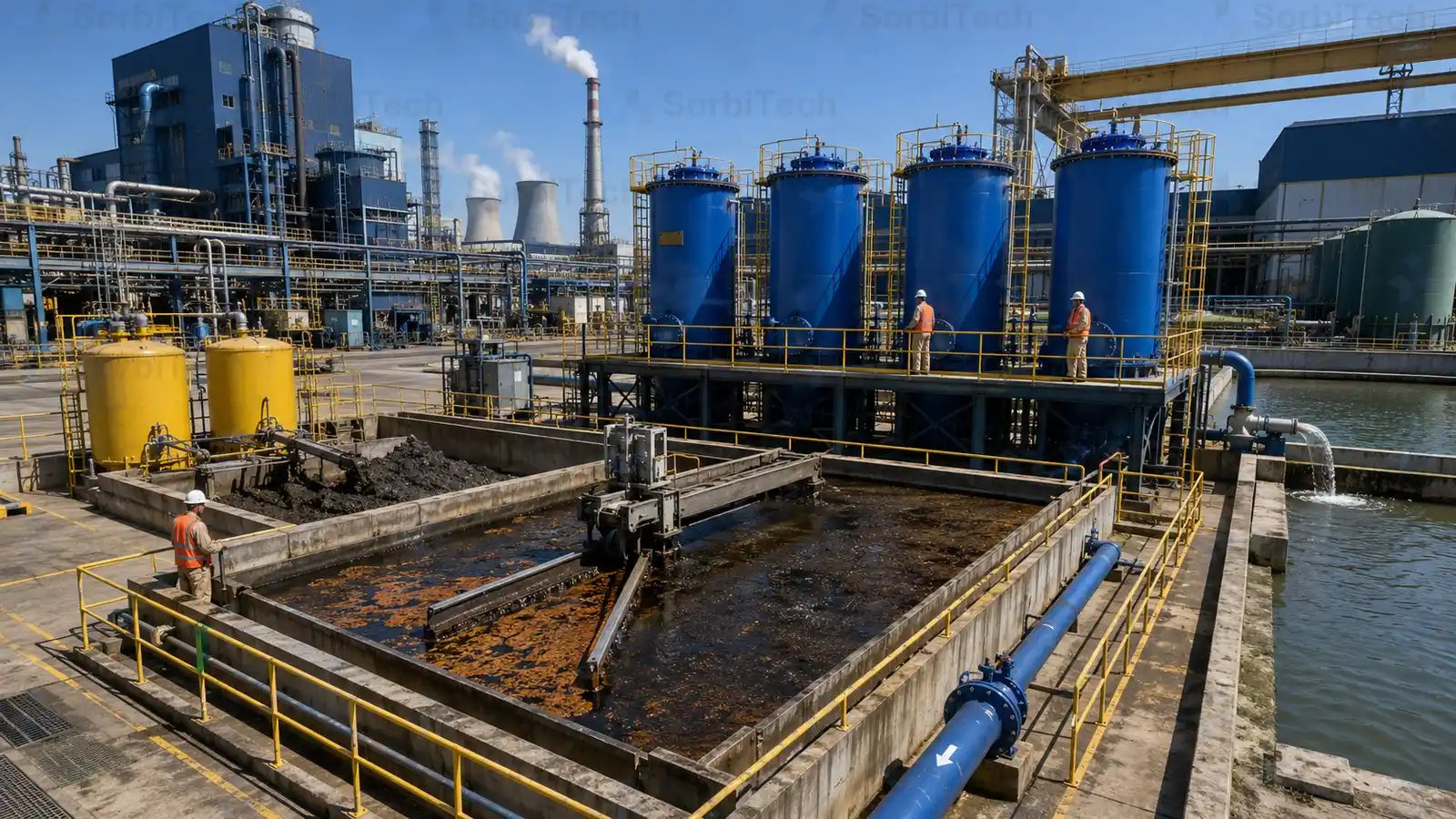
API standard oil water separator and municipal stormwater interceptor for refinery effluent, industrial site runoff, and urban stormwater carrying petroleum hydrocarbons.
Four representative industries where SorbiTech delivers installations under this application theme, with the engineering record behind each.
Adsorption duties touch the media specification, the vessel design, and the project execution at the same time. SorbiTech engineers all three from the same record, with one performance guarantee against the contracted outlet condition.
The grade shipped is the grade engineered into the vessel design. SorbiTech designs the unit, sizes the bed, and supplies the media as one decision.
Every shipment carries a certificate of analysis covering iodine, water capacity, crush strength, attrition loss, and bulk density measured against the lot.
The bed is supported through its service life. Field sampling, performance audit, reactivation logistics, and end of life return under one agreement.
Process engineers, mechanical designers, and lifecycle specialists work the same project. The recommendation closes against duty data, not a catalogue page.
Starting point for the engineering conversation. The final specification closes out after SorbiTech receives the inlet composition, the operating window, and the target outlet condition.
About 10 ppm free oil from a correctly sized corrugated plate interceptor at the rated flow. Emulsified oil and dissolved hydrocarbons pass through the CPI and require a downstream coalescing skid or activated carbon polishing bed to meet tighter discharge consents.
By the rise velocity of the smallest droplet to be removed against the horizontal velocity through the plate pack. The Stokes settling equation is the starting point, with empirical correction factors for the plate spacing, the inlet flow distribution, and the temperature dependent viscosity. A 25 percent margin on the rated flow is standard.
Yes. Solids and free oil load the coalescing media and shorten the cartridge life. A CPI separator or a multi media filter upstream removes the bulk solids and free oil; the coalescer then handles the dispersed and emulsified phase between 10 and 100 ppm.
When the discharge consent is below 5 ppm oil, when the receiving water has a tight aromatic limit, or when the downstream treatment is reverse osmosis or biological where the dissolved hydrocarbon would foul the membrane or inhibit the biology. The carbon bed adds the polishing step.
Six to twelve months on refinery effluent at the rated inlet load. Two to three years on light duty polishing downstream of a well operated coalescer. Carbon usage rate per cubic metre of treated water is the design metric, not date based bed life. A field sample at three months confirms the rate against the design assumption.
Our 112-application database covers most industrial duties. Contact us to find the right solution.
Tell us briefly what you need. Our technical team responds within one business day.
Request the TDS / datasheet. We send it on email after a brief review.