
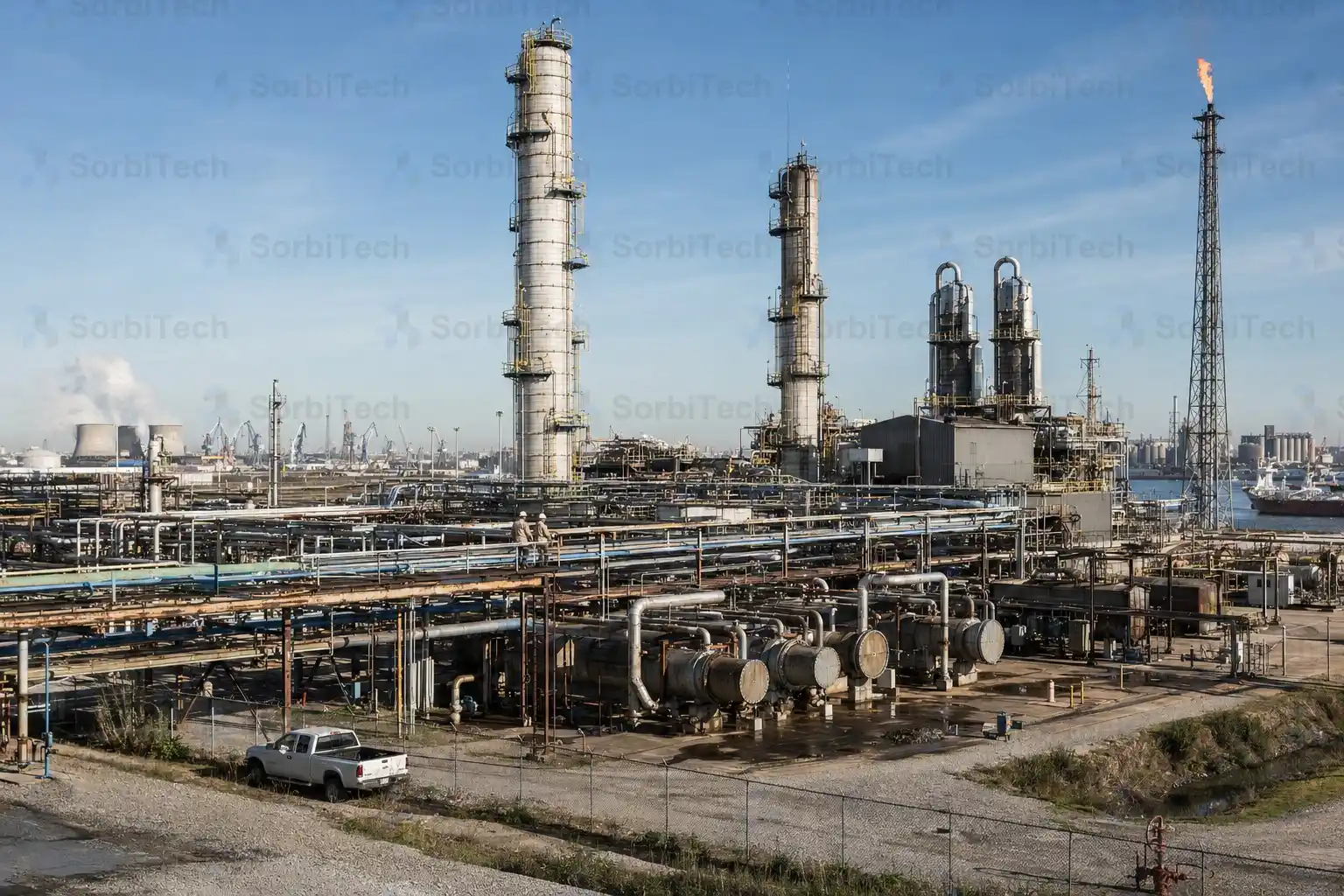
Petrochemicals & Refining
Adsorbents and separation systems for feedstock drying, process gas conditioning, solvent recovery, and refinery effluent treatment.
In petrochemicals and refining, SorbiTech supplies molecular sieves and activated carbon for feedstock drying, process gas conditioning, and solvent recovery, plus separation systems for refinery effluent and produced water, combining media and engineered equipment from a single partner.
Refining and petrochemical processes demand tight moisture and contaminant control to protect catalysts and meet product specification, alongside effluent treatment to discharge limits. SorbiTech addresses feedstock drying, gas conditioning, solvent recovery, and effluent polishing.
Protecting Catalysts and Product Specification
Refining and petrochemical processes need tight moisture and contaminant control to protect catalysts and meet product specification. A catalyst poisoned by trace water, sulphur, or chloride may run for weeks at degraded activity before the cause is identified, and the cost of an early changeout runs into millions of dollars per unit. SorbiTech adsorption guard beds prevent that loss for a small fraction of the catalyst replacement cost.
The SorbiTech molecular sieves, activated carbon, and activated alumina handle the recurring duties, and SorbiTech builds the engineered vessels and skids that house them under a single SorbiTech performance guarantee.
Feedstock and Recycle Gas Drying
Feedstock to a reformer, an isomerisation unit, or an aromatics plant must be dried below the moisture limit of the catalyst, which is commonly 1 ppmv or lower. Recycle hydrogen streams carry water from the make up gas and from process water that bleeds in through compressor seals.
A twin or triple tower temperature swing adsorption unit charged with SorbiTech 3A or 4A molecular sieve delivers the specification continuously. The unit is fitted with a regeneration heater sized for the campaign water load and with switching valves rated for the operating pressure.
Guard Beds and Trace Contaminant Removal
Catalyst guard beds run at the feed inlet of the catalytic unit, downstream of the main dryer, and remove the trace contaminants that the upstream treatment does not catch. Typical duties include:
- Residual moisture below the catalyst limit
- Hydrogen sulphide and mercaptans on metal oxide or impregnated carbon
- Hydrogen chloride and chloride on promoted alumina
- Arsine, phosphine, and other heavy metals on a dedicated chemisorbent
A SorbiTech guard bed is sized for the contracted catalyst cycle length, typically 12 to 24 months, with margin to absorb a feedstock upset without breakthrough.
Solvent Recovery and Vapour Treatment
Activated carbon recovers solvents from coater and printing exhaust, from monomer purification vents, and from vapour recovery on tank farms. The carbon is regenerated by steam or by inert hot gas, and the recovered solvent is condensed and returned to the process.
Tank farms, loading racks, and railcar terminals carry a regulated emission limit on volatile hydrocarbons. SorbiTech vapour recovery units capture the displaced vapour, regenerate the SorbiTech carbon, condense the recovered hydrocarbon, and return it to the storage system. The duty meets the typical regulator limits of 10 to 35 g/m³ at the vent.
Refinery Effluent and Catalyst Lifecycle
Refinery effluent combines oily water from desalter outlets and tank bottoms with sour water from crude unit overheads and FCC. The standard SorbiTech train is a CPI separator for free oil, a coalescing skid for dispersed oil, and a polishing stage of activated carbon for dissolved hydrocarbons. The duty connects to produced water and effluent treatment.
For catalyst lifecycle support, SorbiTech aligns the molecular sieve and the activated carbon guard bed inventories to the operator schedule, so warehouse stock does not age out of specification. Replacement campaigns are co ordinated with the host unit turnaround.
Catalyst Lifecycle and Bed Replacement Programmes
A modern refinery runs dozens of catalytic beds, each with a defined campaign length, a planned changeout window, and a forward bed replacement schedule. SorbiTech aligns the SorbiTech molecular sieve and activated carbon guard bed inventories to that schedule, so the operator does not carry warehouse stock that ages out of specification.
Replacement campaigns are co ordinated with the host unit turnaround. The team unloads the spent media under nitrogen, certifies it for disposal or for off site reactivation, loads the new charge, and hands over a campaign report that documents the loading depth, the load density, the mechanical integrity, and the post loading vessel cleanliness.
Petrochemical Complex Coverage
Within an integrated petrochemical complex SorbiTech serves olefin crackers, polyolefin units, aromatics complexes, oxygenate plants, and the supporting utility blocks. Each block has its own water and contaminant sensitivities; the adsorbent and the engineered package selection follow the host catalyst and the product specification rather than a one size fits all template.
Sustainability and Carbon Footprint Reduction
The refining sector is under increasing pressure to reduce direct and indirect emissions. Thermal reactivation of spent activated carbon avoids the manufacture of new media and reduces the lifecycle carbon intensity by 60 to 80 percent compared with single use disposal. Tighter dehydration on a SorbiTech TSA dryer reduces the fuel consumed by the downstream cryogenic unit, which lowers the unit emission factor on the recovered product. The cumulative effect across a refinery campaign typically saves 5 to 15 thousand tonnes of CO₂ equivalent per year for a medium sized operator.
From Drum to Turnkey
SorbiTech engages at any level. The operator can order a drum of SorbiTech guard bed media for a planned changeout, a SorbiTech packaged dryer for a debottleneck, or a complete engineered package delivered turnkey by SorbiTech. One performance guarantee covers the complete duty regardless of engagement model, and the engagement scales seamlessly through the asset lifecycle. SorbiTech supplies 3A, 4A, and impregnated alumina for catalyst protection, with engineered dryer packages and effluent treatment across the sector.
Products & Systems for Petrochemicals & Refining
Adsorbents & Media
-
01
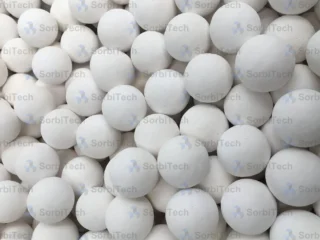 Adsorbent
Activated Alumina Impregnated
Promoter loaded activated alumina for hydrogen sulphide, chloride, and Claus tail gas guard duty.
Form
3–5 mm spheres · 1.6–3.2 mm spheres
Adsorbent
Activated Alumina Impregnated
Promoter loaded activated alumina for hydrogen sulphide, chloride, and Claus tail gas guard duty.
Form
3–5 mm spheres · 1.6–3.2 mm spheres
-
02
 Adsorbent
Molecular Sieve 4A
Sodium form 4A zeolite, the standard drying sieve for sweet methane, refrigerant streams, and insulating glass units.
Pore Ø
4 Å
Adsorbent
Molecular Sieve 4A
Sodium form 4A zeolite, the standard drying sieve for sweet methane, refrigerant streams, and insulating glass units.
Pore Ø
4 Å
-
03
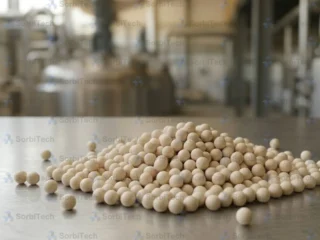 Adsorbent
Molecular Sieve 3A
Potassium form 3A zeolite, the size selective desiccant for streams that must not lose hydrocarbons to the bed.
Pore Ø
3 Å
Adsorbent
Molecular Sieve 3A
Potassium form 3A zeolite, the size selective desiccant for streams that must not lose hydrocarbons to the bed.
Pore Ø
3 Å
-
04
 Adsorbent
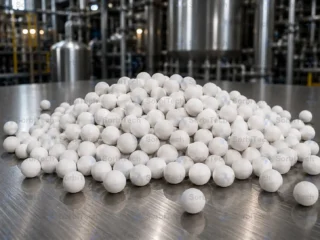
Inert Alumina Balls
High purity alumina balls for high temperature catalyst bed support, thermal mass, and aggressive chemical service.
Form
3 mm · 6 mm · 13 mm · 19 mm · 25 mm
Adsorbent
Inert Alumina Balls
High purity alumina balls for high temperature catalyst bed support, thermal mass, and aggressive chemical service.
Form
3 mm · 6 mm · 13 mm · 19 mm · 25 mm
-
05
 Adsorbent
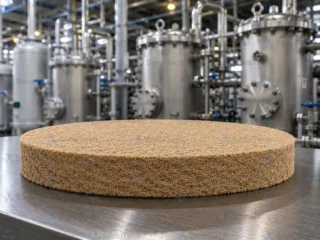
Compression Pads and Hold Down Mats
Ceramic fibre and wire mesh hold down at the adsorber bed top to prevent fluidisation and attrition.
Form
Sized to vessel internal diameter; thicknesses 50 to 200 mm
Adsorbent
Compression Pads and Hold Down Mats
Ceramic fibre and wire mesh hold down at the adsorber bed top to prevent fluidisation and attrition.
Form
Sized to vessel internal diameter; thicknesses 50 to 200 mm
-
06
 Adsorbent
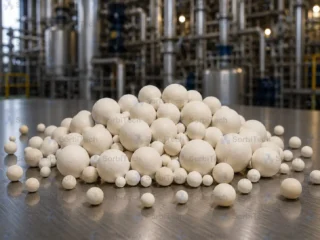
Ceramic Support Balls
Inert ceramic balls for adsorber bed support, flow distribution, and graded bed transitions.
Form
3 mm · 6 mm · 13 mm · 19 mm · 25 mm · custom
Adsorbent
Ceramic Support Balls
Inert ceramic balls for adsorber bed support, flow distribution, and graded bed transitions.
Form
3 mm · 6 mm · 13 mm · 19 mm · 25 mm · custom
Engineered Systems
-
01
 Equipment
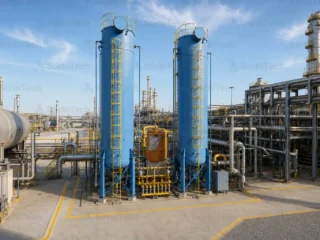
Twin Tower TSA Gas Dehydration Unit
Continuous duty temperature swing adsorption dehydration package for natural gas, engineered by SorbiTech to ASME VIII and PED, with an integrated regeneration heater and…
Capacity
0.5–200 MMSCFD (custom engineered)
Equipment
Twin Tower TSA Gas Dehydration Unit
Continuous duty temperature swing adsorption dehydration package for natural gas, engineered by SorbiTech to ASME VIII and PED, with an integrated regeneration heater and…
Capacity
0.5–200 MMSCFD (custom engineered)
-
02
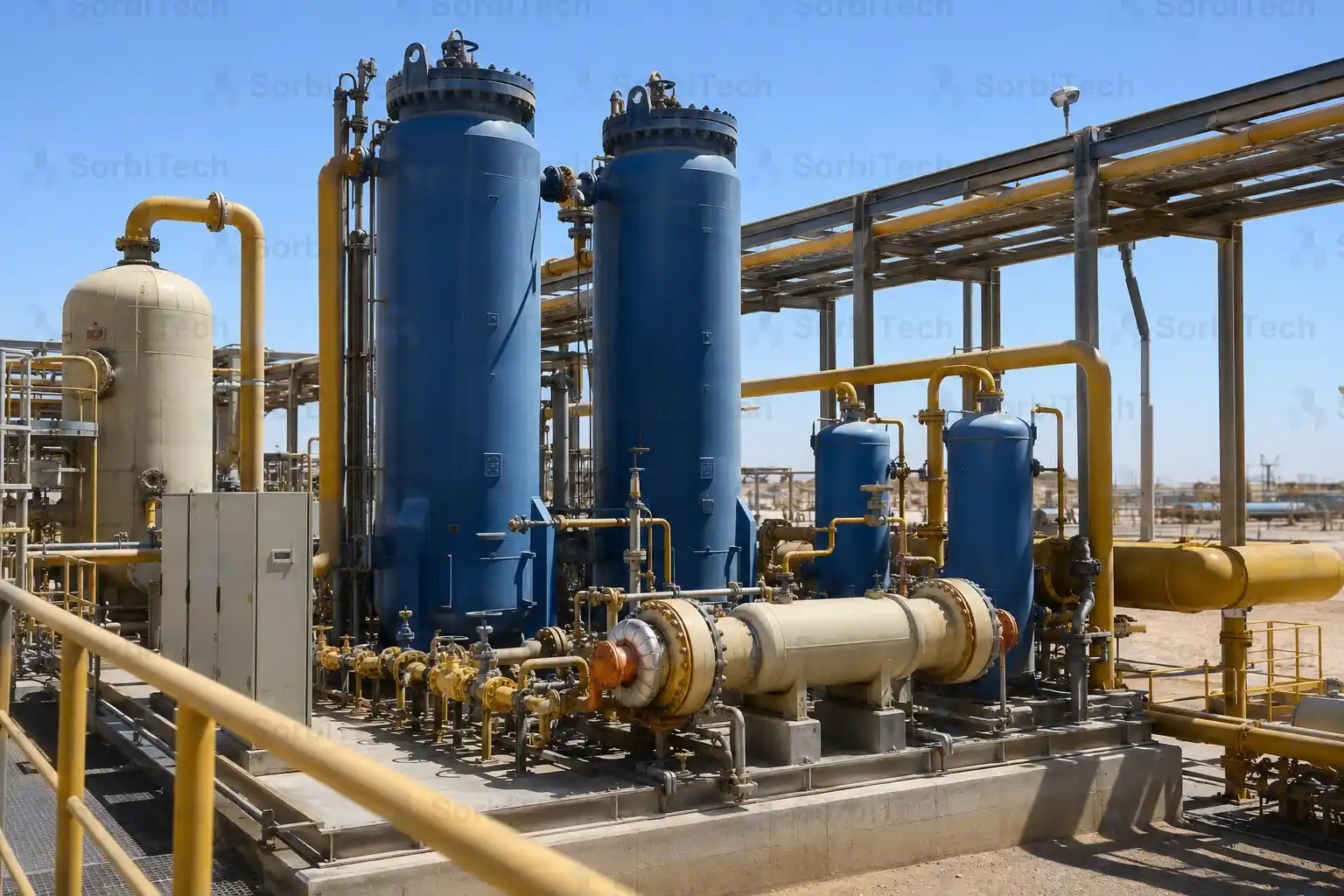 Equipment
Gas Sweetening Unit
Molecular sieve and impregnated carbon gas sweetening unit for H₂S, CO₂, and mercaptan removal from natural gas, refinery gas, and LPG streams.
Capacity
0.5–500 MMSCFD
Equipment
Gas Sweetening Unit
Molecular sieve and impregnated carbon gas sweetening unit for H₂S, CO₂, and mercaptan removal from natural gas, refinery gas, and LPG streams.
Capacity
0.5–500 MMSCFD
-
03
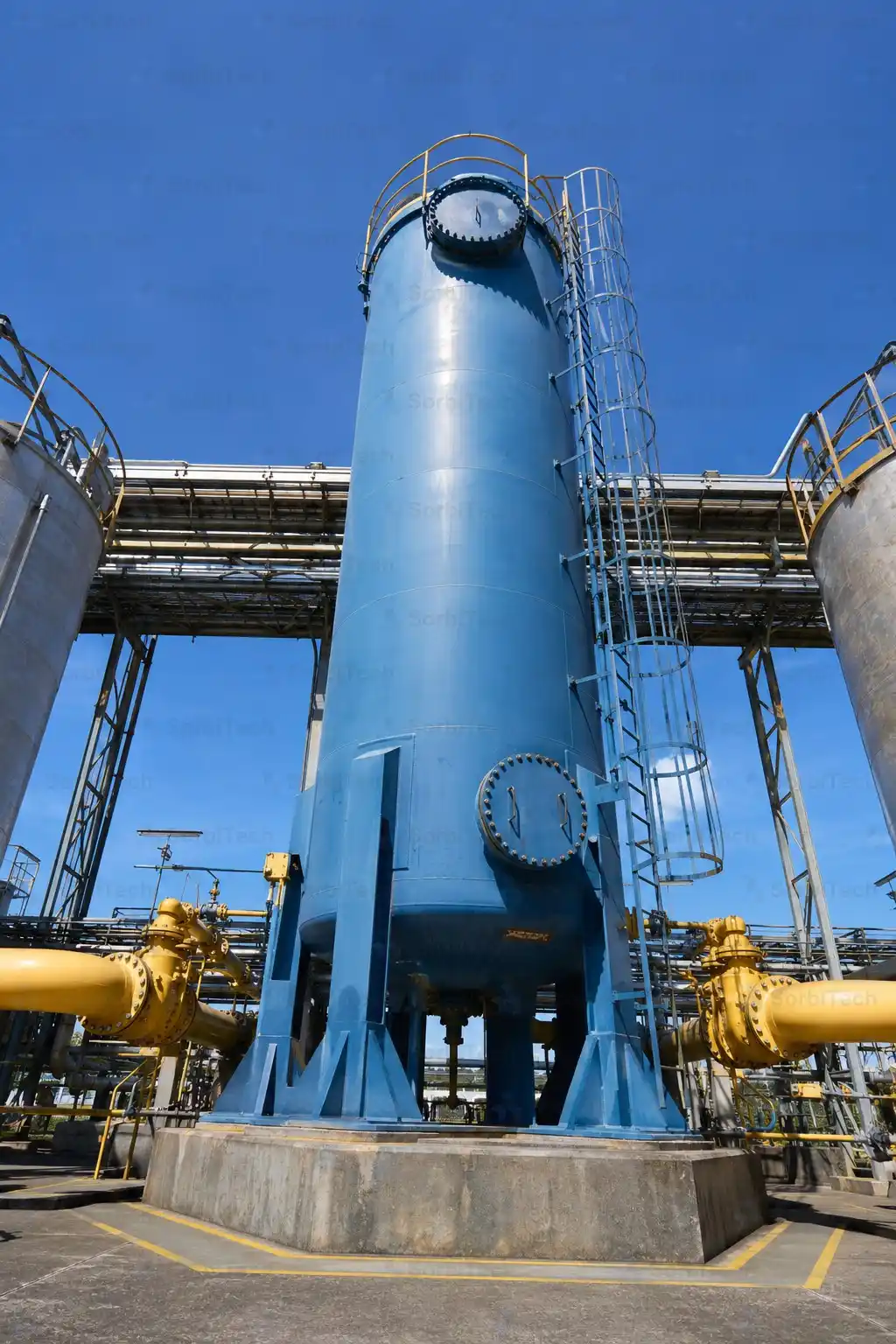 Equipment
Mercury Guard Bed
Sulphur impregnated activated carbon mercury guard bed for natural gas, condensate, and refinery streams to protect cryogenic and brazed aluminium equipment from mercury attack.
Capacity
0.1–500 MMSCFD
Equipment
Mercury Guard Bed
Sulphur impregnated activated carbon mercury guard bed for natural gas, condensate, and refinery streams to protect cryogenic and brazed aluminium equipment from mercury attack.
Capacity
0.1–500 MMSCFD
-
04
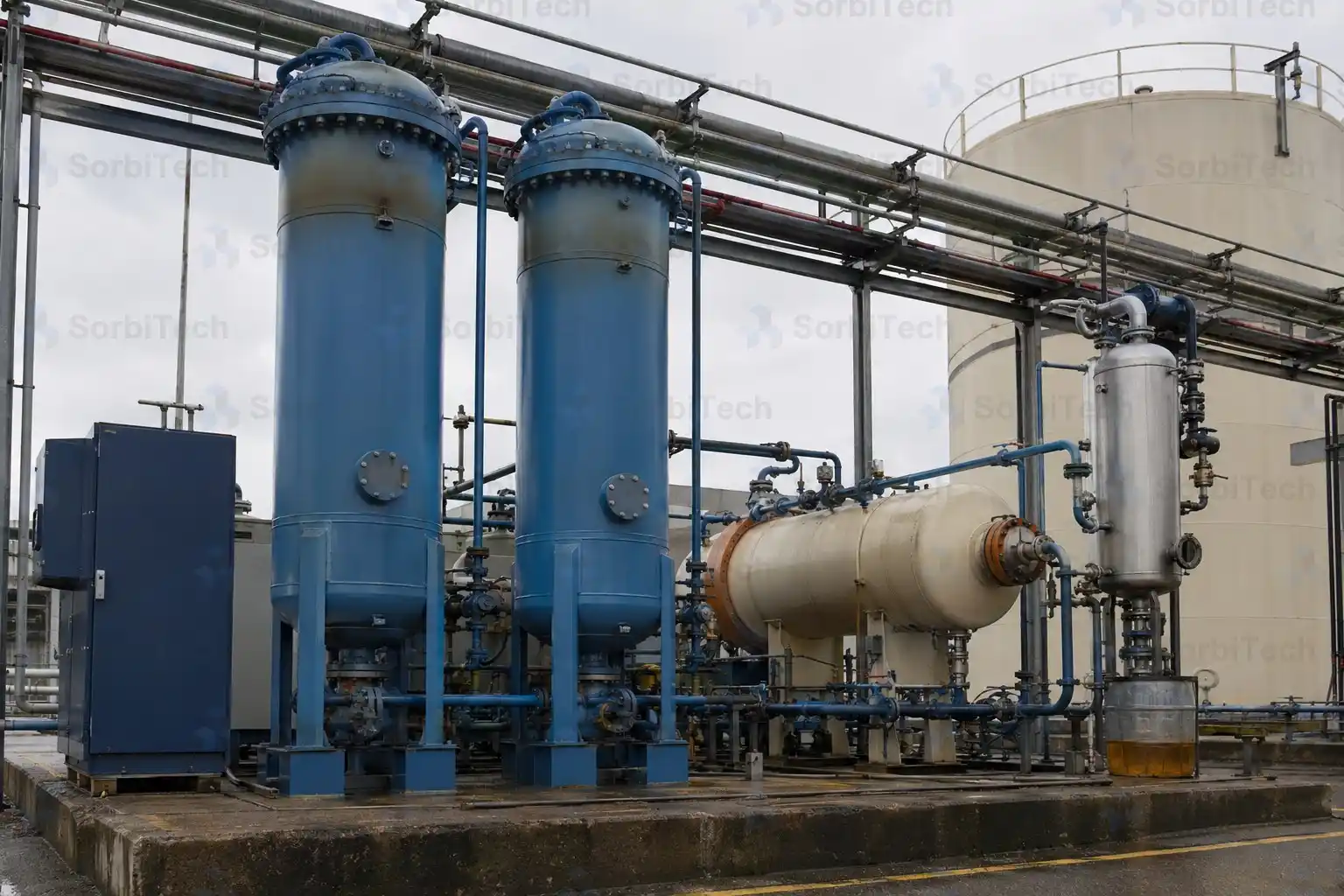 Equipment
Vapour Recovery Unit (VRU)
Activated carbon vapour recovery unit for tank farms, loading racks, and process vents to capture and recover hydrocarbons before stack release.
Capacity
50–10,000 Nm³/h vent gas
Equipment
Vapour Recovery Unit (VRU)
Activated carbon vapour recovery unit for tank farms, loading racks, and process vents to capture and recover hydrocarbons before stack release.
Capacity
50–10,000 Nm³/h vent gas
-
05
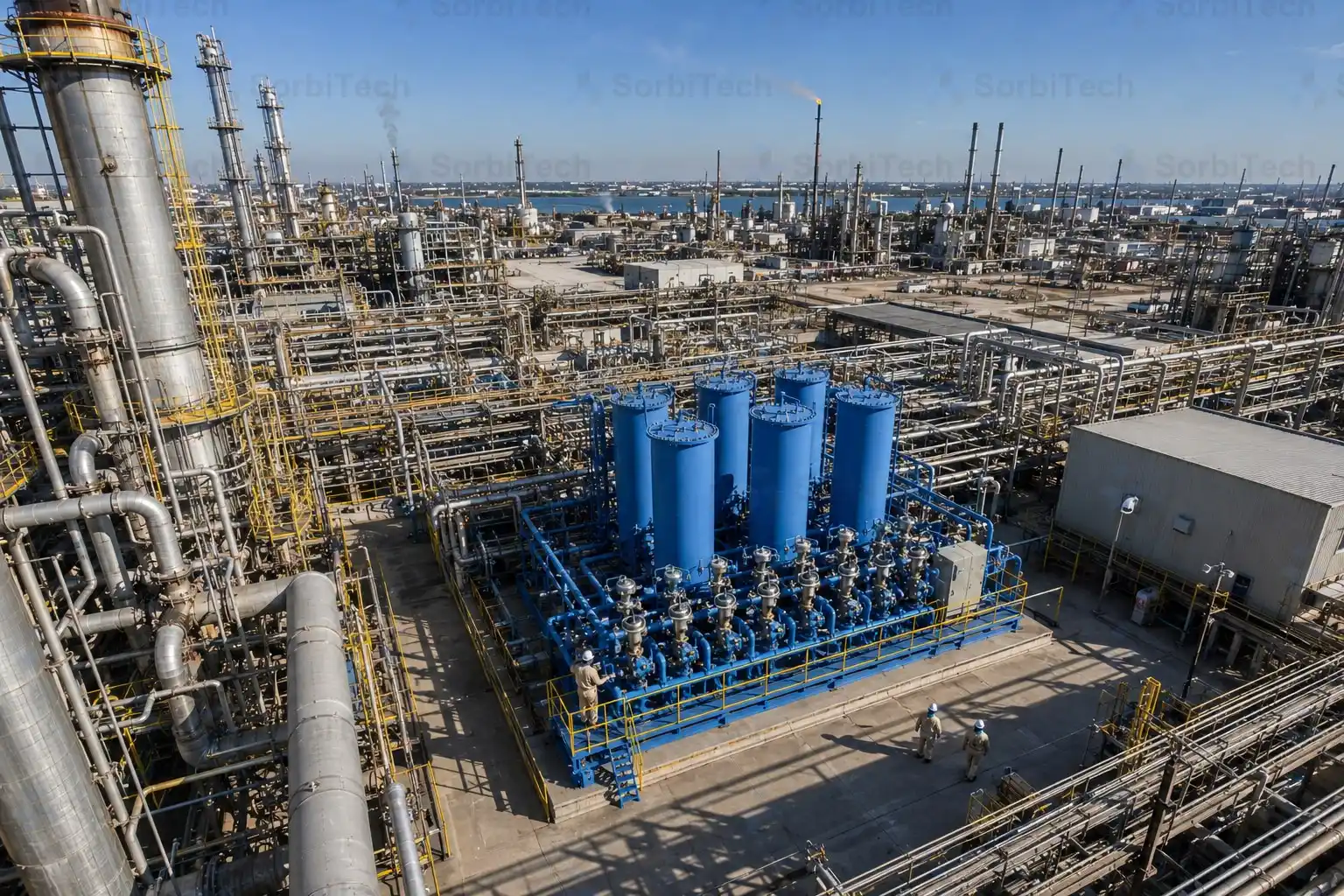 Equipment
Hydrogen PSA Purification Package
On site hydrogen PSA package using a layered adsorbent bed for high purity hydrogen recovery from steam methane reformer off gas or electrolyser product.
Capacity
50–50,000 Nm³/h H₂
Equipment
Hydrogen PSA Purification Package
On site hydrogen PSA package using a layered adsorbent bed for high purity hydrogen recovery from steam methane reformer off gas or electrolyser product.
Capacity
50–50,000 Nm³/h H₂
Key Applications in This Sector
-
01
 Process Duty
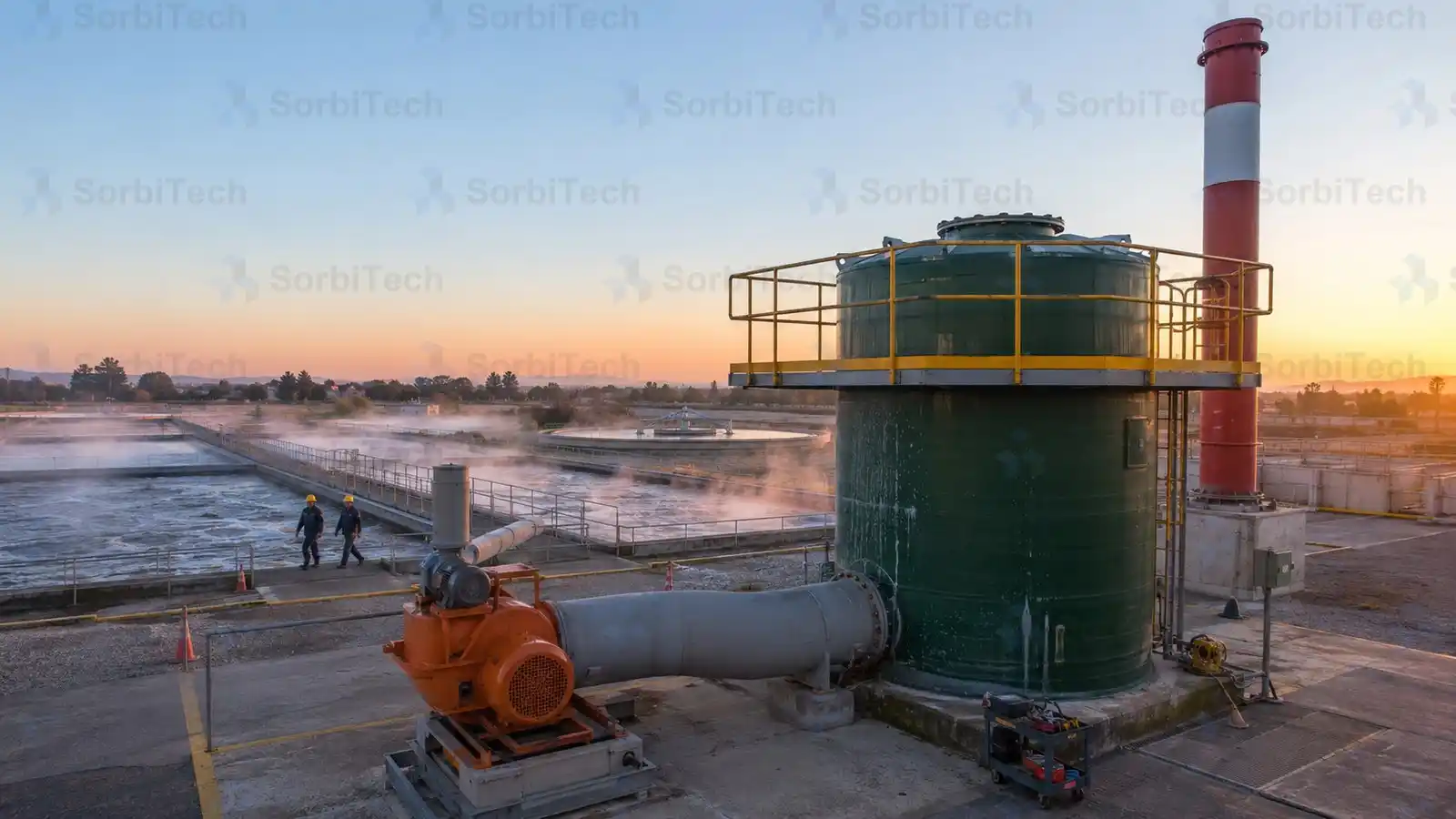
Industrial Odor and Air Stream Carbon Filtration
Pellet and impregnated activated carbon filters for industrial odor control on wastewater treatment plant vents, sewage pumping stations, food processing exhausts, and manufacturing odor…
Process Duty
Industrial Odor and Air Stream Carbon Filtration
Pellet and impregnated activated carbon filters for industrial odor control on wastewater treatment plant vents, sewage pumping stations, food processing exhausts, and manufacturing odor…
-
02
 Process Duty
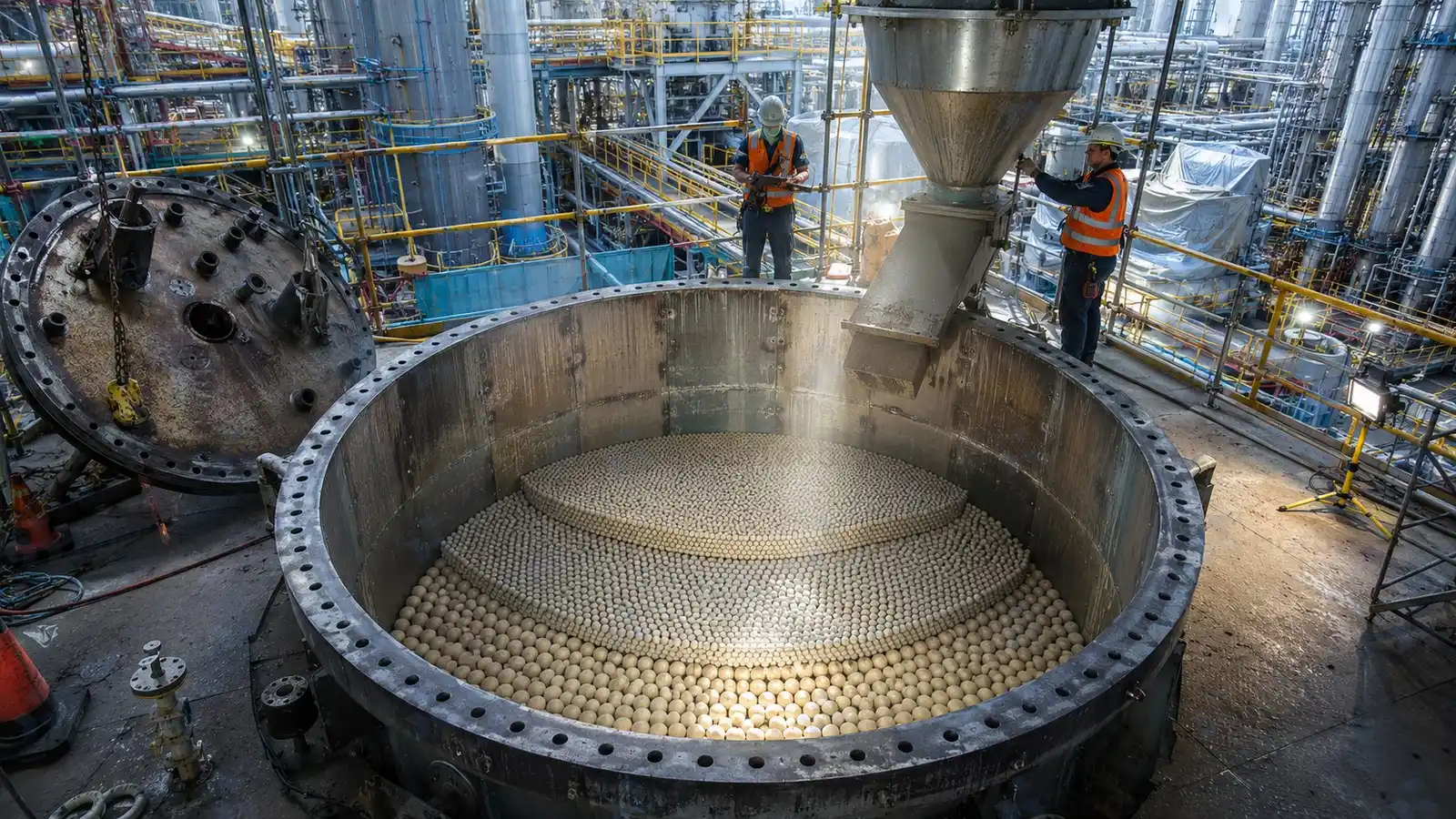
Catalyst Bed Support and Grading
Inert ceramic and high purity alumina support balls in graded sets for catalyst and adsorbent bed support, flow distribution, and thermal mass in refinery,…
Process Duty
Catalyst Bed Support and Grading
Inert ceramic and high purity alumina support balls in graded sets for catalyst and adsorbent bed support, flow distribution, and thermal mass in refinery,…
-
03
 Process Duty
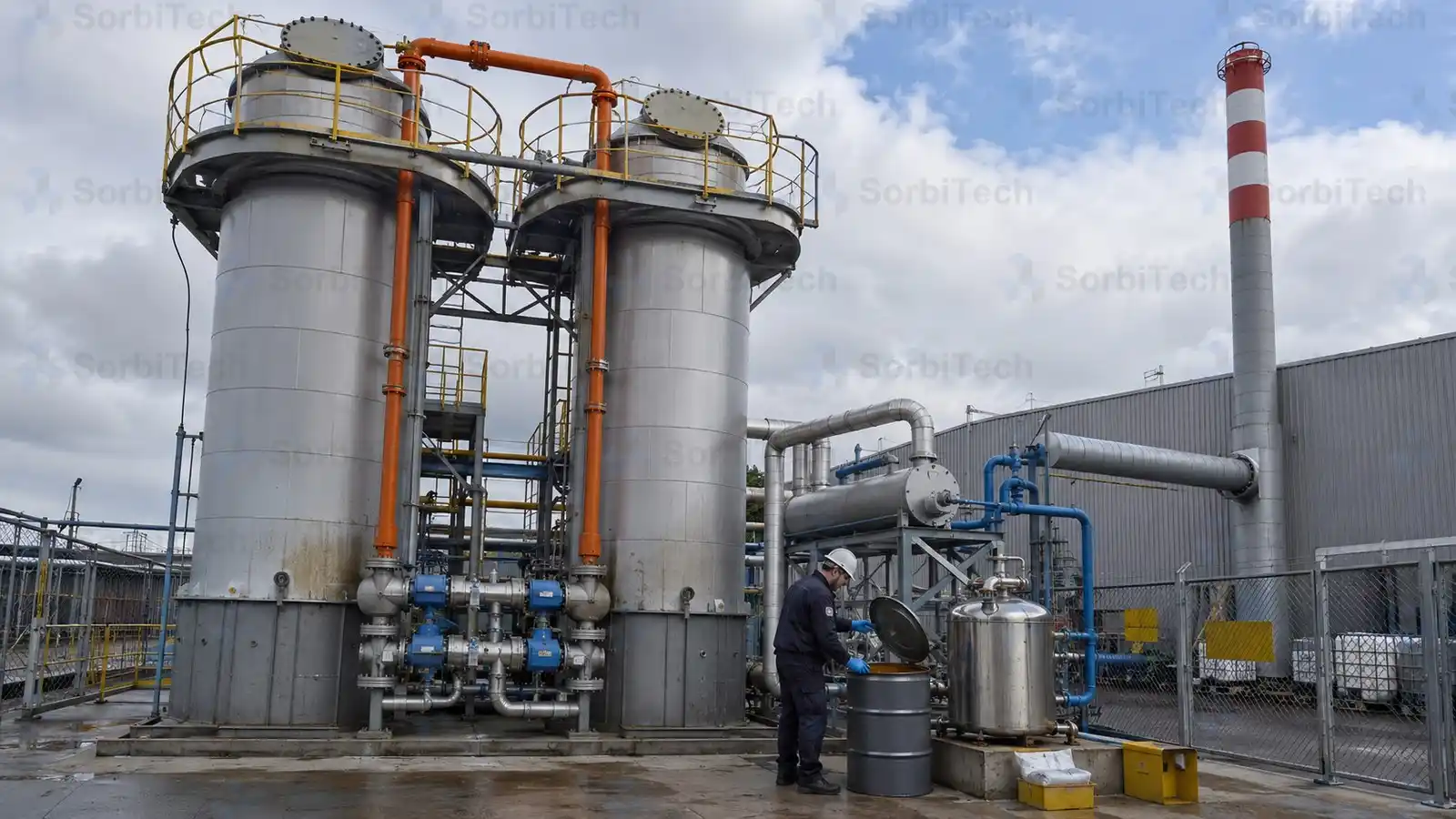
Solvent Vapor Recovery
Solvent vapor recovery using twin tower pellet activated carbon adsorbers with steam or vacuum regeneration to capture and recover volatile organic solvents from process…
Process Duty
Solvent Vapor Recovery
Solvent vapor recovery using twin tower pellet activated carbon adsorbers with steam or vacuum regeneration to capture and recover volatile organic solvents from process…
-
04
 Process Duty
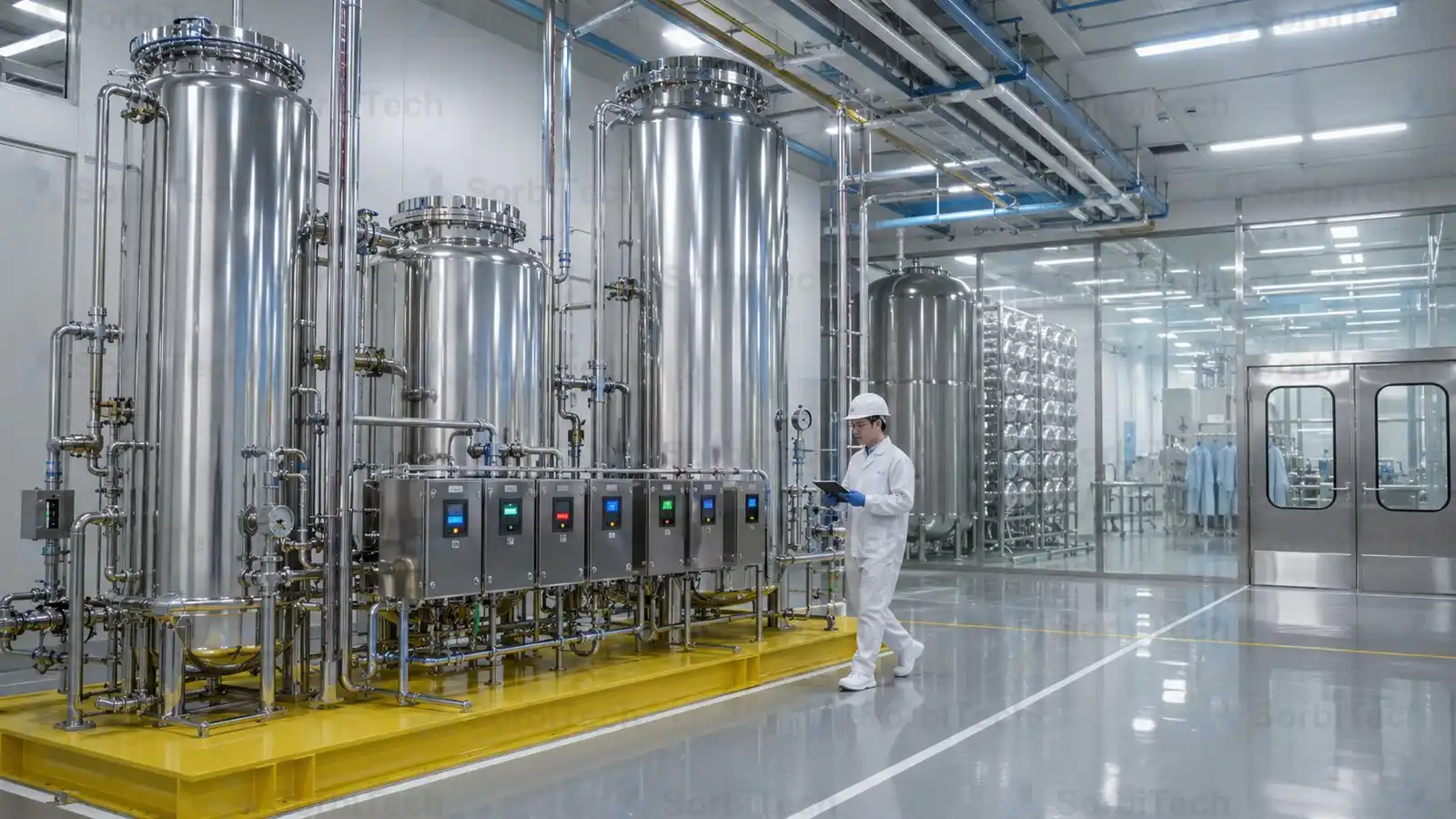
Industrial Process Water Purification
Process water polishing for industrial manufacturing using activated carbon and activated alumina to remove dissolved contaminants ahead of reverse osmosis, demineralisation, or direct process…
Process Duty
Industrial Process Water Purification
Process water polishing for industrial manufacturing using activated carbon and activated alumina to remove dissolved contaminants ahead of reverse osmosis, demineralisation, or direct process…
-
05
 Process Duty
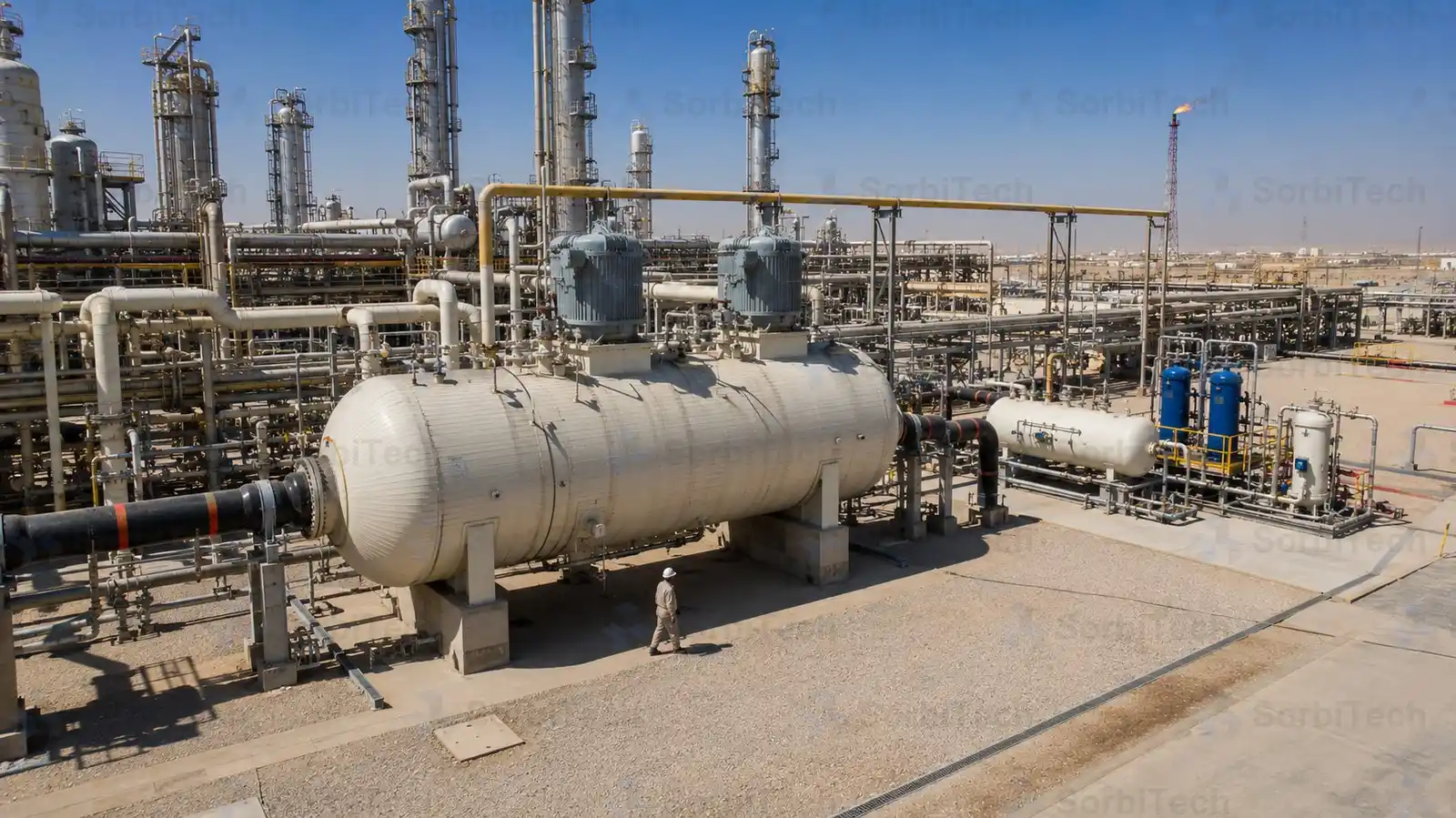
Crude Oil Desalting
Removing salt, water, and solids from crude oil at the refinery inlet using electrostatic coalescing and downstream effluent treatment of the desalter brine.
Process Duty
Crude Oil Desalting
Removing salt, water, and solids from crude oil at the refinery inlet using electrostatic coalescing and downstream effluent treatment of the desalter brine.
-
06
 Process Duty
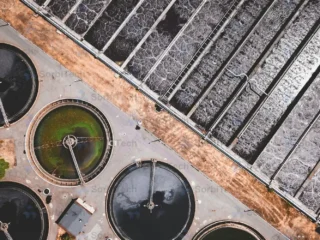
Industrial Wastewater Oil and Grease Removal
Removing oil, grease, and dispersed hydrocarbons from industrial wastewater using CPI separation and coalescing polishing to meet sewer discharge or reuse specifications.
Process Duty
Industrial Wastewater Oil and Grease Removal
Removing oil, grease, and dispersed hydrocarbons from industrial wastewater using CPI separation and coalescing polishing to meet sewer discharge or reuse specifications.
Discuss Your Petrochemicals & Refining Requirements
Our team has direct experience in this sector. We review your duty conditions and recommend a complete solution.