
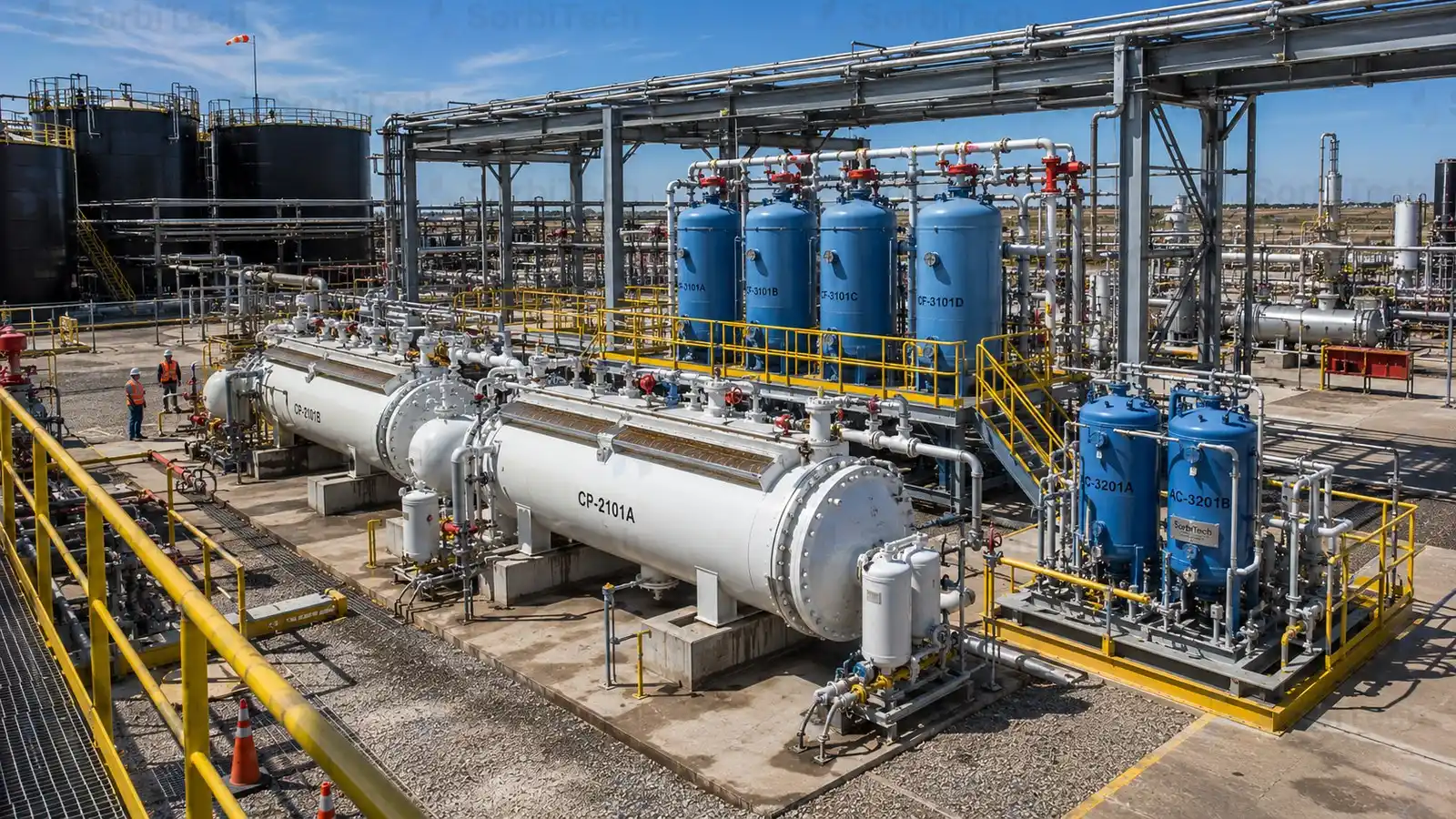
Produced Water Treatment
Removing oil and solids from oilfield produced water to meet reinjection or discharge limits, using staged gravity separation, coalescing, and polishing.
Produced water treatment removes dispersed oil and suspended solids from the water coproduced with oil and gas, using staged separation: CPI gravity separation, coalescing polishing, and optional adsorption. The treated water meets reinjection (typically < 20 ppm) or overboard discharge limits.
Free, Dispersed, and Emulsified Oil
Produced water is the water coproduced with oil and gas from a reservoir. It carries free oil, dispersed oil, and emulsified oil together with suspended solids and dissolved salts. The treatment train must address each of those fractions because they cannot be removed by a single technology.
Free oil, droplets above about 150 microns, separates by gravity. Dispersed oil, droplets between 10 and 150 microns, separates by coalescence. Emulsified oil, droplets below 10 microns, holds in the water phase by interfacial chemistry and requires chemical or adsorption treatment to release. SorbiTech sizes and delivers the staged train end to end.
The Staged Treatment Train
Treatment is built in stages matched to the oil fractions in the inlet and to the contractual outlet limit. Gravity separation takes out the bulk free oil and the settleable solids. Coalescing polishing merges and removes the dispersed oil down to single digit ppm. Flotation or adsorption polishes the emulsified residual where the limit requires it.
A typical onshore field with a reinjection limit of 20 ppm uses a CPI followed by a coalescing skid; a sensitive offshore overboard discharge tightens the limit and adds nutshell filtration or a hydrocyclone ahead of the CPI.
Stage by Stage Selection
- CPI oil water separator for bulk free oil and settleable solids, outlet below 10 ppm
- Coalescing filtration skid to polish dispersed oil to single digit ppm
- Induced gas flotation or dissolved gas flotation for emulsified residual
- SorbiTech activated carbon polishing where the discharge limit applies to dissolved hydrocarbons
- Solids handling and sludge dewatering matched to the disposal route
Setting the Discharge or Reinjection Target
The treatment train is sized backwards from the contracted limit. Reinjection commonly requires oil in water below 20 ppm together with tight solids control, typically below 10 ppm of suspended solids and a maximum particle size of 5 to 10 microns, to protect the formation. Overboard discharge limits vary by jurisdiction; the OSPAR limit is 30 ppm monthly average, while several national consents apply 15 to 20 ppm.
Confirming the limit before sizing is essential. A train sized for 30 ppm discharge that later faces a 20 ppm consent requires an additional polishing stage that is far cheaper to install during initial construction than as a retrofit.
Offshore Versus Onshore Constraints
Offshore platforms and FPSO vessels enforce three additional constraints beyond the onshore design. Footprint is tight, so the staged train is built upward in multiple decks rather than spread out across a single elevation. Weight is regulated, so the materials of construction shift toward stainless steel and aluminium. Motion induces a constant low frequency vibration that fatigues the internals over time, so SorbiTech replaces flanged connections with welded connections wherever maintenance access allows.
Onshore fields have looser space and weight envelopes but stricter discharge limits and groundwater protection requirements. The treatment train sequence is unchanged but the materials, the redundancy, and the disposal route differ across the two contexts.
Sludge Management and Solids Disposal
A produced water plant generates two solid waste streams. The CPI sludge hopper holds settleable solids together with absorbed hydrocarbons; the coalescer change out releases spent elements with residual oil. Both streams are classified as oily waste under most regulatory regimes and require either thermal treatment, secure landfill, or licensed off site disposal.
Sludge volume is reduced by 70 to 90 percent through a thickener or a plate and frame press before disposal, and the dewatered cake is moved to the disposal route with reduced transport cost.
Single Accountability Delivery
SorbiTech confirms the inlet quality, the contracted limit, and the disposal route, sizes the staged train, and delivers it as one engineered package. The vessels carry the engineered media, SorbiTech handles the EPC for the full project scope, and one performance guarantee covers the complete duty. Rental polishing skids are available for turnarounds and commissioning campaigns. The staged train uses the SorbiTech CPI separator for free oil, the coalescing skid for dispersed oil, and activated carbon for dissolved residual; see the oil & gas sector.
Selection Guidance
Stage the train to the inlet quality and target: CPI for bulk free oil, coalescing skid for dispersed oil, and adsorption or flotation for emulsified residual. Confirm the discharge/reinjection limit before sizing.
A Specified, Verified Solution
Define the duty
We capture your process conditions: flow, composition, pressure, temperature, and the target outlet specification.
Select media & configuration
Our engineers recommend the adsorbent grade and system type that meet the duty with margin.
Size & engineer
Bed sizing, vessel design, and cycle parameters are engineered to your case and documented for approval.
Commission & verify
We support loading, start up, and performance verification against the guarantee.
Recommended Products & Systems
Adsorbents & Media
Engineered Systems
-
01
 Equipment
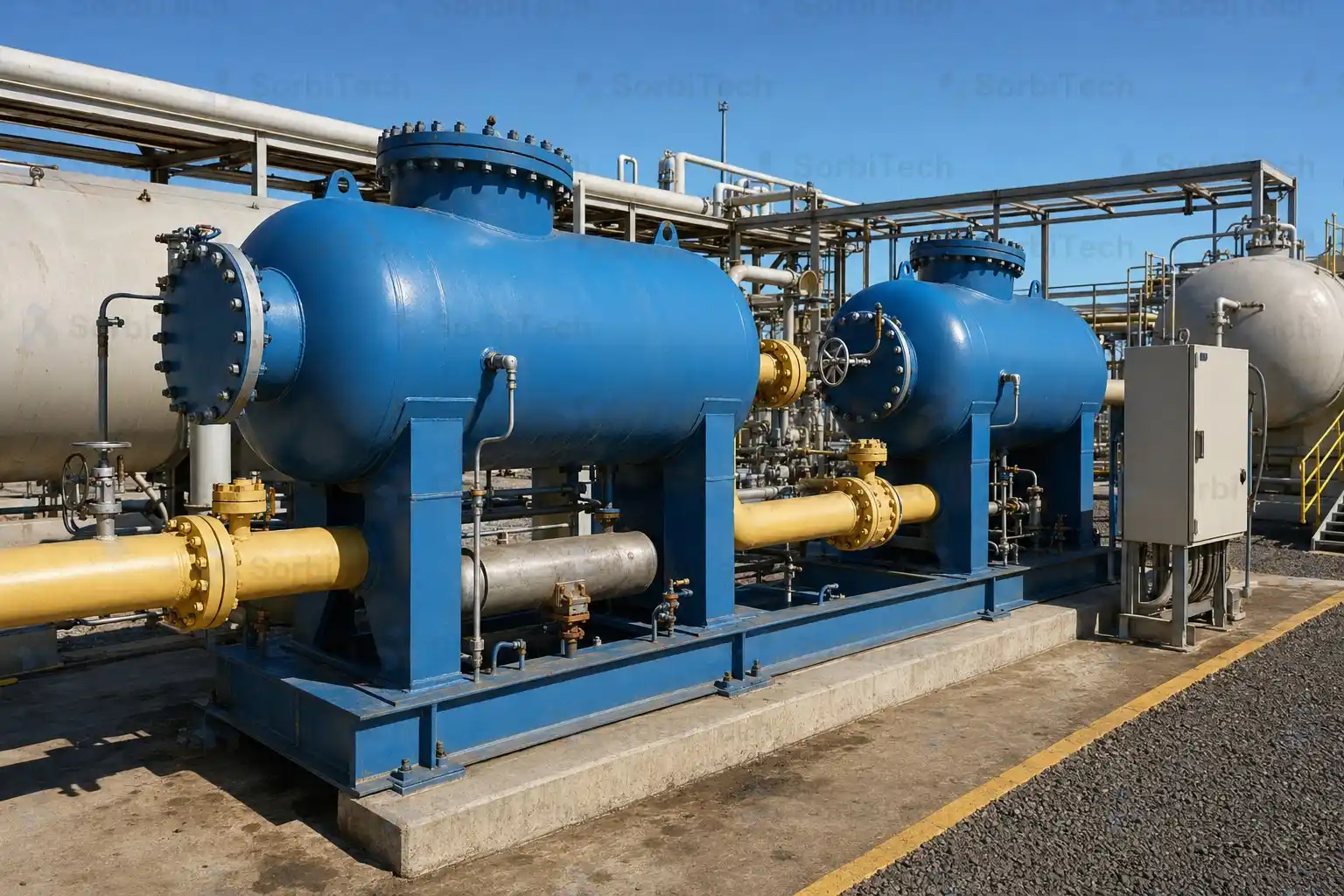
Coalescing Filtration Skid
Two stage coalescer and separator skid that removes fine dispersed hydrocarbons and solids from water down to single digit ppm. It is the polishing…
Capacity
2–200 m³/h
Equipment
Coalescing Filtration Skid
Two stage coalescer and separator skid that removes fine dispersed hydrocarbons and solids from water down to single digit ppm. It is the polishing…
Capacity
2–200 m³/h
-
02
 Equipment
CPI Oil Water Separator
Corrugated plate interceptor that separates free oil and settleable solids from produced and industrial water to below 10 ppm. Compact, with no moving parts.
Capacity
5–500 m³/h
Equipment
CPI Oil Water Separator
Corrugated plate interceptor that separates free oil and settleable solids from produced and industrial water to below 10 ppm. Compact, with no moving parts.
Capacity
5–500 m³/h
-
03
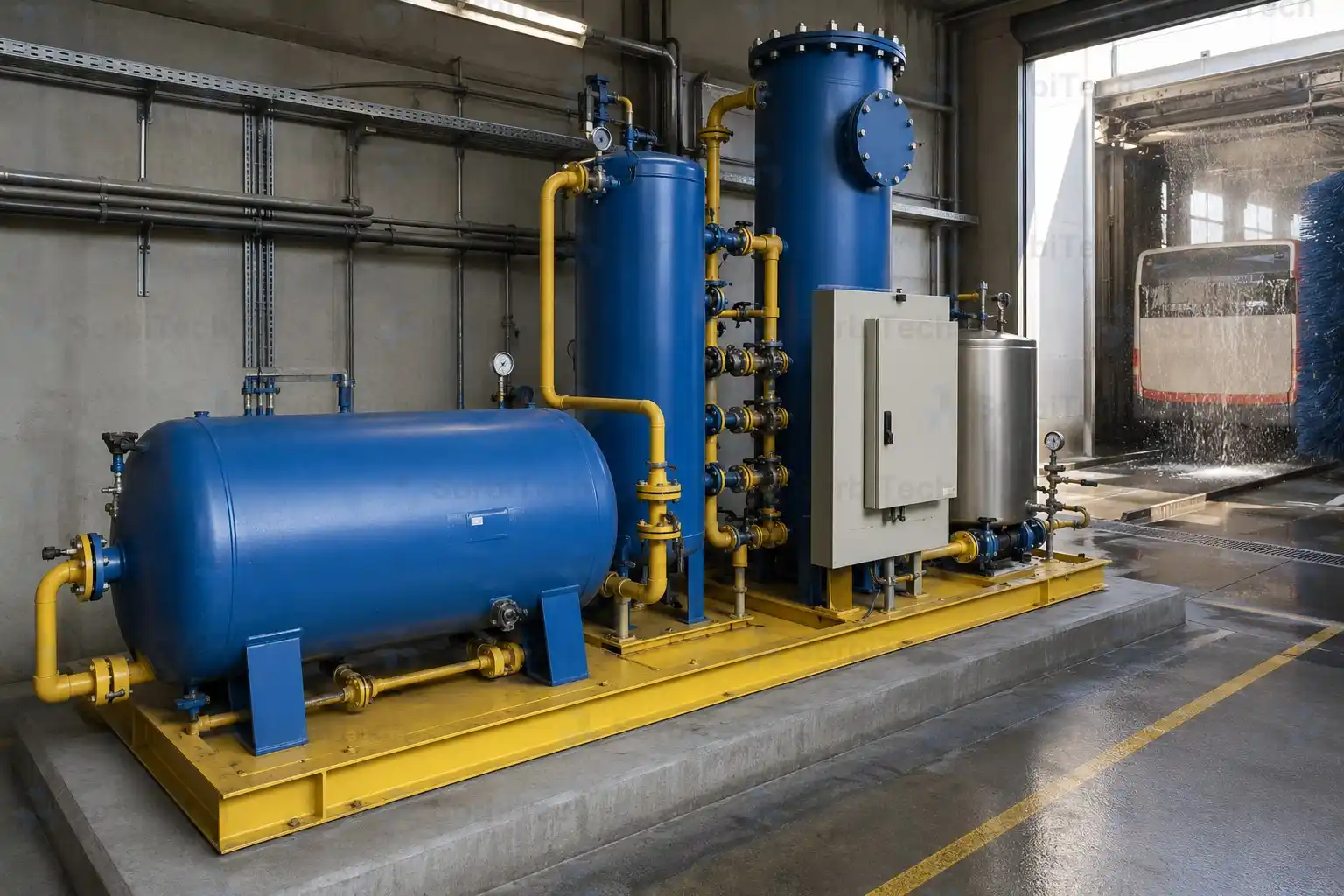 Equipment
Vehicle Wash Water Recycling Skid
Compact wash water recycling skid for car, truck, bus, and heavy equipment wash bays with staged CPI separation, coalescing polishing, and activated carbon adsorption.
Capacity
0.5–50 m³/h
Equipment
Vehicle Wash Water Recycling Skid
Compact wash water recycling skid for car, truck, bus, and heavy equipment wash bays with staged CPI separation, coalescing polishing, and activated carbon adsorption.
Capacity
0.5–50 m³/h
Industries Using This Application
-
01
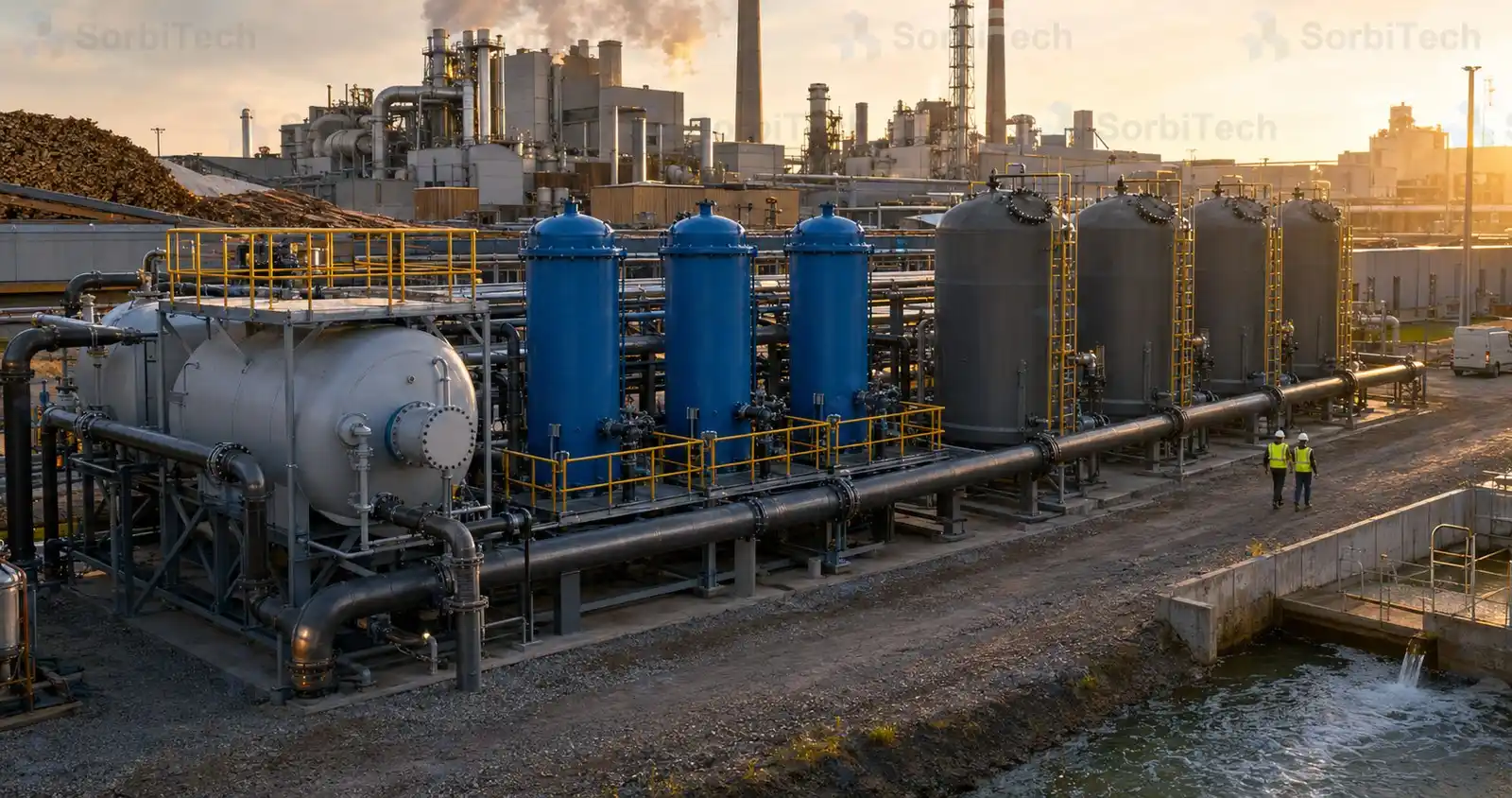 Sector
Industrial Water Treatment
Process water polishing, cooling tower blowdown, boiler feedwater, and groundwater remediation served by SorbiTech adsorbent media and engineered treatment skids.
Sector
Industrial Water Treatment
Process water polishing, cooling tower blowdown, boiler feedwater, and groundwater remediation served by SorbiTech adsorbent media and engineered treatment skids.
-
02
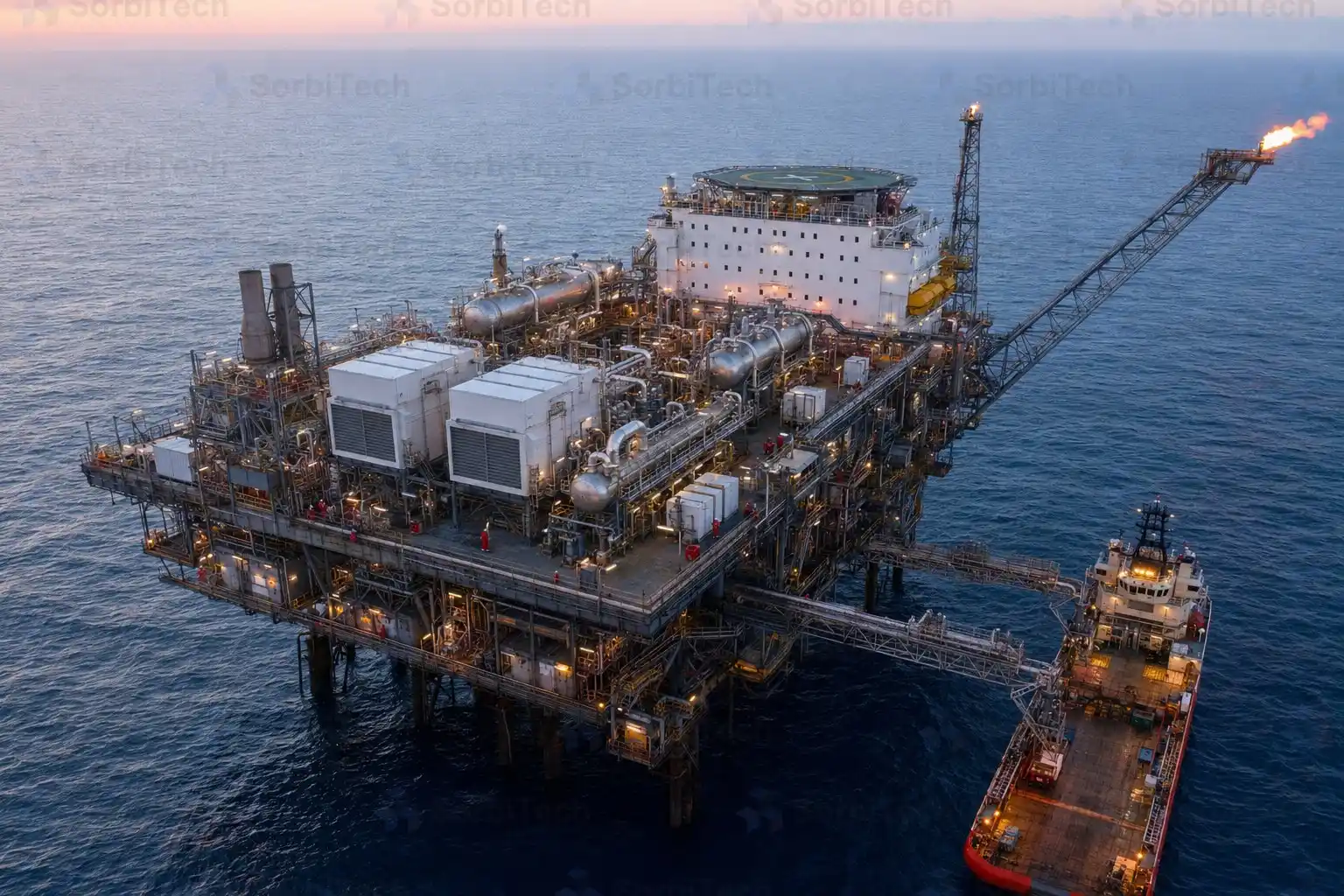 Sector
Oil & Gas
Complete dehydration, separation, and treatment across upstream, midstream, and downstream oil and gas. SorbiTech supplies the adsorbent media and the engineered systems from one…
Sector
Oil & Gas
Complete dehydration, separation, and treatment across upstream, midstream, and downstream oil and gas. SorbiTech supplies the adsorbent media and the engineered systems from one…
Specify a Solution for This Application
Provide your process conditions and our team will recommend the grade, configuration, and sizing.