
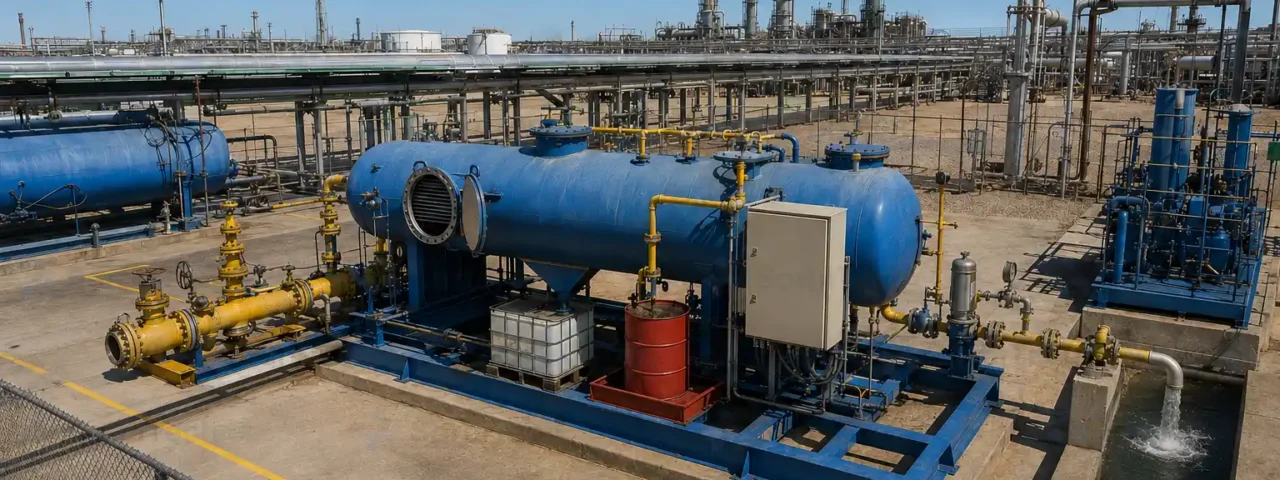
CPI Oil Water Separator
Corrugated plate interceptor that separates free oil and settleable solids from produced and industrial water to below 10 ppm. Compact, with no moving parts.
A CPI, or Corrugated Plate Interceptor, oil water separator removes free oil and settleable solids from water by gravity. Closely spaced corrugated plates shorten the distance a droplet has to rise, so the unit reaches outlet oil in water below 10 ppm with no moving parts, in a footprint far smaller than an API separator.
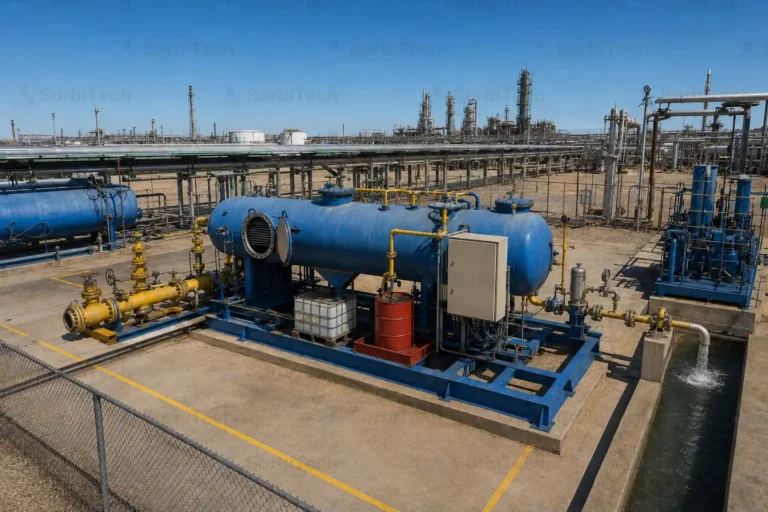
Gravity Separation on a Corrugated Plate Pack
The SorbiTech CPI Oil Water Separator removes free oil and settleable solids from water by gravity, on a corrugated plate pack that shortens the distance an oil droplet has to rise. A standard API 421 separator sizes the basin so that a 150 micron droplet has time to reach the surface; a CPI achieves the same separation in 10 to 20 percent of the basin volume because the rise distance between plates is 20 to 40 mm rather than 1 to 2 metres.
The unit operates with no moving parts, no chemicals, and no power consumption beyond a small skimmer drive, which makes it the standard first stage for produced water, refinery effluent, and vehicle wash water. SorbiTech fabricates the unit in carbon steel, lined carbon steel, or duplex stainless to suit the inlet chemistry.
Stokes Settling Through a Corrugated Pack
The separator works at Stokes law settling. Oil droplet rise velocity is proportional to the square of the droplet diameter and to the density difference between water and oil, and inversely proportional to the water viscosity. A 60 micron droplet rises at about 2 mm/s in cool water, so a vertical travel of 20 mm between plates is completed in 10 seconds.
The corrugation does two things at once. It forces droplets along the underside of the plate, where they coalesce with other droplets into larger and faster rising drops; and it gives solids a downward path to a collection hopper without re entraining them in the upward flow.
Construction
The unit is supplied with:
- Carbon steel or stainless tank, open top for atmospheric duty or pressurised to ASME VIII for sour gas service
- Removable corrugated plate packs in 316L stainless or polypropylene, lifted for cleaning without breaking the inlet or outlet connections
- Inlet diffuser to spread the flow across the plate pack at uniform velocity
- Oil skimming weir, slotted pipe, or rotating disc skimmer to the oil collection sump
- Sludge hopper and timed discharge valve
- Optional nitrogen blanket and pressure safety relief for hydrocarbon service
Skimming, Sludge and Service
Daily operation is reduced to monitoring the oil and sludge volumes and adjusting the skimmer setpoint with the inlet load. The plate pack is cleaned once or twice a year by lifting it out of the tank and high pressure water washing, which takes a maintenance window of 4 to 8 hours.
A correctly sized SorbiTech CPI handles 5 to 30 percent overload on flow without falling out of specification, so plant operators can tolerate the upset events that follow shutdown drains and pigging without losing the discharge limit.
Design Data
- Capacity: 5 to 500 m³/h
- Inlet oil load: up to 1,000 ppm free oil; settleable solids
- Outlet oil in water: below 10 ppm (free oil)
- Design standard: API 421 with ASME VIII for pressurised variants
- Operating pressure: atmospheric or up to 10 barg
- Temperature: 5 to 60 °C
Where It Fits
The CPI takes out free and dispersed oil down to about 10 ppm. Emulsified oil below the gravity limit is polished by a downstream coalescing filtration skid, and the combined train is the standard arrangement under produced water treatment for which SorbiTech delivers media, skids, and EPC together.
Sour and Pressurised Variants
For sour produced water and for inline pressurised duty, SorbiTech supplies the unit with NACE MR0175 materials, hardness controlled welds, post weld heat treatment, and a nitrogen blanket on the gas space. The pressurised variant avoids a flash to atmosphere that would otherwise vent hydrocarbons and trigger a hydrocarbon emissions inventory. SorbiTech delivers the complete tie in including civil, mechanical, and electrical scope where the project calls for turnkey execution.
Materials Selection and Corrosion Control
Material choice follows the chloride content, the hydrogen sulphide content, and the operating temperature. Carbon steel with a 3 to 6 mm corrosion allowance suits sweet produced water and refinery effluent. Duplex 2205 or super duplex 2507 is used for sour service above 0.5 percent hydrogen sulphide and for high chloride brackish water. A glass flake epoxy lining on a carbon steel shell is the standard mid range solution that combines low capital with a 10 to 15 year service life under sour duty.
Internal coatings are applied in a controlled workshop environment, with surface preparation to Sa 2.5 and dry film thickness verified at three points per square metre.
Performance Test and Site Acceptance
The factory acceptance test uses simulated oily water with calibrated droplet distribution to verify the rated separation efficiency before shipment. The site acceptance test repeats the measurement on the actual produced water within the first 30 days of operation and is recorded as the baseline against which campaign drift is assessed. Both tests are documented with witnessed laboratory analysis from an accredited provider. The CPI separator is the first stage in the SorbiTech produced water train; downstream polishing is delivered by the coalescing skid and activated carbon across the oil & gas sector.
Engineered Scope
Project References
Applications This System Serves
-
01
 Process Duty
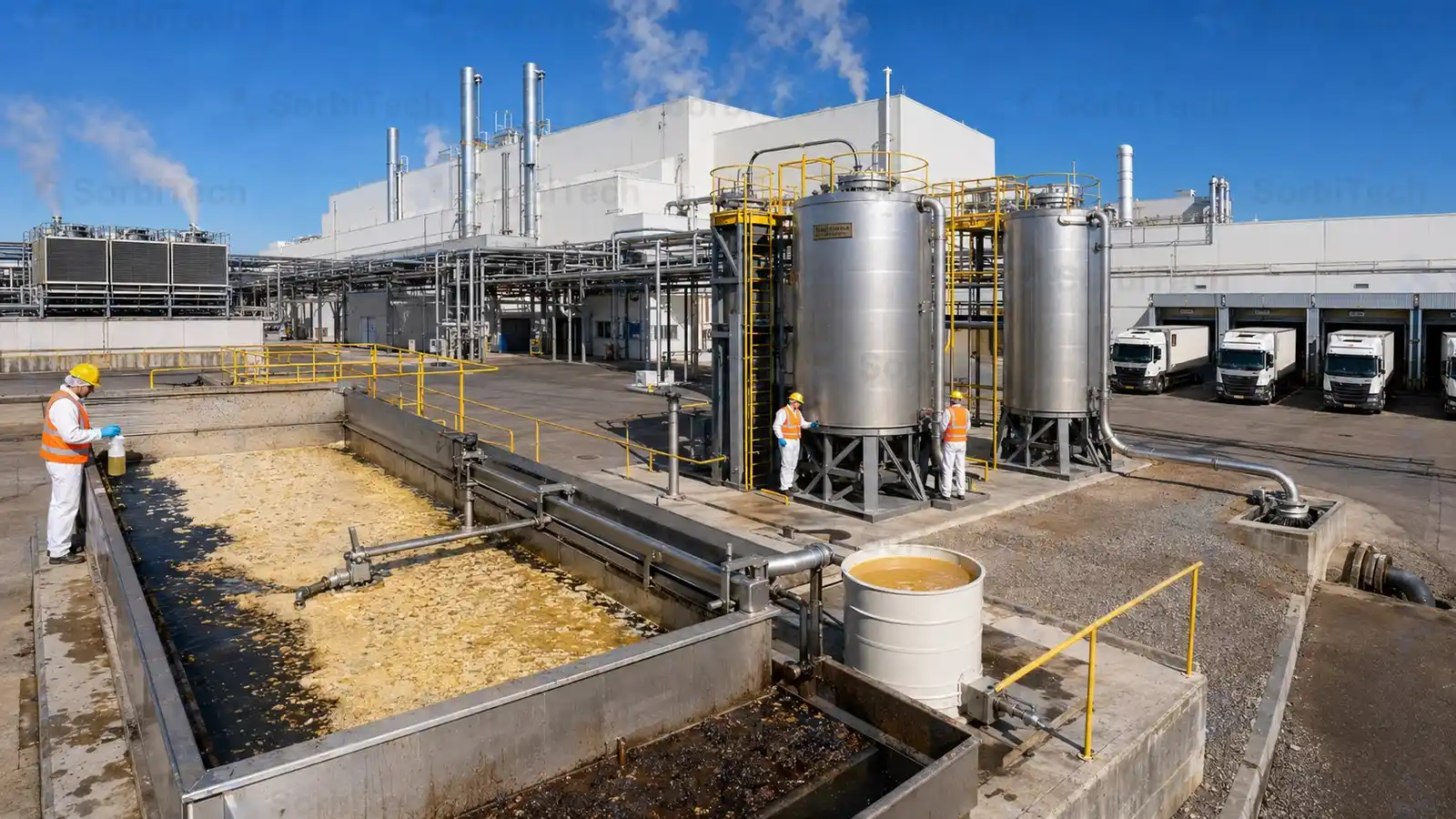
Commercial Kitchen Grease Interceptor
Grease interceptor for commercial kitchens, restaurants, food courts, and institutional catering to capture fat, oil, and grease before discharge to the municipal sewer.
Process Duty
Commercial Kitchen Grease Interceptor
Grease interceptor for commercial kitchens, restaurants, food courts, and institutional catering to capture fat, oil, and grease before discharge to the municipal sewer.
-
02
 Process Duty
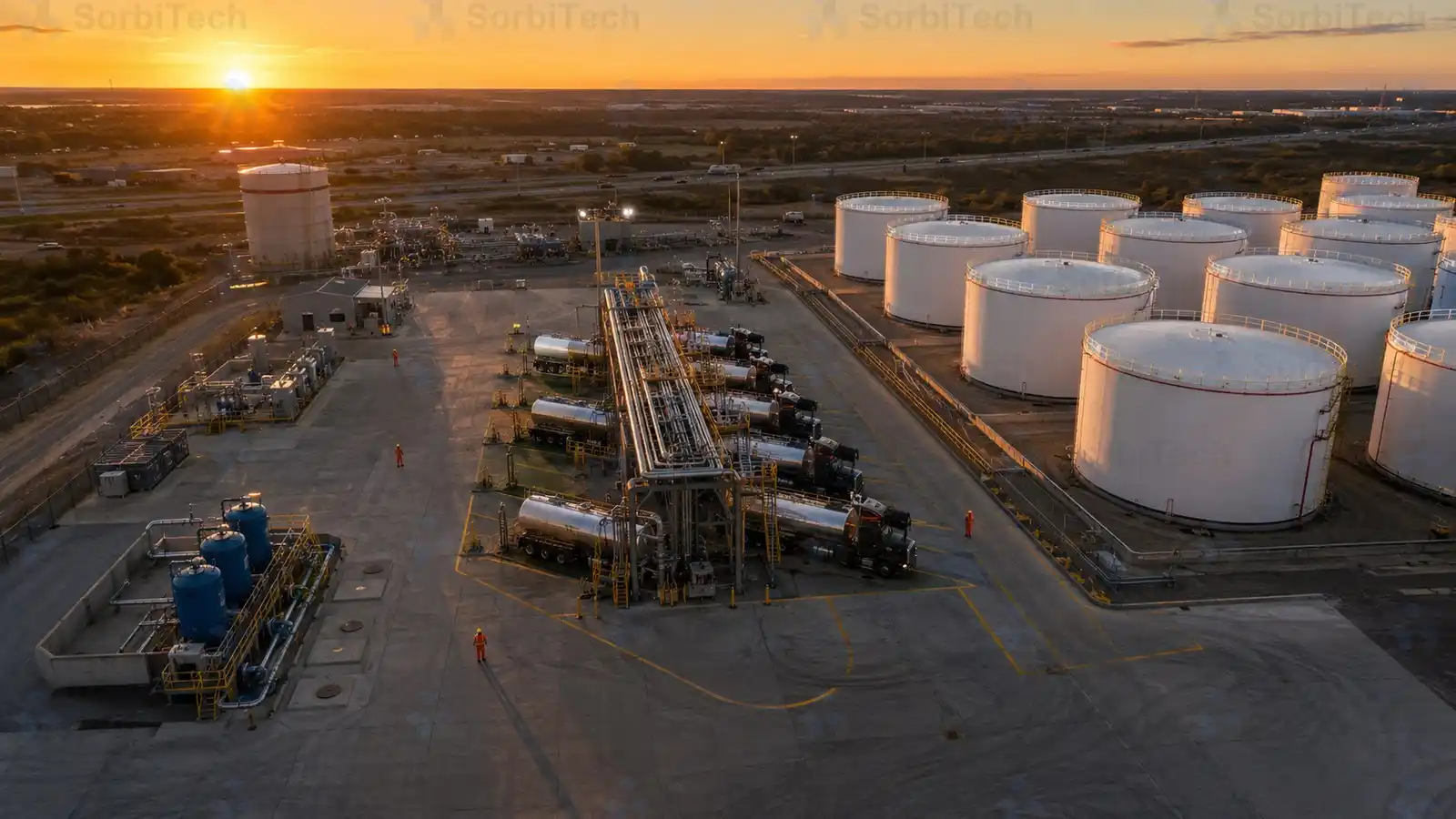
Gas Station Forecourt Runoff Interceptor
Buried CPI oil water interceptor for fuel forecourt runoff at gas stations, fuel terminals, and transport refuelling sites to meet municipal sewer discharge on…
Process Duty
Gas Station Forecourt Runoff Interceptor
Buried CPI oil water interceptor for fuel forecourt runoff at gas stations, fuel terminals, and transport refuelling sites to meet municipal sewer discharge on…
-
03
 Process Duty
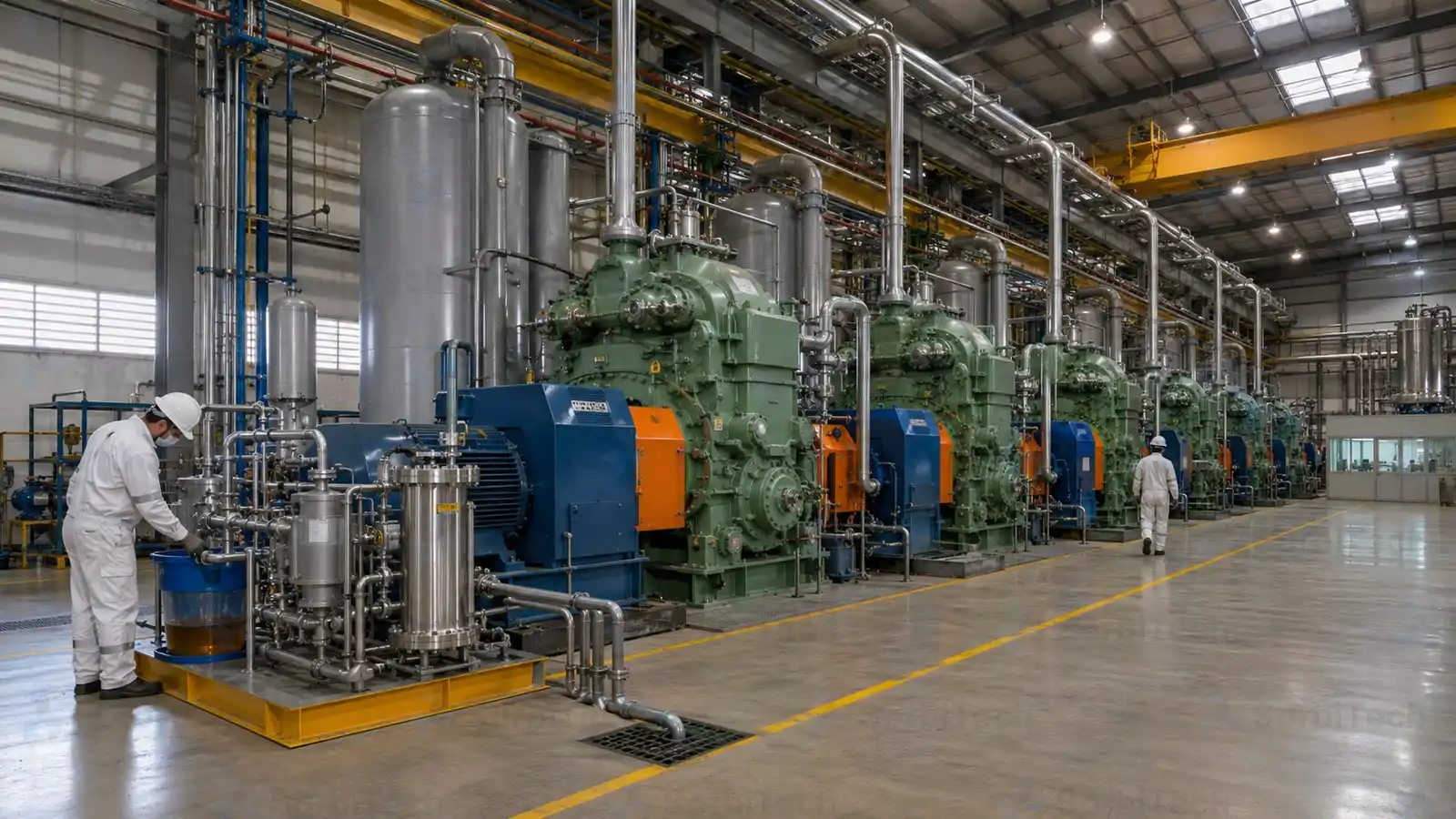
Compressor Condensate Oil Water Separation
Treating oil contaminated condensate from compressed air systems using compact oil water separation and activated carbon polishing to meet municipal sewer discharge.
Process Duty
Compressor Condensate Oil Water Separation
Treating oil contaminated condensate from compressed air systems using compact oil water separation and activated carbon polishing to meet municipal sewer discharge.
-
04
 Process Duty
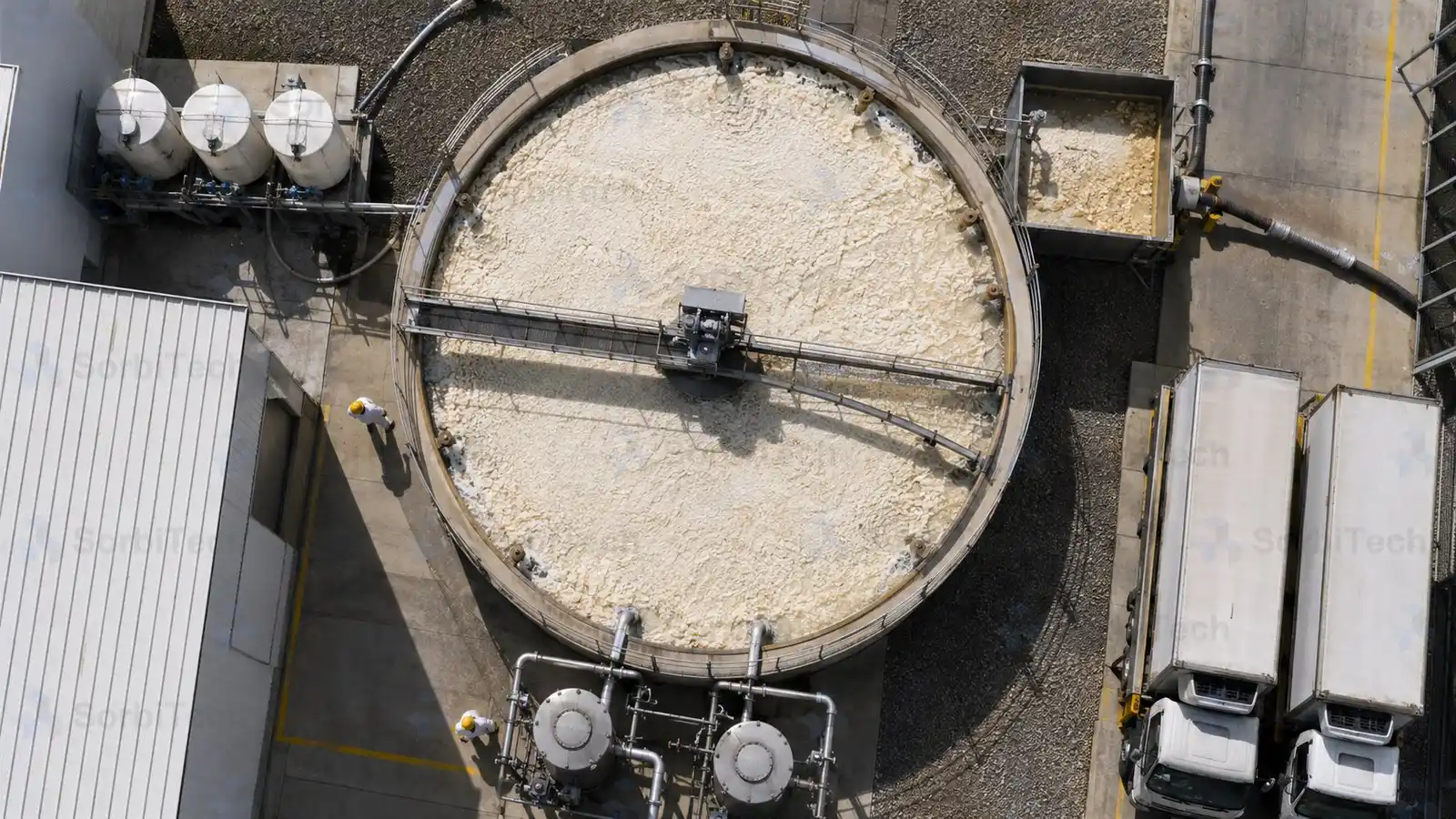
Food Processing Wash Water Treatment
Treatment of food processing wash water from meat, poultry, dairy, and vegetable processing using DAF, grease interception, and activated carbon polishing to meet sewer…
Process Duty
Food Processing Wash Water Treatment
Treatment of food processing wash water from meat, poultry, dairy, and vegetable processing using DAF, grease interception, and activated carbon polishing to meet sewer…
-
05
 Process Duty
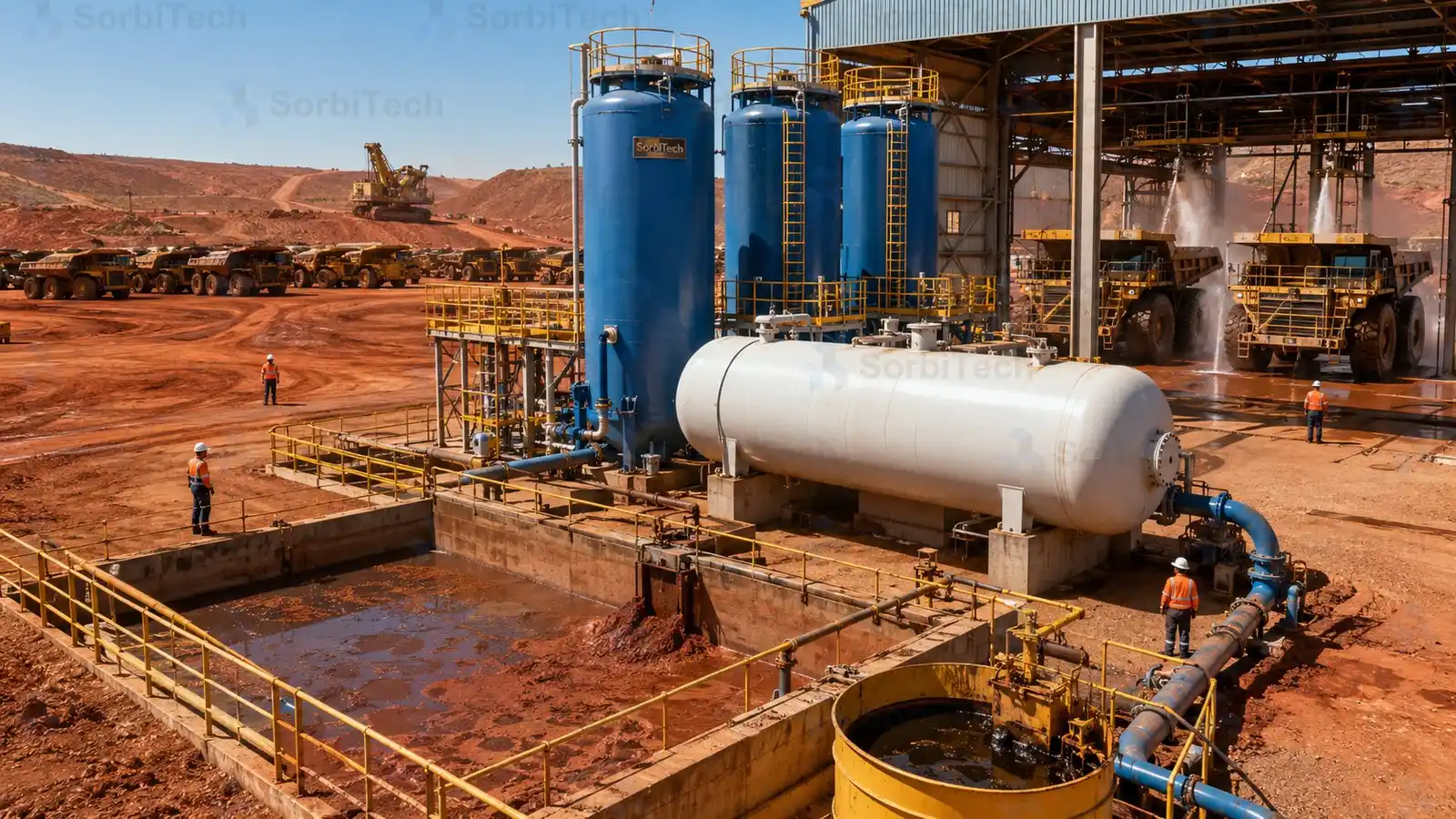
Truck, Bus, and Heavy Equipment Wash Bay
Wash water recycling for truck, bus, and heavy equipment wash bays handling the higher hydrocarbon and solids load from commercial vehicles and construction equipment.
Process Duty
Truck, Bus, and Heavy Equipment Wash Bay
Wash water recycling for truck, bus, and heavy equipment wash bays handling the higher hydrocarbon and solids load from commercial vehicles and construction equipment.
-
06
 Process Duty
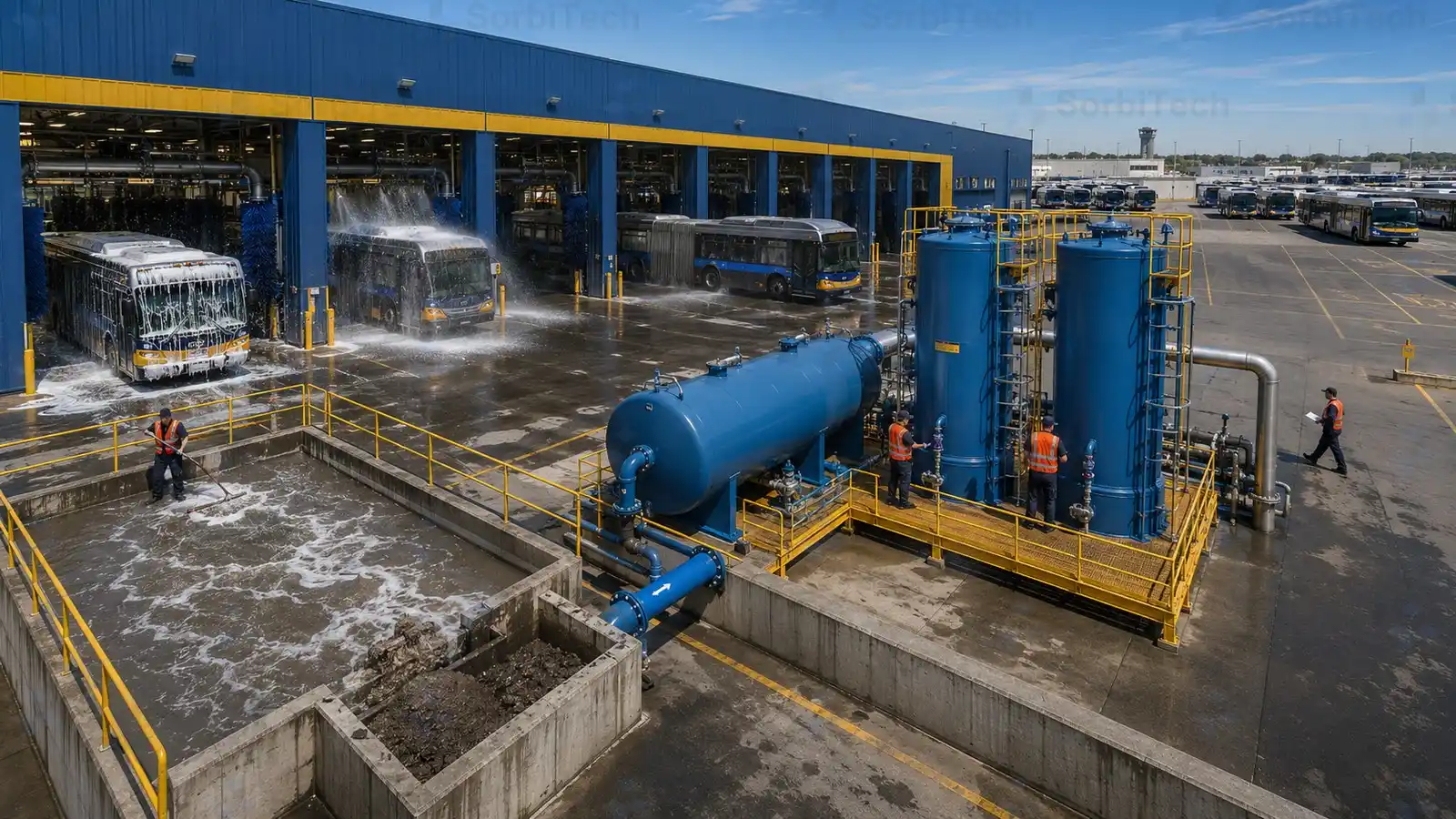
Vehicle Wash Water Recycling
Recycling car wash and light vehicle wash water using staged CPI separation, coalescing polishing, and activated carbon polishing to cut fresh water purchase and…
Process Duty
Vehicle Wash Water Recycling
Recycling car wash and light vehicle wash water using staged CPI separation, coalescing polishing, and activated carbon polishing to cut fresh water purchase and…
Industries Served
-
01
 Sector
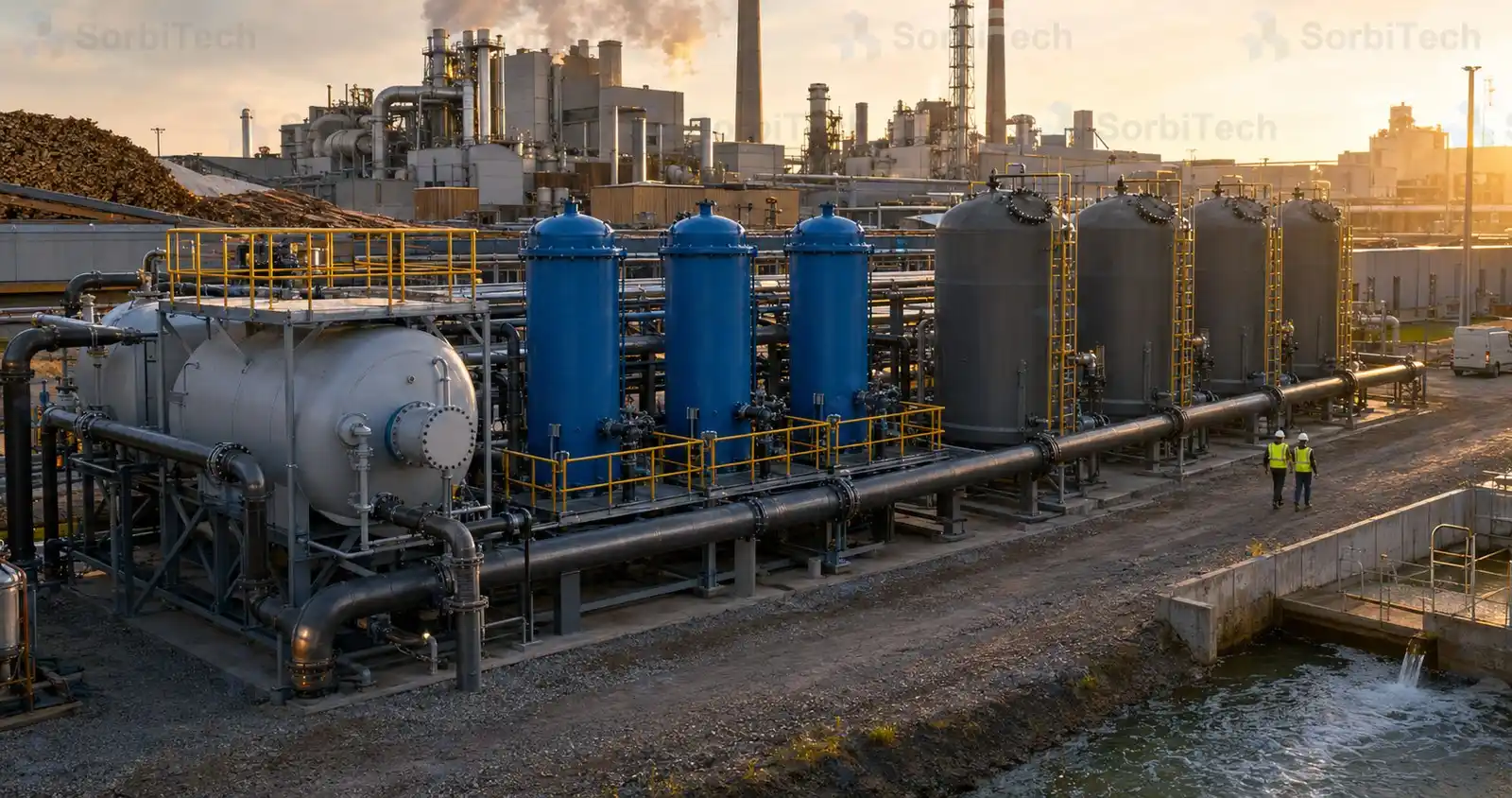
Industrial Water Treatment
Process water polishing, cooling tower blowdown, boiler feedwater, and groundwater remediation served by SorbiTech adsorbent media and engineered treatment skids.
Sector
Industrial Water Treatment
Process water polishing, cooling tower blowdown, boiler feedwater, and groundwater remediation served by SorbiTech adsorbent media and engineered treatment skids.
-
02
 Sector
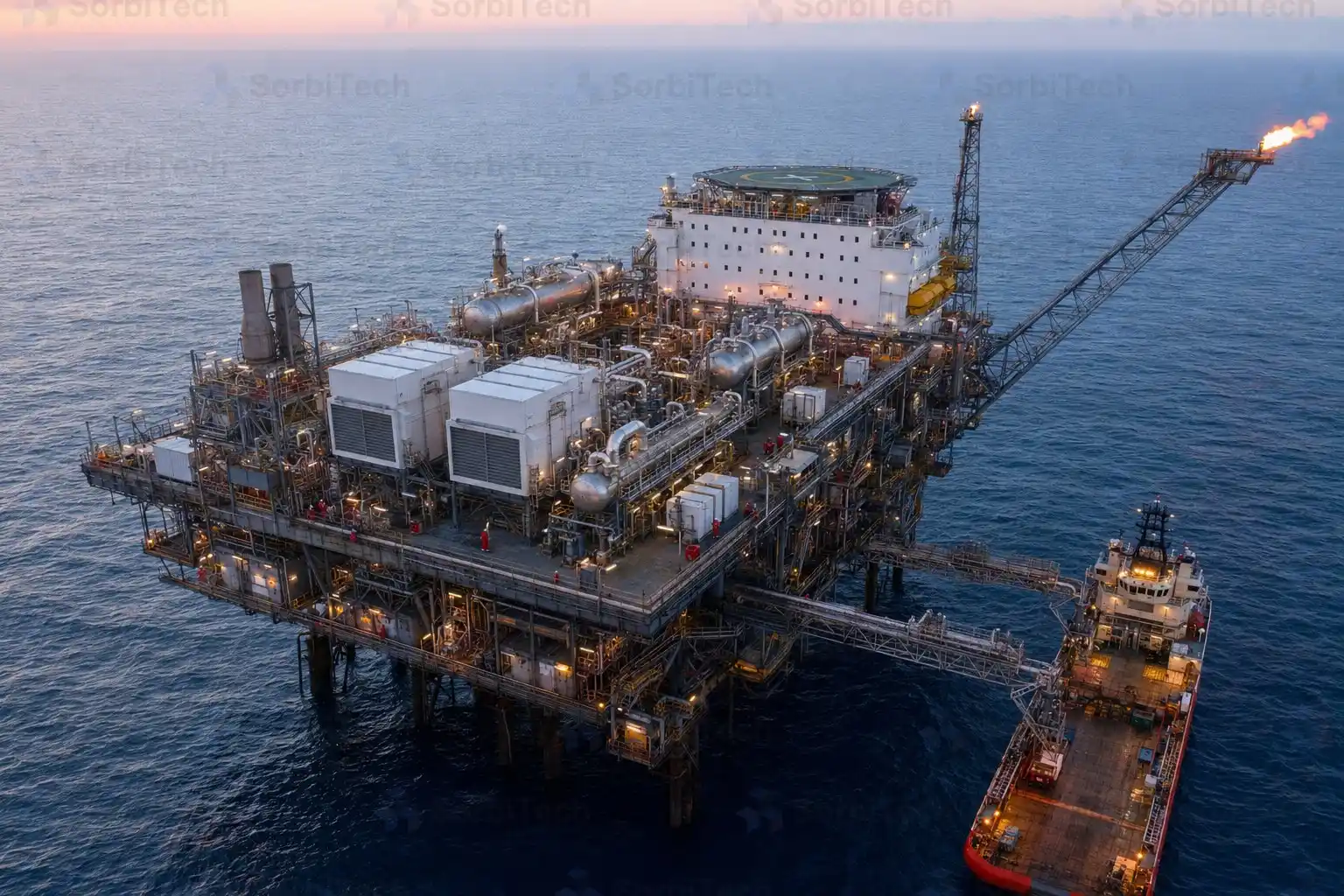
Oil & Gas
Complete dehydration, separation, and treatment across upstream, midstream, and downstream oil and gas. SorbiTech supplies the adsorbent media and the engineered systems from one…
Sector
Oil & Gas
Complete dehydration, separation, and treatment across upstream, midstream, and downstream oil and gas. SorbiTech supplies the adsorbent media and the engineered systems from one…
Discuss Your Engineering Requirements
Our engineers review your duty conditions and recommend the right configuration.