
Gas Station Forecourt Runoff Interceptor
Buried CPI oil water interceptor for fuel forecourt runoff at gas stations, fuel terminals, and transport refuelling sites to meet municipal sewer discharge on petroleum hydrocarbons.
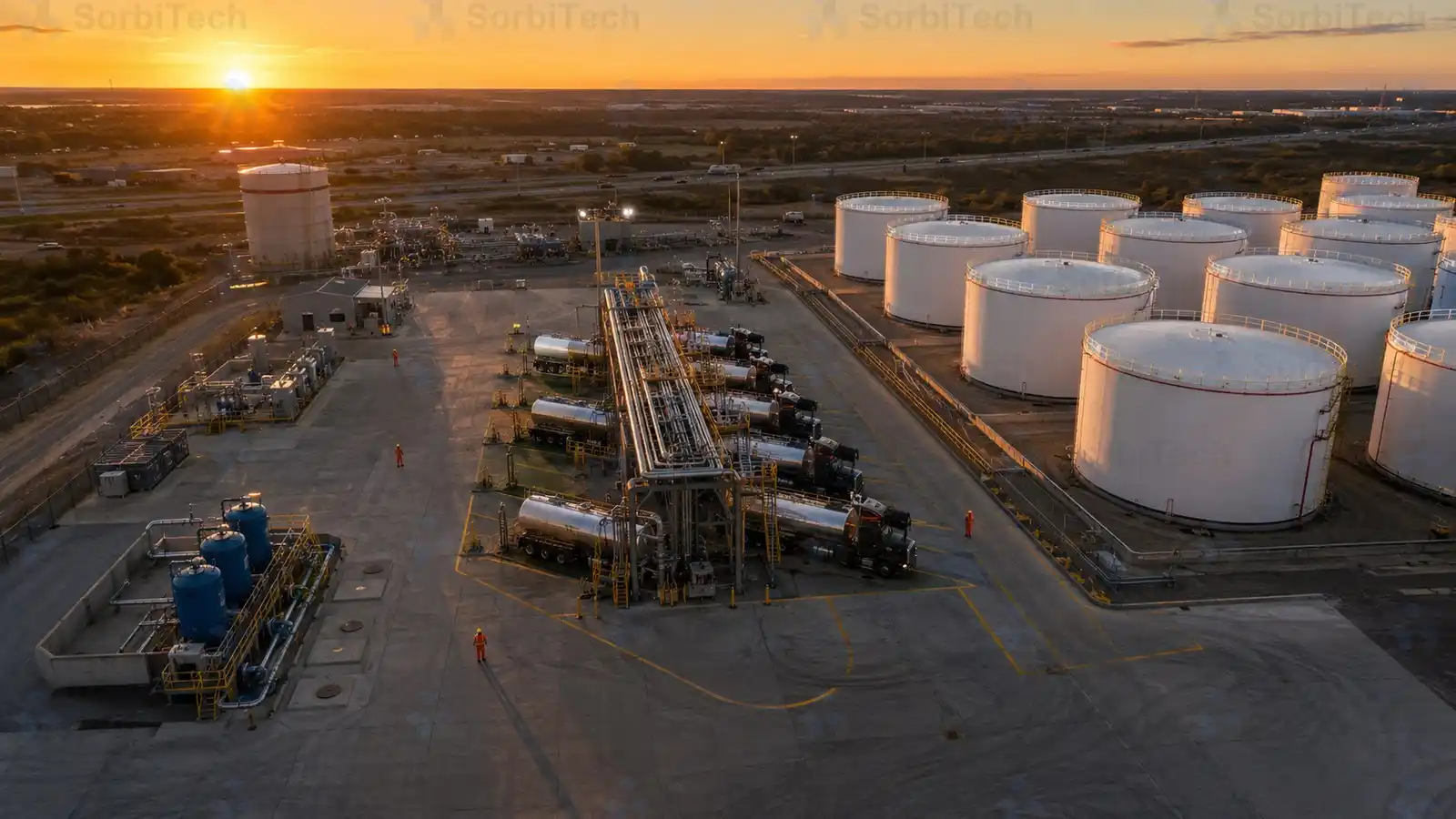
Gas station forecourt runoff interceptor captures the petroleum hydrocarbons carried in the stormwater runoff from fuel forecourts, fuel terminals, and transport refuelling sites. A buried CPI interceptor with sludge hopper and oil skim delivers outlet below the municipal sewer consent (typically 30 mg/L).
Forecourt Runoff Carries Hydrocarbon Contamination
Every fuel forecourt, gas stations, transport refuelling depots, fleet fuel terminals, generates stormwater runoff that carries petroleum hydrocarbons: fuel spilled during refuelling, leakage from underground tank fittings and vapour recovery hardware, vehicle drips from idling vehicles, and weather event flushing that mobilises accumulated residue. Direct discharge to the municipal sewer or stormwater system fails the regulator consent on petroleum hydrocarbons and contaminates the receiving water body.
Buried CPI Interceptor Configuration
The SorbiTech forecourt interceptor is a buried concrete CPI oil water separator installed beneath the forecourt canopy footprint with manhole access for service. The CPI plate pack delivers outlet below 30 mg/L oil; the integrated sludge hopper collects the settled solids; the oil skim chamber holds the recovered hydrocarbon for licensed off site disposal.
Storm Event Sizing
The interceptor is sized for the design storm event under the regional drainage regulations (typically a 1 in 5 year or 1 in 10 year return period storm). An inlet trap and an outlet flow restrictor manage the storm peak by storing excess runoff temporarily and controlling the discharge rate. The sizing study accounts for the canopy area, the forecourt drainage area, and the design storm intensity.
Service Contract and Regulatory Documentation
Scheduled service every 6 to 12 months covers sludge pump out, oil decant for licensed off site disposal, and inspection of the inlet trap and outlet restrictor. The SorbiTech service contract maintains the operator regulatory documentation: discharge sampling records, chain of custody for the recovered hydrocarbon, and the asset register for the regional environment regulator. Sector coverage is vehicle services and transport.
Selection Guidance
Buried concrete CPI interceptor sized to the forecourt canopy footprint and the design storm event. Inlet trap and outlet flow restrictor manage the storm peak. Scheduled service every 6 to 12 months.
A Specified, Verified Solution
Define the duty
We capture your process conditions: flow, composition, pressure, temperature, and the target outlet specification.
Select media & configuration
Our engineers recommend the adsorbent grade and system type that meet the duty with margin.
Size & engineer
Bed sizing, vessel design, and cycle parameters are engineered to your case and documented for approval.
Commission & verify
We support loading, start up, and performance verification against the guarantee.
Recommended Products & Systems
Engineered Systems
-
01
 Equipment
CPI Oil Water Separator
Corrugated plate interceptor that separates free oil and settleable solids from produced and industrial water to below 10 ppm. Compact, with no moving parts.
Capacity
5–500 m³/h
Equipment
CPI Oil Water Separator
Corrugated plate interceptor that separates free oil and settleable solids from produced and industrial water to below 10 ppm. Compact, with no moving parts.
Capacity
5–500 m³/h
-
02
 Equipment
Vehicle Wash Water Recycling Skid
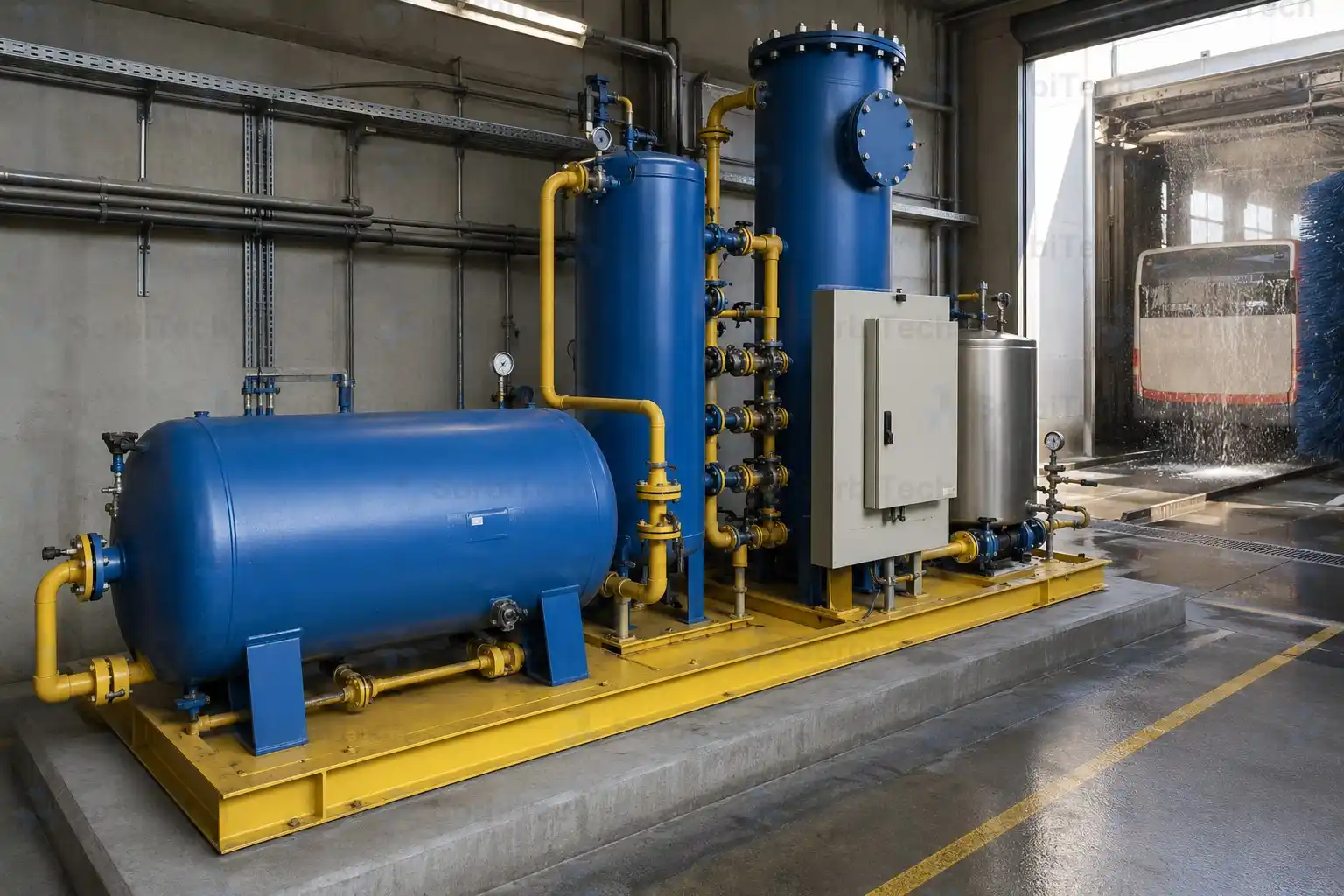
Compact wash water recycling skid for car, truck, bus, and heavy equipment wash bays with staged CPI separation, coalescing polishing, and activated carbon adsorption.
Capacity
0.5–50 m³/h
Equipment
Vehicle Wash Water Recycling Skid
Compact wash water recycling skid for car, truck, bus, and heavy equipment wash bays with staged CPI separation, coalescing polishing, and activated carbon adsorption.
Capacity
0.5–50 m³/h
-
03
 Equipment
Coalescing Filtration Skid
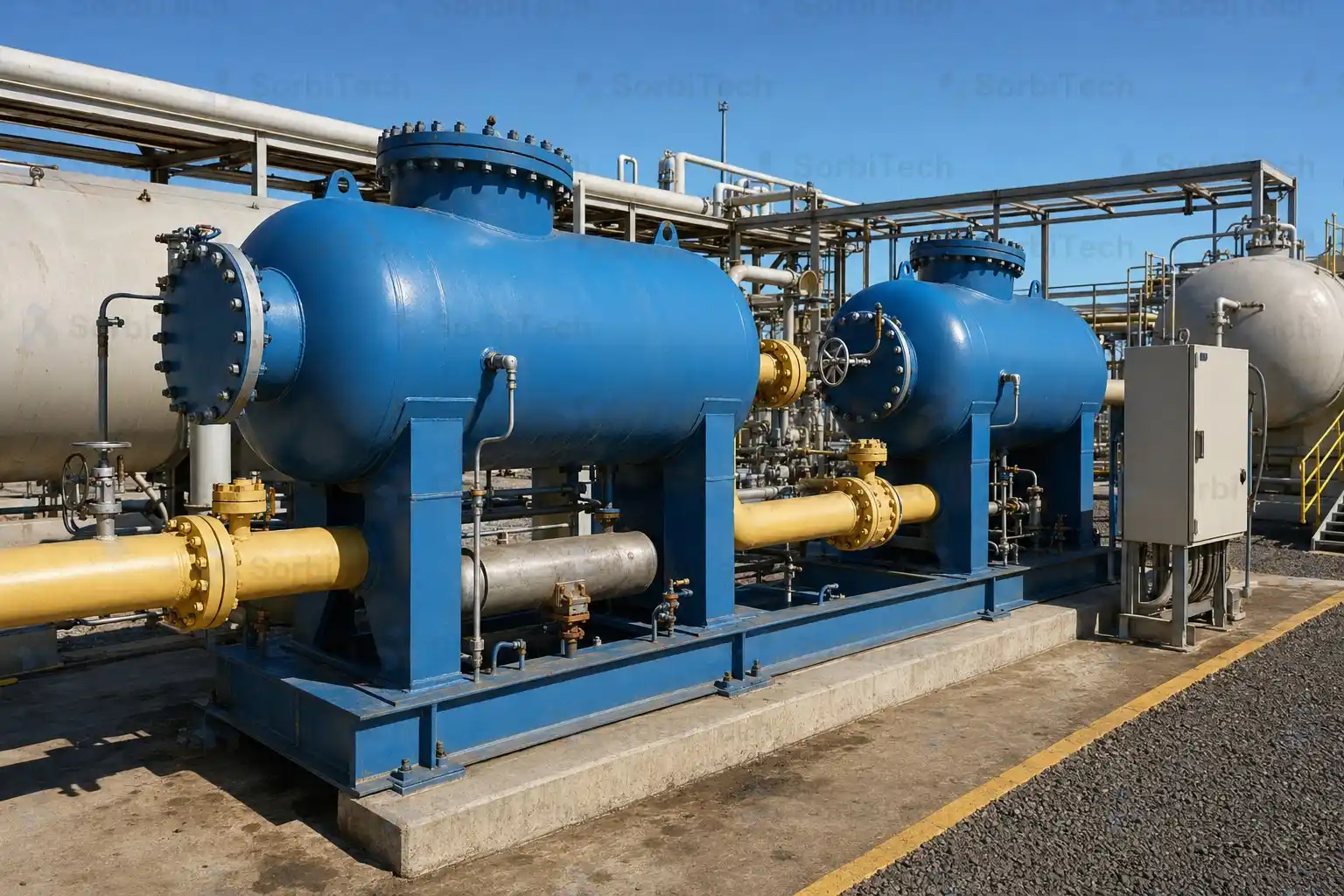
Two stage coalescer and separator skid that removes fine dispersed hydrocarbons and solids from water down to single digit ppm. It is the polishing…
Capacity
2–200 m³/h
Equipment
Coalescing Filtration Skid
Two stage coalescer and separator skid that removes fine dispersed hydrocarbons and solids from water down to single digit ppm. It is the polishing…
Capacity
2–200 m³/h
Industries Using This Application
-
01
 Sector
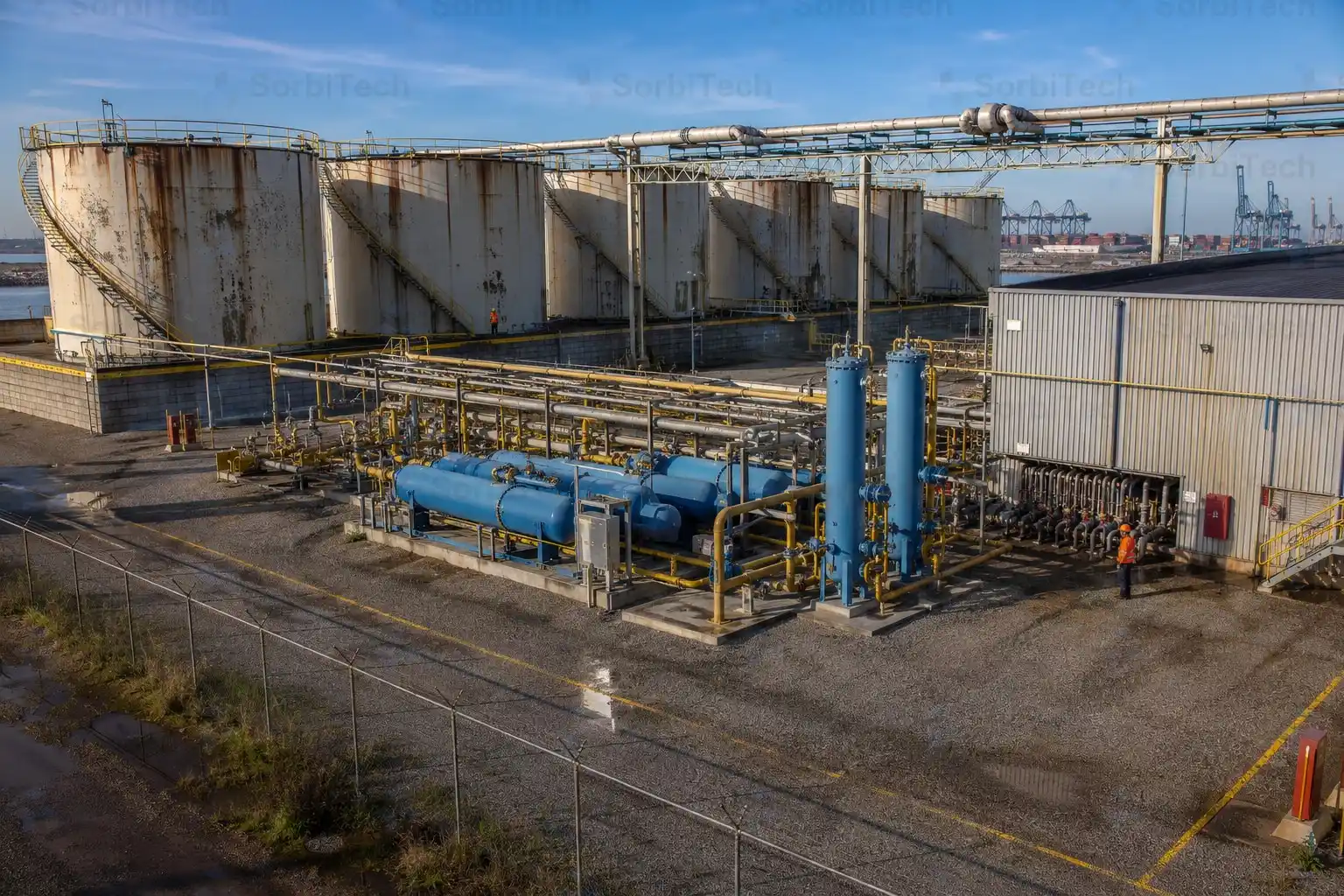
Vehicle Services & Transport
Wash water recycling, fuel polishing, compressed air drying, and workshop drain treatment for vehicle services, transport fleets, and forecourt operators.
Sector
Vehicle Services & Transport
Wash water recycling, fuel polishing, compressed air drying, and workshop drain treatment for vehicle services, transport fleets, and forecourt operators.
-
02
 Sector
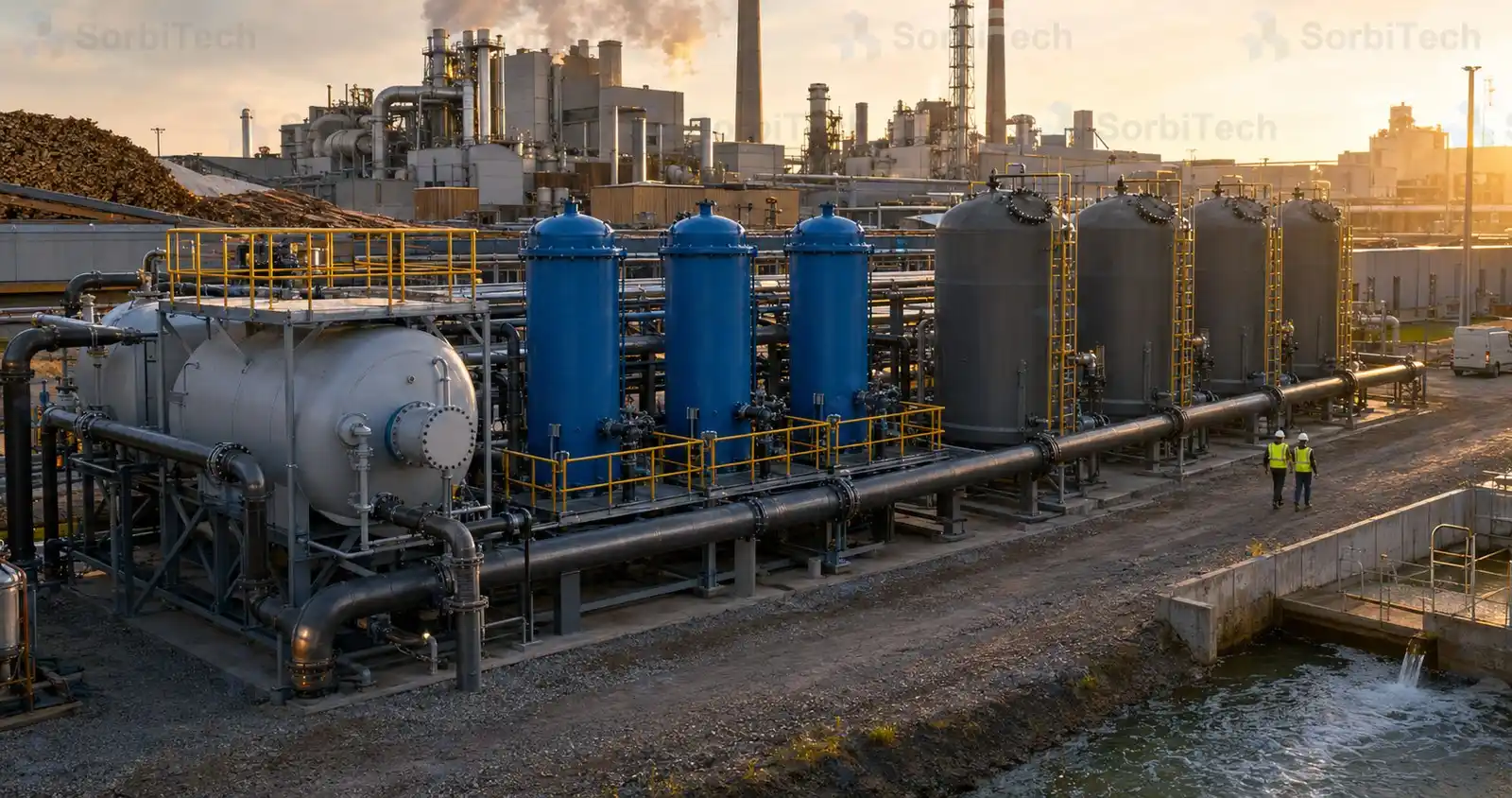
Industrial Water Treatment
Process water polishing, cooling tower blowdown, boiler feedwater, and groundwater remediation served by SorbiTech adsorbent media and engineered treatment skids.
Sector
Industrial Water Treatment
Process water polishing, cooling tower blowdown, boiler feedwater, and groundwater remediation served by SorbiTech adsorbent media and engineered treatment skids.
Specify a Solution for This Application
Provide your process conditions and our team will recommend the grade, configuration, and sizing.