Arsenic Removal from Water
Activated alumina and specialty iron oxide media for arsenic removal from drinking water supplies in geological belts where natural arsenic exceeds the WHO guideline of 10 micrograms per litre.

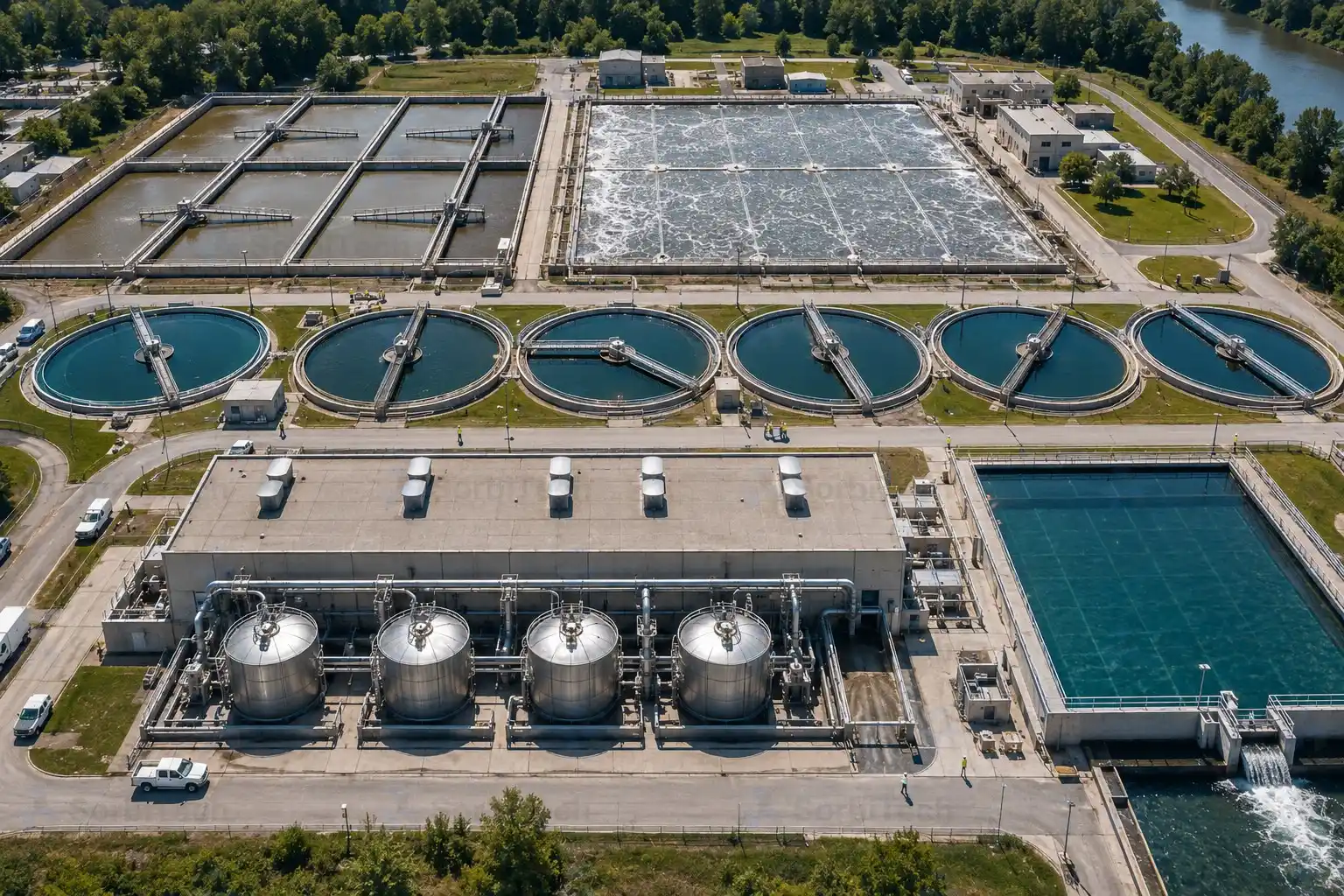
Water and effluent treatment covers the duties that bring drinking water to potable standard and industrial effluent to discharge consent. The nine applications in this theme span municipal drinking water polishing, wastewater tertiary micropollutant removal, fluoride and arsenic removal, PFAS, dechlorination, and taste and odour control.
The dominant adsorbents are activated carbon for dissolved organics and activated alumina for ionic contaminants. NSF/ANSI 61 eligible grades are supplied for any duty in direct contact with drinking water. SorbiTech delivers media supply alone for an existing contactor, packaged treatment skids for community scale plants, or turnkey delivery for greenfield municipal projects.
The lifecycle service contract covers media changeouts on schedule, the licensed spent media disposal route, and the operator regulatory documentation. The performance guarantee runs against the contracted outlet limit and is verified by witnessed sampling at commissioning and at agreed intervals through the service life.
Activated carbon captures dissolved organics by surface adsorption. Activated alumina captures fluoride, arsenic, and ionic contaminants by surface chemistry. The grade is selected for the contaminant class.
Activated carbon adsorbs dissolved organics by van der Waals attraction between the contaminant molecule and the high surface area carbon. The micropore volume drives capacity for small molecules such as taste and odour compounds; the mesopore volume drives capacity for larger species such as PFAS and humic substances. Coconut shell carbon dominates the drinking water polishing market.
Activated alumina captures fluoride and arsenic by surface hydroxyl exchange. The defluoridation grade is engineered with controlled surface chemistry for fluoride uptake. Regeneration with dilute caustic restores the bed for the next loading cycle. Single use impregnated alumina handles arsenic and other duties where the contaminant cannot be removed by simple desorption.

SorbiTech engineers water treatment duties across the full scale range. Sachet packaging for emergency response and humanitarian deployment. Cartridge filters for small point of use and point of entry systems. Packaged treatment skids for community scale plants serving 5,000 to 50,000 people. Full municipal plants engineered, fabricated, and commissioned for new build and brownfield upgrades.
The same engineering team that specifies the carbon grade sizes the contactor, draws the inlet manifold, and writes the regulatory documentation. The lifecycle service programme handles media changeouts, the licensed spent carbon reactivation, and the chain of custody documentation for the operator regulator submissions.
Each duty page carries the inlet specification, the recommended media or system, the cycle parameters, and the engineering selection guidance.
Activated alumina and specialty iron oxide media for arsenic removal from drinking water supplies in geological belts where natural arsenic exceeds the WHO guideline of 10 micrograms per litre.
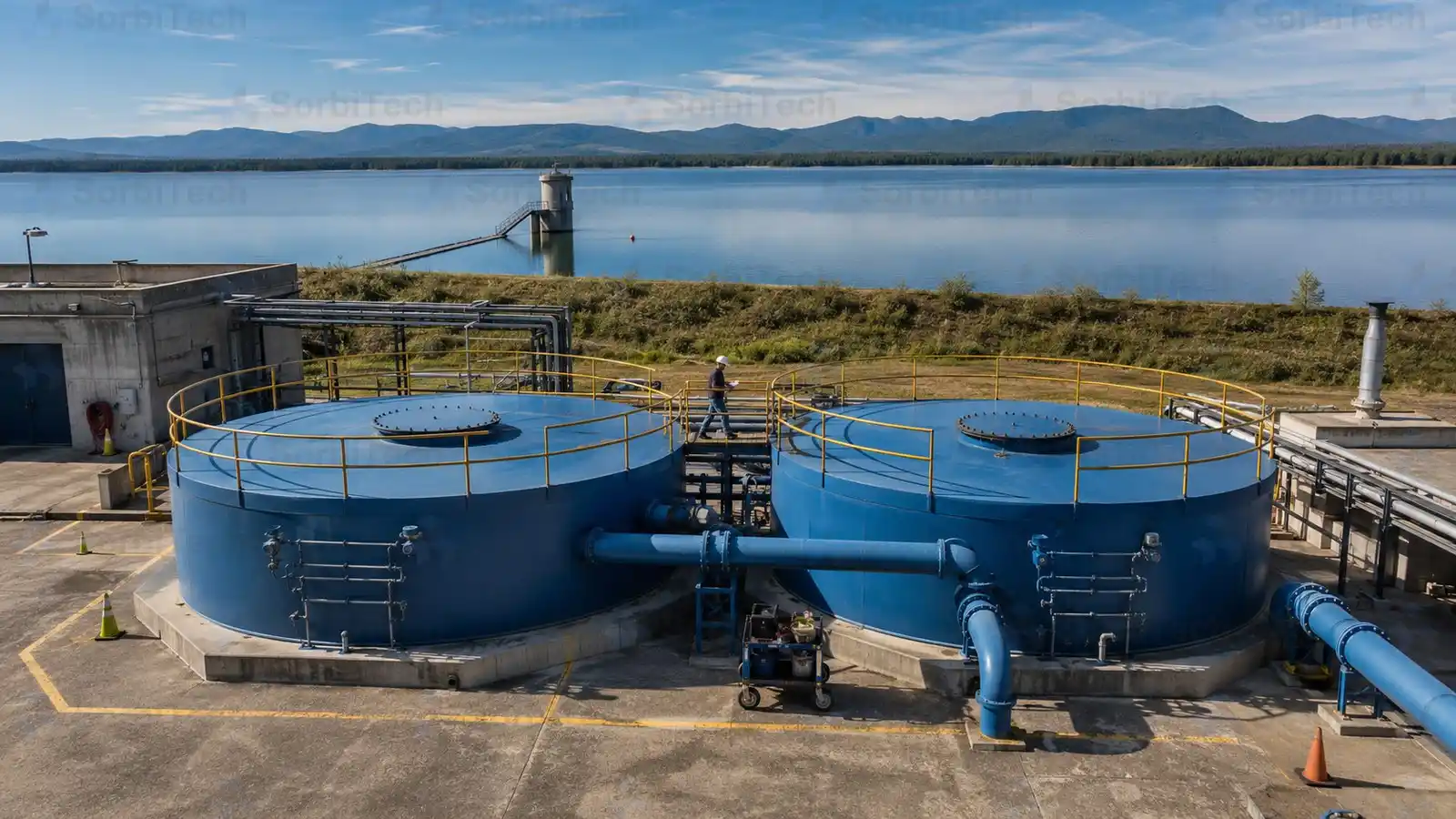
Granular activated carbon removal of taste and odour compounds (geosmin, 2 methylisoborneol, algal toxins) from drinking water supplies affected by seasonal algal blooms and natural sources.
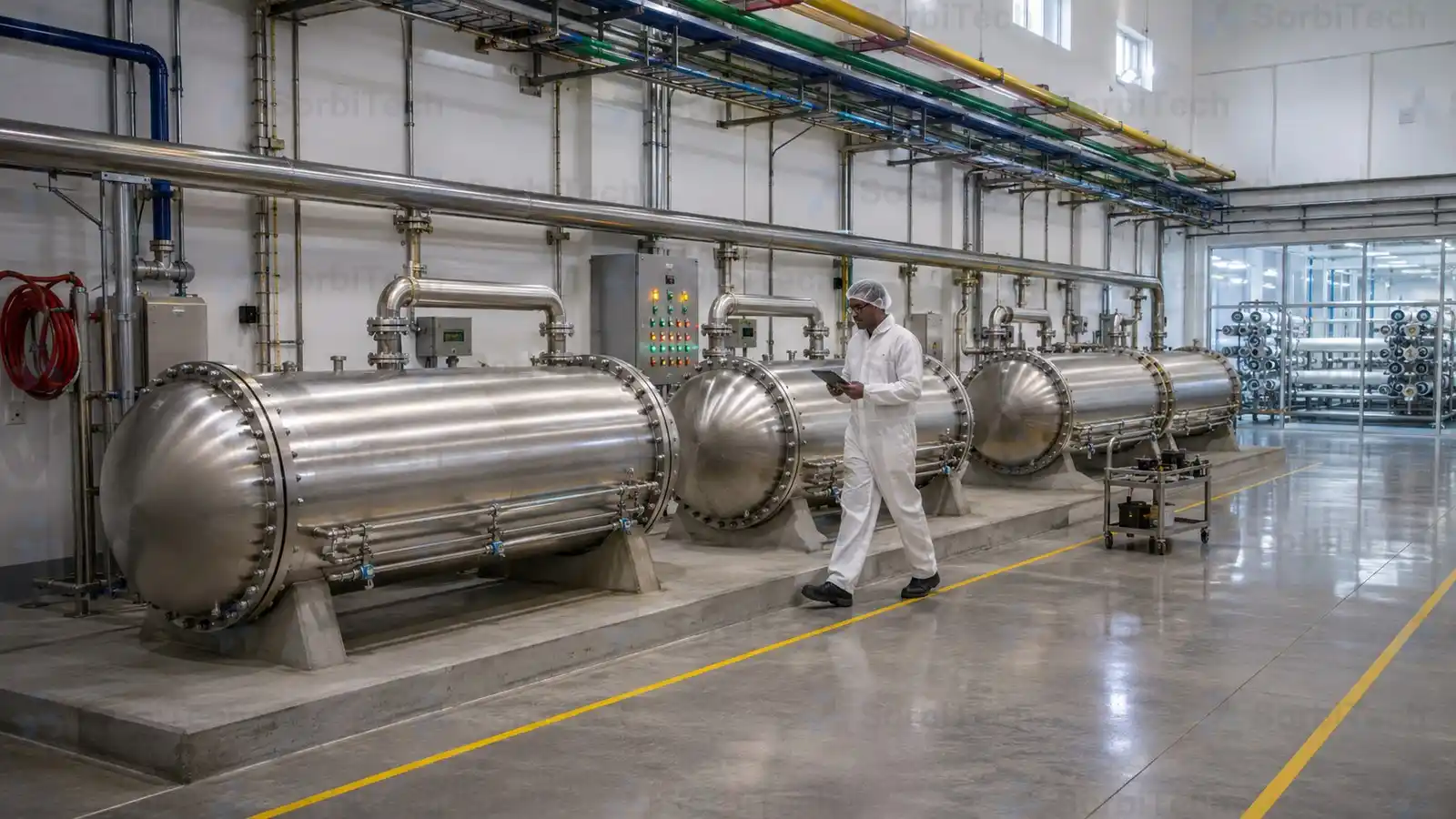
Granular activated carbon dechlorination of municipal supply water ahead of reverse osmosis, ion exchange, or chemical processing to protect downstream equipment from oxidative damage.
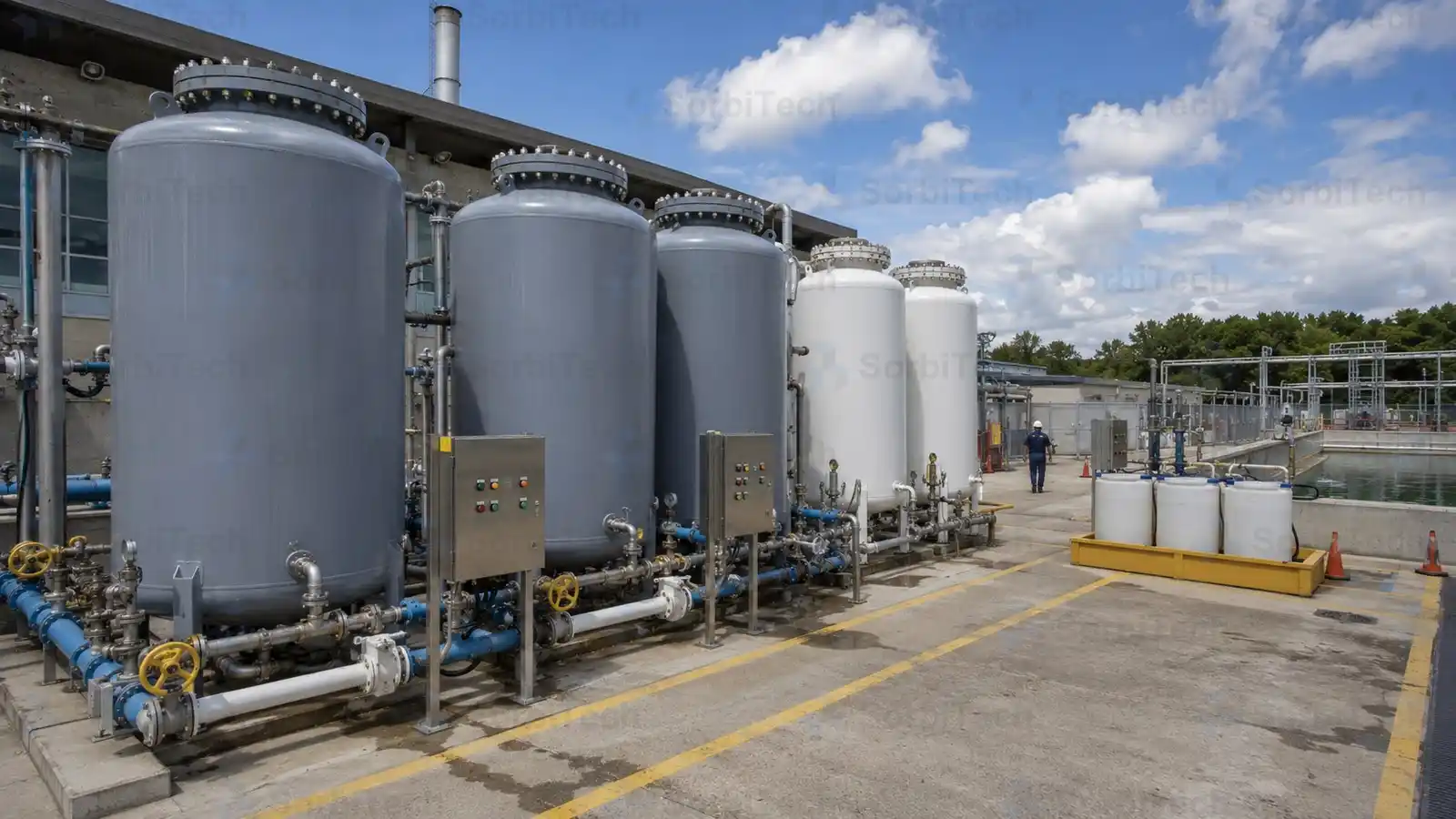
Granular activated carbon and specialty media for per and polyfluoroalkyl substance (PFAS) removal from drinking water, industrial process water, and remediation projects to meet emerging regulatory limits.
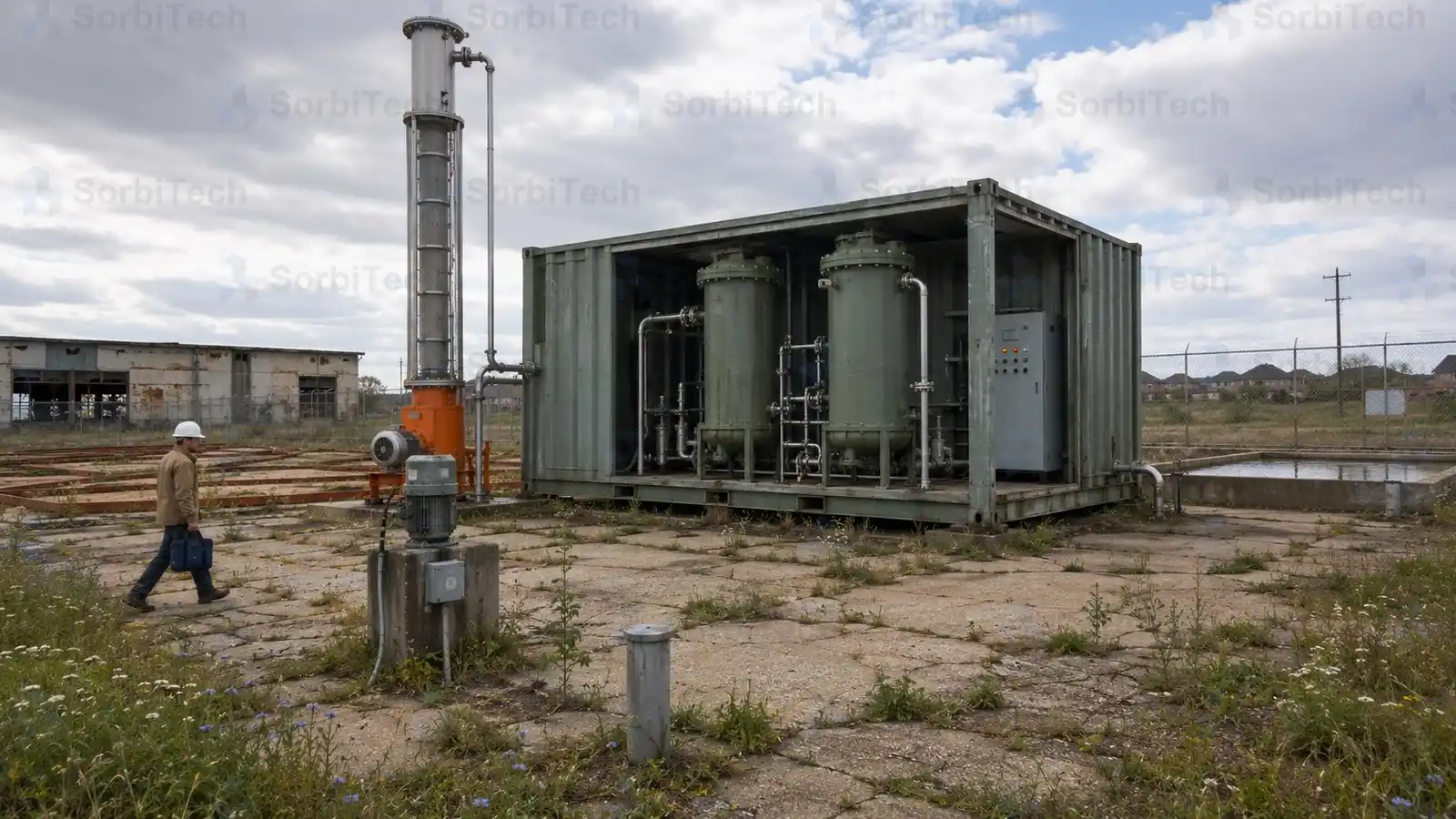
Granular activated carbon groundwater remediation for legacy industrial sites contaminated with petroleum hydrocarbons, chlorinated solvents, or BTEX, with relocatable skid systems for plume migration.
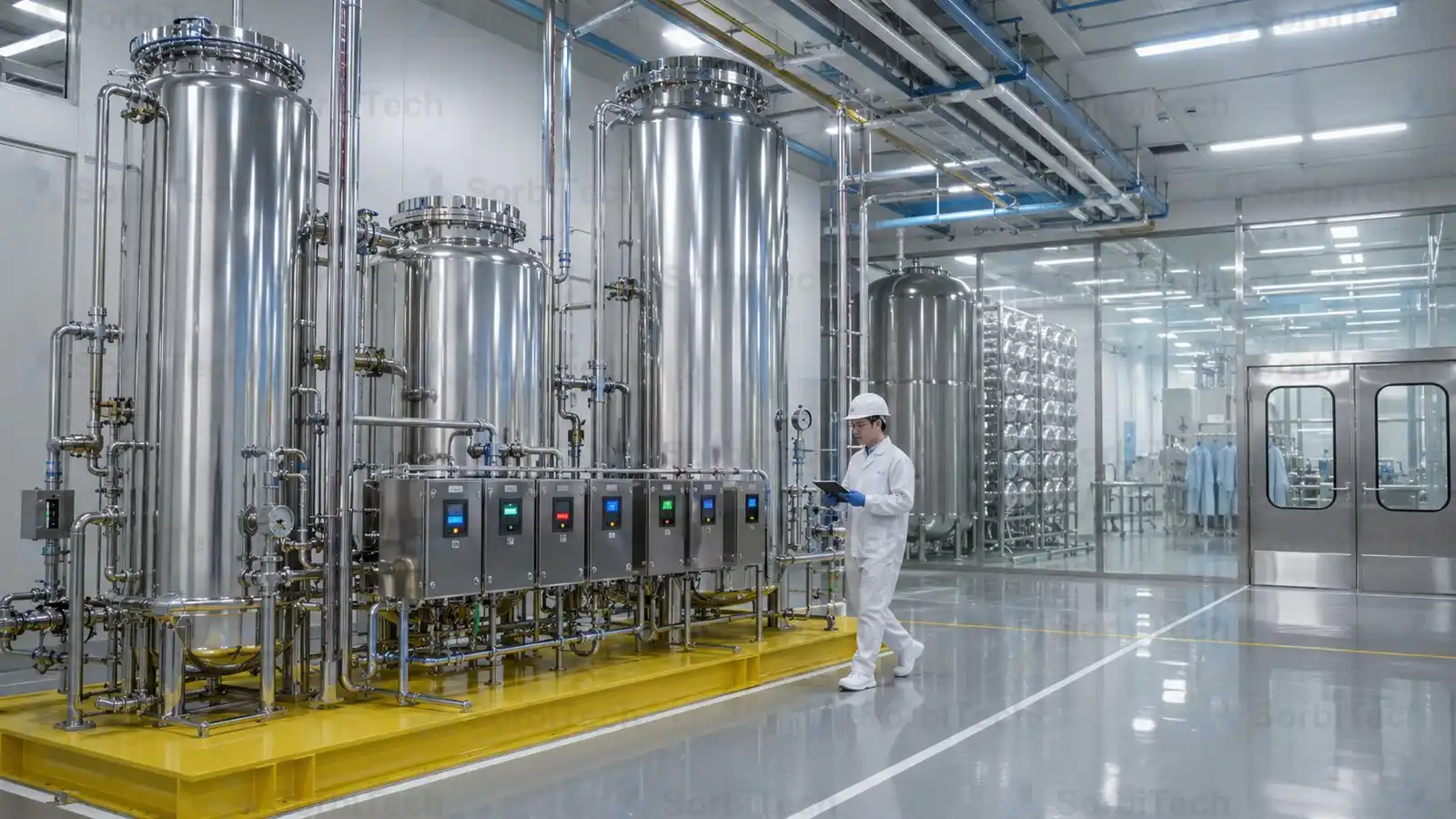
Process water polishing for industrial manufacturing using activated carbon and activated alumina to remove dissolved contaminants ahead of reverse osmosis, demineralisation, or direct process use.
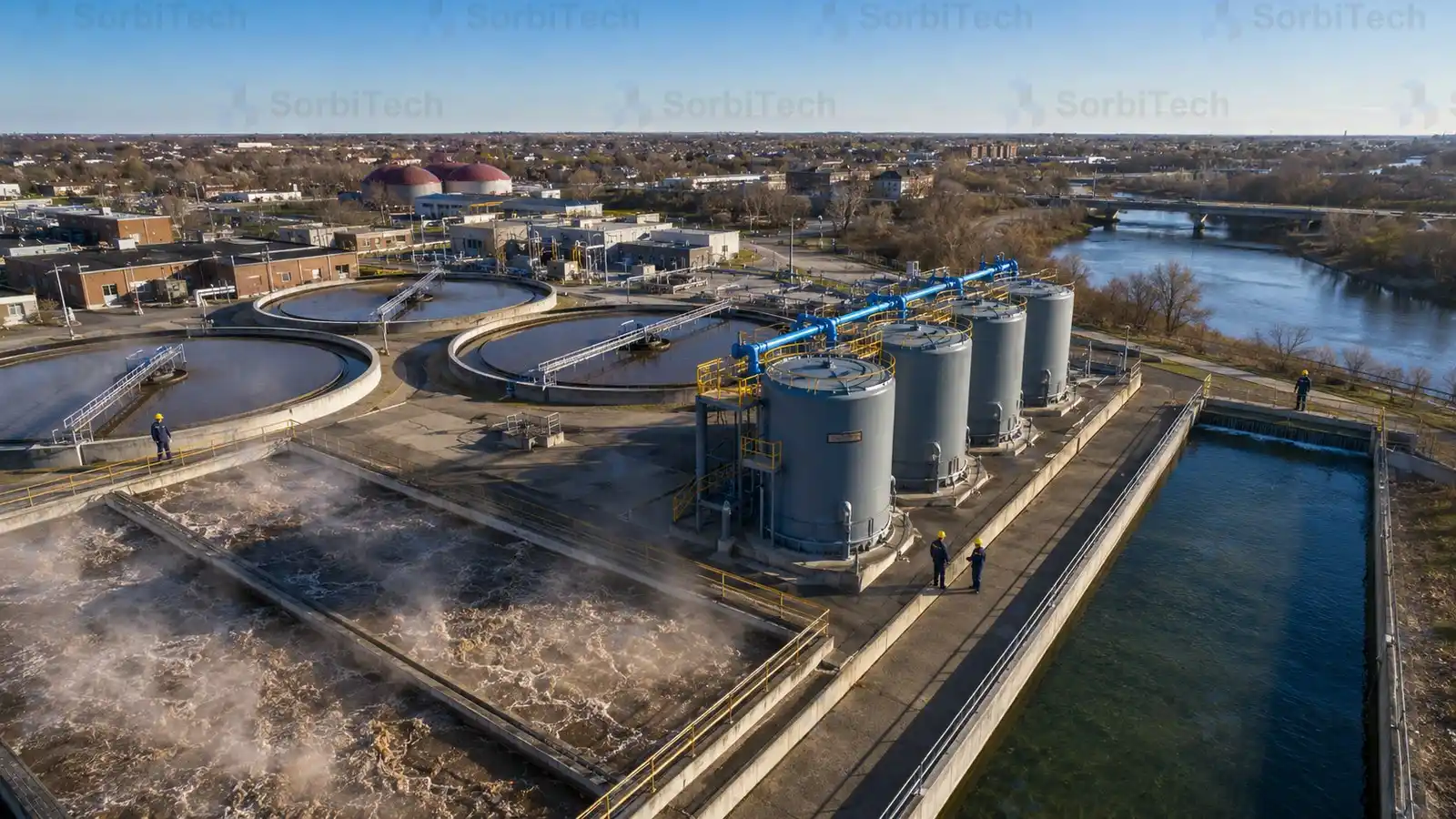
Tertiary polishing of biologically treated wastewater using granular activated carbon to remove micropollutants, dissolved organic carbon, and trace contaminants before discharge or reuse.
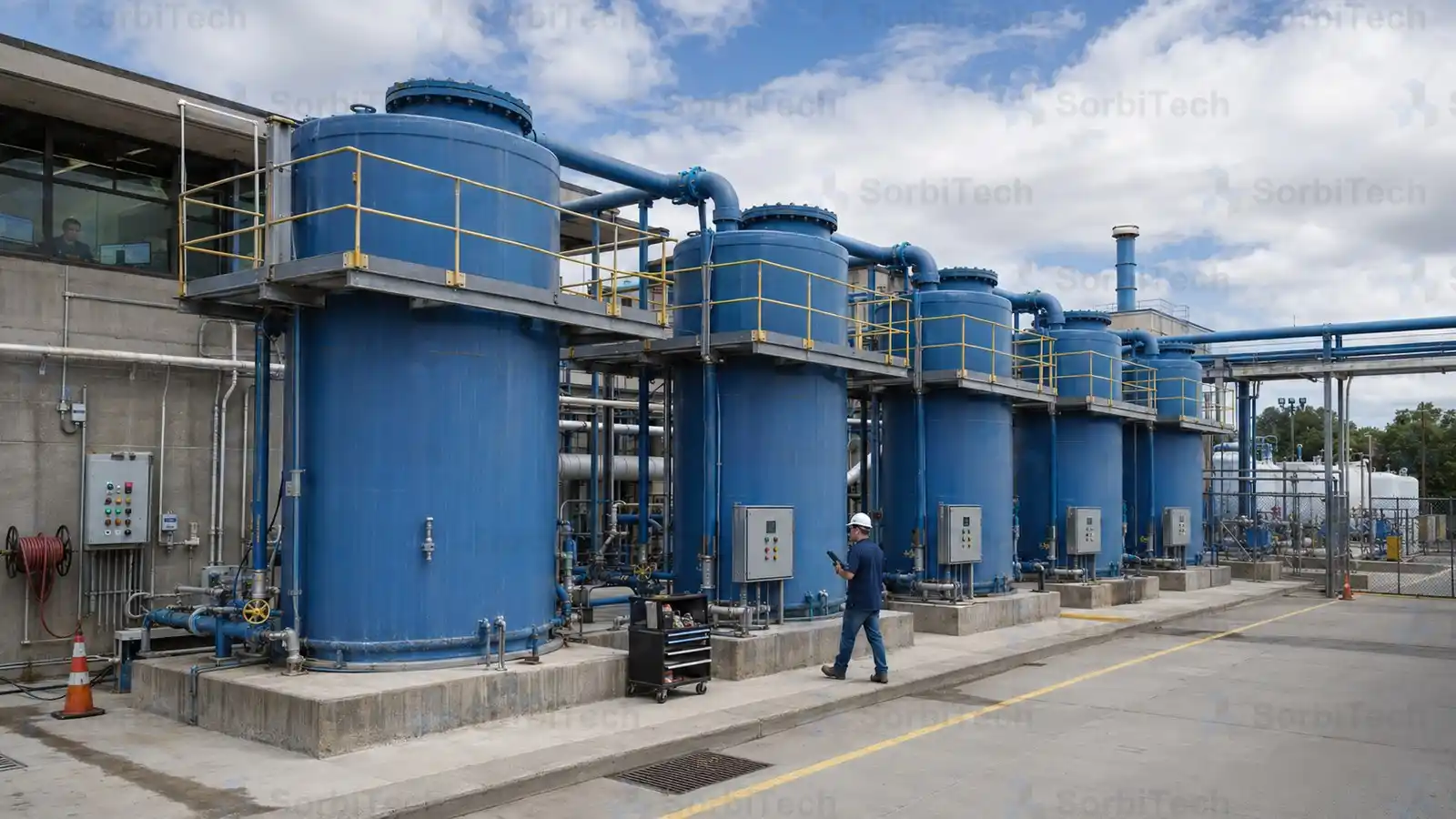
Granular activated carbon polishing for municipal drinking water treatment plants targeting taste, odour, disinfection byproducts, dissolved organic carbon, and emerging contaminants.
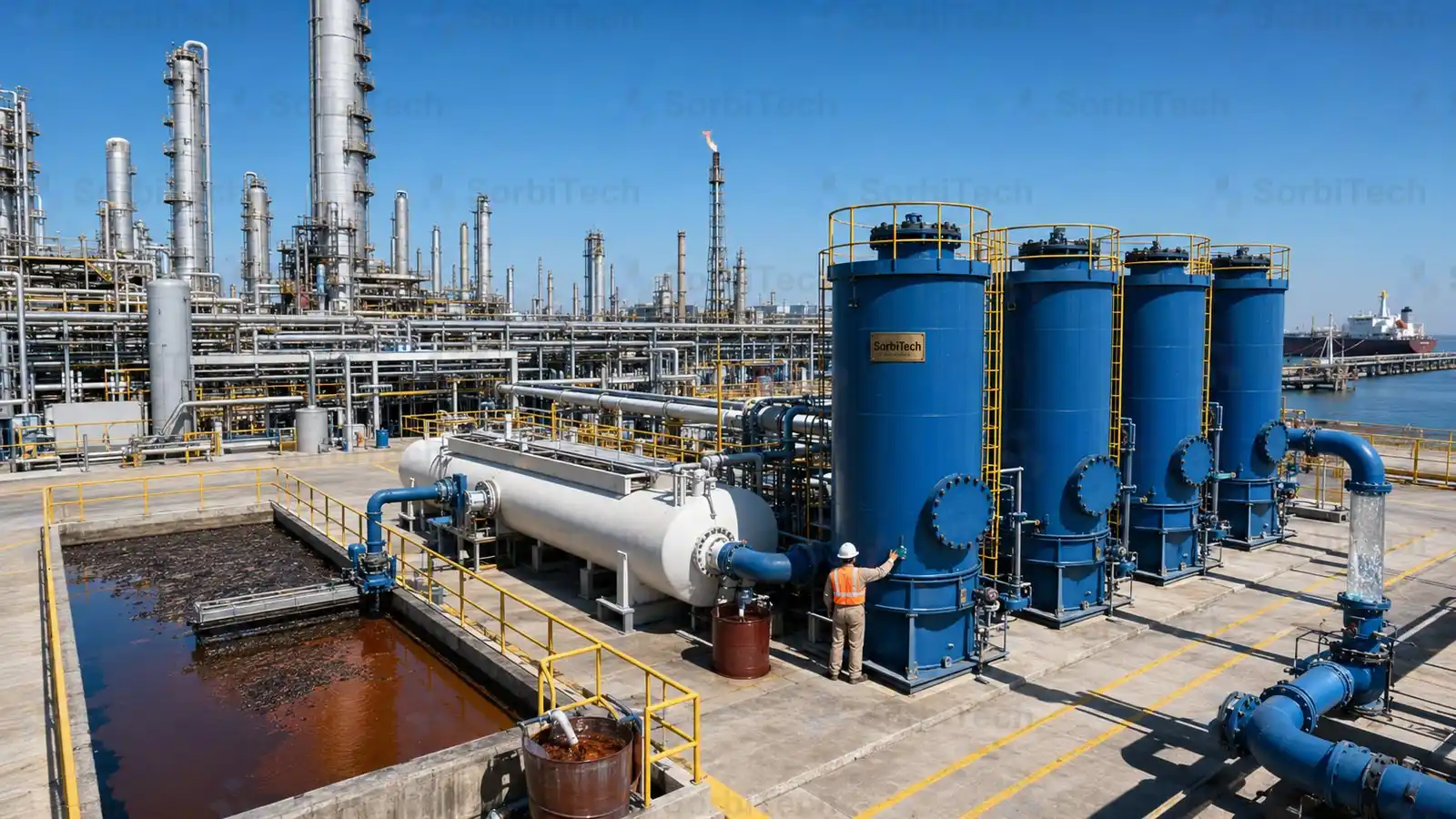
Multi stage treatment of refinery effluent combining CPI gravity separation, coalescing polishing, and activated carbon adsorption to meet discharge consent on petroleum hydrocarbons.
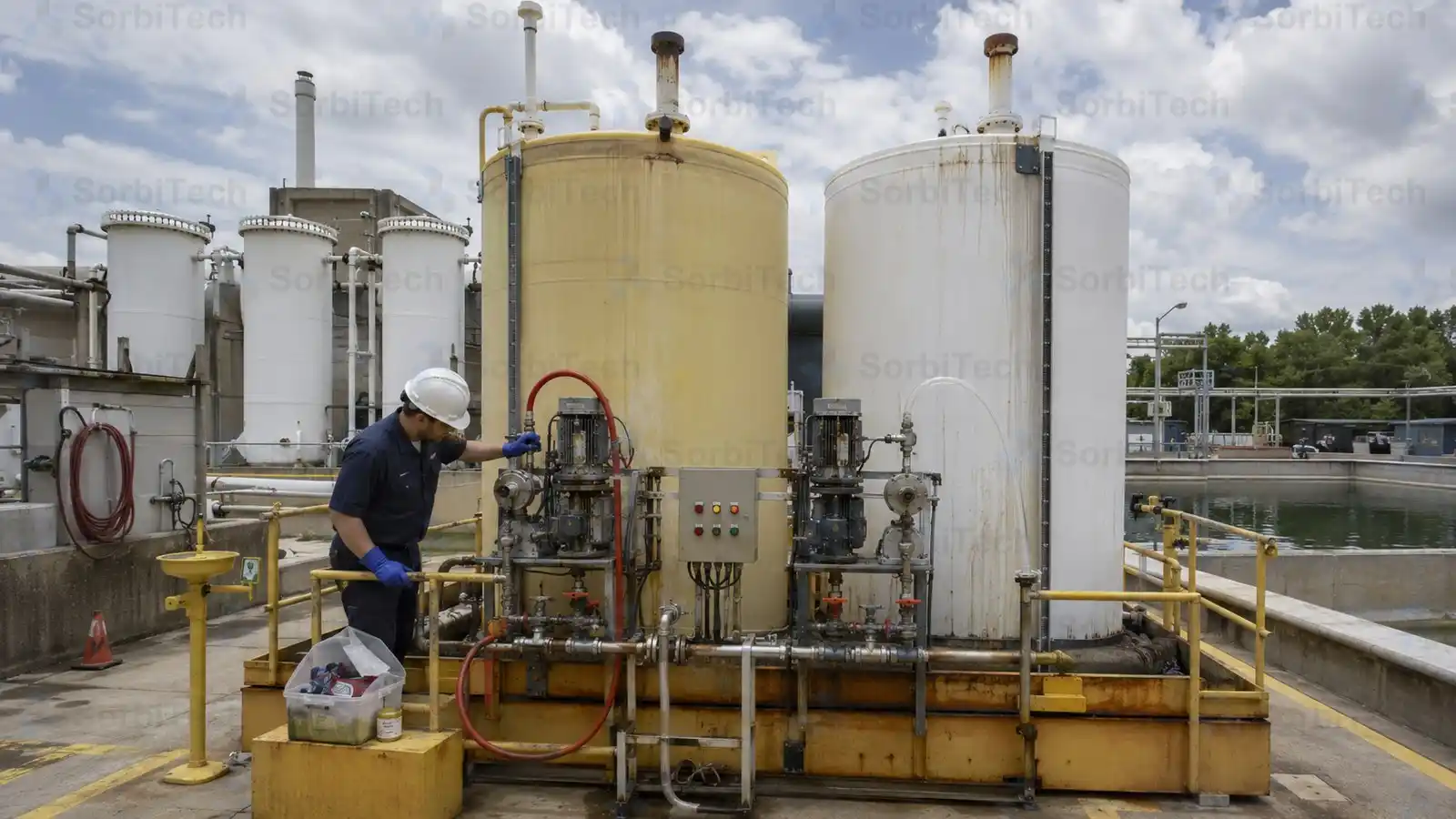
Reducing fluoride in drinking water to WHO limits using activated alumina adsorption, for municipal and community water supply in affected regions.
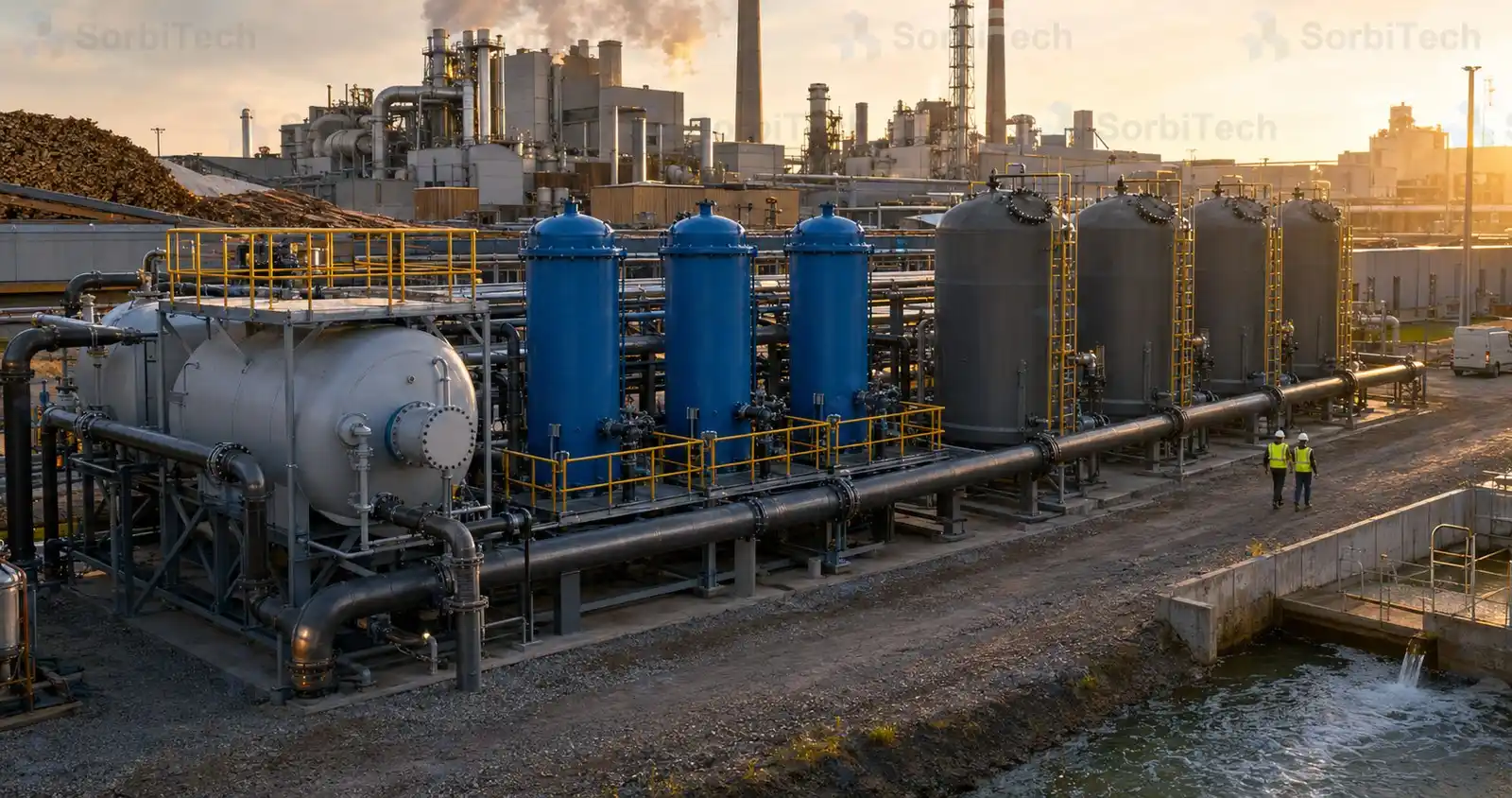
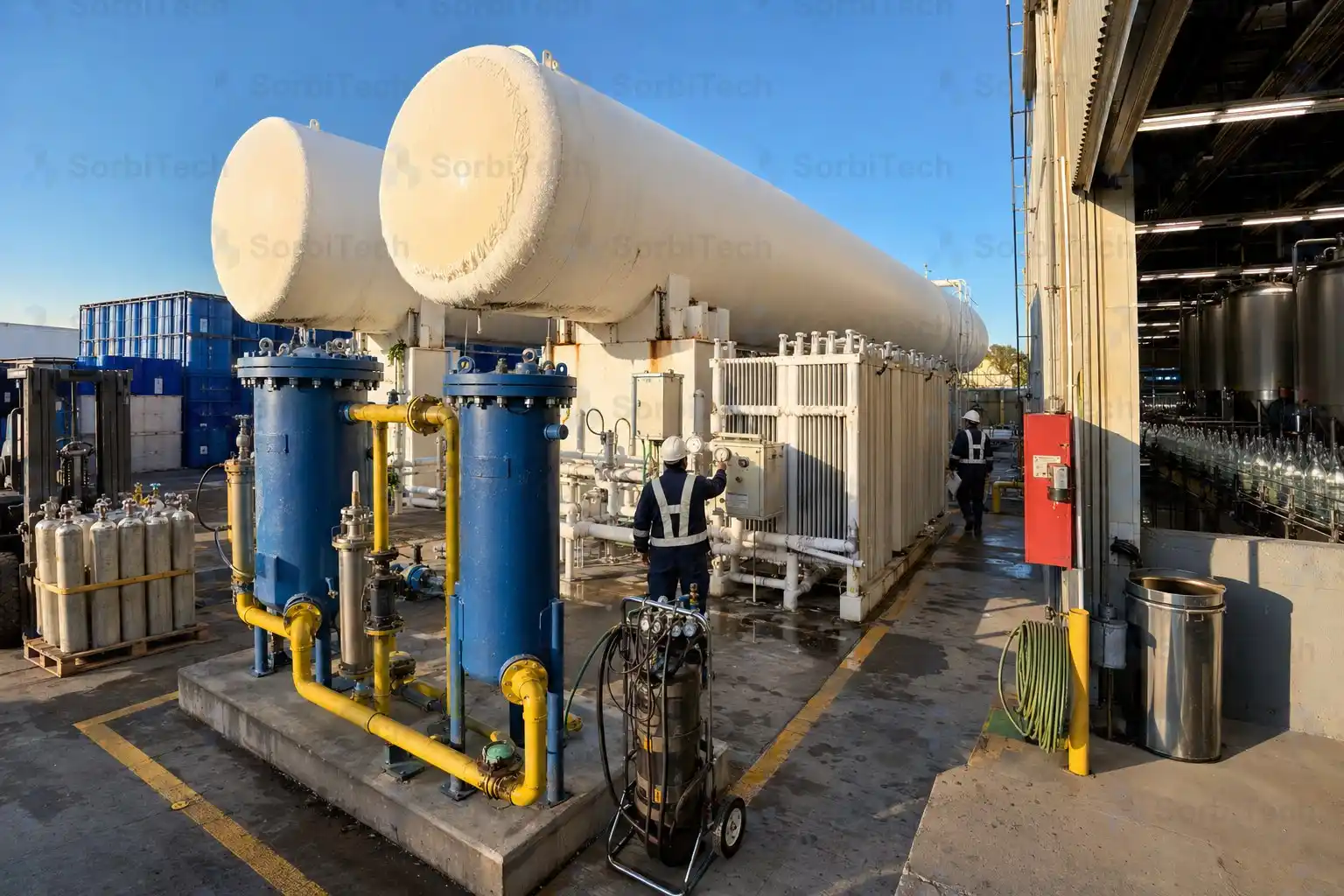
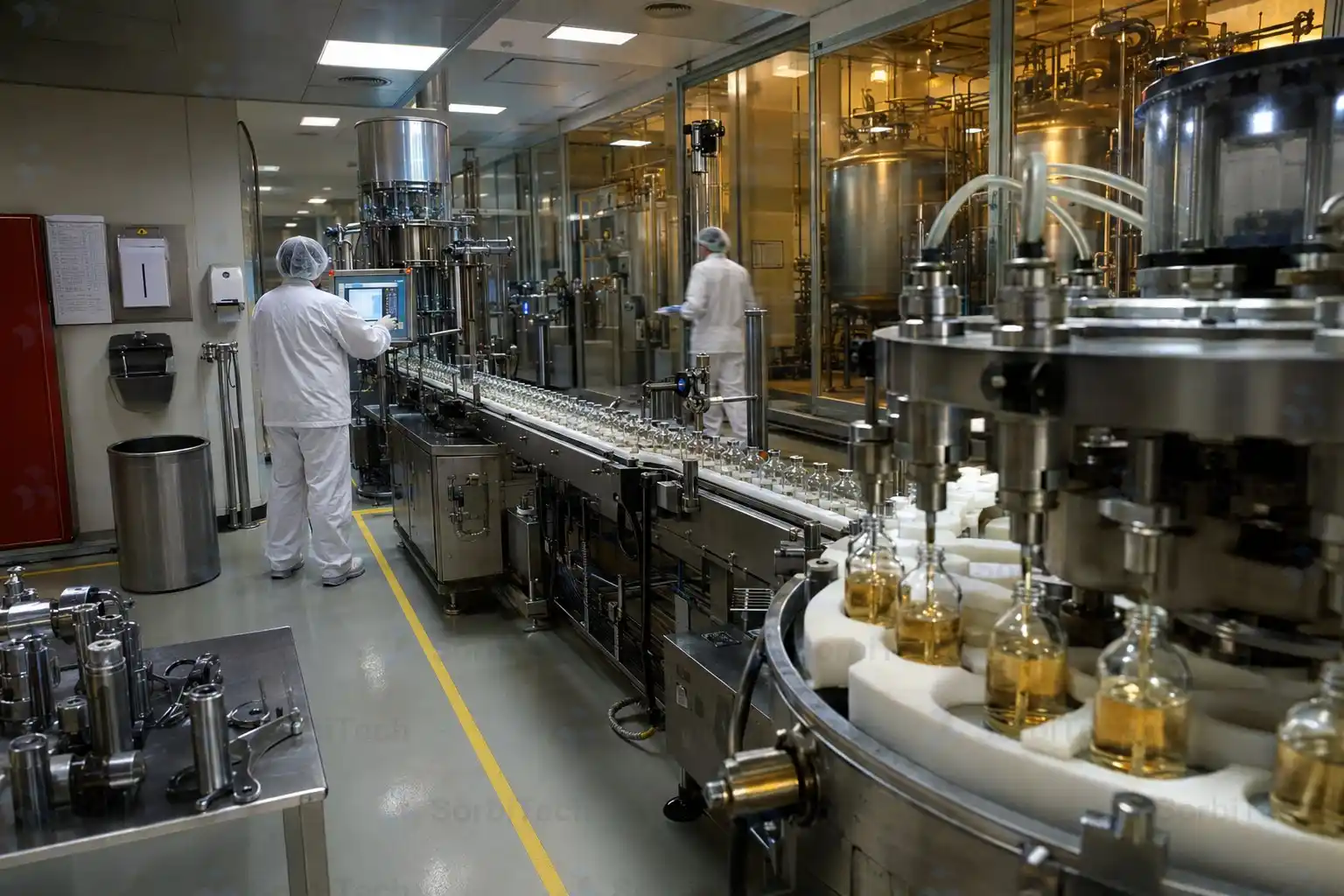
Four representative industries where SorbiTech delivers installations under this application theme, with the engineering record behind each.
Adsorption duties touch the media specification, the vessel design, and the project execution at the same time. SorbiTech engineers all three from the same record, with one performance guarantee against the contracted outlet condition.
The grade shipped is the grade engineered into the vessel design. SorbiTech designs the unit, sizes the bed, and supplies the media as one decision.
Every shipment carries a certificate of analysis covering iodine, water capacity, crush strength, attrition loss, and bulk density measured against the lot.
The bed is supported through its service life. Field sampling, performance audit, reactivation logistics, and end of life return under one agreement.
Process engineers, mechanical designers, and lifecycle specialists work the same project. The recommendation closes against duty data, not a catalogue page.
Starting point for the engineering conversation. The final specification closes out after SorbiTech receives the inlet composition, the operating window, and the target outlet condition.
Yes for the standard coconut shell GAC, the standard coal based GAC, and the defluoridation grade activated alumina supplied for drinking water contact. The certification documentation ships with each lot. PFAS removal grades carry separate qualification for the duty.
Carbon usage rate equals the carbon mass consumed per cubic metre of water treated to the target outlet. It is the standard design metric for drinking water polishing. Bench scale rapid small scale column testing on the actual source water gives the usage rate before bed sizing.
Yes. Spent activated carbon from drinking water polishing is returned to a permitted reactivation facility, where it is heated to 850 to 900 °C in a multiple hearth or rotary furnace and restored to 85 to 95 percent of virgin activity. The reactivated carbon is returned to the contactor under the lifecycle service contract.
The WHO drinking water guideline is 1.5 mg per litre fluoride. A correctly sized defluoridation bed delivers 0.5 to 1.0 mg per litre during the working cycle, with regeneration before breakthrough to the guideline limit. The cycle length depends on inlet fluoride and bed depth.
Yes. Packaged GAC contactor skids and defluoridation skids are engineered for community scale duties from 50 to 5000 m³ per day. The skid arrives wired and tested, ready for civil tie in and commissioning by the SorbiTech site team.
Our 112-application database covers most industrial duties. Contact us to find the right solution.
Tell us briefly what you need. Our technical team responds within one business day.
Request the TDS / datasheet. We send it on email after a brief review.