
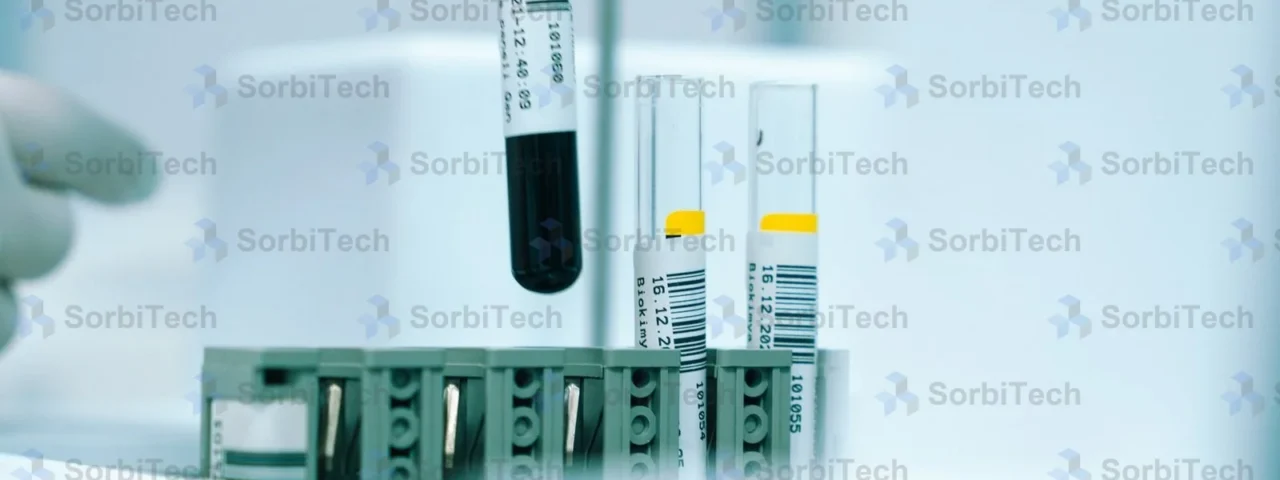
Arsenic Removal from Water
Activated alumina and specialty iron oxide media for arsenic removal from drinking water supplies in geological belts where natural arsenic exceeds the WHO guideline of 10 micrograms per litre.
Arsenic removal from drinking water uses activated alumina (effective for arsenate, As(V)) or specialty iron oxide media (effective for both arsenate and arsenite, As(III)) to bring outlet arsenic below the WHO guideline of 10 µg/L. Pre oxidation with chlorine or potassium permanganate converts As(III) to the more easily adsorbed As(V).
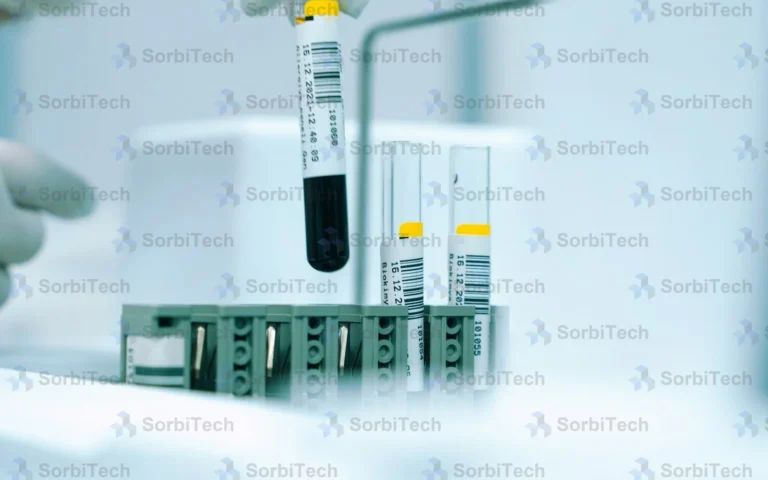
Geological Arsenic Affects Drinking Water Globally
Natural geological arsenic in groundwater above the WHO guideline of 10 µg/L affects an estimated 200 million people worldwide. The most affected regions are Bangladesh and West Bengal (severe arsenicosis crisis since the 1990s), parts of India, the western United States, parts of Argentina and Chile, parts of China and Vietnam. Chronic arsenic exposure causes skin lesions, internal cancers, and cardiovascular disease.
Activated Alumina for Arsenate Removal
SorbiTech AA-201 activated alumina removes arsenate (As(V)) by ligand exchange at the alumina surface hydroxyl sites, the same chemistry that drives fluoride removal. Arsenite (As(III)) does not adsorb as effectively; pre oxidation with chlorine, potassium permanganate, or ozone converts As(III) to As(V), then the alumina captures it. The bed is regenerated with caustic and acid or replaced.

Iron Oxide Media for Combined As(III) and As(V)
Where pre oxidation is difficult (remote sites, intermittent power, complex chemistry), specialty iron oxide media remove both As(III) and As(V) directly without pre treatment. The iron oxide bed is single use, replaced rather than regenerated. SorbiTech supplies both routes and recommends the right technology based on the source water analysis, the operator capability, and the lifecycle cost.
Community Scale Delivery
Similar to community defluoridation, arsenic removal is most often deployed at village and small town scale where the affected populations live. The SorbiTech containerised treatment unit is a drop in solution: feed pump, pre treatment, alumina bed, post pH adjustment, and distribution pump. Sector coverage is municipal water treatment.
Selection Guidance
Activated alumina (AA-201 grade) for As(V) removal with pre oxidation upstream. Specialty iron oxide media for As(III) without pre oxidation. EBCT 5 to 10 minutes typical.
A Specified, Verified Solution
Define the duty
We capture your process conditions: flow, composition, pressure, temperature, and the target outlet specification.
Select media & configuration
Our engineers recommend the adsorbent grade and system type that meet the duty with margin.
Size & engineer
Bed sizing, vessel design, and cycle parameters are engineered to your case and documented for approval.
Commission & verify
We support loading, start up, and performance verification against the guarantee.
Recommended Products & Systems
Adsorbents & Media
-
01
 Adsorbent
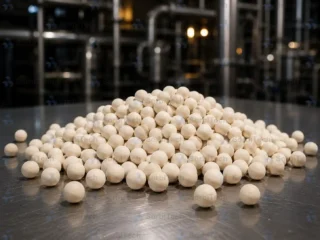
Activated Alumina AA-201
Smooth sphere activated alumina for compressed air and gas drying, fluoride removal, and guard bed duty.
Water Cap.
≥ 18 %
Adsorbent
Activated Alumina AA-201
Smooth sphere activated alumina for compressed air and gas drying, fluoride removal, and guard bed duty.
Water Cap.
≥ 18 %
-
02
 Adsorbent
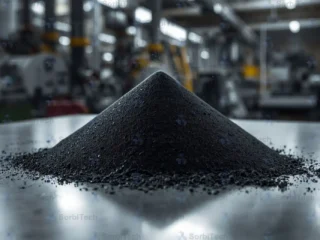
Powdered Activated Carbon
Fine powder carbon for slurry dosing in water treatment, sugar decolorization, pharmaceutical purification, and emergency contamination response.
Form
200×325 mesh (45–75 µm)
Adsorbent
Powdered Activated Carbon
Fine powder carbon for slurry dosing in water treatment, sugar decolorization, pharmaceutical purification, and emergency contamination response.
Form
200×325 mesh (45–75 µm)
-
03
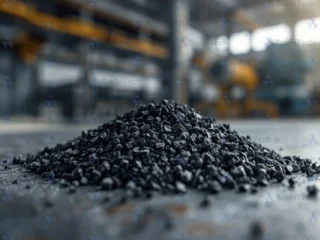 Adsorbent
Activated Carbon GAC 1240
Coal based granular activated carbon for dechlorination, taste and odour, and dissolved organics in water.
Form
12 × 40 US mesh (0.42–1.70 mm)
Adsorbent
Activated Carbon GAC 1240
Coal based granular activated carbon for dechlorination, taste and odour, and dissolved organics in water.
Form
12 × 40 US mesh (0.42–1.70 mm)
Engineered Systems
-
01
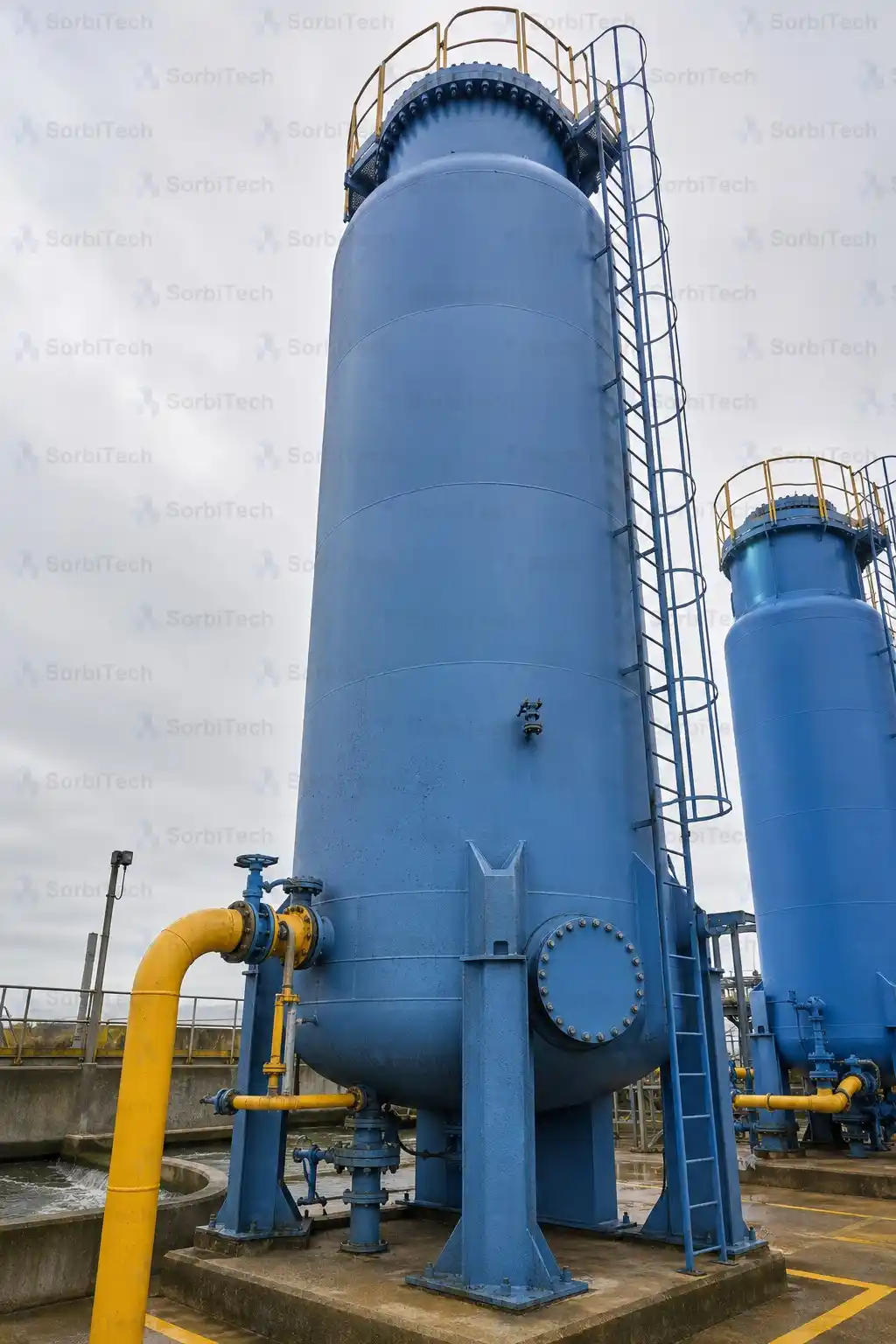 Equipment
Activated Carbon Water Contactor
Granular activated carbon fixed bed water contactor for dechlorination, taste and odour, dissolved organic carbon, and emerging contaminant polishing in drinking water and process…
Capacity
5–2,000 m³/h
Equipment
Activated Carbon Water Contactor
Granular activated carbon fixed bed water contactor for dechlorination, taste and odour, dissolved organic carbon, and emerging contaminant polishing in drinking water and process…
Capacity
5–2,000 m³/h
-
02
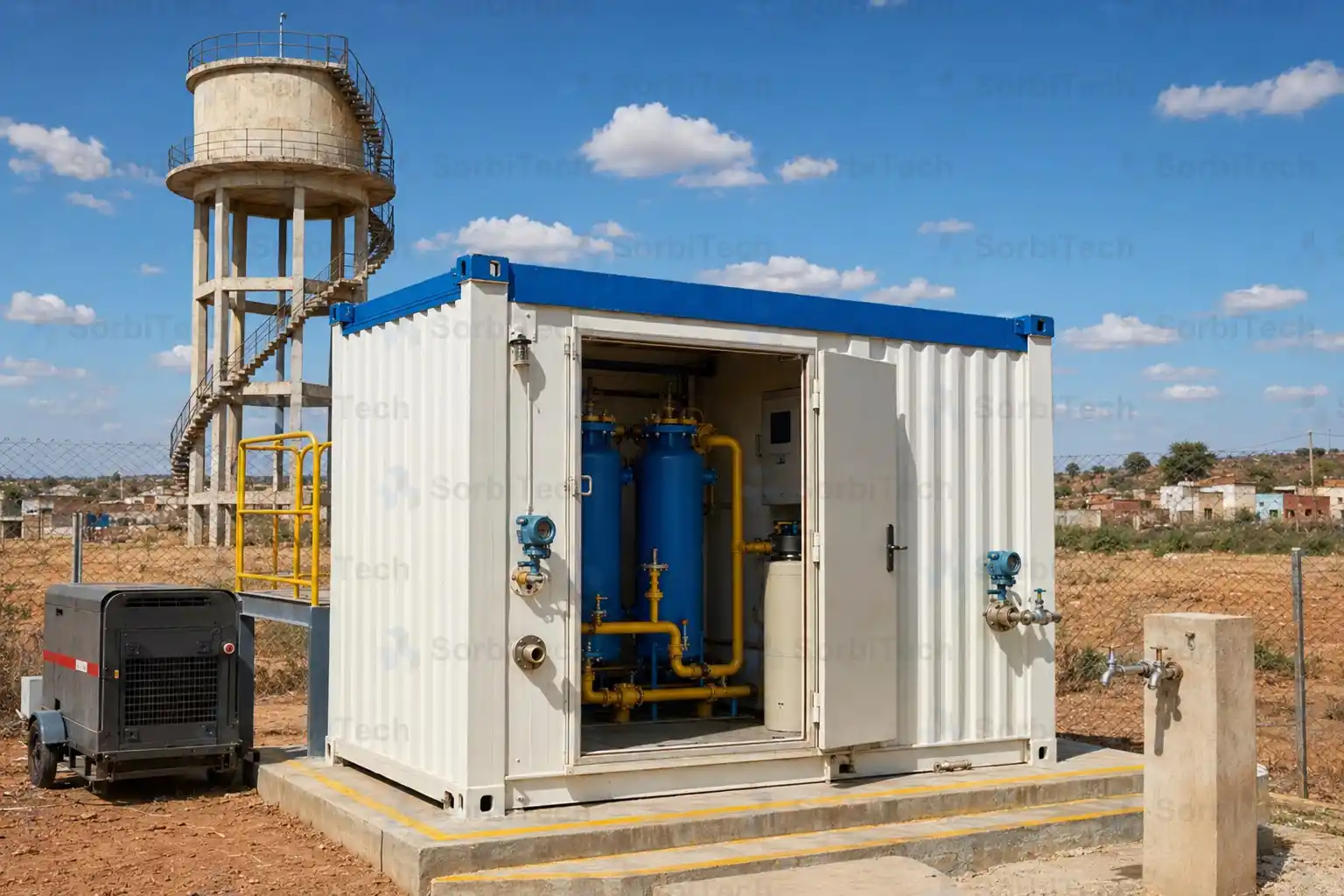 Equipment
Community Defluoridation Treatment Unit
Containerised activated alumina defluoridation unit for community and decentralised drinking water supply to the WHO guideline of 1.5 mg per litre.
Capacity
0.5–50 m³/h
Equipment
Community Defluoridation Treatment Unit
Containerised activated alumina defluoridation unit for community and decentralised drinking water supply to the WHO guideline of 1.5 mg per litre.
Capacity
0.5–50 m³/h
-
03
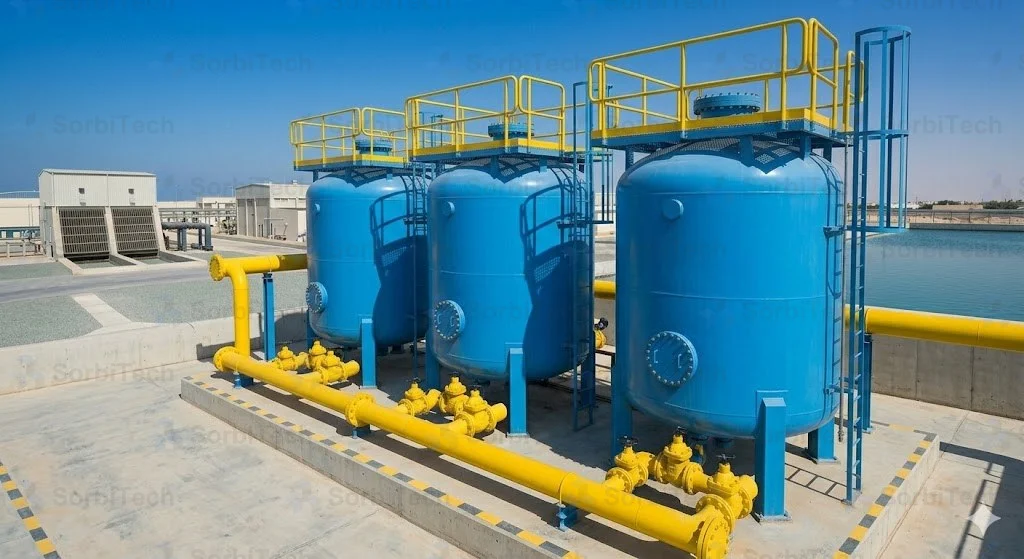 Equipment
Multi Media Filter
Multi media filter for suspended solids and turbidity removal upstream of activated carbon polishing, reverse osmosis, or process reuse in water treatment trains.
Capacity
5–500 m³/h
Equipment
Multi Media Filter
Multi media filter for suspended solids and turbidity removal upstream of activated carbon polishing, reverse osmosis, or process reuse in water treatment trains.
Capacity
5–500 m³/h
-
04
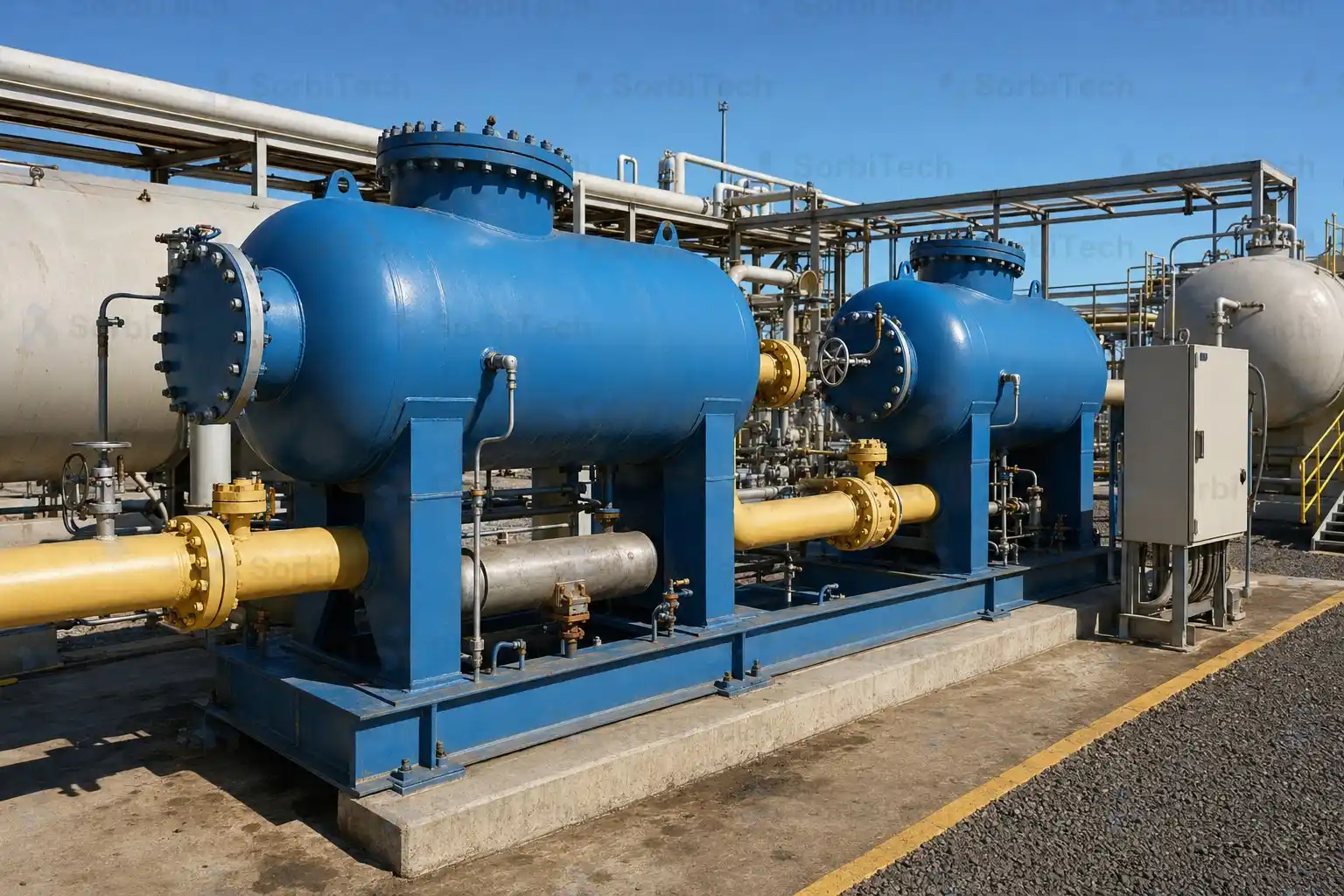 Equipment
Coalescing Filtration Skid
Two stage coalescer and separator skid that removes fine dispersed hydrocarbons and solids from water down to single digit ppm. It is the polishing…
Capacity
2–200 m³/h
Equipment
Coalescing Filtration Skid
Two stage coalescer and separator skid that removes fine dispersed hydrocarbons and solids from water down to single digit ppm. It is the polishing…
Capacity
2–200 m³/h
Industries Using This Application
-
01
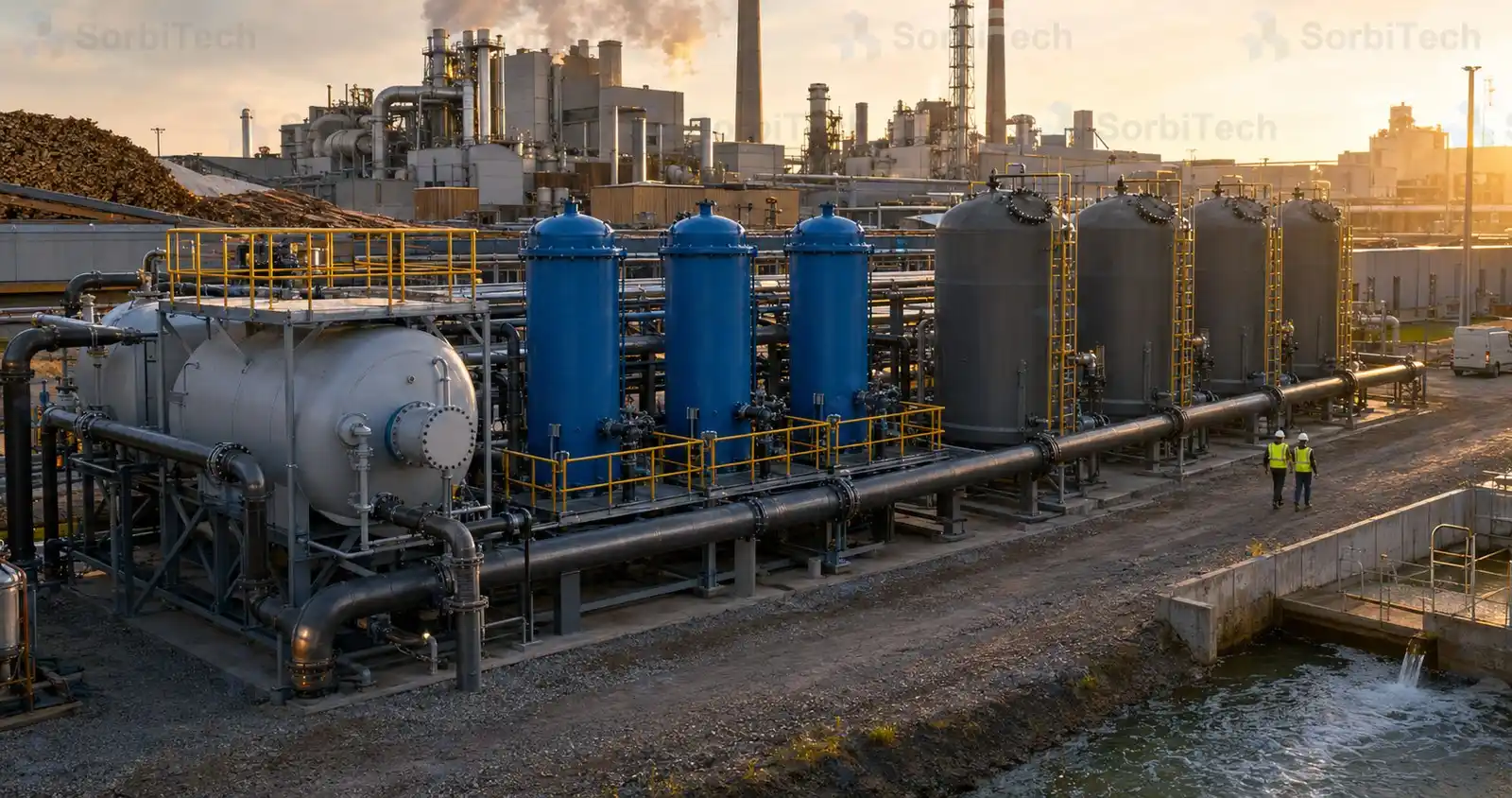 Sector
Industrial Water Treatment
Process water polishing, cooling tower blowdown, boiler feedwater, and groundwater remediation served by SorbiTech adsorbent media and engineered treatment skids.
Sector
Industrial Water Treatment
Process water polishing, cooling tower blowdown, boiler feedwater, and groundwater remediation served by SorbiTech adsorbent media and engineered treatment skids.
-
02
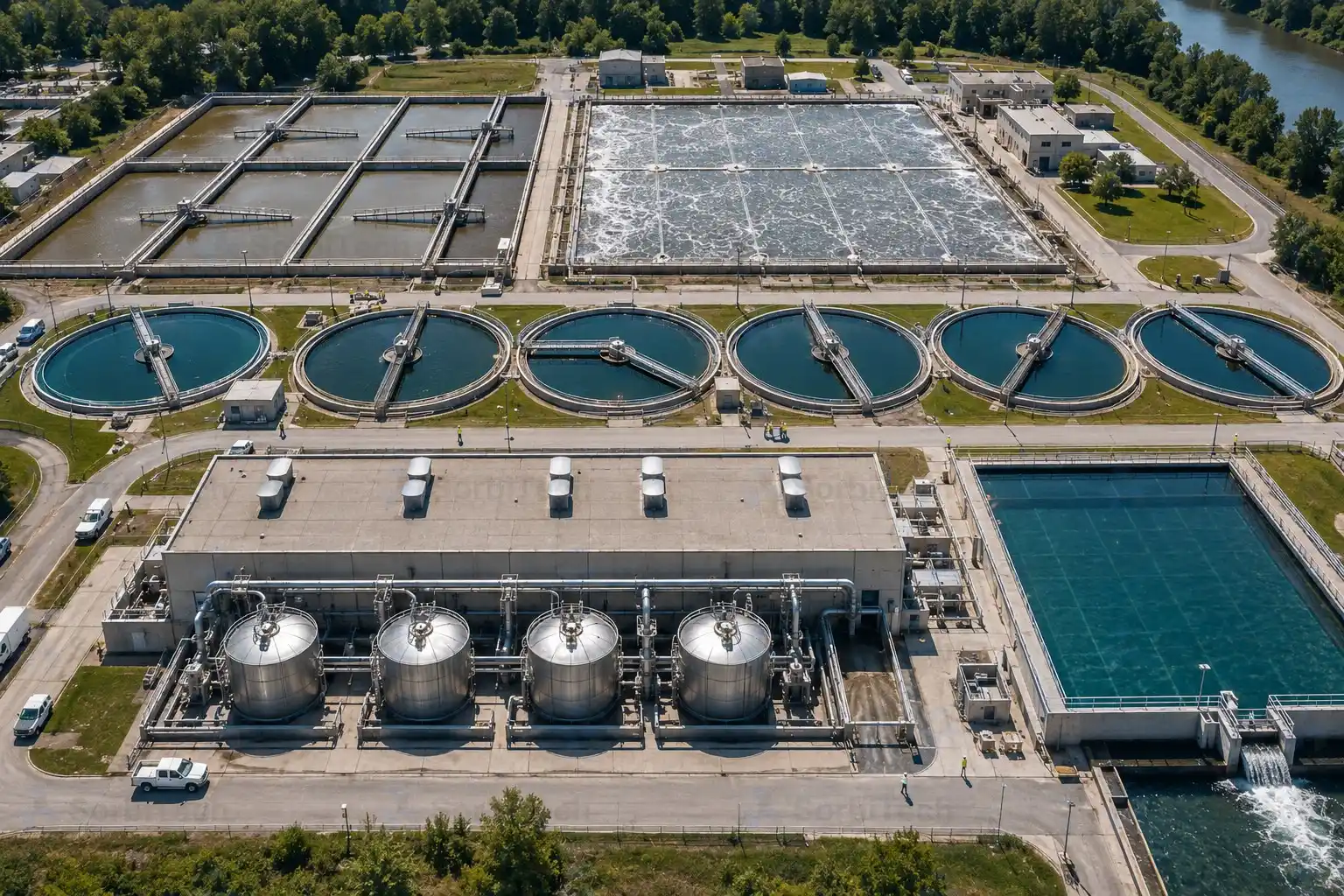 Sector
Municipal Water Treatment
Activated carbon and activated alumina for taste and odour, dechlorination, and fluoride removal in drinking water treatment. NSF eligible media and complete treatment units.
Sector
Municipal Water Treatment
Activated carbon and activated alumina for taste and odour, dechlorination, and fluoride removal in drinking water treatment. NSF eligible media and complete treatment units.
Specify a Solution for This Application
Provide your process conditions and our team will recommend the grade, configuration, and sizing.