
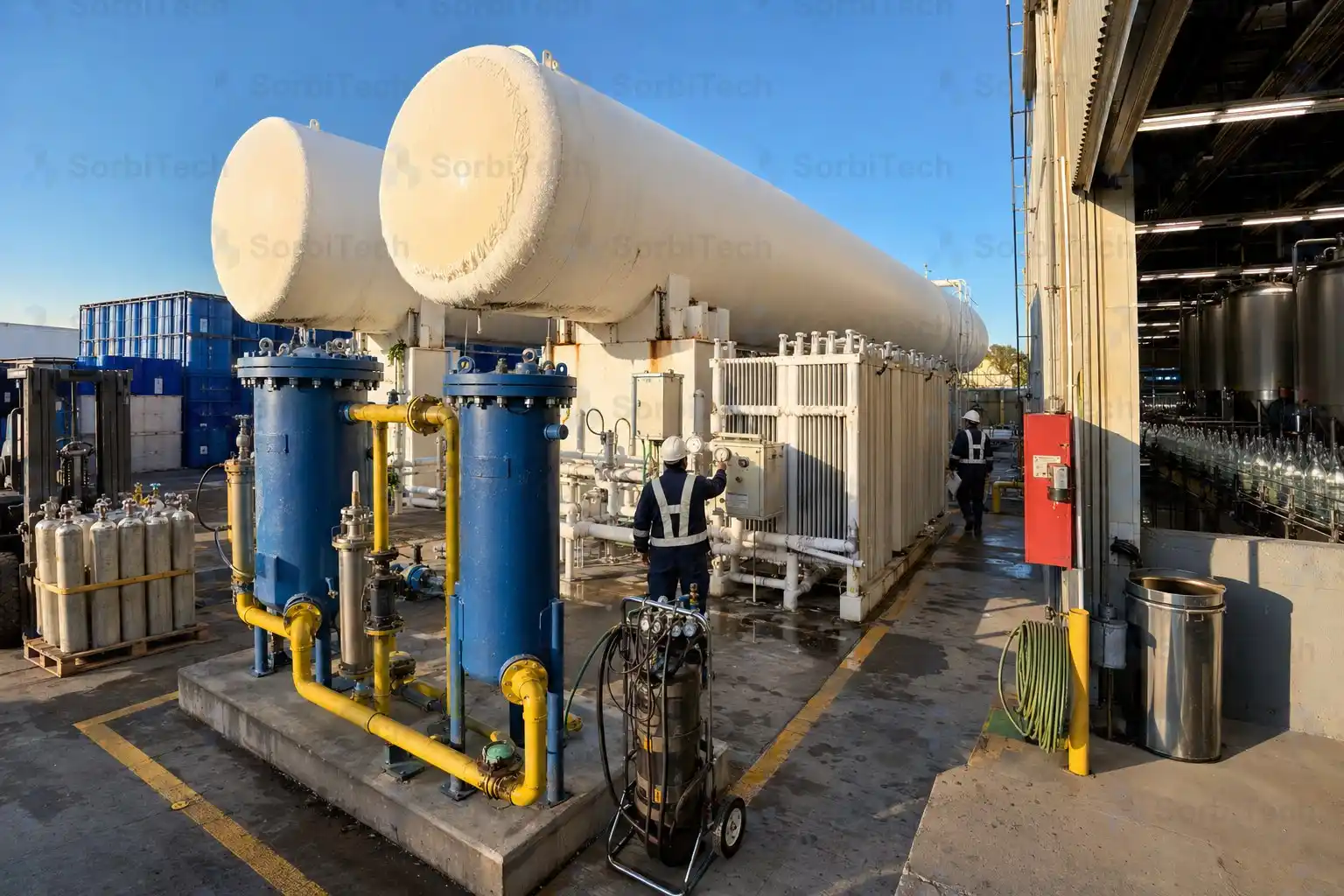
Food & Beverage
Sugar decolorization, edible oil bleaching, beverage CO₂ purification, and food grade adsorbent media for the food and beverage processing industry.
For the food and beverage industry, SorbiTech supplies food grade activated carbon (PAC and pellet AC) for sugar decolorization, edible oil bleaching, beverage carbon dioxide purification, and decaffeination, plus on site PSA nitrogen generation for blanketing and packaging. Every grade is released against a certificate of analysis with food contact compliance documentation.
Food and beverage processors face hygiene and food contact compliance requirements (FDA, EU Regulation 10/2011, Halal, Kosher), plus tight colour, taste, and aroma specifications that drive the decolorization and purification duty. The recurring SorbiTech duties are sugar and syrup decolorization, edible oil bleaching, beverage CO₂ purification, and the production of inert atmospheres for packaging.
Food Grade Adsorption Across the Sector
The food and beverage sector relies on food grade adsorbent media for the colour, taste, and aroma duties that define product quality, and on inert gas for blanketing and packaging that defines product shelf life. SorbiTech supplies the SorbiTech food grade activated carbon (powdered, pellet, and granular forms), the carbon molecular sieve for on site nitrogen generation, and the silica gel for instrument and packaged goods desiccation. Every grade is released against documented food contact compliance: FDA approval where required, EU Regulation 10/2011 compliance, Halal and Kosher eligibility on the standard grades.
Sugar and Syrup Decolorization
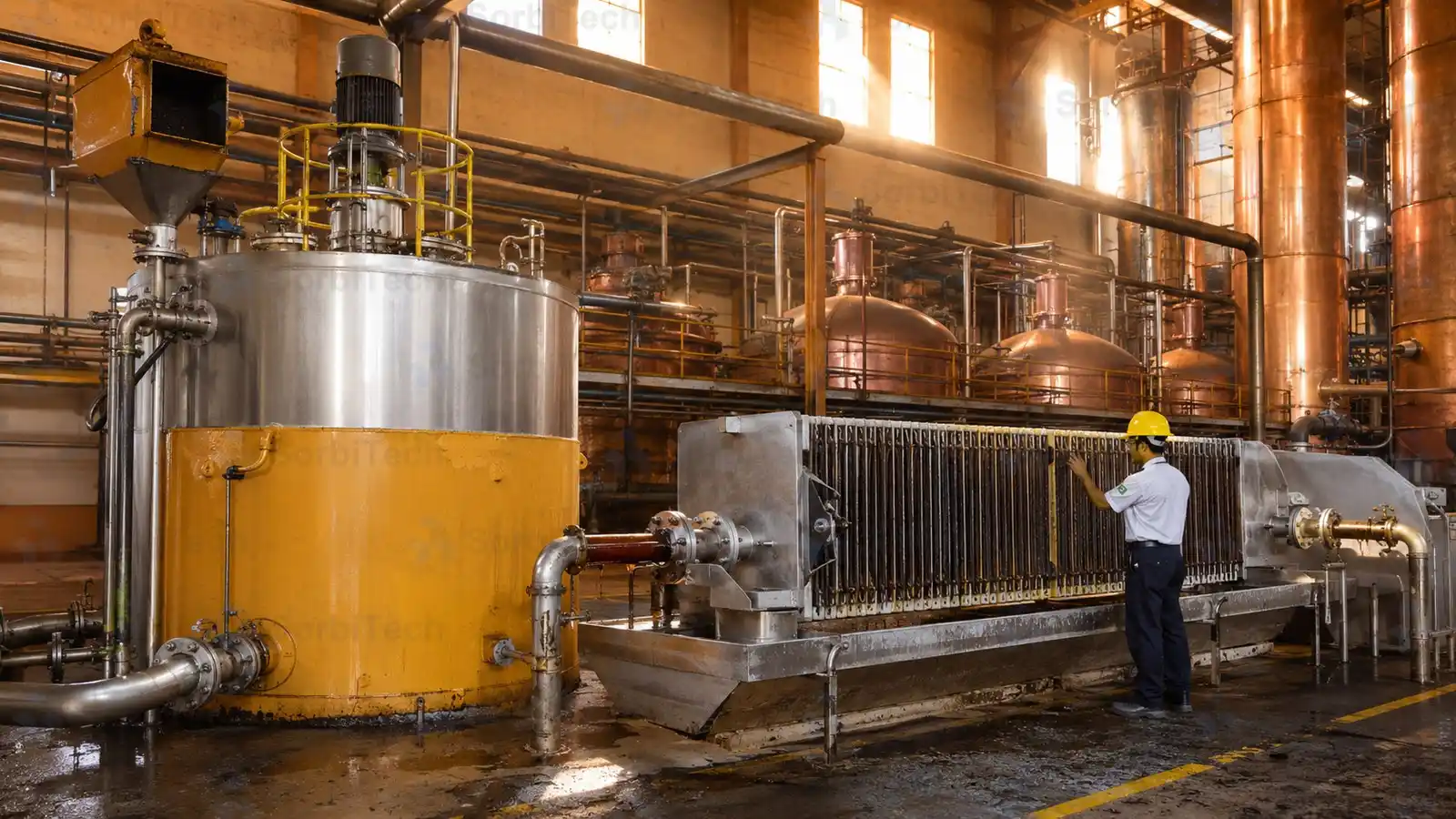
Cane and beet sugar processing generates colour bodies (caramels, melanoidins, polyphenols) during the boiling and crystallisation stages. SorbiTech PAC is dosed into the contact tank at the affination stage, given a controlled residence time, then filtered out together with the captured colour bodies. The treated syrup meets the contracted ICUMSA colour grade (typically 45 IU for white sugar, 100 to 300 IU for refined sugars) consistently across production seasons. Grade selection follows a laboratory decolorization test on the actual stream, not the iodine number alone.
Edible Oil Bleaching
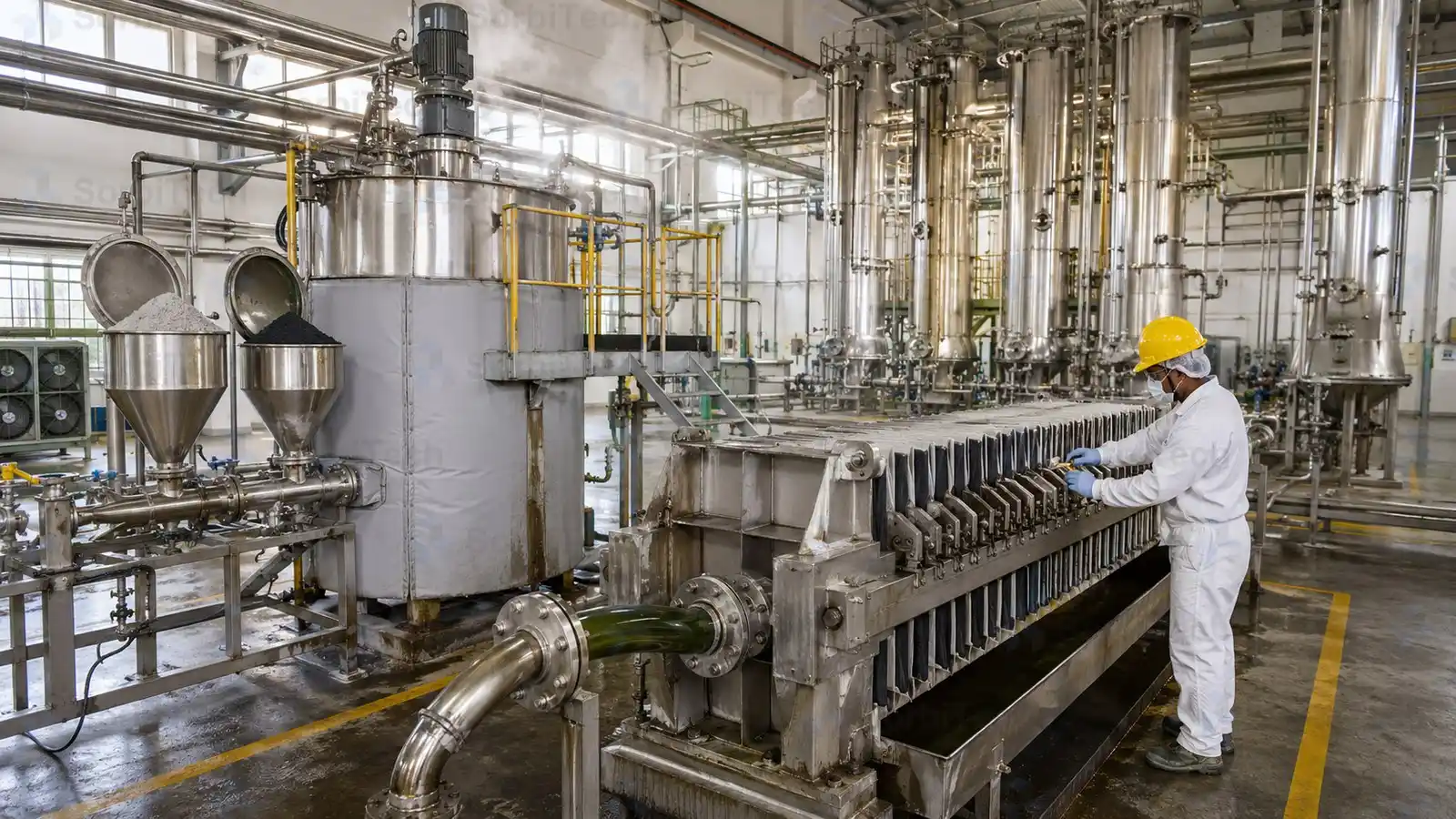
Crude vegetable oils (palm, sunflower, soybean, canola) require decolorization to remove chlorophyll, carotenoids, and oxidation products before refining. The PAC bleaching grade is dosed at 0.5 to 2 percent by weight at the bleaching tower, given 20 to 30 minutes of residence time at 100 to 110 °C, then filtered with bleaching earth as the filter aid. The combined PAC plus bleaching earth dose targets a residual chlorophyll below the contracted limit for the refined oil grade.
Beverage Carbon Dioxide Purification
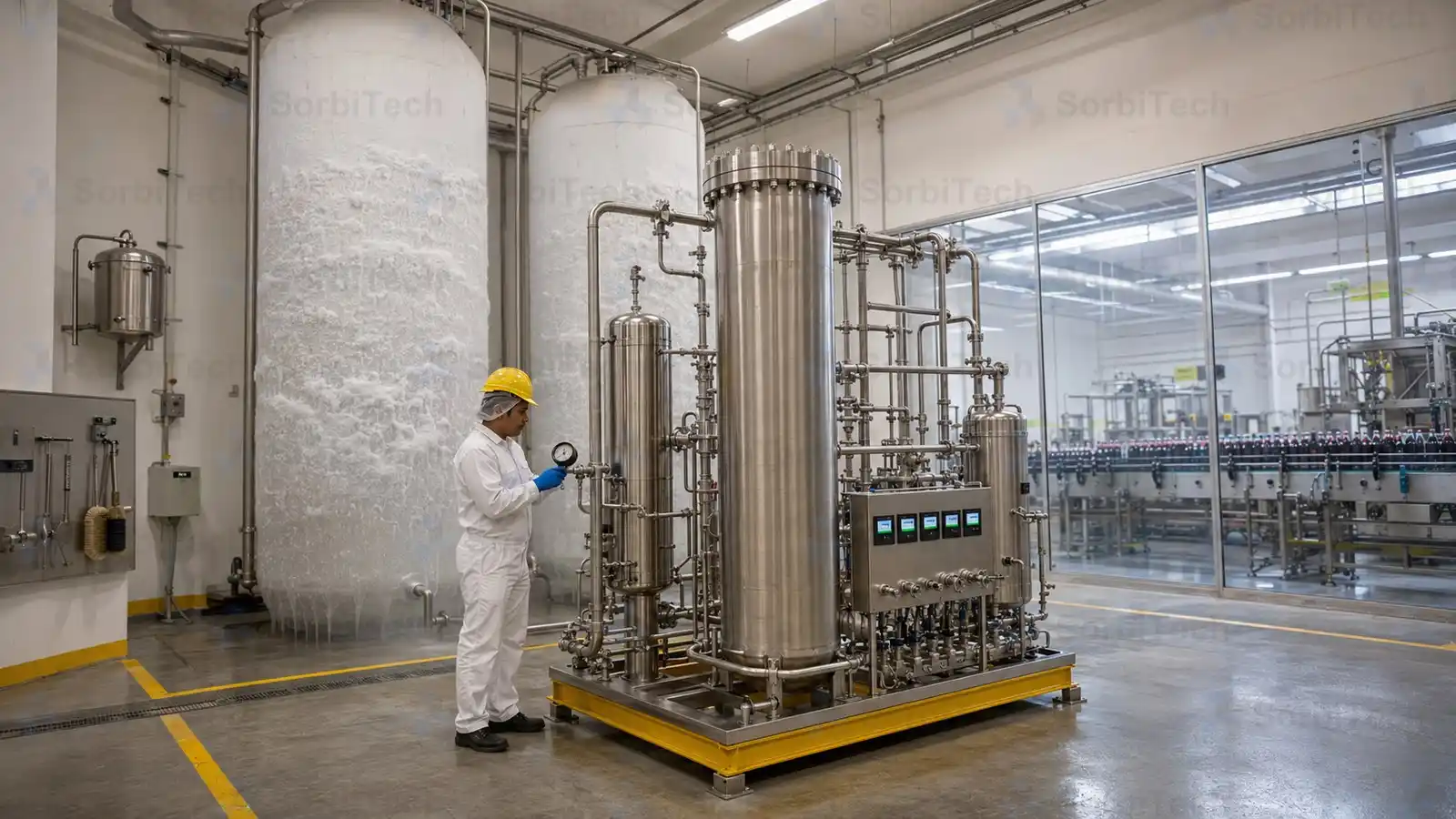
Food grade CO₂ for carbonated soft drinks, beer, and sparkling water must meet ISBT (International Society of Beverage Technologists) purity guidelines: sulphur compounds below 0.1 ppm, total volatile hydrocarbons below 20 ppm, aromatic hydrocarbons below 20 ppb. A SorbiTech pellet activated carbon guard bed at the CO₂ purification unit captures the trace contaminants before the gas reaches the beverage line, protecting consumer safety and product taste.
On Site Nitrogen for Blanketing and Packaging
Wine vessels, beer fermenters, dairy tanks, edible oil storage, and modified atmosphere packaging all require nitrogen blanketing or sparging to displace oxygen and preserve flavour. A SorbiTech PSA nitrogen generation package charged with CMS N₂ grade delivers 99.5 to 99.9 percent purity at the contracted flow, removing the cost and logistics of delivered cylinder gas. Payback is typically under 24 months for continuous demand.
Food Contact Compliance and Documentation
Every shipment is released with a certificate of analysis covering the food grade specification: heavy metals, ash, moisture, iodine, decolorization, and microbial load where applicable. Halal and Kosher eligibility is held on the standard grades; FDA and EU Regulation 10/2011 documentation is supplied per project. The SorbiTech specification team handles the regulatory documentation that the food processor needs for HACCP and ISO 22000 compliance.
Products & Systems for Food & Beverage
Adsorbents & Media
-
01
 Adsorbent
Carbon Molecular Sieve CMS 260L
Affordable carbon molecular sieve. 1.2 to 1.8 mm pellets, sub 10 Angstrom pore, 95 to 99.9 percent N2 from compressed air at 7 to…
Water Cap.
Intolerant of liquid water, feed must reach ISO 8573 class 1.4.1 %
Adsorbent
Carbon Molecular Sieve CMS 260L
Affordable carbon molecular sieve. 1.2 to 1.8 mm pellets, sub 10 Angstrom pore, 95 to 99.9 percent N2 from compressed air at 7 to…
Water Cap.
Intolerant of liquid water, feed must reach ISO 8573 class 1.4.1 %
-
02
 Adsorbent
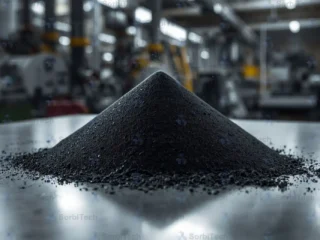
Powdered Activated Carbon
Fine powder carbon for slurry dosing in water treatment, sugar decolorization, pharmaceutical purification, and emergency contamination response.
Form
200×325 mesh (45–75 µm)
Adsorbent
Powdered Activated Carbon
Fine powder carbon for slurry dosing in water treatment, sugar decolorization, pharmaceutical purification, and emergency contamination response.
Form
200×325 mesh (45–75 µm)
-
03
 Adsorbent
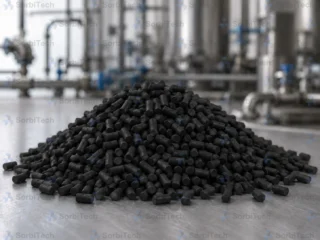
Pellet Activated Carbon
Extruded pellet carbon for gas phase duties: solvent recovery, vapour recovery, odour control, and mercury guard beds.
Form
3 mm or 4 mm extruded pellets
Adsorbent
Pellet Activated Carbon
Extruded pellet carbon for gas phase duties: solvent recovery, vapour recovery, odour control, and mercury guard beds.
Form
3 mm or 4 mm extruded pellets
-
04
 Adsorbent
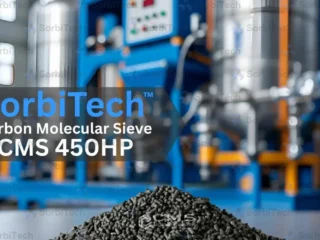
Carbon Molecular Sieve CMS 450HP
Ultra high purity carbon molecular sieve. 99.99999 percent (7N) N2, selective O2 and CO2 capture, 1.0 to 1.6 mm pellets, minimal fines, deoxo polishing…
Water Cap.
Feed must reach ISO 8573 class 1.4.1, deoxo polishing recommended for 7N %
Adsorbent
Carbon Molecular Sieve CMS 450HP
Ultra high purity carbon molecular sieve. 99.99999 percent (7N) N2, selective O2 and CO2 capture, 1.0 to 1.6 mm pellets, minimal fines, deoxo polishing…
Water Cap.
Feed must reach ISO 8573 class 1.4.1, deoxo polishing recommended for 7N %
-
05
 Adsorbent
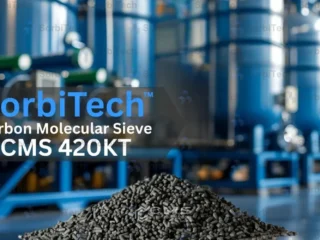
Carbon Molecular Sieve CMS 420KT
High efficiency carbon molecular sieve. Higher oxygen affinity under 7 to 12 barg, 1.2 to 1.8 mm pellets, Snowstorm Filling compatible, ASTM D4058 attrition…
Water Cap.
Feed must reach ISO 8573 class 1.4.1 %
Adsorbent
Carbon Molecular Sieve CMS 420KT
High efficiency carbon molecular sieve. Higher oxygen affinity under 7 to 12 barg, 1.2 to 1.8 mm pellets, Snowstorm Filling compatible, ASTM D4058 attrition…
Water Cap.
Feed must reach ISO 8573 class 1.4.1 %
-
06
 Adsorbent
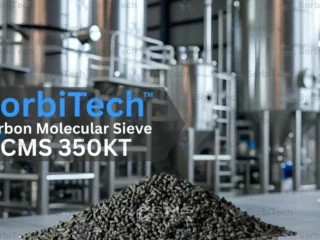
Carbon Molecular Sieve CMS 350KT
Rapid adsorption carbon molecular sieve. 40 to 90 second cycle at 7 to 10 barg, up to 99.99 percent N2, 1.0 to 2.2 mm…
Water Cap.
Moisture at supply below 1.0 percent, feed must reach ISO 8573 class 1.4.1 %
Adsorbent
Carbon Molecular Sieve CMS 350KT
Rapid adsorption carbon molecular sieve. 40 to 90 second cycle at 7 to 10 barg, up to 99.99 percent N2, 1.0 to 2.2 mm…
Water Cap.
Moisture at supply below 1.0 percent, feed must reach ISO 8573 class 1.4.1 %
Engineered Systems
-
01
 Equipment
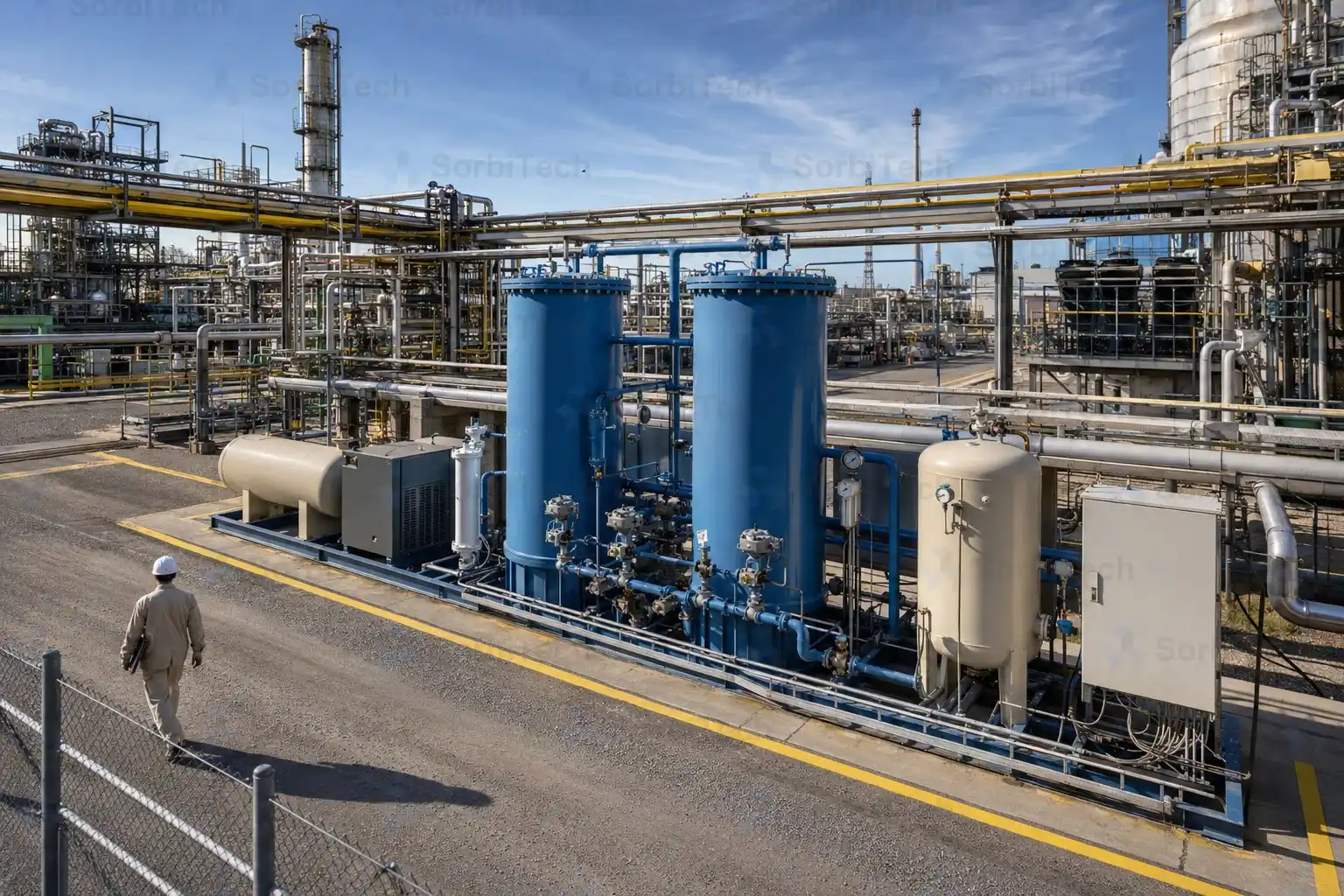
PSA Nitrogen Generation Package
On site pressure swing adsorption nitrogen generator using carbon molecular sieve. It delivers nitrogen at 95 to 99.999 percent purity for blanketing, purging, and…
Capacity
5–5,000 Nm³/h N₂
Equipment
PSA Nitrogen Generation Package
On site pressure swing adsorption nitrogen generator using carbon molecular sieve. It delivers nitrogen at 95 to 99.999 percent purity for blanketing, purging, and…
Capacity
5–5,000 Nm³/h N₂
-
02
 Equipment
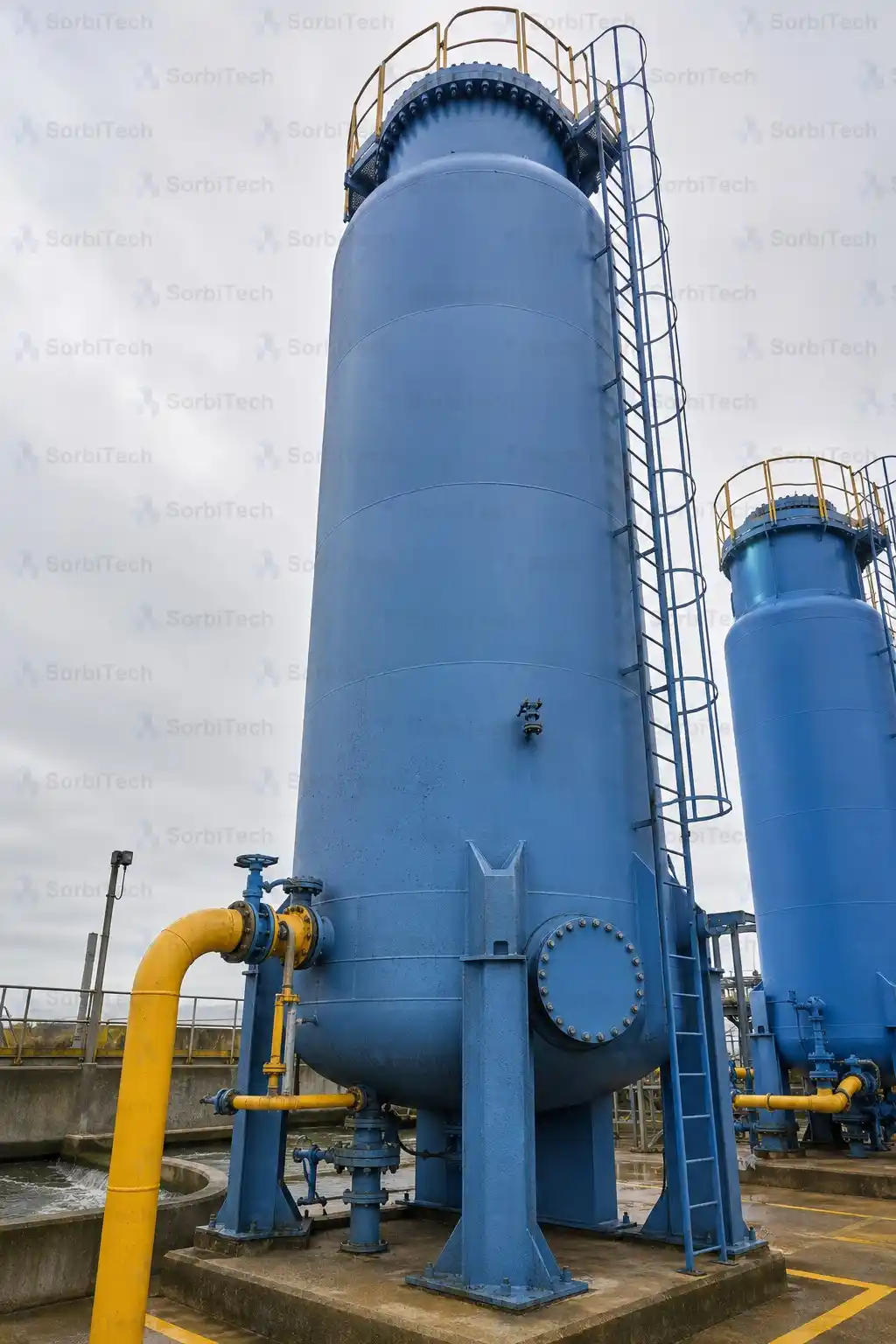
Activated Carbon Water Contactor
Granular activated carbon fixed bed water contactor for dechlorination, taste and odour, dissolved organic carbon, and emerging contaminant polishing in drinking water and process…
Capacity
5–2,000 m³/h
Equipment
Activated Carbon Water Contactor
Granular activated carbon fixed bed water contactor for dechlorination, taste and odour, dissolved organic carbon, and emerging contaminant polishing in drinking water and process…
Capacity
5–2,000 m³/h
Key Applications in This Sector
-
01
 Process Duty
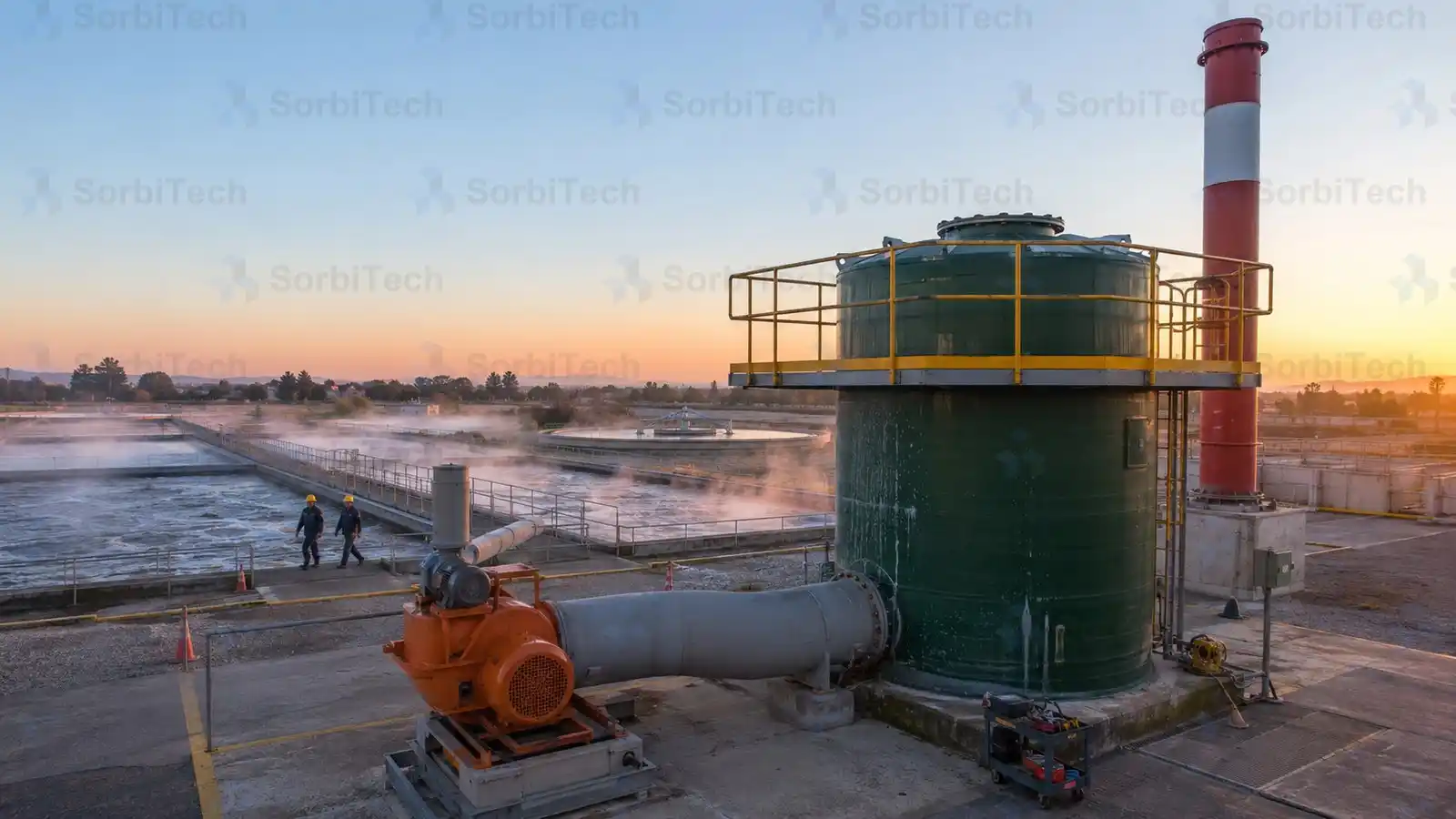
Industrial Odor and Air Stream Carbon Filtration
Pellet and impregnated activated carbon filters for industrial odor control on wastewater treatment plant vents, sewage pumping stations, food processing exhausts, and manufacturing odor…
Process Duty
Industrial Odor and Air Stream Carbon Filtration
Pellet and impregnated activated carbon filters for industrial odor control on wastewater treatment plant vents, sewage pumping stations, food processing exhausts, and manufacturing odor…
-
02
 Process Duty
Edible Oil Bleaching
Powdered activated carbon and bleaching earth combination for edible oil bleaching to remove chlorophyll, carotenoids, and oxidation products from palm, sunflower, soybean, and canola…
Process Duty
Edible Oil Bleaching
Powdered activated carbon and bleaching earth combination for edible oil bleaching to remove chlorophyll, carotenoids, and oxidation products from palm, sunflower, soybean, and canola…
-
03
 Process Duty
Beverage Carbon Dioxide Purification
Pellet activated carbon guard bed for beverage grade carbon dioxide purification meeting ISBT (International Society of Beverage Technologists) specifications for carbonated soft drinks, beer,…
Process Duty
Beverage Carbon Dioxide Purification
Pellet activated carbon guard bed for beverage grade carbon dioxide purification meeting ISBT (International Society of Beverage Technologists) specifications for carbonated soft drinks, beer,…
-
04
 Process Duty
Sugar and Syrup Decolorization
Powdered activated carbon decolorization of cane and beet sugar syrups, glucose syrups, and high fructose corn syrups to meet contracted ICUMSA colour grade for…
Process Duty
Sugar and Syrup Decolorization
Powdered activated carbon decolorization of cane and beet sugar syrups, glucose syrups, and high fructose corn syrups to meet contracted ICUMSA colour grade for…
-
05
 Process Duty
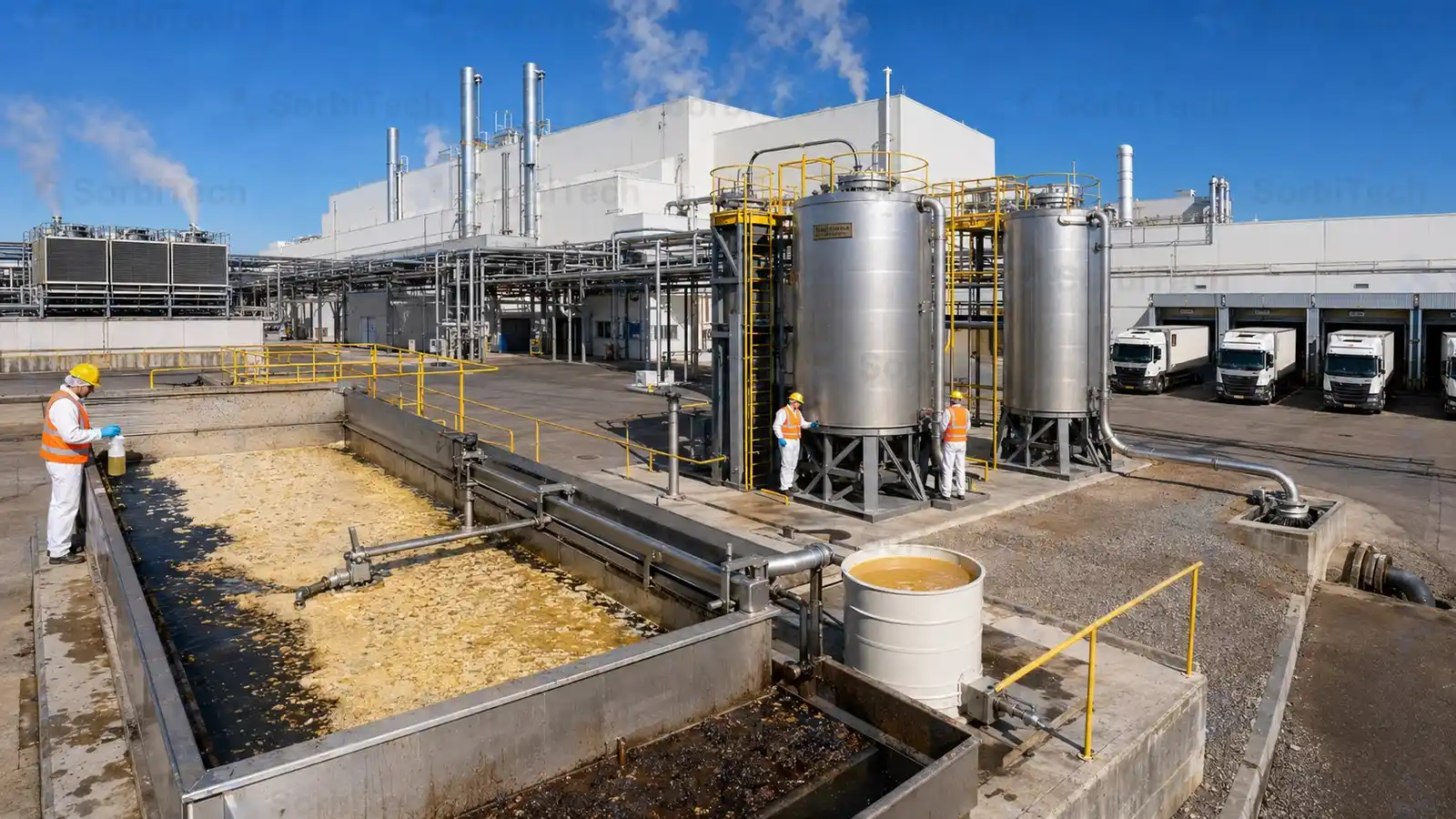
Commercial Kitchen Grease Interceptor
Grease interceptor for commercial kitchens, restaurants, food courts, and institutional catering to capture fat, oil, and grease before discharge to the municipal sewer.
Process Duty
Commercial Kitchen Grease Interceptor
Grease interceptor for commercial kitchens, restaurants, food courts, and institutional catering to capture fat, oil, and grease before discharge to the municipal sewer.
-
06
 Process Duty
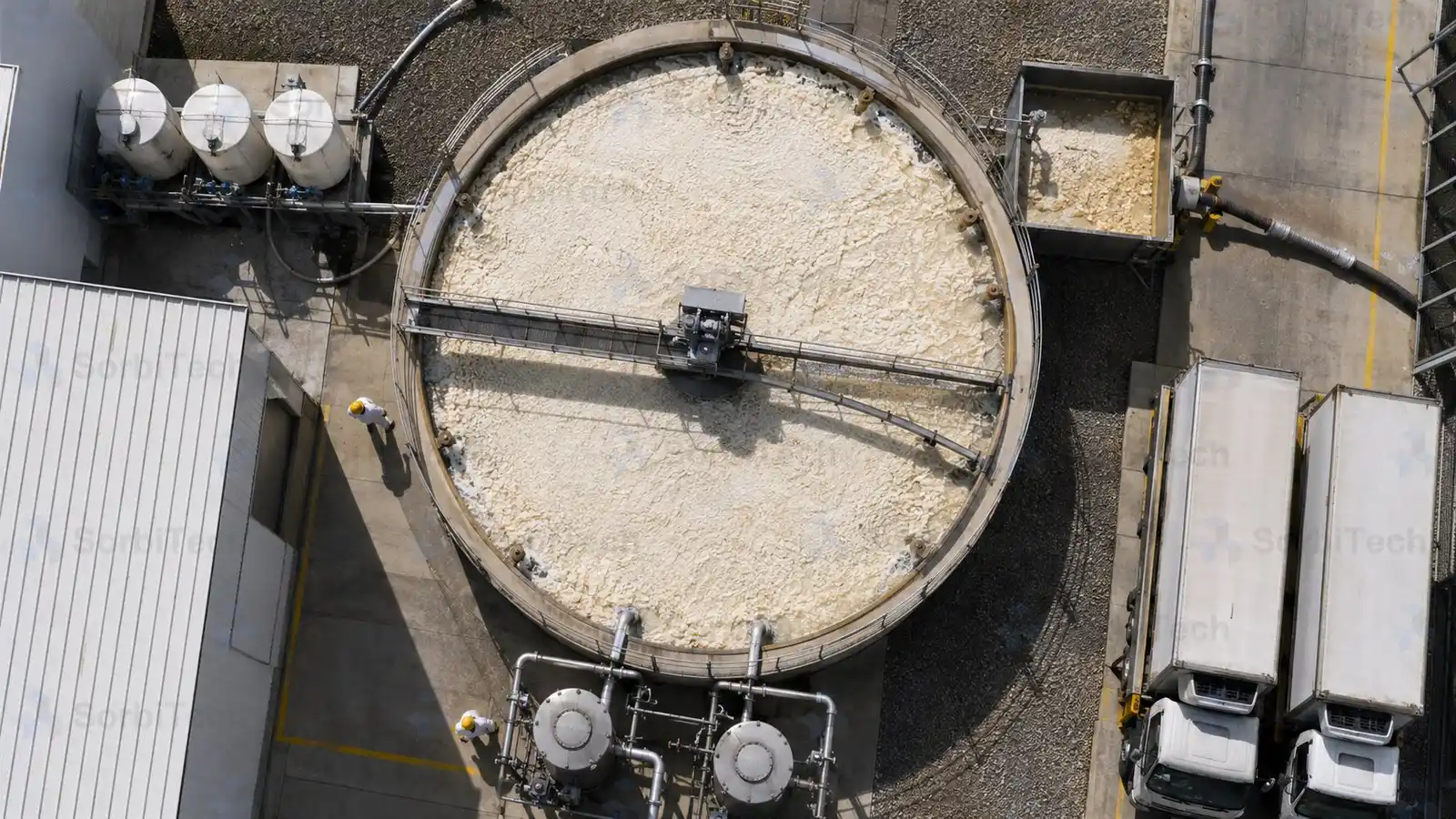
Food Processing Wash Water Treatment
Treatment of food processing wash water from meat, poultry, dairy, and vegetable processing using DAF, grease interception, and activated carbon polishing to meet sewer…
Process Duty
Food Processing Wash Water Treatment
Treatment of food processing wash water from meat, poultry, dairy, and vegetable processing using DAF, grease interception, and activated carbon polishing to meet sewer…
Discuss Your Food & Beverage Requirements
Our team has direct experience in this sector. We review your duty conditions and recommend a complete solution.