
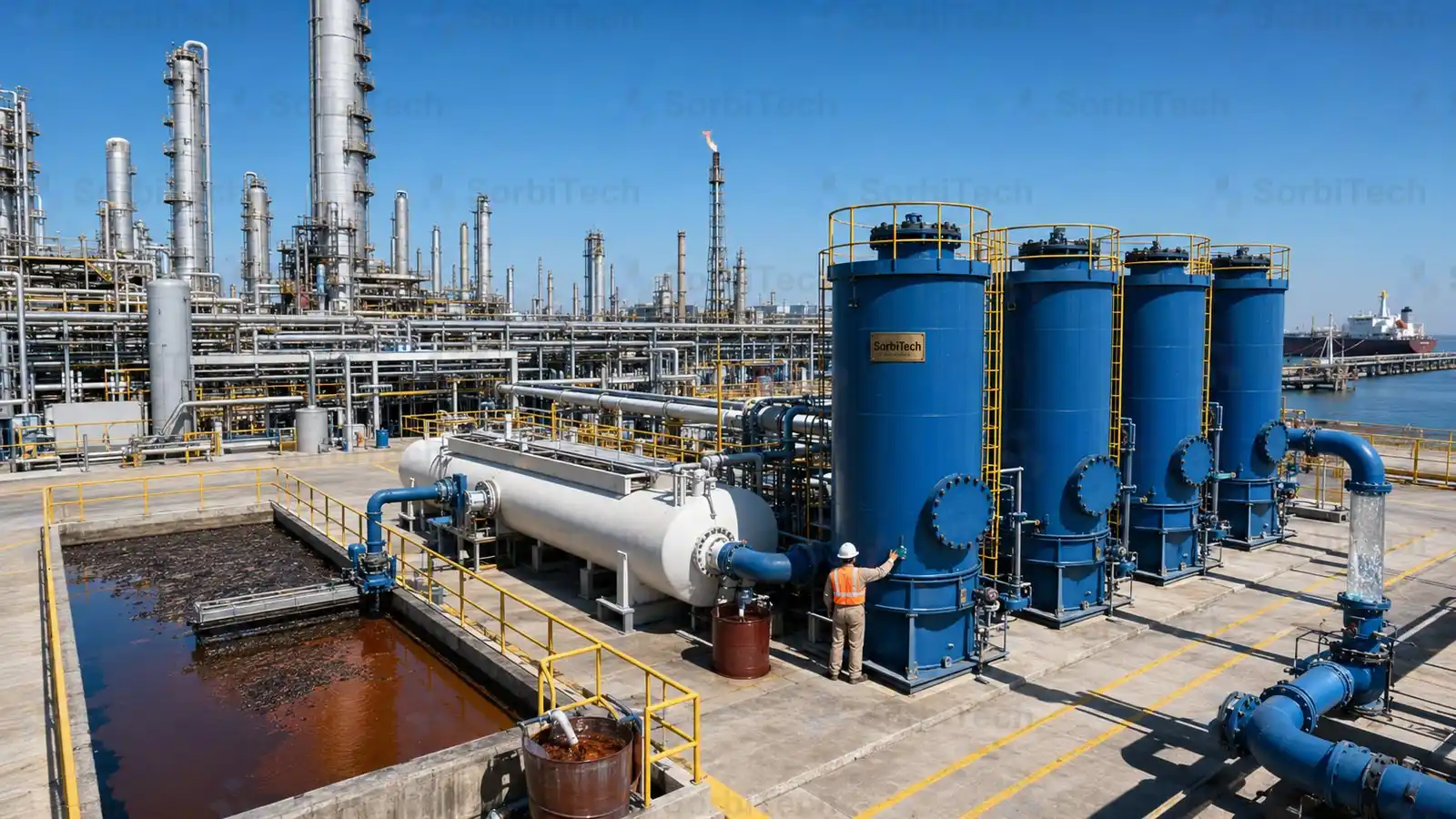
Refinery Effluent Treatment
Multi stage treatment of refinery effluent combining CPI gravity separation, coalescing polishing, and activated carbon adsorption to meet discharge consent on petroleum hydrocarbons.
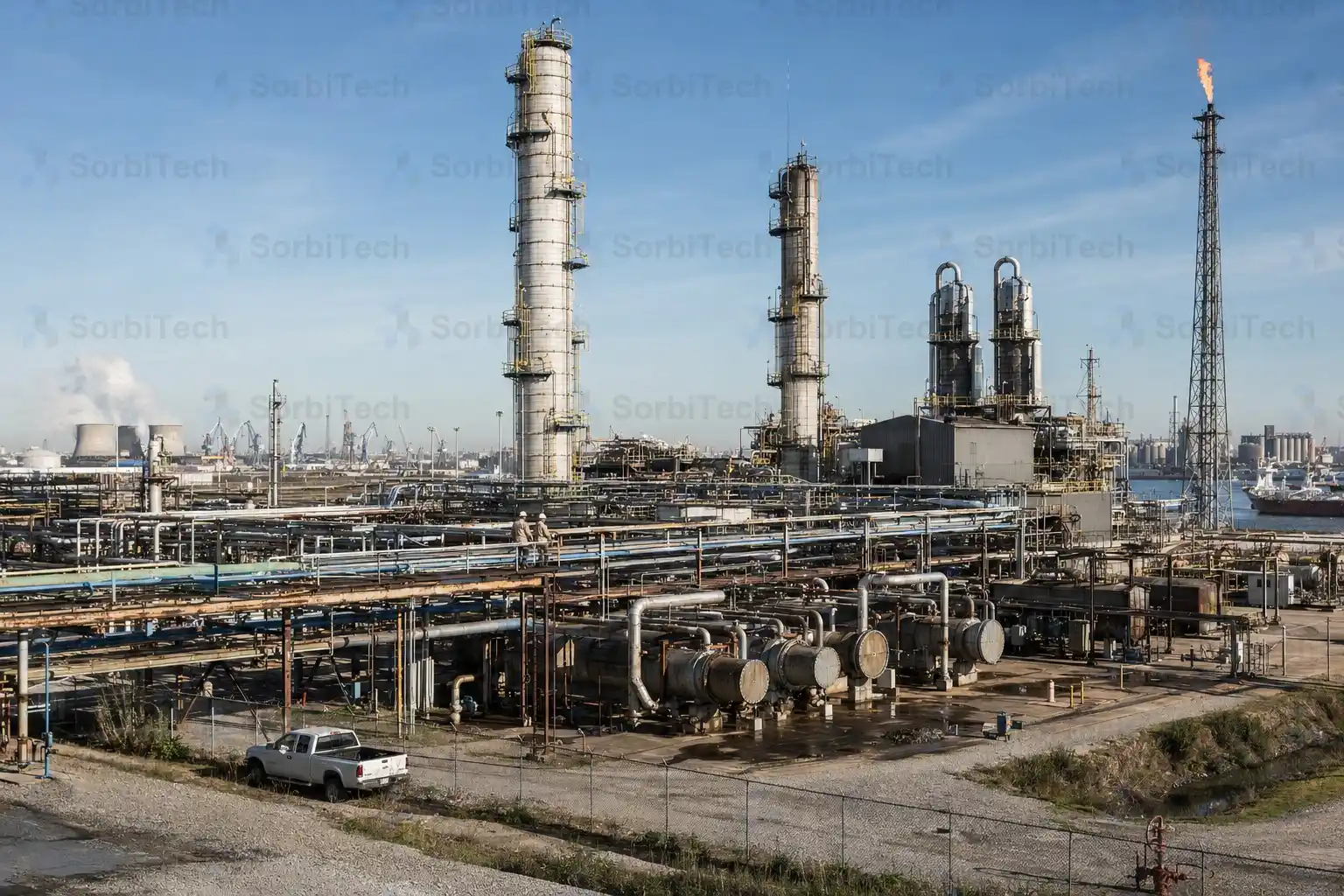
Refinery effluent treatment removes free, dispersed, and dissolved hydrocarbons from refinery process water (desalter brine, sour water stripper bottoms, FCC fractionator water, tank farm rainwater) to meet regulator discharge consent on petroleum hydrocarbons. SorbiTech delivers the duty as a staged CPI, coalescer, and activated carbon polishing train.
Refinery Water Has Three Hydrocarbon Fractions
Refinery process water carries free hydrocarbons (visible oil from desalters and tank bottoms), dispersed hydrocarbons (10 to 150 micron droplets from sour water condensate and slop oil), and dissolved hydrocarbons (BTEX, phenols, naphthalenes from FCC and reforming fractionator waters). Each fraction requires a different treatment technology, no single unit removes all three. The SorbiTech refinery effluent train stages the right technology for each fraction.
Three Stage Treatment Train
The standard train is:
- Stage 1: CPI oil water separator for free oil and settleable solids, outlet below 10 ppm
- Stage 2: Coalescing filtration skid for dispersed hydrocarbon, outlet below 5 ppm
- Stage 3: Activated carbon polishing for dissolved hydrocarbons, outlet meets tight consents
Each stage carries one fraction; the combined train delivers the regulator discharge consent reliably across the campaign.
Sour Service and Materials
Refinery effluent often carries hydrogen sulphide from sour water stripping; the equipment is built to NACE MR0175 with hardness controlled welds and post weld heat treatment. The polishing carbon bed handles the dissolved sulphur compounds (mercaptans, thiophenes) that the gravity and coalescing stages do not retain.
Delivery and Lifecycle
Delivered as a complete train turnkey by SorbiTech or as individual skid scope by SorbiTech. The SorbiTech activated carbon is reactivated thermally at the partner facility through the SorbiTech reactivation programme, which lowers the lifecycle cost by 40 to 60 percent versus single use. Sector coverage is petrochemicals and refining.
Selection Guidance
Stage 1: CPI for free oil. Stage 2: coalescing skid for dispersed oil to single digit ppm. Stage 3: activated carbon for dissolved hydrocarbons. For sour service, NACE materials. For tertiary polishing on the tightest consents, GAC reactivation programme.
A Specified, Verified Solution
Define the duty
We capture your process conditions: flow, composition, pressure, temperature, and the target outlet specification.
Select media & configuration
Our engineers recommend the adsorbent grade and system type that meet the duty with margin.
Size & engineer
Bed sizing, vessel design, and cycle parameters are engineered to your case and documented for approval.
Commission & verify
We support loading, start up, and performance verification against the guarantee.
Recommended Products & Systems
Adsorbents & Media
-
01
 Adsorbent
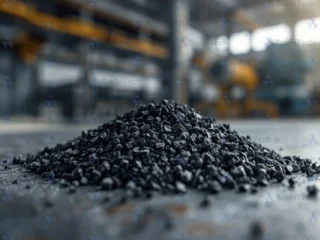
Activated Carbon GAC 1240
Coal based granular activated carbon for dechlorination, taste and odour, and dissolved organics in water.
Form
12 × 40 US mesh (0.42–1.70 mm)
Adsorbent
Activated Carbon GAC 1240
Coal based granular activated carbon for dechlorination, taste and odour, and dissolved organics in water.
Form
12 × 40 US mesh (0.42–1.70 mm)
-
02
 Adsorbent
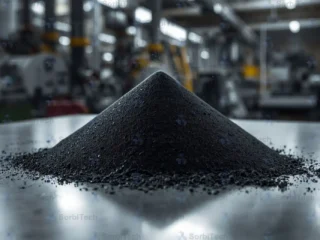
Powdered Activated Carbon
Fine powder carbon for slurry dosing in water treatment, sugar decolorization, pharmaceutical purification, and emergency contamination response.
Form
200×325 mesh (45–75 µm)
Adsorbent
Powdered Activated Carbon
Fine powder carbon for slurry dosing in water treatment, sugar decolorization, pharmaceutical purification, and emergency contamination response.
Form
200×325 mesh (45–75 µm)
-
03
 Adsorbent
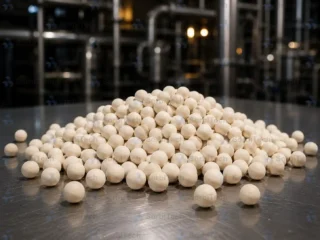
Activated Alumina AA-201
Smooth sphere activated alumina for compressed air and gas drying, fluoride removal, and guard bed duty.
Water Cap.
≥ 18 %
Adsorbent
Activated Alumina AA-201
Smooth sphere activated alumina for compressed air and gas drying, fluoride removal, and guard bed duty.
Water Cap.
≥ 18 %
Engineered Systems
-
01
 Equipment
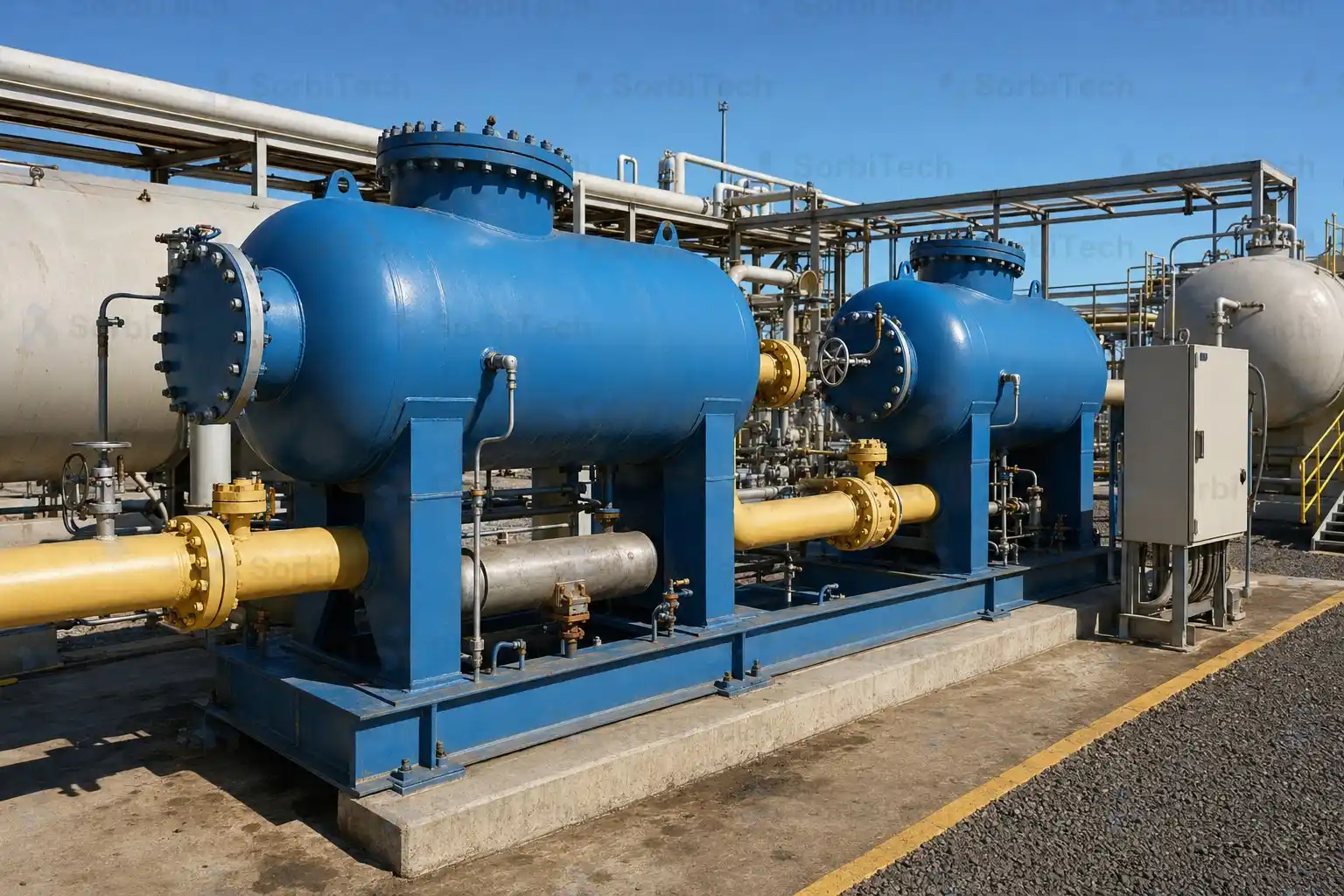
Coalescing Filtration Skid
Two stage coalescer and separator skid that removes fine dispersed hydrocarbons and solids from water down to single digit ppm. It is the polishing…
Capacity
2–200 m³/h
Equipment
Coalescing Filtration Skid
Two stage coalescer and separator skid that removes fine dispersed hydrocarbons and solids from water down to single digit ppm. It is the polishing…
Capacity
2–200 m³/h
-
02
 Equipment
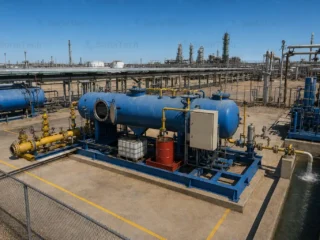
CPI Oil Water Separator
Corrugated plate interceptor that separates free oil and settleable solids from produced and industrial water to below 10 ppm. Compact, with no moving parts.
Capacity
5–500 m³/h
Equipment
CPI Oil Water Separator
Corrugated plate interceptor that separates free oil and settleable solids from produced and industrial water to below 10 ppm. Compact, with no moving parts.
Capacity
5–500 m³/h
-
03
 Equipment
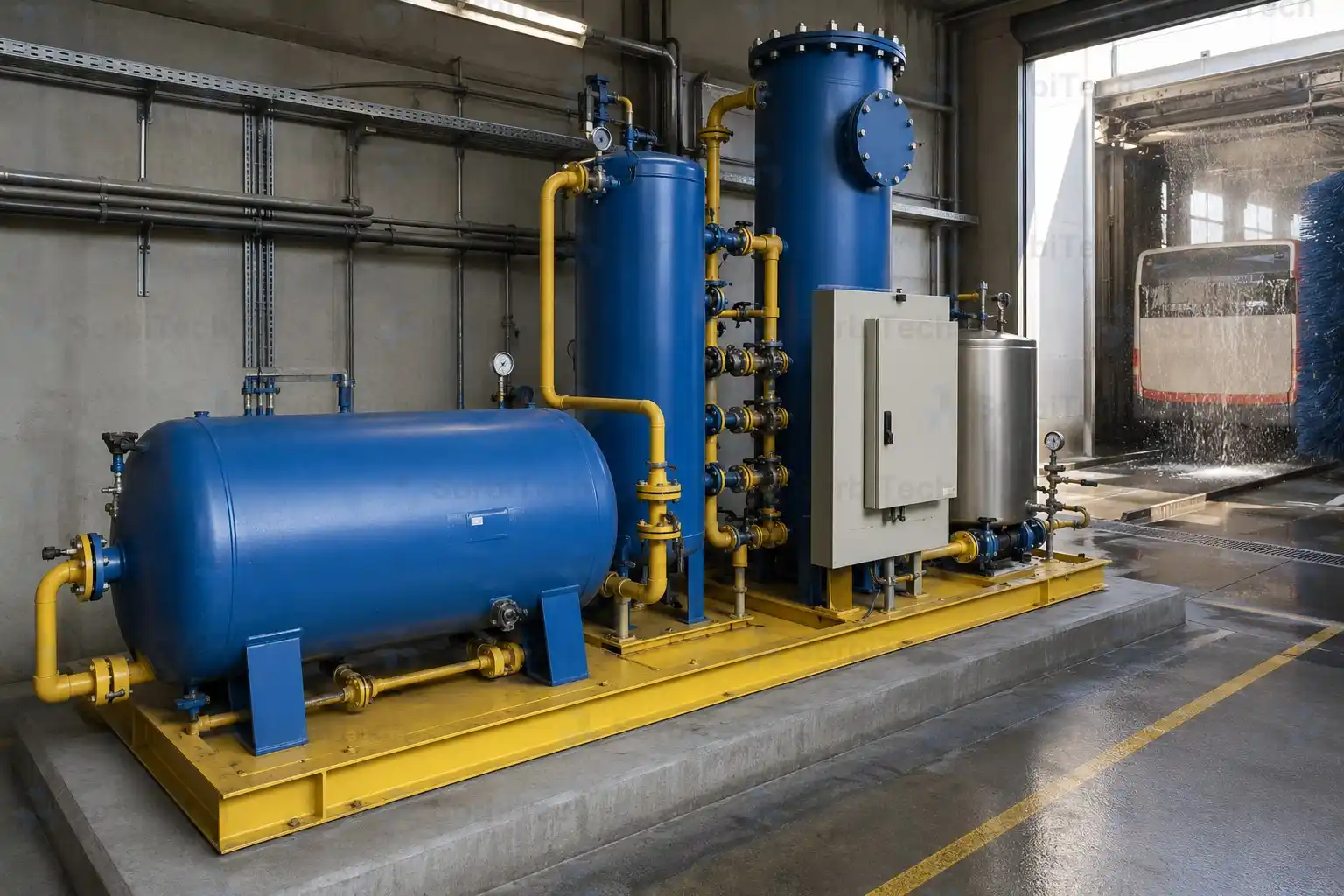
Vehicle Wash Water Recycling Skid
Compact wash water recycling skid for car, truck, bus, and heavy equipment wash bays with staged CPI separation, coalescing polishing, and activated carbon adsorption.
Capacity
0.5–50 m³/h
Equipment
Vehicle Wash Water Recycling Skid
Compact wash water recycling skid for car, truck, bus, and heavy equipment wash bays with staged CPI separation, coalescing polishing, and activated carbon adsorption.
Capacity
0.5–50 m³/h
-
04
 Equipment
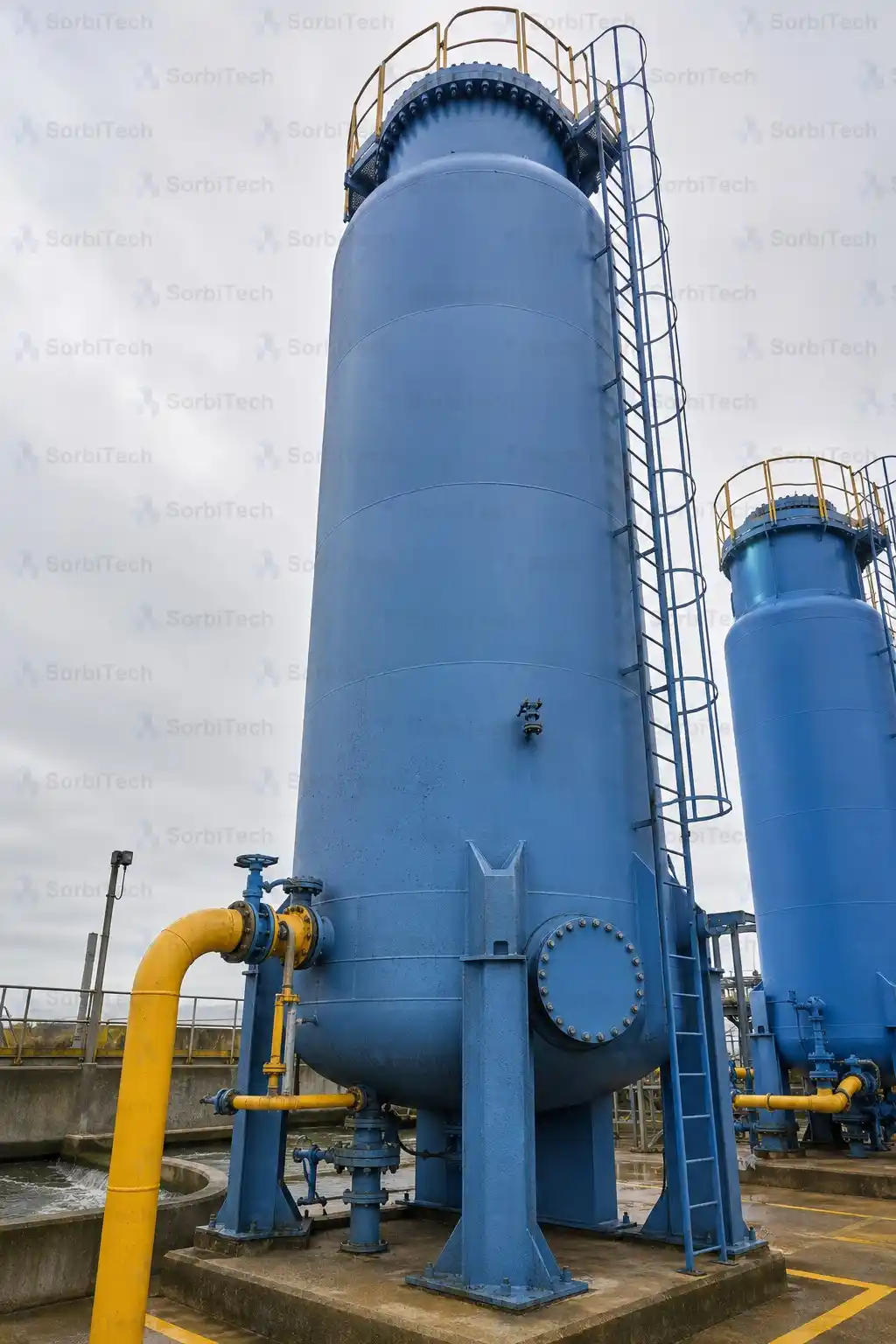
Activated Carbon Water Contactor
Granular activated carbon fixed bed water contactor for dechlorination, taste and odour, dissolved organic carbon, and emerging contaminant polishing in drinking water and process…
Capacity
5–2,000 m³/h
Equipment
Activated Carbon Water Contactor
Granular activated carbon fixed bed water contactor for dechlorination, taste and odour, dissolved organic carbon, and emerging contaminant polishing in drinking water and process…
Capacity
5–2,000 m³/h
-
05
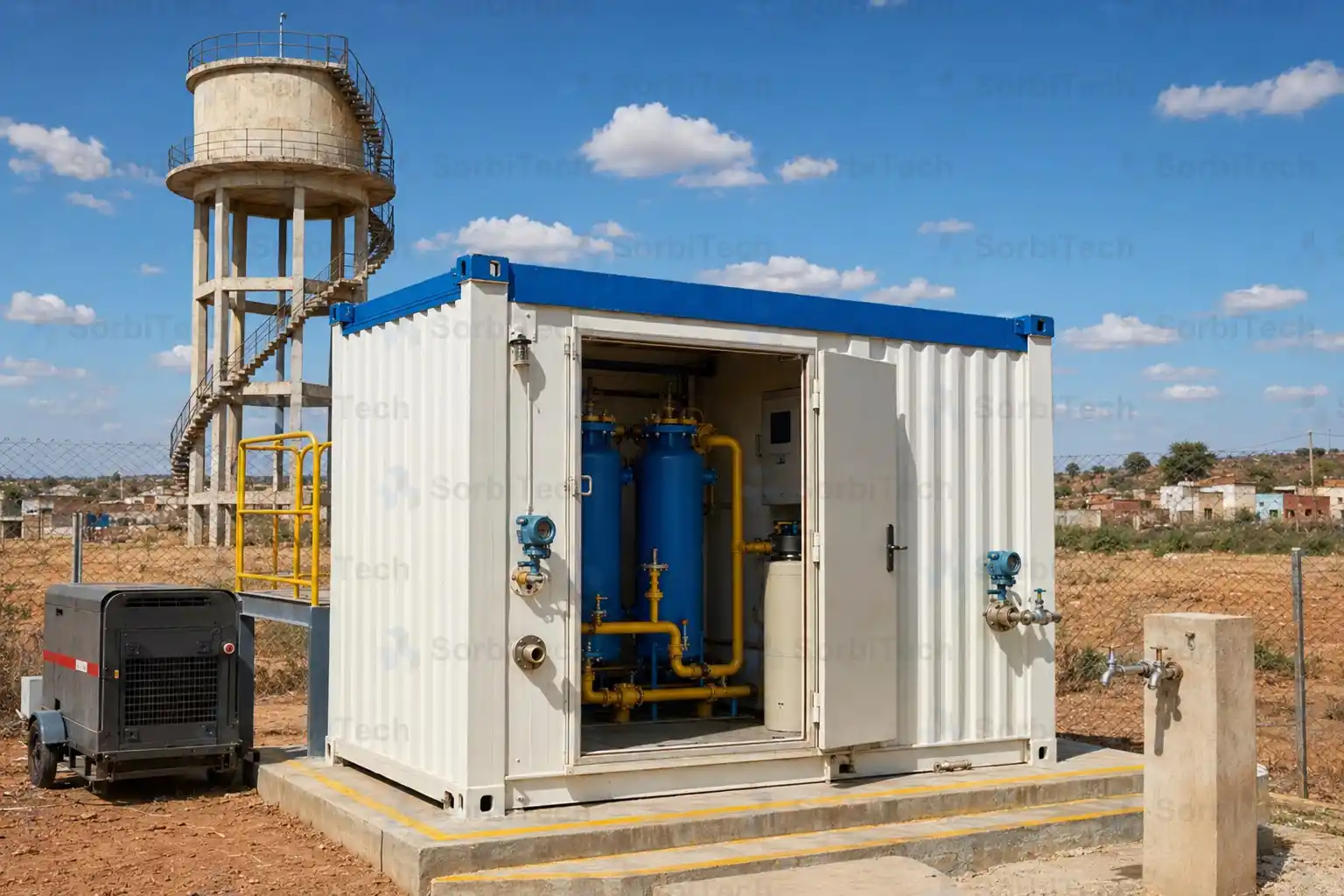 Equipment
Community Defluoridation Treatment Unit
Containerised activated alumina defluoridation unit for community and decentralised drinking water supply to the WHO guideline of 1.5 mg per litre.
Capacity
0.5–50 m³/h
Equipment
Community Defluoridation Treatment Unit
Containerised activated alumina defluoridation unit for community and decentralised drinking water supply to the WHO guideline of 1.5 mg per litre.
Capacity
0.5–50 m³/h
-
06
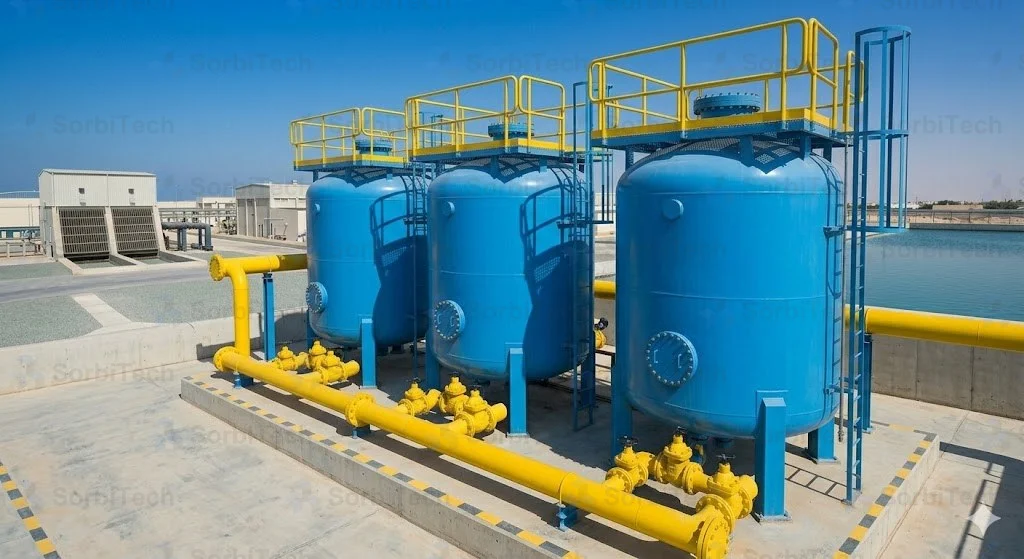 Equipment
Multi Media Filter
Multi media filter for suspended solids and turbidity removal upstream of activated carbon polishing, reverse osmosis, or process reuse in water treatment trains.
Capacity
5–500 m³/h
Equipment
Multi Media Filter
Multi media filter for suspended solids and turbidity removal upstream of activated carbon polishing, reverse osmosis, or process reuse in water treatment trains.
Capacity
5–500 m³/h
Industries Using This Application
Specify a Solution for This Application
Provide your process conditions and our team will recommend the grade, configuration, and sizing.