
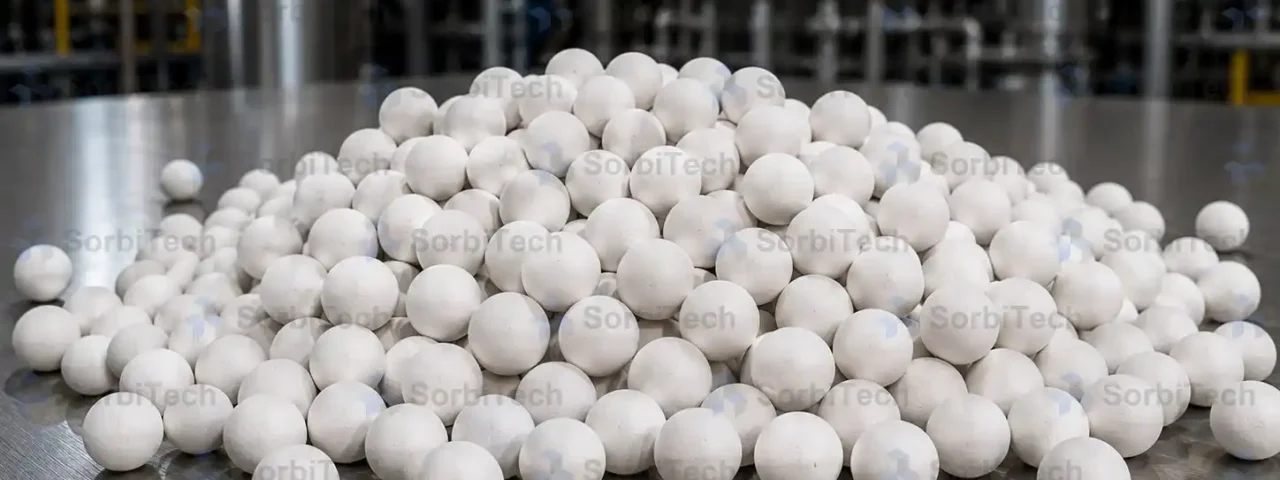
Inert Alumina Balls
High purity alumina balls for high temperature catalyst bed support, thermal mass, and aggressive chemical service.
Inert Alumina Balls are spheres of high purity aluminium oxide (above 92 percent Al₂O₃) used for high temperature catalyst bed support, thermal mass in regeneration loops, and aggressive chemical service where ceramic clay balls would degrade. The grade is the standard support media in refinery catalytic reactors and in Claus tail gas units.
ISO 9001:2015
Thermal cycling and chemical attack tested
SorbiTech, Middle East
COA per batch · purity verified

High Purity Alumina for Aggressive Service
SorbiTech Inert Alumina Balls are spheres of high purity aluminium oxide with Al₂O₃ content above 92 percent. The high alumina content delivers two engineering advantages over the standard ceramic clay ball: a higher operating temperature limit, typically above 1,200 °C, and a far greater chemical resistance against hot caustic, hot acid, and Claus tail gas conditions.
The surface is essentially inert, with a BET area below 0.5 m²/g, so the ball carries no parasitic adsorption duty and does not react with the process stream over the campaign life.
Catalyst Bed Support in Refinery Service
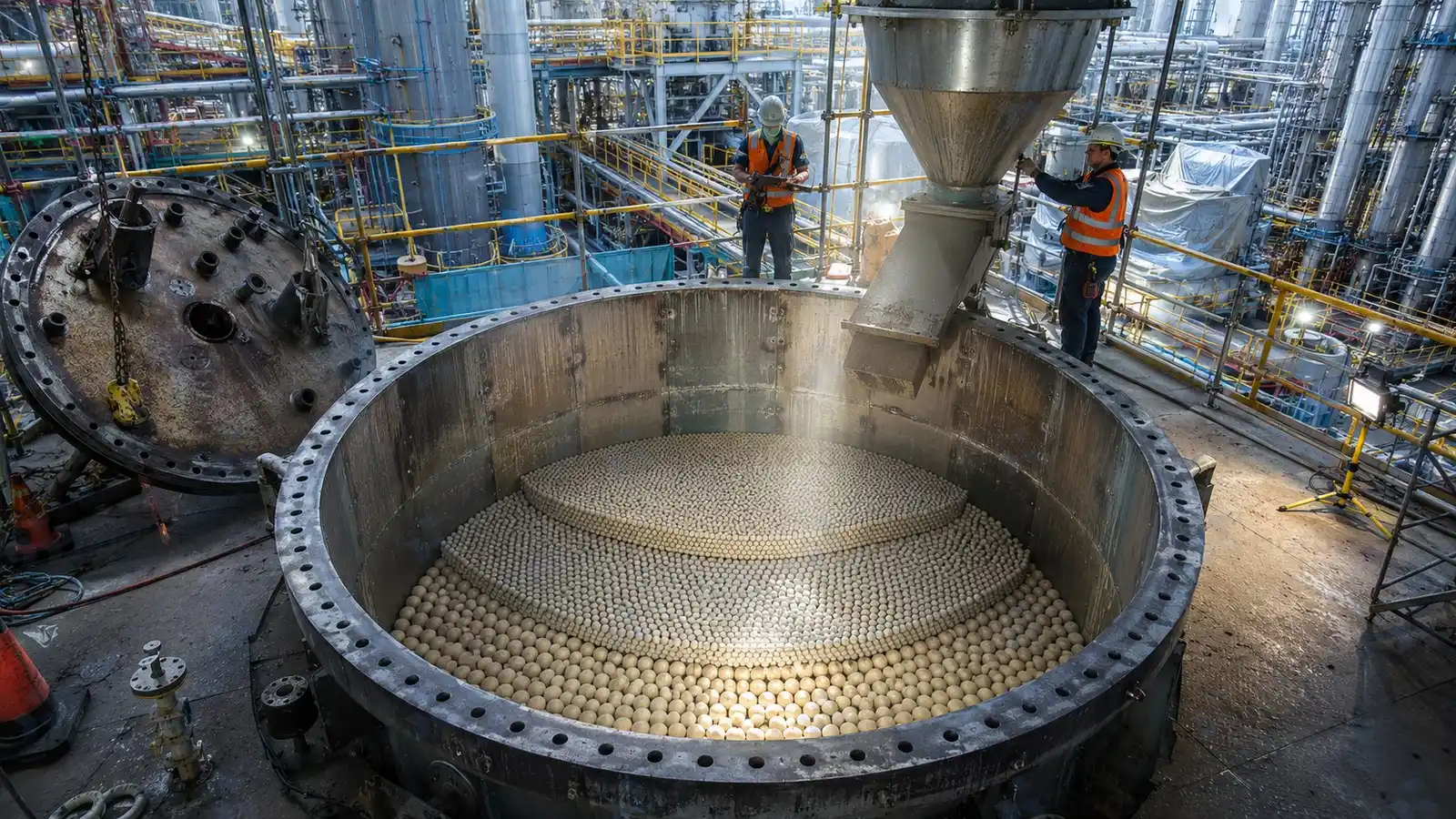
The classical application is the bottom support layer in a fixed bed catalytic reactor: hydrotreater, hydrocracker, reformer, isomerisation, or alkylation. The bed support holds the catalyst above the outlet collector, distributes the inlet flow, and tolerates the regeneration cycle that returns the catalyst to fresh activity. SorbiTech specifies the inert alumina ball where the regeneration temperature exceeds the limit of the ceramic clay ball or where the process chemistry is aggressive.
In a Claus tail gas unit the inert alumina sits below the active alumina catalyst and tolerates the hydrogen sulphide and sulphur dioxide environment without degradation, while the active layer carries out the conversion duty.
Thermal Mass and Heat Distribution
The high density of the inert alumina ball (1.50 to 1.70 kg/L) also serves as a thermal mass in regeneration loops, where the ball stores heat during the hot purge and releases it during the cooling step. The thermal mass evens out the temperature gradient through the bed and reduces the heater turn down requirement.
Sizing and Specification
- Top cover layer: 19 to 25 mm balls, 150 to 300 mm depth
- Top transition: 13 mm balls, 100 to 200 mm depth
- Bottom transition: 6 mm balls, 100 to 200 mm depth
- Bottom support: 6 to 25 mm balls graded over the outlet
- Material purity: above 92 percent Al₂O₃, with low iron and silica content
Forms and Supply
Supplied in graded sets to the vessel specification by SorbiTech, with a certificate of analysis per batch covering ball size, bulk density, crush strength, and alumina purity. Standard packaging is 25 kg drums or 500 kg big bags. Available as a standalone support charge or as part of a complete SorbiTech catalyst bed loading delivered with the engineered vessel from SorbiTech. SorbiTech specifies inert alumina balls for refinery catalyst bed support; see the ceramic ball alternative for moderate temperature duty, the parent support media family, and the petrochemicals and refining sector.
Supplied for high temperature and aggressive chemistry where ceramic support would fail.
Process Applications
-
01
 Process Duty
Catalyst Bed Support and Grading
Inert ceramic and high purity alumina support balls in graded sets for catalyst and adsorbent bed support, flow distribution, and thermal mass in refinery,…
Process Duty
Catalyst Bed Support and Grading
Inert ceramic and high purity alumina support balls in graded sets for catalyst and adsorbent bed support, flow distribution, and thermal mass in refinery,…
-
02
 Process Duty
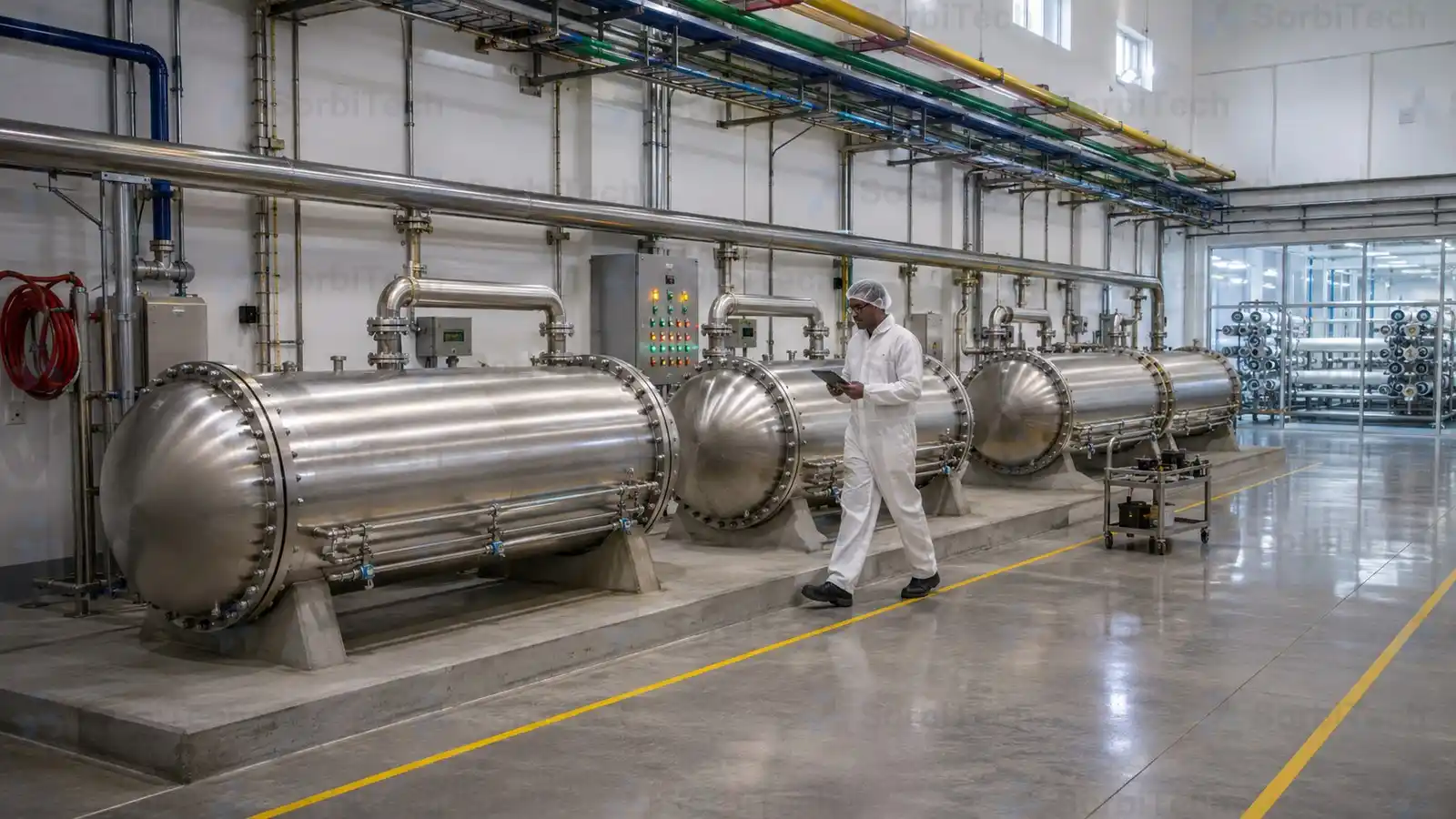
Dechlorination of Process Water
Granular activated carbon dechlorination of municipal supply water ahead of reverse osmosis, ion exchange, or chemical processing to protect downstream equipment from oxidative damage.
Process Duty
Dechlorination of Process Water
Granular activated carbon dechlorination of municipal supply water ahead of reverse osmosis, ion exchange, or chemical processing to protect downstream equipment from oxidative damage.
-
03
 Process Duty
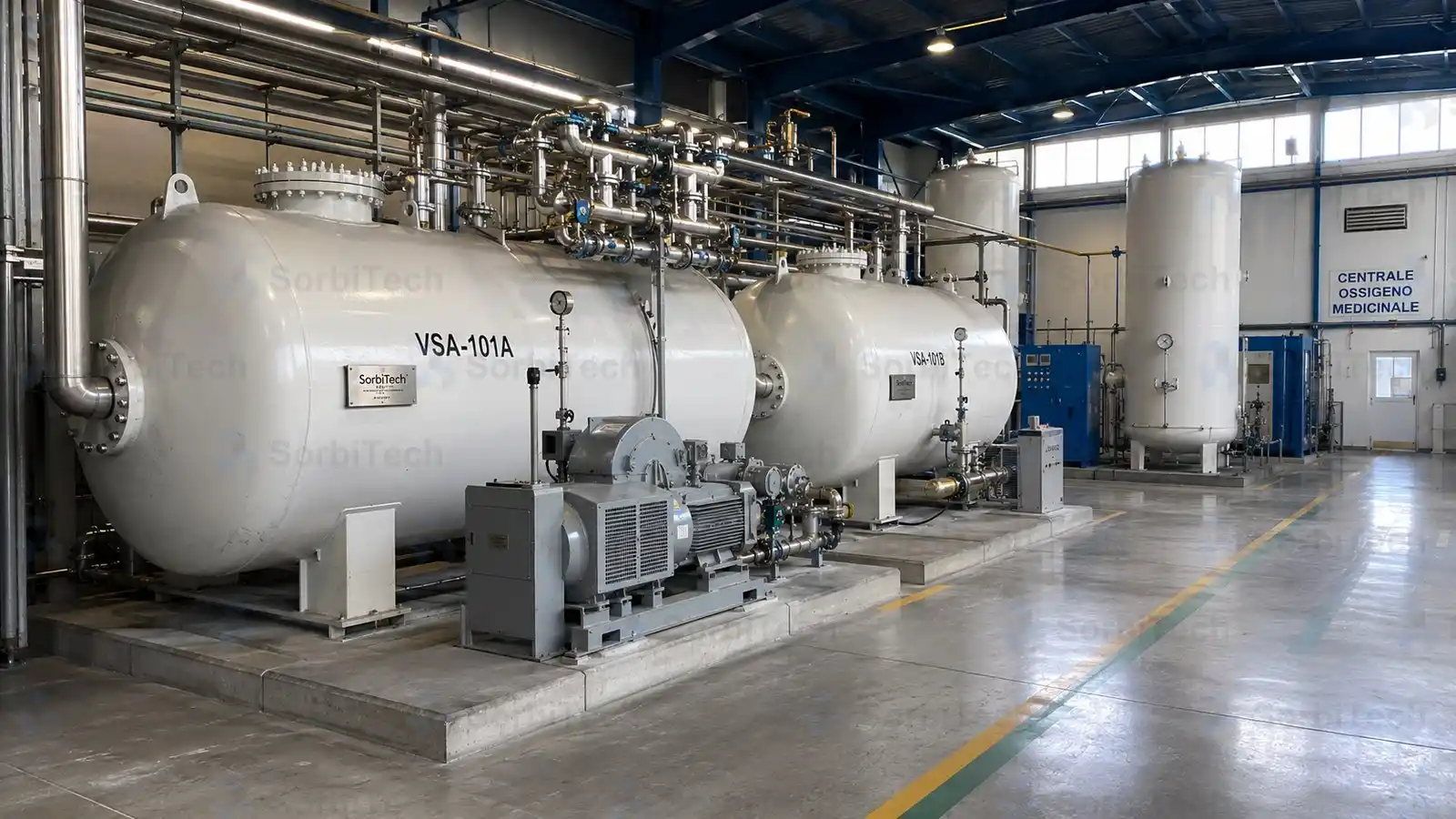
Oxygen Generation (PSA / VSA)
On site oxygen generation by pressure swing or vacuum pressure swing adsorption using lithium exchanged X zeolite for medical, aquaculture, ozone, and metals applications.
Process Duty
Oxygen Generation (PSA / VSA)
On site oxygen generation by pressure swing or vacuum pressure swing adsorption using lithium exchanged X zeolite for medical, aquaculture, ozone, and metals applications.
Compatible Systems
-
01
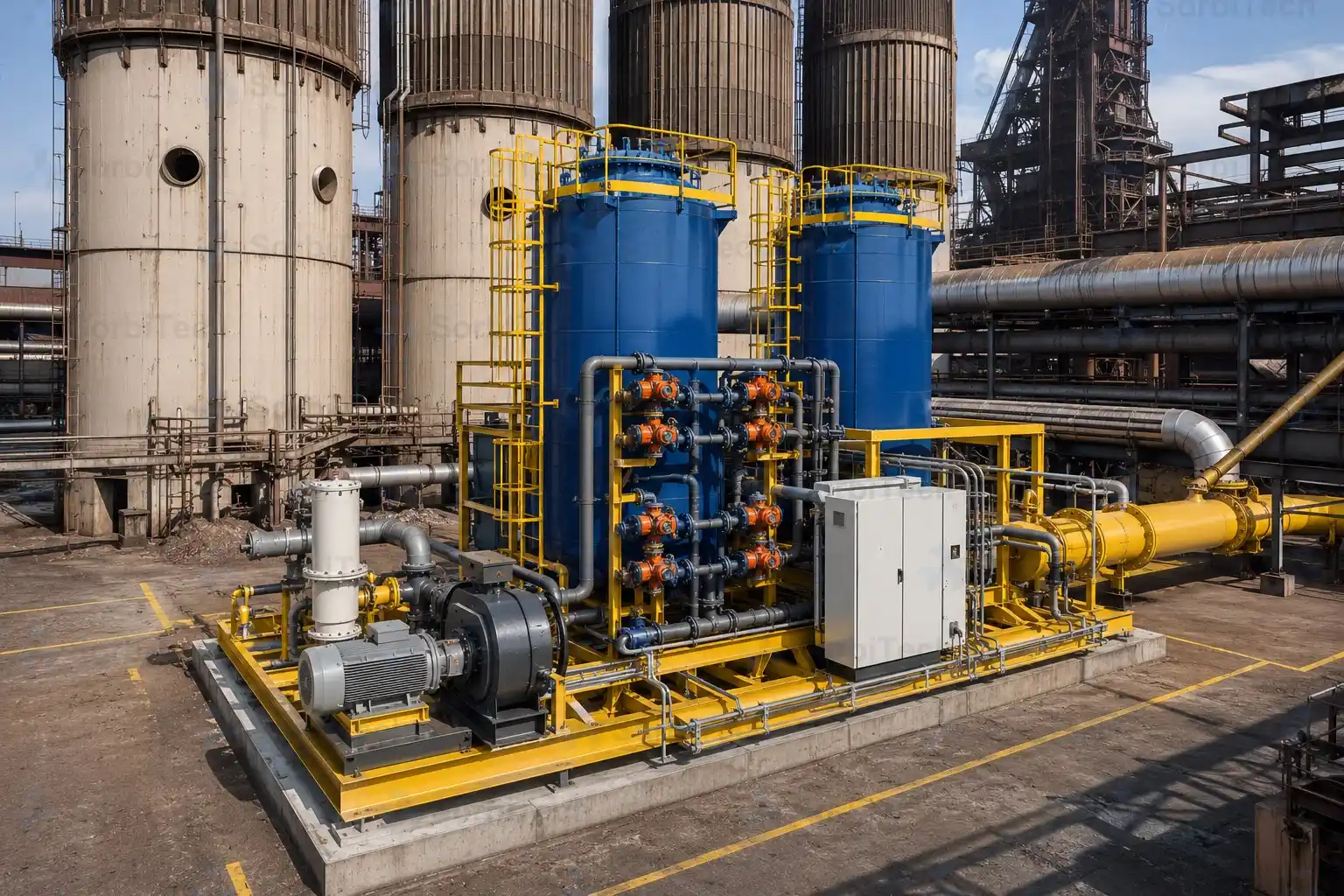 Equipment
Oxygen VPSA Package
On site vacuum pressure swing adsorption (VPSA) oxygen generation package delivering 90 to 95 percent oxygen for medical, aquaculture, ozone generation, and metals applications.
Capacity
50–2,500 Nm³/h O₂ (90–95 % purity)
Equipment
Oxygen VPSA Package
On site vacuum pressure swing adsorption (VPSA) oxygen generation package delivering 90 to 95 percent oxygen for medical, aquaculture, ozone generation, and metals applications.
Capacity
50–2,500 Nm³/h O₂ (90–95 % purity)
-
02
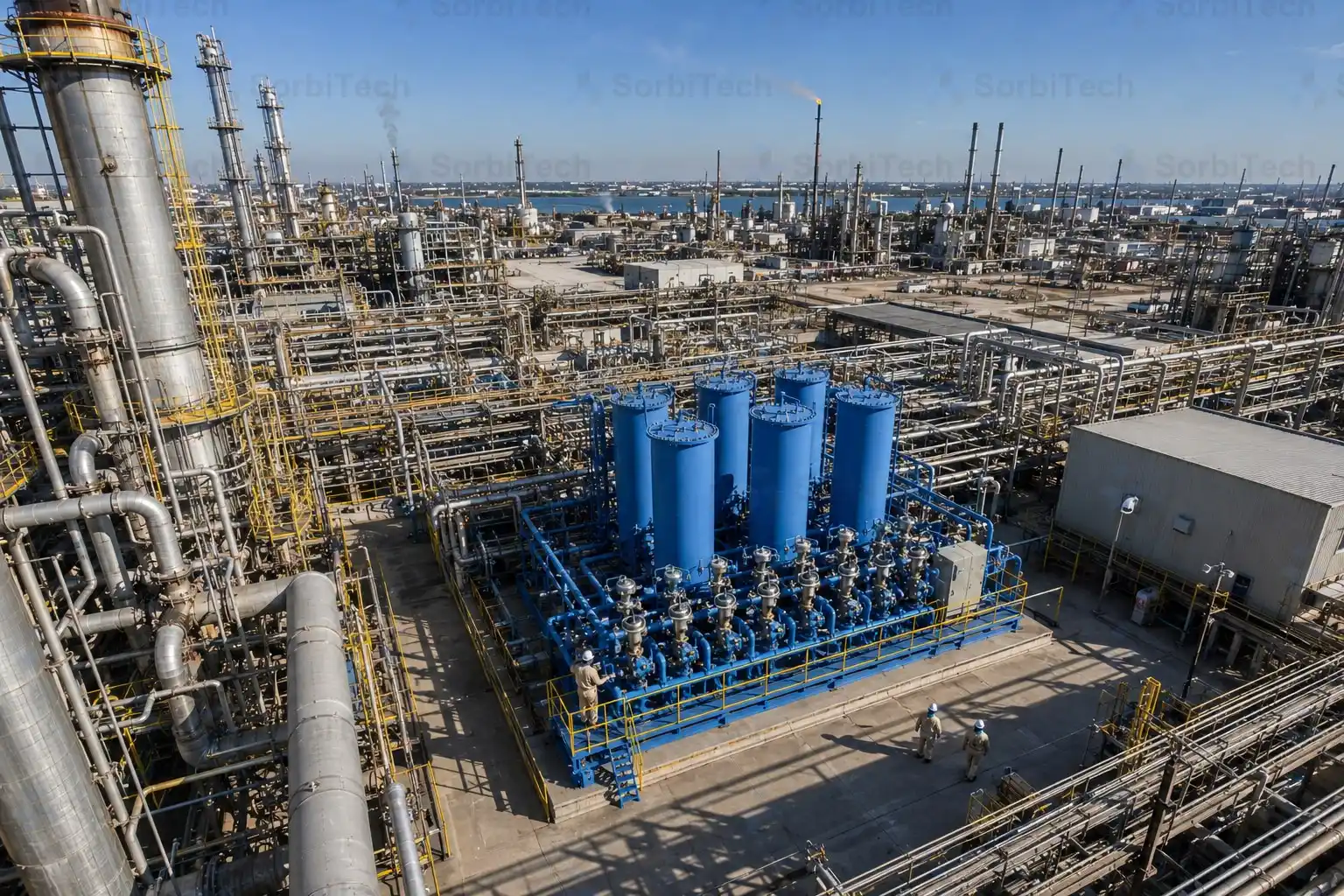 Equipment
Hydrogen PSA Purification Package
On site hydrogen PSA package using a layered adsorbent bed for high purity hydrogen recovery from steam methane reformer off gas or electrolyser product.
Capacity
50–50,000 Nm³/h H₂
Equipment
Hydrogen PSA Purification Package
On site hydrogen PSA package using a layered adsorbent bed for high purity hydrogen recovery from steam methane reformer off gas or electrolyser product.
Capacity
50–50,000 Nm³/h H₂
-
03
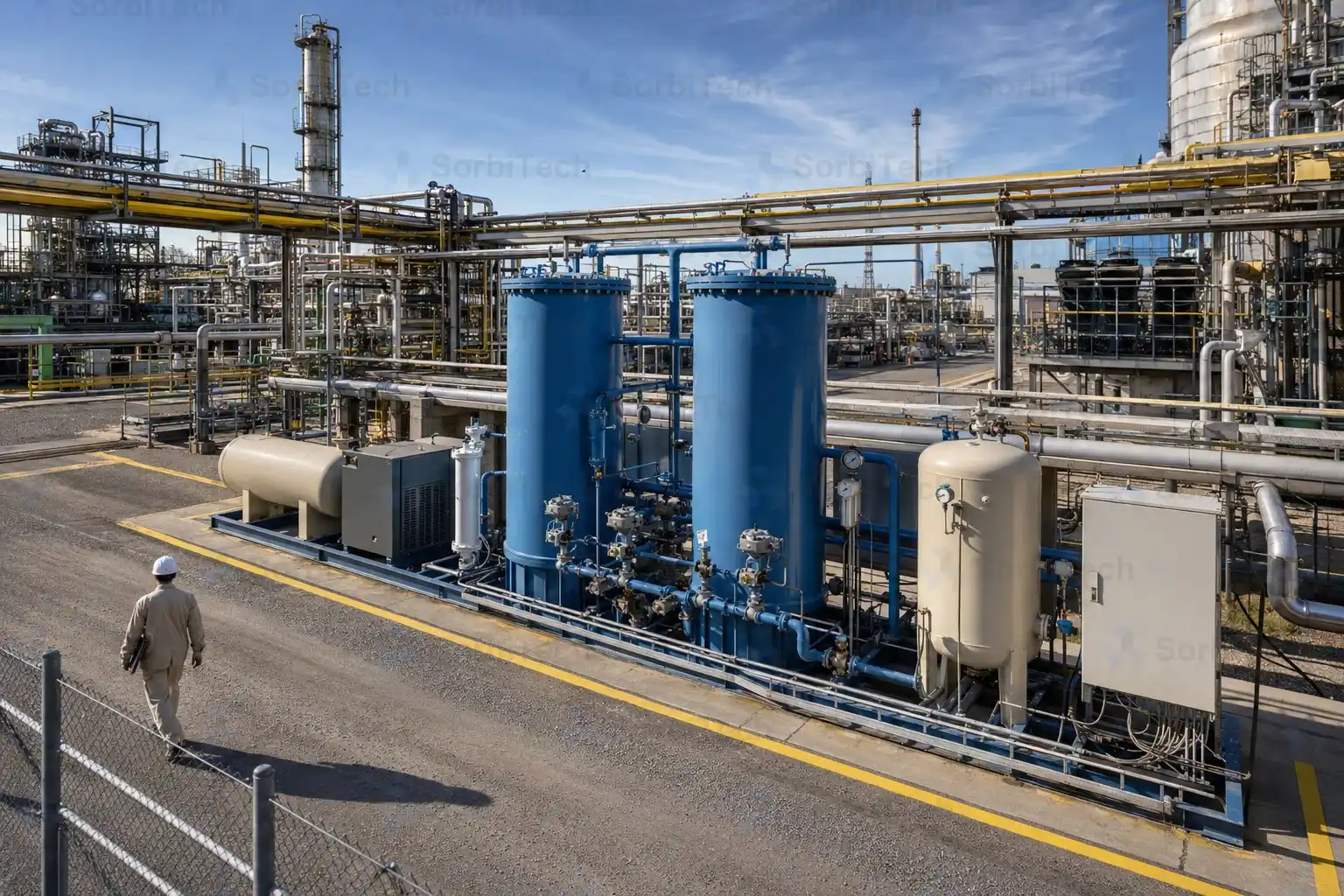 Equipment
PSA Nitrogen Generation Package
On site pressure swing adsorption nitrogen generator using carbon molecular sieve. It delivers nitrogen at 95 to 99.999 percent purity for blanketing, purging, and…
Capacity
5–5,000 Nm³/h N₂
Equipment
PSA Nitrogen Generation Package
On site pressure swing adsorption nitrogen generator using carbon molecular sieve. It delivers nitrogen at 95 to 99.999 percent purity for blanketing, purging, and…
Capacity
5–5,000 Nm³/h N₂
Request a Quote or Technical Consultation
Our technical team responds within one business day.