
API Separator and Municipal Stormwater
API standard oil water separator and municipal stormwater interceptor for refinery effluent, industrial site runoff, and urban stormwater carrying petroleum hydrocarbons.
API separator and stormwater interceptor uses the design rules of API 421 to size gravity separation for refinery and industrial effluent and municipal stormwater carrying petroleum hydrocarbons. Outlet typically below 10 ppm free oil for industrial discharge.
The API Separator Design Standard
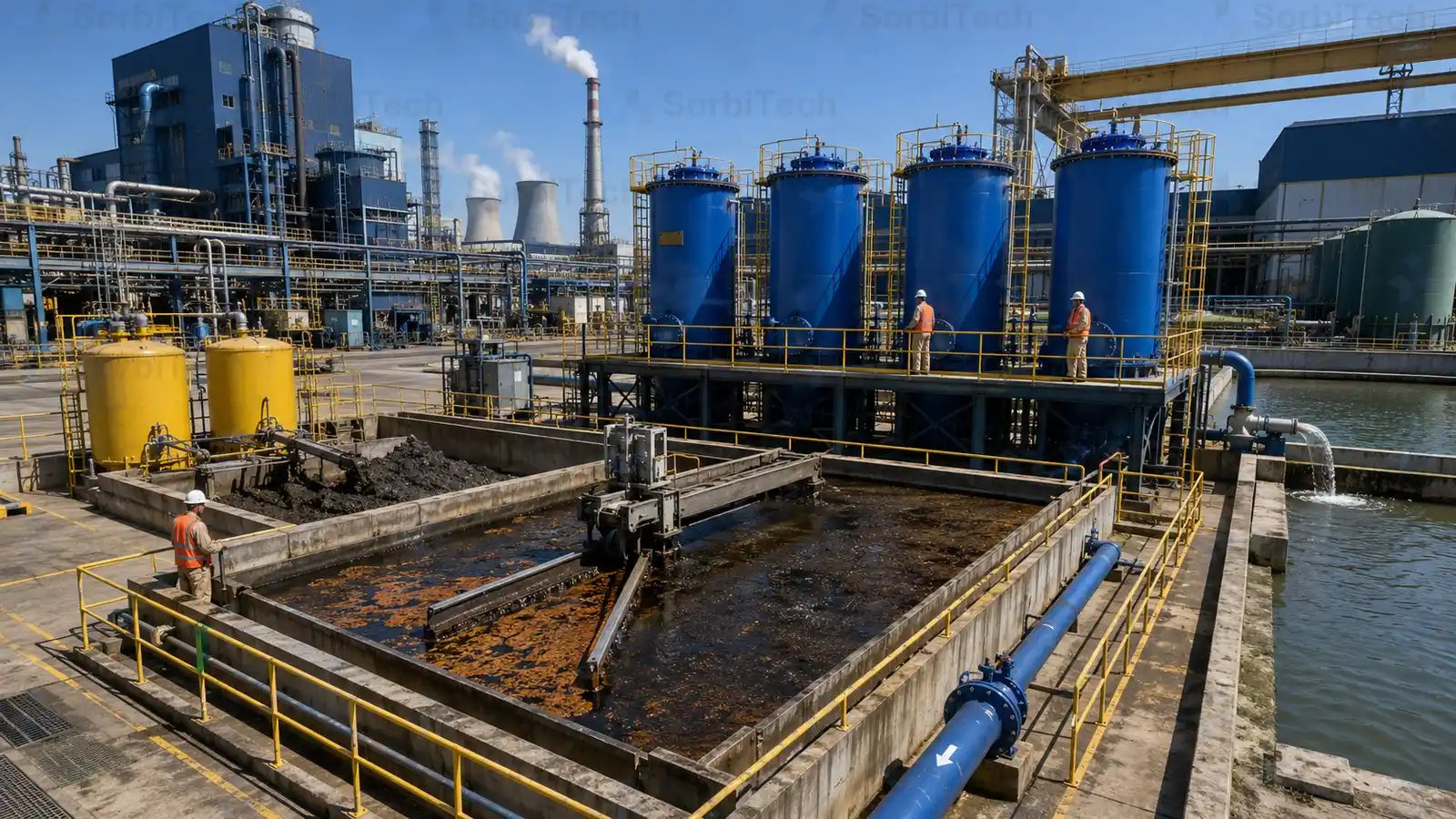
API 421 is the authoritative design standard for gravity separation of oil from water in refinery and petrochemical service. The basin is sized so that a 150 micron oil droplet has time to rise from the bottom to the surface at the design flow; the skimmer removes the surface oil layer; the sludge hopper collects the settled solids. The treated water meets the typical refinery discharge consent of 15 to 30 mg/L oil at outlet.
Concrete or Steel Basin Configuration
The API separator is built as a rectangular concrete basin (for refinery and large industrial sites with permanent footprint) or as a steel basin (for smaller sites and brown field retrofits). The basin includes an inlet diffuser, multiple compartments for skim, sludge collection, and clarified water outlet. The CPI variant uses a corrugated plate pack inside the basin, reducing the footprint by 70 to 80 percent while delivering the same separation performance.
Municipal Stormwater Interceptor
Urban stormwater from highways, parking garages, industrial estates, and gas station forecourts carries oil drips, vehicle fluids, and petroleum residue from atmospheric deposition. The municipal stormwater interceptor uses the same API 421 design principles in a buried concrete chamber, capturing the oil before the stormwater reaches the receiving water body. The interceptor needs scheduled sludge removal every 6 to 12 months.
Polishing for Tighter Consents
Where the discharge consent tightens below 10 mg/L, SorbiTech adds a downstream coalescing polishing skid for dispersed oil and activated carbon for dissolved hydrocarbons. The combined train delivers single digit ppm outlet reliably. Sector coverage is industrial water, refining, and vehicle services.
Selection Guidance
API 421 sized rectangular concrete or steel basin with skimmer and sludge hopper. For tighter discharge limits add a CPI plate pack (smaller footprint) or downstream coalescing polishing.
A Specified, Verified Solution
Define the duty
We capture your process conditions: flow, composition, pressure, temperature, and the target outlet specification.
Select media & configuration
Our engineers recommend the adsorbent grade and system type that meet the duty with margin.
Size & engineer
Bed sizing, vessel design, and cycle parameters are engineered to your case and documented for approval.
Commission & verify
We support loading, start up, and performance verification against the guarantee.
Recommended Products & Systems
Adsorbents & Media
Engineered Systems
-
01
 Equipment
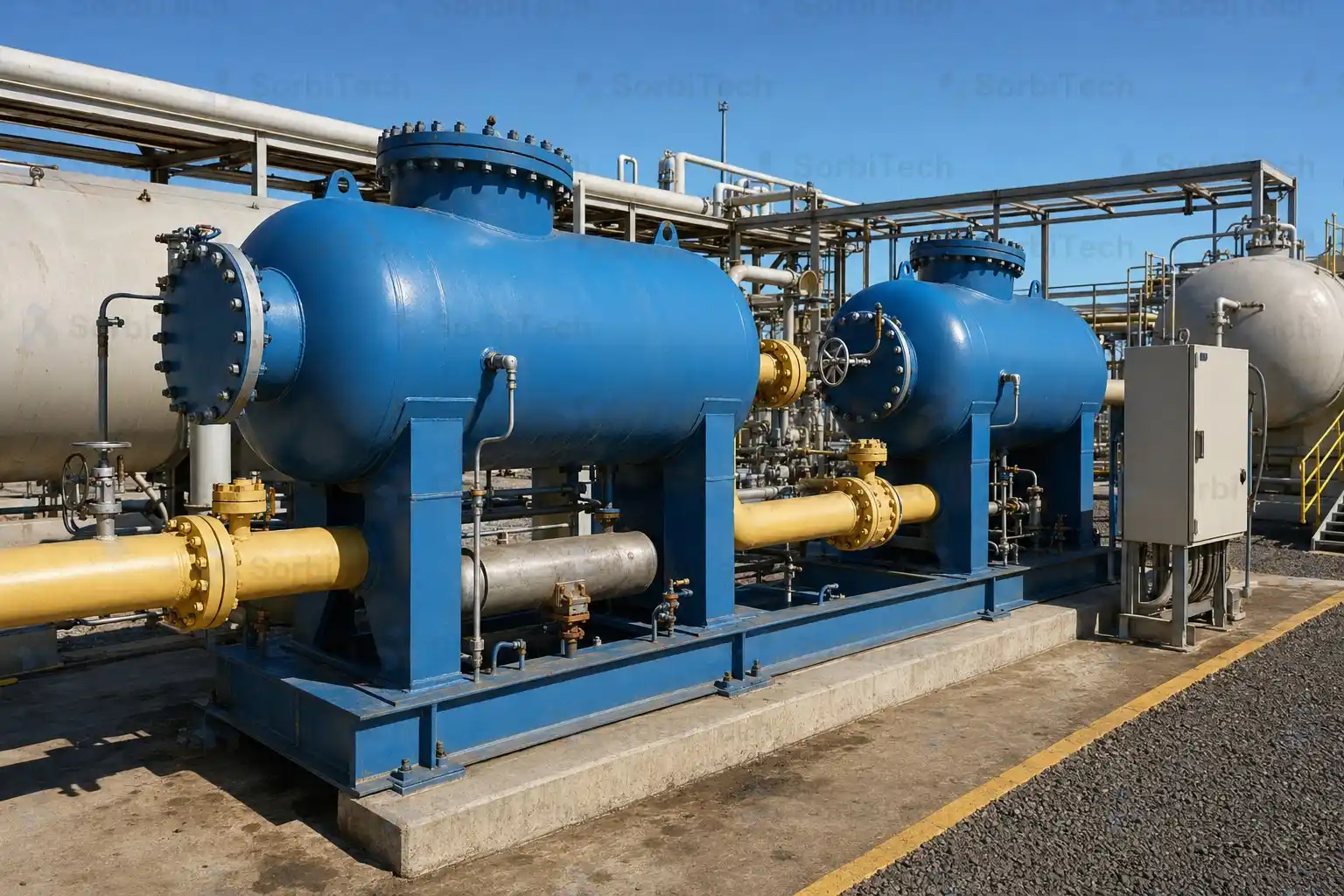
Coalescing Filtration Skid
Two stage coalescer and separator skid that removes fine dispersed hydrocarbons and solids from water down to single digit ppm. It is the polishing…
Capacity
2–200 m³/h
Equipment
Coalescing Filtration Skid
Two stage coalescer and separator skid that removes fine dispersed hydrocarbons and solids from water down to single digit ppm. It is the polishing…
Capacity
2–200 m³/h
-
02
 Equipment
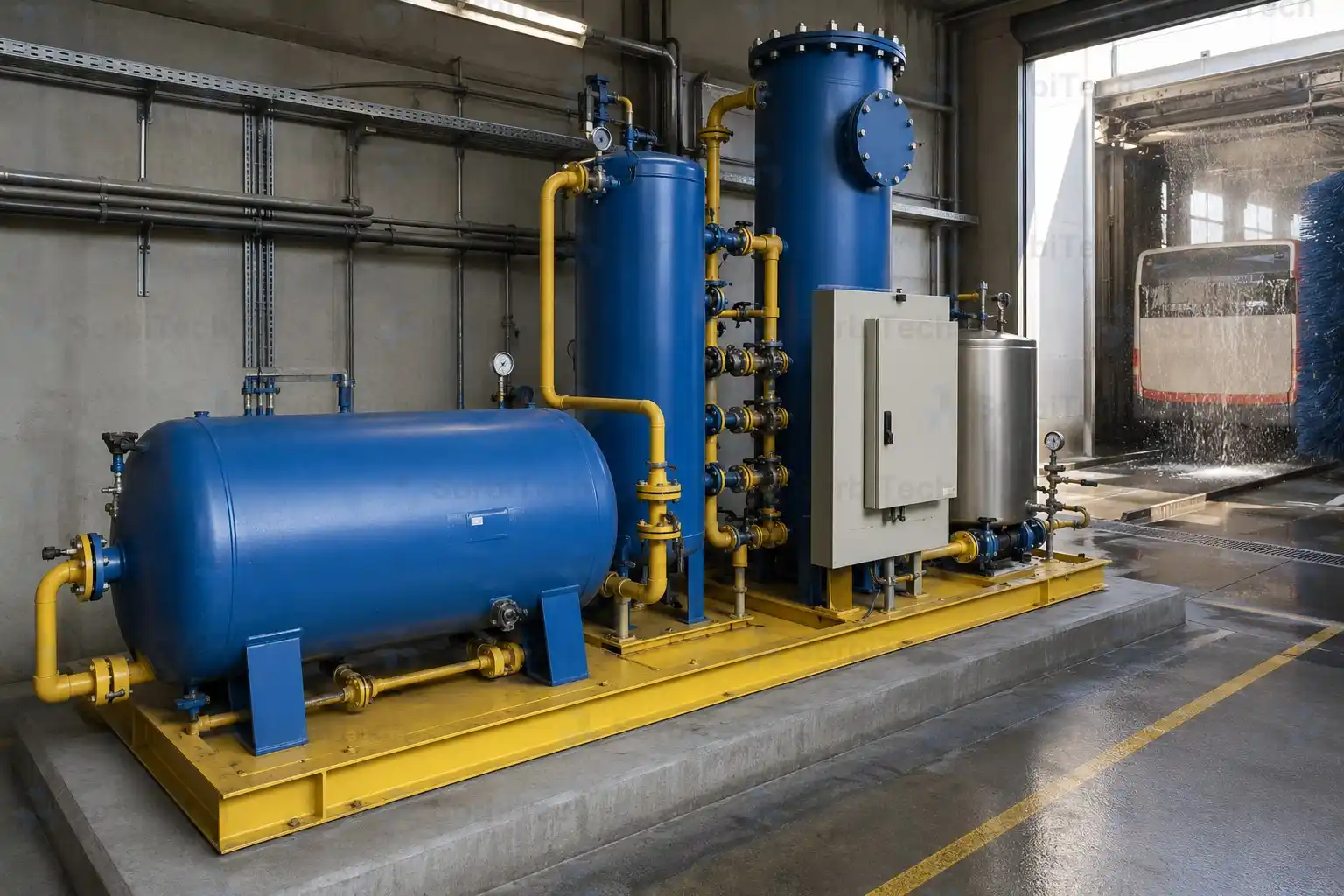
Vehicle Wash Water Recycling Skid
Compact wash water recycling skid for car, truck, bus, and heavy equipment wash bays with staged CPI separation, coalescing polishing, and activated carbon adsorption.
Capacity
0.5–50 m³/h
Equipment
Vehicle Wash Water Recycling Skid
Compact wash water recycling skid for car, truck, bus, and heavy equipment wash bays with staged CPI separation, coalescing polishing, and activated carbon adsorption.
Capacity
0.5–50 m³/h
-
03
 Equipment
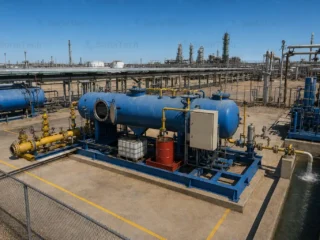
CPI Oil Water Separator
Corrugated plate interceptor that separates free oil and settleable solids from produced and industrial water to below 10 ppm. Compact, with no moving parts.
Capacity
5–500 m³/h
Equipment
CPI Oil Water Separator
Corrugated plate interceptor that separates free oil and settleable solids from produced and industrial water to below 10 ppm. Compact, with no moving parts.
Capacity
5–500 m³/h
Industries Using This Application
-
01
 Sector
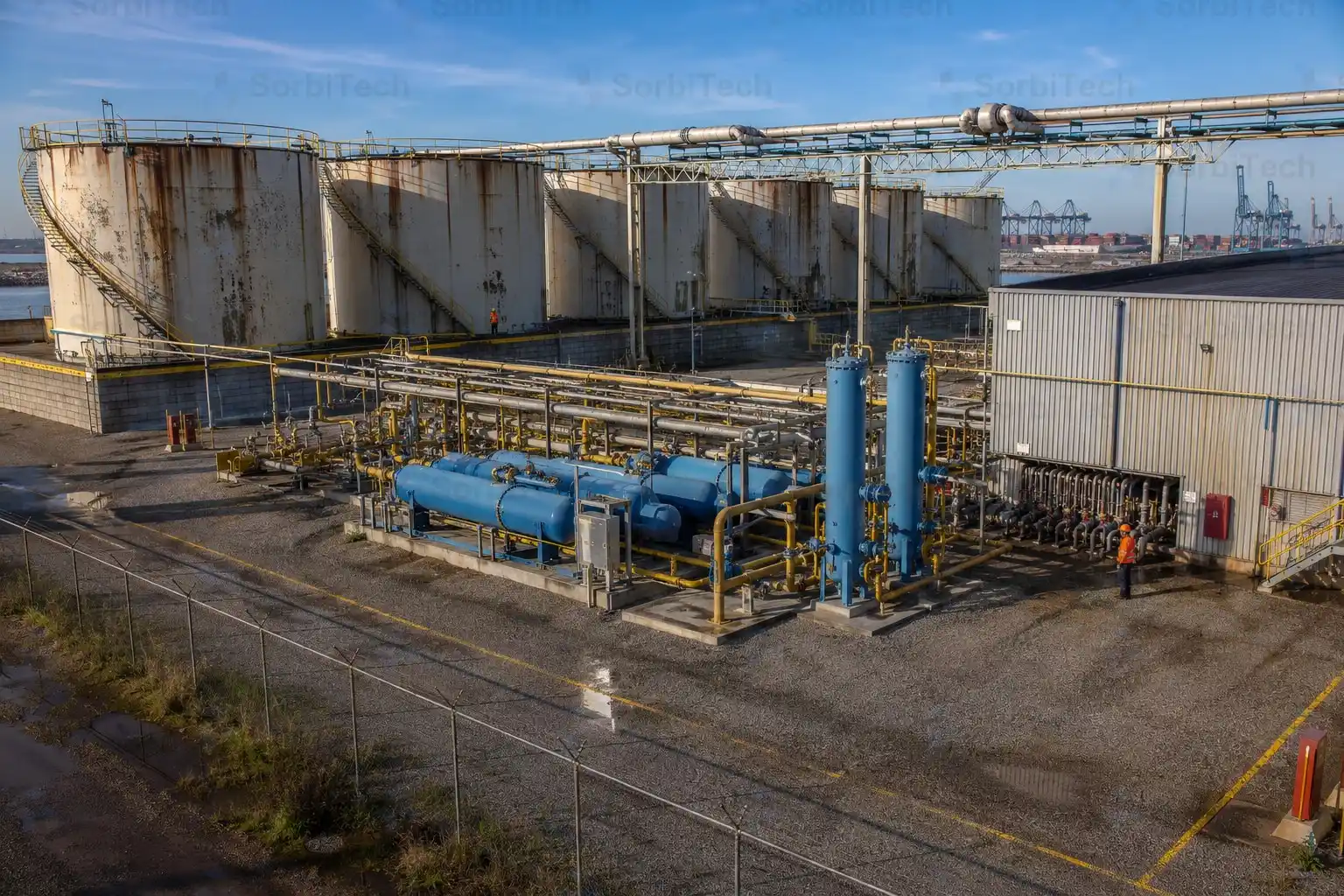
Vehicle Services & Transport
Wash water recycling, fuel polishing, compressed air drying, and workshop drain treatment for vehicle services, transport fleets, and forecourt operators.
Sector
Vehicle Services & Transport
Wash water recycling, fuel polishing, compressed air drying, and workshop drain treatment for vehicle services, transport fleets, and forecourt operators.
-
02
 Sector
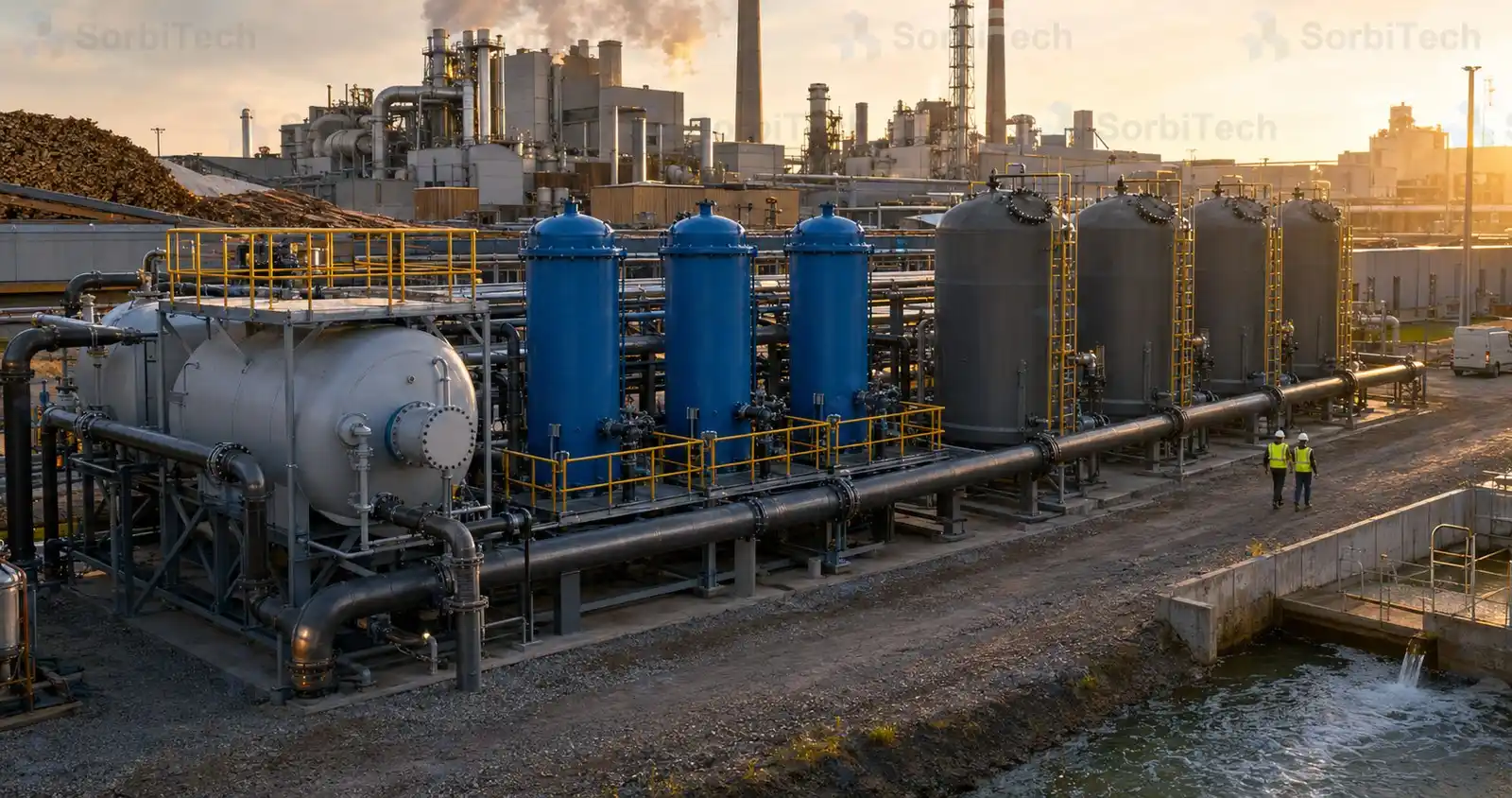
Industrial Water Treatment
Process water polishing, cooling tower blowdown, boiler feedwater, and groundwater remediation served by SorbiTech adsorbent media and engineered treatment skids.
Sector
Industrial Water Treatment
Process water polishing, cooling tower blowdown, boiler feedwater, and groundwater remediation served by SorbiTech adsorbent media and engineered treatment skids.
Specify a Solution for This Application
Provide your process conditions and our team will recommend the grade, configuration, and sizing.